Quintessence Biotech has introduced a pioneering bio-separation tool, dubbed DACS (Dynamic Artificial Cell System), designed to significantly alleviate the manufacturing bottlenecks plaguing the rapidly expanding cell and gene therapy (CGT) sector. This innovative technology, described by the company as the first "living" artificial cell, promises to streamline critical bio-separation processes, reduce manufacturing costs, and enhance the functionality of therapeutic cell products.
The development of DACS represents a significant leap forward in addressing the intricate challenges of producing CGTs at both laboratory and commercial scales. CGTs, which hold immense promise for treating a wide range of diseases, from genetic disorders to certain cancers, are notoriously complex and expensive to manufacture. A major hurdle in this production pipeline is the bio-separation stage, where therapeutic cells must be meticulously isolated and purified from the culture medium in which they are grown. This process often involves numerous manual steps, specialized equipment, and can be a significant source of production delays and cost overruns.
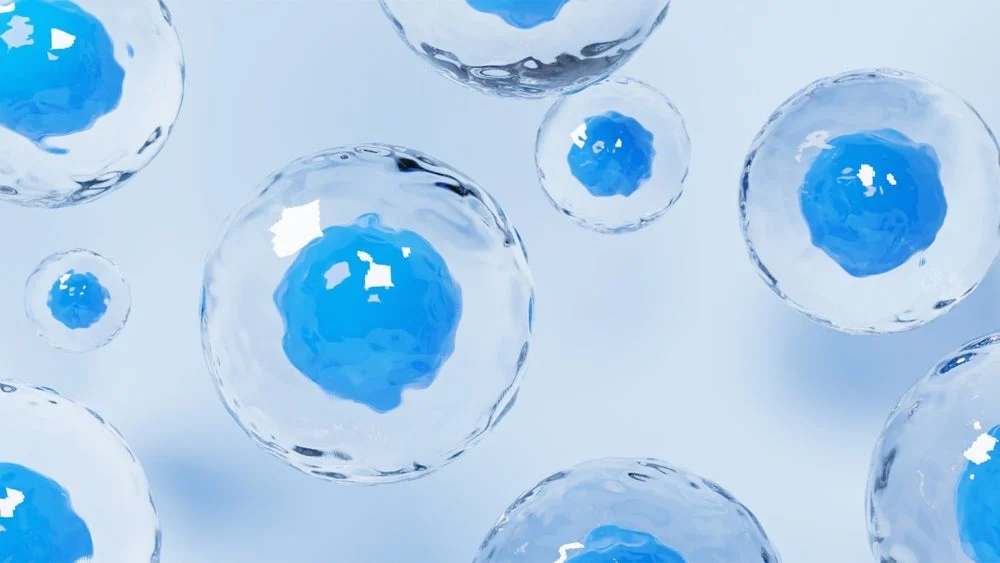
Charles Cavaniol, CEO of Quintessence Biotech, elaborated on the transformative potential of DACS in an exclusive interview with Pharmaceutical Technology. "Our DACS technology is a biomimetic lipid particle-based system that replicates multiple key features of a living cell," Cavaniol explained. "This includes its physical characteristics like size and deformability, as well as crucial functional aspects such as its membrane properties and its capacity for antigen presentation. This biomimicry is central to its ability to integrate seamlessly into existing manufacturing workflows and improve efficiency."
Addressing the Bottleneck: The DACS Approach
The core innovation of DACS lies in its novel approach to bio-separation. Unlike traditional methods that often rely on labor-intensive techniques or complex chemical processes, DACS employs a flotation-based separation mechanism. This method leverages gravity to efficiently separate the therapeutic cells from the surrounding mixture. By mimicking natural cellular processes, DACS aims to reduce the number of manual interventions required, thereby minimizing the risk of human error and improving process consistency.
Furthermore, the artificial cells are engineered with antigen-presenting properties. This feature is crucial for recreating an environment within the bioreactor that closely mirrors natural biological interactions. By enabling the controlled activation of therapeutic cells during the bio-separation phase, DACS can potentially enhance the potency and efficacy of the final cell product. This controlled activation is a departure from many existing methods that may inadvertently stress or alter the cells during isolation.
Cavaniol highlighted the "plug-and-play" nature of DACS, a testament to over two decades of academic research that underpins its development. "This technology is designed for universal integration," he stated. "It can be seamlessly incorporated into any cell culture hardware, eliminating the need for manufacturers to invest in entirely new, rigid production models. This flexibility is paramount in a rapidly evolving field like CGT manufacturing, where adaptability is key to success and cost-effectiveness."
A Superior Alternative to Magnetic Beads
A prevalent method for bio-separation in CGT manufacturing involves the use of magnetic beads. These microscopic beads are coated with specific molecules that bind to the surface of the therapeutic cells. Once attached, an external magnet is used to draw the beads, and thus the attached cells, out of the culture medium. While effective to a degree, this method is fraught with several inherent challenges.
Firstly, scalability can be an issue. As production volumes increase, managing large quantities of magnetic beads and the associated magnetic separation equipment can become cumbersome and costly. Secondly, there is a persistent concern regarding the impact of magnetic beads on cell viability and functionality. The binding process and subsequent magnetic manipulation can potentially stress or damage the delicate therapeutic cells, compromising their therapeutic potential. Lastly, the complete removal of magnetic beads from the final cell product is a critical but often challenging step, as residual beads could pose safety concerns for patients.
Cavaniol pointed out the logistical complexities associated with magnetic bead-based separation. "The reliance on specialized instruments dedicated solely to magnetic separation can be a significant integration challenge within existing bioreactor systems," he noted. "DACS offers a streamlined alternative by significantly reducing the number of steps involved and minimizing the dependence on highly specialized equipment. This not only simplifies the process but also liberates manufacturers from being locked into a specific type of manufacturing hardware early in their development."
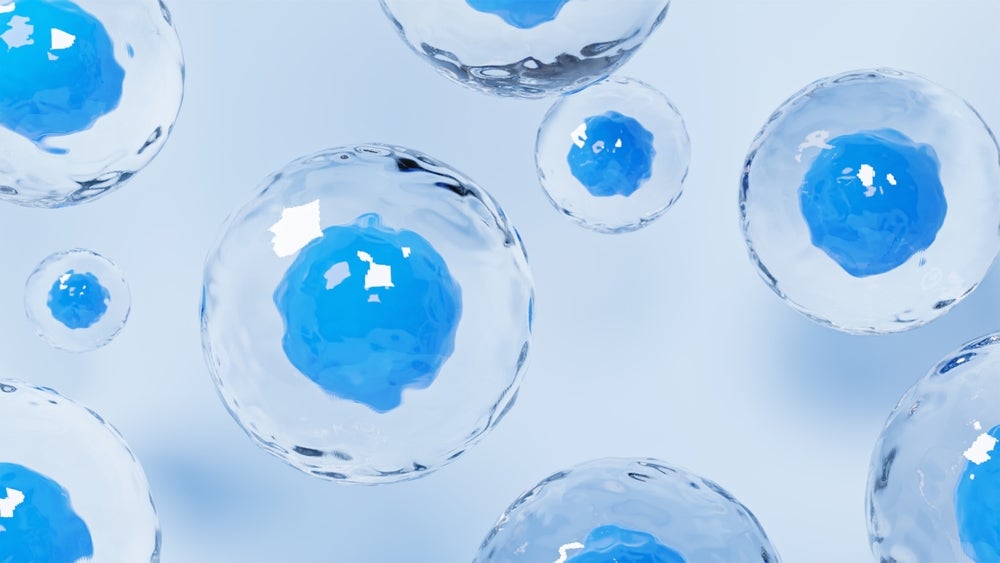
The implications of DACS’s ability to mimic natural cell-cell interactions are profound. By facilitating a more physiologically relevant separation environment, the technology has the potential to enhance the inherent functionality of the therapeutic cell product. This could translate into improved therapeutic outcomes for patients and a reduced risk of adverse effects, a critical consideration in the clinical application of these powerful therapies.
Cost Reduction and Clinical Trajectory
Quintessence Biotech estimates that its DACS technology can reduce the cost of a single cell therapy dose by as much as 60%. This significant cost reduction is a critical factor in making CGTs more accessible to a wider patient population. The high cost of these therapies has been a major barrier to widespread adoption, and innovations that can drive down manufacturing expenses are essential for the sustainable growth of the CGT market.
The DACS technology is currently undergoing beta testing, indicating a strong commitment to validating its performance in real-world manufacturing settings. Quintessence has indicated that it anticipates two CGT therapies utilizing DACS within their manufacturing processes will enter clinical trials within the next two years. This timeline suggests a rapid progression from development to clinical application, underscoring the company’s confidence in the technology’s readiness.
Broader Impact on the CGT Landscape
The introduction of DACS is poised to have a far-reaching impact on the broader cell and gene therapy landscape. By addressing a fundamental manufacturing bottleneck, Quintessence is enabling a more efficient and cost-effective pathway for bringing life-saving therapies to patients.
The flexibility of DACS, allowing integration into various cell culture hardware and suitability for both autologous (patient-specific) and allogeneic (donor-derived) cell therapies, further solidifies its potential as a transformative technology. This adaptability is particularly important as the CGT field continues to mature and diversify, with a growing pipeline of novel therapies targeting an ever-wider array of diseases.
The ability to scale manufacturing processes without requiring significant infrastructure overhauls is a major advantage for emerging biotech companies and established pharmaceutical giants alike. It allows for a more agile and responsive manufacturing strategy, crucial in a field where clinical trial timelines and regulatory approvals can be lengthy and unpredictable.
Furthermore, the emphasis on enhancing cell functionality and reducing side effects aligns with the industry’s ongoing efforts to improve the safety and efficacy profiles of CGTs. As regulators and clinicians increasingly scrutinize the manufacturing processes of these advanced therapies, technologies like DACS that offer greater control and predictability are likely to be highly valued.
The potential for a 60% cost reduction per dose is not merely an economic benefit; it has profound implications for healthcare systems and patient access. For many rare genetic diseases, CGTs represent the only curative option. However, prohibitive costs have often placed these treatments out of reach. Innovations that can significantly lower manufacturing expenses are therefore vital for democratizing access to these groundbreaking therapies.
As the CGT market continues its exponential growth – with projections indicating a market size in the hundreds of billions of dollars within the next decade – the demand for robust, scalable, and cost-effective manufacturing solutions will only intensify. Quintessence Biotech’s DACS technology appears strategically positioned to meet this growing demand, offering a compelling solution to one of the most persistent challenges in the field. The successful transition of DACS-enabled therapies into clinical trials will be a key indicator of its long-term impact and its ability to truly revolutionize CGT manufacturing.