A century-long scientific enigma has been resolved by a collaborative research team, revealing the intricate enzymatic machinery within the Cinchona tree responsible for producing quinine, the venerable anti-malarial drug, and other critical alkaloids. This groundbreaking discovery, spearheaded by scientists from the Max Planck Institute for Chemical Ecology in Jena, Germany, and the University of Georgia in the USA, not only demystifies one of nature’s most potent pharmacies but also paves the way for the biotechnological and sustainable production of these invaluable compounds, potentially revolutionizing pharmaceutical manufacturing and global health initiatives.
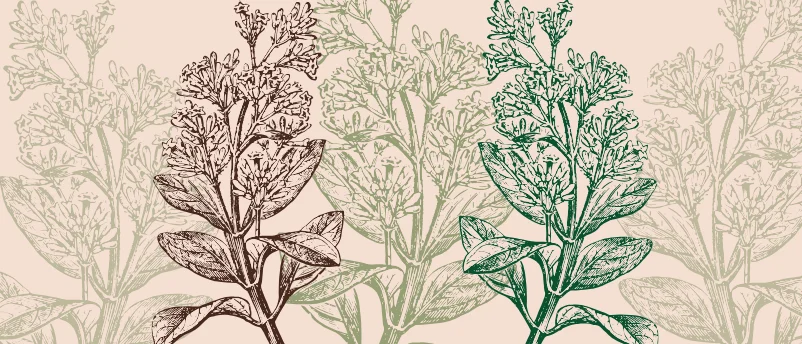
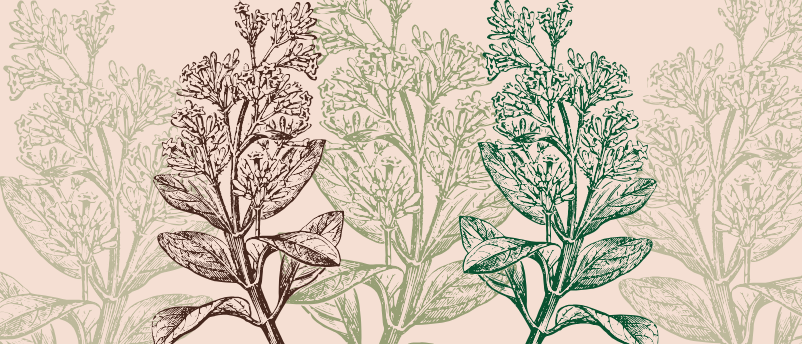
For centuries, the Cinchona tree, often referred to by its Quechua name "quina-quina" meaning "bark of barks," has held a revered place in medicine. Its bark, steeped in folklore and indigenous knowledge from South America, was the sole effective remedy against malaria, a parasitic disease that continues to claim hundreds of thousands of lives annually. The active ingredient, quinine, was eventually isolated in the early 19th century, marking a pivotal moment in pharmacology as one of the first pure chemotherapeutic agents. Despite its long history and continued use, particularly in regions burdened by drug-resistant malaria strains, the precise biochemical pathway by which the Cinchona tree synthesizes quinine remained an enduring mystery. This lack of understanding forced reliance on labor-intensive and environmentally impactful cultivation of Cinchona plantations, often in tropical regions, to extract the precious alkaloids.
A Legacy of Healing: Quinine’s Enduring Impact
The story of quinine is deeply interwoven with global health. Brought to Europe by Jesuits in the 17th century, likely from Peru, the powdered bark quickly gained renown as a potent fever remedy. Its efficacy against malaria, a disease that historically decimated populations and hindered colonial expansion, solidified its status as a life-saving medicine. For over 350 years, until the advent of synthetic alternatives and other natural products like artemisinin, quinine and other extracts from Cinchona bark were the frontline defense against the Plasmodium parasites transmitted by Anopheles mosquitoes.
Even today, quinine remains a critical medication, particularly in tropical Central Africa, where malaria incidence and mortality rates are alarmingly high, and where resistance to other drugs necessitates its continued use. Blaise Kimbadi Lombe, a postdoctoral researcher at the Max Planck Institute for Chemical Ecology and a lead author of the study, highlighted this enduring relevance, noting, "Quinine was one of the first active ingredients to be isolated from natural resources. It was also the first pure chemotherapeutic agent. It is still used to treat malaria today, for example in tropical Central Africa, where malaria is a common cause of illness and death." Lombe’s personal connection to the Democratic Republic of the Congo, a malaria-endemic nation, underscores the profound human impact of this research.
Beyond malaria, cinchona alkaloids encompass a family of compounds with diverse medical and industrial applications. Quinidine, for instance, is a recognized remedy for cardiac arrhythmia, while the bitter taste of quinine is familiar to consumers of tonic water and Bitter Lemon. Industrially, cinchona alkaloids serve as vital chiral catalysts in numerous chemical synthesis processes, demonstrating their broad utility. Jena, Germany, holds a particular historical significance in quinine research, as it was at Friedrich Schiller University where chemist Paul Rabe first elucidated quinine’s complex molecular structure in 1908, a feat of analytical chemistry that laid foundational knowledge for future investigations.
The Hundred-Year Quest: Unlocking Nature’s Chemical Secrets
Despite the estimated annual economic value of cinchona alkaloids reaching US$2 billion, their industrial production has consistently relied on extracting and purifying these compounds from Cinchona plants cultivated on vast tropical plantations. This method is susceptible to environmental pressures, geopolitical instability, and supply chain disruptions. The scientific community has, for over a century, sought to understand the Cinchona tree’s biosynthetic mechanism, hoping to develop more sustainable and efficient production methods. However, this quest was fraught with formidable challenges.
The complexity and unique architecture of cinchona alkaloids posed a significant hurdle, making it difficult to predict the enzymatic reactions involved. Limited knowledge of the intermediate products in the metabolic pathway further complicated efforts, akin to trying to solve a puzzle with missing pieces. Inadequate analytical methods available in previous eras also hampered progress. Moreover, cultivating the red Cinchona tree (Cinchona pubescens) in controlled greenhouse and sterile conditions, necessary for detailed biochemical study, presented its own set of practical difficulties due to the plant’s specific environmental requirements and slow growth rate.
Previous research conducted in Jena had successfully deciphered the initial stages of the metabolic pathway, identifying an intermediate product called corynantheal. Subsequent experiments confirmed that the plant converts this intermediate into the final cinchona alkaloids. Yet, the crucial steps of this conversion and the specific enzymes catalyzing them remained shrouded in mystery, representing the "holy grail" of cinchona alkaloid biosynthesis research.
Tingan Zhou, a doctoral student in the Department of Natural Product Biosynthesis and another lead author of the study, articulated the precise objectives of their current investigation: "Specifically, we wanted to know: How does the conversion of the corynantheal skeleton occur, and which enzymes catalyze the process? Can these enzymes be used to easily, quickly and controllably produce cinchona alkaloids in a model organism? And can these enzymes be used to produce new cinchona alkaloid analogues that do not occur in nature?" These questions guided their meticulous scientific endeavor.
A Molecular Detective Story: The Breakthrough Unveiled
The research team embarked on what can only be described as a sophisticated chemical detective story to unravel how Cinchona trees meticulously construct their miraculous molecules. Their methodology was multi-faceted and ingenious, combining advanced analytical techniques with genetic and proteomic studies.
The first critical step involved introducing specially labeled precursor molecules into various parts of the red Cinchona tree – leaves, stems, and roots. By tracking these labeled precursors, the scientists could observe their conversion into subsequent compounds, akin to following a trail of "traces" within the plant tissue. This meticulous approach allowed them to identify three previously unknown intermediate products, which proved to be key pieces of the long-standing biochemical puzzle. These intermediates were crucial for bridging the gap between corynantheal and the final cinchona alkaloids.
With the intermediates identified, the next challenge was to pinpoint the specific enzymes responsible for catalyzing these transformations. The researchers leveraged comprehensive gene and protein data from different parts of the Cinchona plant, coupled with comparative analyses against related plant species. This comparative genomic and proteomic approach led them to two enzymes involved in producing one of the newly discovered intermediate substances: malonyl-corynantheol. To definitively confirm malonyl-corynantheol’s role in the metabolic pathway, the scientists employed a sophisticated genetic technique to temporarily suppress or "switch off" the genes responsible for its production. The subsequent absence or reduction of downstream alkaloids unequivocally confirmed malonyl-corynantheol as a critical precursor for quinine and other cinchona alkaloids.
One of the most significant challenges, and ultimately one of the most surprising discoveries, came in identifying the enzyme responsible for converting malonyl-corynantheol into another newly discovered intermediate product, cinchonium. After numerous unsuccessful attempts using conventional methods, the research team finally identified the appropriate gene by integrating a vast array of data on gene activity, protein expression, and gene patterns from various plant species and different plant tissues. Analysis of the enzyme’s genetic sequence suggested it was a transferase. This finding came as a major surprise to the researchers, as transferase enzymes are not typically known to catalyze the unusual cyclization reaction required to form cinchonium. This unexpected enzymatic function underscores the unique evolutionary adaptations found within plant biochemistry.
The researchers further demonstrated that the cinchonium intermediate then undergoes two more precisely orchestrated reactions to form the complex "quinoline-quinuclidine scaffold," which is the core structural element of cinchona alkaloids. Blaise Kimbadi Lombe elucidated this intricate process, stating, "In a series of transformations catalyzed by two unrelated enzymes, the scaffold expands from an indole ring system to a quinoline ring system. We identified these enzymes as an oxoglutarate-dependent dioxygenase and a cytochrome P450." The identification of these specific enzymes – a transferase, an oxoglutarate-dependent dioxygenase, and a cytochrome P450 – completes the enzymatic blueprint for the biosynthesis of these medically vital compounds.
From Bark to Lab: A New Era for Sustainable Drug Production
The successful elucidation of this complex biosynthetic pathway has profound implications. The research team was not only able to identify the enzymes but also demonstrated their utility by using them to produce known medicinal compounds and, crucially, novel derivatives that hold potential for future medicinal applications. This capability to manipulate the pathway opens up unprecedented avenues for drug discovery and production.
Sarah O’Connor, Director at the Max Planck Institute for Chemical Ecology and head of the Department of Natural Product Biosynthesis, articulated the transformative potential of this discovery: "Our study is further proof that nature is the best chemist. The enzymes we have discovered open up a wide range of possibilities, including the biotechnological production of medically or chemically valuable compounds." This statement highlights the principle of biomimicry, where understanding and replicating nature’s processes can lead to significant technological advancements.
The traditional method of obtaining cinchona alkaloids through extensive cultivation and extraction from Cinchona bark is inherently resource-intensive and often environmentally unsustainable. Large-scale plantations can contribute to deforestation, soil depletion, and require significant land use. The breakthrough in understanding the enzymatic pathway offers a powerful alternative. Scientists now predict a paradigm shift towards synthetic biology methods for producing these essential alkaloids.
This transition promises several key benefits:
- Sustainability: Reduced reliance on large-scale plantations will lessen environmental impact, preserve biodiversity, and free up agricultural land for food production.
- Supply Chain Stability: Laboratory-based production offers greater control over supply, making it less vulnerable to climate change, political instability, or pests affecting agricultural yields. This could ensure a consistent supply of life-saving drugs.
- Cost-Effectiveness: While initial investments in biotechnological infrastructure can be substantial, large-scale fermentation or cell culture systems can eventually lead to more cost-effective production, potentially making essential medicines more accessible.
- Novel Drug Discovery: The ability to manipulate the enzymatic pathway in a controlled laboratory setting allows for the creation of new cinchona alkaloid analogues that do not naturally occur. These novel compounds could possess enhanced therapeutic properties, reduced side effects, or efficacy against drug-resistant pathogens, accelerating the pace of drug discovery for various ailments, not just malaria.
- Biosecurity: Decentralized production facilities using engineered microbes or cell lines could enhance national biosecurity by providing domestic sources of critical pharmaceuticals.
The implications for global health, particularly in the ongoing fight against malaria, are immense. The World Health Organization (WHO) reported an estimated 249 million malaria cases and 608,000 deaths worldwide in 2022, with the African region bearing the brunt of this burden. Stable, affordable access to effective anti-malarial drugs like quinine remains a cornerstone of treatment strategies. By enabling more efficient and controlled production, this research has the potential to strengthen global efforts to combat malaria and other diseases where cinchona alkaloids or their derivatives could play a role.
In conclusion, the meticulous "chemical detective work" conducted by the Max Planck Institute for Chemical Ecology and the University of Georgia has not only solved a century-old biological mystery but has also laid a robust foundation for a new era of pharmaceutical production. By unraveling the enzymatic blueprint of quinine biosynthesis, the scientific community has taken a monumental step towards developing sustainable, efficient, and innovative methods for producing critical medicines, demonstrating once again that understanding nature’s profound chemical ingenuity holds the key to addressing some of humanity’s most pressing health challenges.