In a significant advancement poised to reshape the landscape of cardiac biomarker detection, Exazym®’s innovative BOLD (Binding Oligo Ladder Detection) amplification technology has demonstrated a remarkable 180-fold improvement in sensitivity for human cardiac troponin I (cTnI) detection using a standard ELISA format. This groundbreaking development, which lowers the detection limit to an unprecedented 0.07 pg/mL without necessitating specialized equipment or major protocol overhauls, will be the central focus of an upcoming webinar hosted by BioTechniques on Wednesday, April 29, 2026. Peter Stenlund, Principal Scientist at Cavidi AB, will lead the presentation, offering a deep dive into the technology and its profound implications for cardiac research, biomarker studies, and drug safety monitoring. The event is scheduled for 07:00 PDT, 10:00 EDT, and 15:00 BST, with alternative time zones available to accommodate a global audience.
The Urgent Need for Ultra-Sensitive Cardiac Biomarker Detection
Cardiac troponin I (cTnI) is widely recognized as the gold standard biomarker for the diagnosis of myocardial injury, particularly acute myocardial infarction (AMI). Its release into the bloodstream is directly proportional to the extent of cardiac muscle damage, making its accurate and timely detection critical for patient management and clinical decision-making. The global burden of cardiovascular diseases (CVDs) remains immense, with heart conditions accounting for approximately one-third of all deaths worldwide, according to the World Health Organization. Early and precise diagnosis of myocardial injury is paramount not only for initiating prompt treatment but also for guiding risk stratification and monitoring therapeutic interventions.
Despite the established utility of cTnI, conventional enzyme-linked immunosorbent assays (ELISAs) and even some high-sensitivity (hs-cTn) assays have inherent limitations. These traditional methods often struggle to detect the extremely low concentrations of cTnI present in the early stages of cardiac injury, or in subtle, chronic conditions where damage is minimal but cumulative. This sensitivity gap can lead to delayed diagnoses, missed opportunities for early intervention, and challenges in monitoring populations at high risk, such as patients undergoing cardiotoxic chemotherapy or those with subclinical cardiac stress. For researchers, the inability to accurately quantify ultra-low levels of cTnI restricts the scope of biomarker discovery, preclinical drug safety assessments, and the detailed study of cardiac pathophysiology. The need for a robust, highly sensitive, yet accessible detection method has therefore been a persistent challenge in both clinical diagnostics and biomedical research.
BOLD Amplification: A Paradigm Shift in ELISA Technology
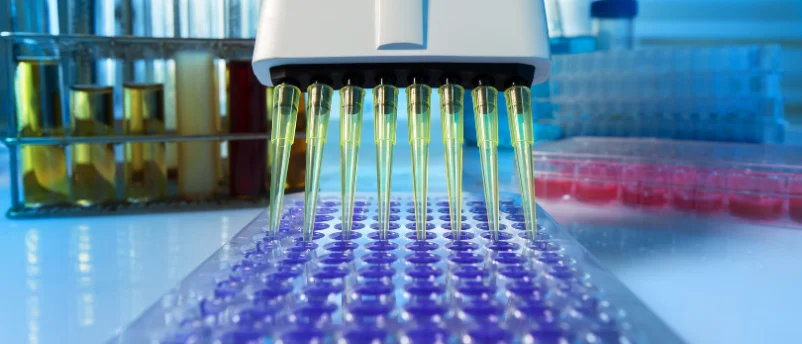
The BOLD amplification technology, developed by Exazym®, addresses these critical limitations by significantly enhancing the signal generated by standard ELISA. At its core, BOLD (Binding Oligo Ladder Detection) operates on a principle that dramatically multiplies the detection signal, converting a single binding event into a cascade of detectable output. While the precise molecular mechanisms involve proprietary elements, the general concept revolves around an enzymatic reaction that generates a "ladder" of amplified reporter molecules from a single target capture. This amplification occurs directly within the established ELISA framework, leveraging existing plate-based assay protocols and readout instruments.
The reported 180-fold increase in sensitivity is not merely an incremental improvement; it represents a fundamental shift in the capabilities of ELISA. By pushing the detection limit down to 0.07 pg/mL, BOLD technology enables the quantification of cTnI at levels previously accessible only through highly specialized and often more complex platforms, such as single-molecule arrays (Simoa). The beauty of BOLD lies in its integration: it allows laboratories to achieve ultra-high sensitivity using their current infrastructure – standard ELISA plates, reagents, and plate readers – thereby democratizing access to advanced diagnostic capabilities. This eliminates the substantial capital investment and training often associated with adopting entirely new technologies, making it a highly attractive solution for both academic research institutions and diagnostic laboratories globally.

Historical Context and Evolution of Cardiac Troponin Assays
The journey of cardiac troponin as a diagnostic marker has spanned several decades. Initially identified in the 1960s, it wasn’t until the 1990s that cTnI and cTnT (cardiac troponin T) became widely adopted as specific and sensitive biomarkers for myocardial necrosis. Early assays, while a vast improvement over previous markers like CK-MB, still had limitations in their ability to detect low concentrations and identify injury early after symptom onset.
The early 2000s saw the emergence of "high-sensitivity" (hs-cTn) assays, which dramatically improved detection limits into the low nanogram-per-liter range (equivalent to picograms per milliliter), allowing for earlier diagnosis of AMI and improved risk stratification. These assays became crucial for implementing rapid "rule-in" and "rule-out" protocols in emergency departments, significantly impacting patient flow and outcomes. However, even hs-cTn assays have faced challenges, particularly in differentiating acute injury from chronic elevations in conditions like chronic kidney disease or heart failure, and in detecting extremely subtle injuries. The advent of technologies like BOLD amplification marks the next evolutionary step, pushing the boundaries of sensitivity even further, potentially into a "ultra-high-sensitivity" category that addresses these remaining gaps. This chronological progression underscores a continuous drive in clinical diagnostics towards ever-earlier, more precise, and more accessible detection methods for critical biomarkers.
Implications for Research and Clinical Practice: A Deeper Dive
The enhanced sensitivity offered by BOLD amplification holds profound implications across various facets of medical science:
- Biomarker Discovery and Validation: Researchers can now explore cTnI as a biomarker in contexts where its concentrations were previously undetectable. This opens new avenues for identifying novel disease mechanisms, understanding subclinical cardiac stress, and discovering early indicators for a broader spectrum of cardiovascular conditions. For instance, studying cTnI dynamics in response to subtle environmental stressors or lifestyle interventions becomes feasible.
- Drug Safety Monitoring: Cardiotoxicity is a significant concern in drug development, particularly for oncology drugs and new therapeutic agents. The ability to detect minute changes in cTnI levels can provide an early warning signal of cardiac damage, allowing for timely intervention or dose adjustments in preclinical and clinical trials. This improved monitoring capability can accelerate drug development by reducing the risk of late-stage failures due to cardiac adverse events and enhance patient safety.
- Preclinical Research: In animal models, detecting subtle cardiac injury is often challenging due to sample size limitations and the inherent lower levels of biomarkers in healthy animals. The 0.07 pg/mL detection limit will enable more precise and sensitive assessment of cardiac health in preclinical studies, offering clearer insights into disease progression and the efficacy of novel therapeutic compounds.
- Clinical Diagnostics and Prognosis: While the immediate focus is on research applications, the eventual translation of this technology into clinical diagnostics could revolutionize patient care. Earlier detection of myocardial injury, even before symptoms manifest or at very low levels, could lead to earlier interventions for conditions like myocarditis, stress-induced cardiomyopathy, or even chronic heart failure exacerbations. It could also refine risk stratification for individuals deemed "low-risk" by current hs-cTn assays but who might still harbor subclinical cardiac stress. The ability to track minute changes could provide a more nuanced understanding of disease progression and treatment response over time.
- Accessibility and Cost-Effectiveness: By being compatible with standard ELISA equipment, BOLD technology significantly lowers the barrier to entry for ultra-sensitive cTnI detection. This could make advanced diagnostics more accessible to a wider range of laboratories, including those in resource-limited settings, ultimately benefiting more patients globally. The reduced need for specialized, expensive instrumentation could also lead to more cost-effective testing.
The Webinar: A Technical Deep Dive by an Expert
The upcoming webinar, scheduled for April 29, 2026, will serve as a crucial platform for disseminating this innovative technology. Peter Stenlund, the speaker, brings a wealth of expertise to the topic. With a Ph.D. in biochemistry from Umeå University (Sweden), Stenlund’s career reflects a strong foundation in protein chemistry and analytical development. His extensive background includes roles as a senior lecturer, postdoctoral scientist in the U.S., and development scientist at Biacore (Uppsala, Sweden), a company renowned for its label-free biosensor technology. He further honed his skills in senior scientist positions at Octapharma (Lachen, Switzerland) and Galderma (Lausanne, Switzerland), where he focused on analytical development for protein drug characterization.
As Principal Scientist at Cavidi AB, Stenlund now spearheads innovation in ultra-sensitive immunoassay solutions. His diverse experience across academia and industry, coupled with his current leadership in developing cutting-edge diagnostic tools, positions him as the ideal guide for this technical deep dive. Attendees can expect a comprehensive presentation covering:

- The scientific principles behind BOLD amplification technology.
- Detailed experimental data demonstrating the 180-fold sensitivity improvement and the 0.07 pg/mL detection limit for human cTnI.
- Practical insights into incorporating BOLD into existing ELISA workflows without major modifications.
- Discussion of the potential applications in various research and development settings, including biomarker discovery and drug safety.
- A Q&A session providing an opportunity for direct engagement with Stenlund.
The webinar is particularly relevant for researchers in cardiology, drug discovery and development, clinical diagnostics, and assay development scientists seeking to enhance the performance of their immunoassays. Medical professionals involved in cardiovascular patient management and laboratory directors aiming to upgrade their diagnostic capabilities will also find the insights invaluable.
Cavidi AB and Exazym®: Driving Innovation in Diagnostics
Cavidi AB, in association with which this webinar is being presented, is a company dedicated to developing innovative diagnostic solutions. While the provided text doesn’t detail their full portfolio, their involvement in showcasing BOLD amplification technology underscores their commitment to pushing the boundaries of detection sensitivity in critical medical areas. Their collaboration with Exazym®, the developer of the BOLD technology, highlights a strategic partnership aimed at bringing advanced, yet accessible, tools to the scientific community. Exazym®’s focus on signal amplification technologies positions them as a key player in enabling ultra-sensitive detection across various immunoassay formats. Together, these companies are contributing significantly to the ongoing evolution of diagnostic science, particularly in areas where early and precise detection can have life-altering implications.
Looking Ahead: The Future of Ultra-Sensitive Diagnostics
The introduction of BOLD amplification technology represents more than just an incremental improvement in cTnI detection; it signifies a potential shift in how sensitive immunoassays are designed and implemented. As the scientific and medical communities continue to strive for earlier disease detection, more accurate risk stratification, and personalized medicine approaches, technologies like BOLD will become increasingly vital. The ability to achieve ultra-high sensitivity with standard equipment opens doors for broader adoption, fostering innovation across a wider range of laboratories globally.
Future developments may see BOLD amplification integrated into multiplexed assays, allowing for simultaneous ultra-sensitive detection of multiple cardiac biomarkers. It could also pave the way for novel point-of-care diagnostics, bringing high-level sensitivity closer to the patient bedside, especially in emergency settings where rapid and accurate results are paramount. The scientific community anticipates that this technology will not only elevate cardiac biomarker research but also inspire similar advancements in the detection of other low-abundance biomarkers critical for diagnosing cancer, infectious diseases, and neurological disorders.
This webinar offers a unique opportunity for scientists and clinicians to understand how they can leverage this powerful technology to elevate their cardiac biomarker research and contribute to the next generation of cardiovascular diagnostics. Interested participants who cannot access the registration form directly on the page can register for the webinar via the provided alternative link.