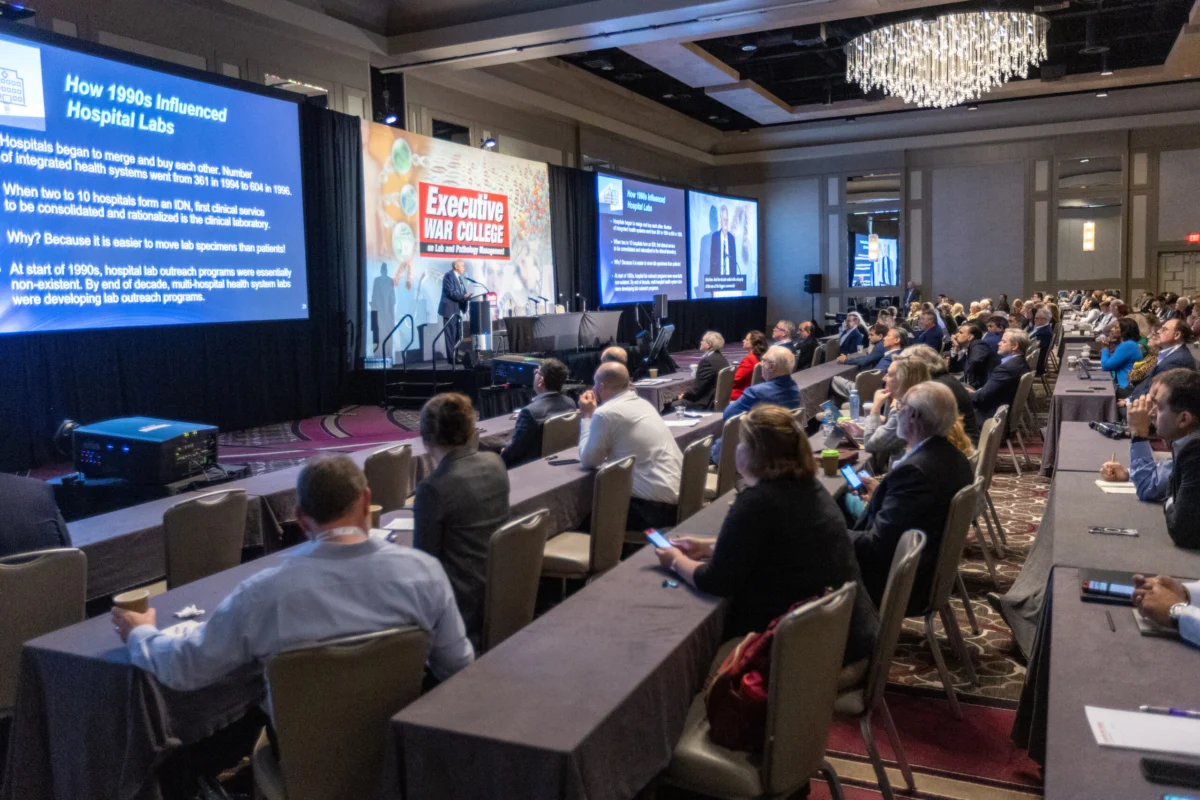
The clinical laboratory sector stands at a critical juncture, navigating what industry analysts describe as a "perfect storm" of converging pressures that threaten both operational stability and the capacity for innovation. Against this backdrop, the 31st Annual Executive War College on Diagnostics, Clinical Laboratory, and Pathology Management, scheduled for April 28-29, 2026, in New Orleans, has unveiled its initial speaker lineup, signaling a strategic shift towards actionable, "early-adopter" case studies designed to equip lab leaders with practical blueprints for resilience and growth. The event, long recognized as the preeminent gathering for diagnostic medicine’s business and management elite, aims to move beyond theoretical discussions, focusing instead on tangible strategies for labs to not just weather the storm but to emerge as leaders in an increasingly complex healthcare ecosystem.
Navigating the "Perfect Storm": Reimbursement, Workforce, and Regulatory Pressures
The challenges facing clinical laboratories in 2026 are multifaceted and deeply interconnected, forming a complex web that demands sophisticated management and strategic foresight.
The Intensification of Reimbursement Pressure: At the forefront of these challenges is the relentless pressure on reimbursement rates. The Protecting Access to Medicare Act (PAMA), enacted in 2014, has been a significant driver of this trend, mandating market-based rates for clinical diagnostic laboratory tests (CDLTs) paid under the Medicare Part B Clinical Laboratory Fee Schedule (CLFS). Since its initial implementation, PAMA has led to substantial cuts, with an estimated cumulative reduction of over $4 billion through 2023. While legislative moratoriums have periodically delayed further cuts, 2026 marks a pivotal year as these reprieves are set to expire. This impending "regulatory cliff" means laboratories must brace for renewed downward pressure on their revenue streams, necessitating unprecedented efficiency and strategic financial planning.
The impact of these cuts extends far beyond mere profit margins. Reduced reimbursement directly affects a lab’s ability to invest in cutting-edge technology, attract and retain skilled personnel, and conduct the necessary research and development to bring innovative diagnostic tests to market. Moreover, the landscape is complicated by a surge in federal audit activity, placing an additional burden on labs to meticulously document their billing practices and demonstrate compliance, further eroding already shrinking operational margins. Industry reports indicate that Medicare Part B audits, particularly for laboratory services, have intensified, requiring labs to divert valuable resources towards administrative defense rather than patient care innovation.
The Persistent Workforce Crisis: Compounding the financial strain is a pervasive and worsening workforce shortage across all segments of the clinical laboratory profession. An aging demographic among current lab professionals, coupled with an insufficient pipeline of new graduates entering the field, has created a critical deficit. Data from organizations like the American Society for Clinical Pathology (ASCP) consistently highlight vacancy rates for medical laboratory scientists and technicians often exceeding 10-12% nationally, with some specialized areas facing even higher shortages. This deficit impacts everything from routine test turnaround times to the capacity for specialized diagnostics, potentially affecting patient care outcomes. The lack of qualified personnel drives up labor costs, forces existing staff to work extended hours, and places immense pressure on laboratory leadership to maintain quality and accreditation standards under duress.
An Evolving Regulatory Landscape: Beyond PAMA, the regulatory environment is undergoing profound shifts. The "post-LDT ruling reality" referenced by the War College points to the increasing scrutiny and potential federal oversight of Laboratory Developed Tests (LDTs). Historically regulated primarily by the Centers for Medicare & Medicaid Services (CMS) under the Clinical Laboratory Improvement Amendments (CLIA), LDTs are now facing a heightened possibility of direct regulation by the U.S. Food and Drug Administration (FDA). This shift, driven by concerns over test accuracy and clinical validity, could impose significant new compliance burdens, including premarket review, manufacturing controls, and adverse event reporting, similar to those for in vitro diagnostic (IVD) kits. For the thousands of laboratories that develop and utilize LDTs, this transition represents a monumental challenge, requiring substantial investment in regulatory expertise, quality management systems, and potentially extensive clinical validation studies. The implications for innovation, particularly in personalized medicine and rare disease diagnostics, are profound, necessitating a strategic approach to navigating this complex regulatory maze.
Innovation as a Strategic Imperative: The 2026 War College Focus
In response to these formidable challenges, the Executive War College’s 2026 agenda is strategically designed to provide "early-adopter" case studies that offer practical, proven solutions. The emphasis is on transforming laboratories from reactive entities merely "keeping pace" with external pressures into proactive innovators "setting new standards" in operational efficiency, clinical quality, and financial sustainability.
The Digital Transformation: AI and Digital Pathology: A cornerstone of this innovation focus is the transition of artificial intelligence (AI) and digital pathology from experimental pilot projects into essential, everyday workflows. Digital pathology, which involves scanning glass slides into high-resolution digital images for viewing, analysis, and management, has been gaining traction for years. However, its widespread adoption has been hampered by significant upfront costs, integration complexities, and the need for robust IT infrastructure. NYU Langone’s reported "digital pathology overhaul" serves as a prime example of successful, large-scale implementation. Such overhauls typically involve substantial investments in whole slide scanners, high-performance computing, secure data storage, and seamless integration with existing Laboratory Information Systems (LIS) and hospital Electronic Health Records (EHR). The benefits are manifold: enhanced diagnostic accuracy through AI-powered image analysis, improved efficiency by enabling remote consultations and multidisciplinary case reviews, reduced turnaround times, and better data management for research and quality assurance. The War College will delve into the granular details of such transformations, offering attendees a roadmap for overcoming common hurdles and realizing the full potential of digital pathology.
Similarly, AI’s role in the laboratory is rapidly evolving beyond initial pilot projects. From automating image analysis in pathology and microbiology to optimizing laboratory workflows, predicting equipment failures, and assisting in diagnostic interpretation, AI promises to significantly enhance efficiency and accuracy. However, integrating AI into routine operations presents its own set of challenges, including data governance, algorithm validation, regulatory approval for diagnostic AI tools, and the critical need for staff training and acceptance. The War College aims to demystify this transition, providing concrete examples of how labs are successfully deploying AI to defend shrinking margins, improve quality, and expand their diagnostic capabilities.
Spotlight on Leadership: Addressing Core Challenges
The speaker highlights for 2026 underscore the "boots-on-the-ground" expertise that will be shared. These leaders are actively implementing solutions to the very issues confronting attendees.

Workforce Resilience and Strategic Talent Management: MD Anderson Cancer Center’s focus on "workforce pillars" exemplifies a proactive approach to the staffing crisis. While the specifics of these pillars will be revealed at the conference, they logically encompass a comprehensive strategy for talent management. This likely includes innovative recruitment strategies (e.g., partnerships with educational institutions, international recruitment), robust retention programs (e.g., competitive compensation, professional development pathways, wellness initiatives, recognition programs), advanced training and upskilling for existing staff (e.g., cross-training, specialization in new technologies), and strategic integration of automation to augment human capabilities rather than replace them. The goal is to build a resilient, adaptable, and highly skilled workforce capable of meeting current and future demands. This holistic approach is crucial for any lab aiming to maintain operational excellence amidst ongoing personnel shortages.
Digital Transformation and Operational Excellence: NYU Langone’s experience with a "digital pathology overhaul" will offer invaluable insights into managing large-scale technological change. Such a transformation involves not only the procurement and installation of hardware and software but also a fundamental shift in workflow, extensive training for pathologists and laboratory staff, and the development of robust IT security protocols. The successful execution of such a project requires meticulous planning, cross-departmental collaboration, and strong leadership to navigate potential resistance to change. Attendees can expect to learn about best practices in vendor selection, phased implementation strategies, data migration, and the measurable benefits achieved in terms of diagnostic speed, accuracy, and collaborative potential.
Navigating Financial Headwinds and Reimbursement Complexities: Experts at the War College will provide "financial and operational blueprints" for addressing the ongoing reimbursement pressures and increased federal audit activity. This will likely include strategies for optimizing test utilization, negotiating favorable contracts with payers, developing robust coding and billing compliance programs, and implementing sophisticated cost accounting methodologies. Furthermore, sessions may explore how labs can demonstrate their value proposition more effectively to healthcare systems and payers, moving beyond mere cost centers to be recognized as integral drivers of patient care quality and cost containment through early and accurate diagnosis. The ability to articulate the economic and clinical value of laboratory services is paramount in an environment of shrinking margins.
The Executive War College: A Legacy of Strategic Insight
For over three decades, the Executive War College has cemented its reputation as the essential forum for laboratory and pathology leaders. Its unique focus on the business and management aspects of diagnostic medicine sets it apart, attracting an unparalleled concentration of decision-makers, innovators, and thought leaders from hospital labs, independent labs, academic medical centers, and public health organizations.
Historical Context: Now in its 31st year, the War College has consistently evolved its agenda to reflect the most pressing challenges and opportunities facing the industry. From the early days of managed care to the advent of genomics and personalized medicine, and now the complexities of PAMA and AI integration, the event has served as a bellwether for strategic thinking in diagnostics. Its longevity underscores its relevance and the continuous need for a platform where leaders can share best practices, gain foresight, and collaboratively address industry-wide issues.
Mission and Impact: The core mission of the Executive War College has always been to provide actionable intelligence that empowers lab leaders to make informed strategic decisions. It’s not just about discussing problems; it’s about presenting solutions, offering frameworks, and facilitating networking that fosters innovation and collaboration. The "boots-on-the-ground" approach ensures that presentations are grounded in real-world experience, offering practical takeaways that attendees can implement directly within their own organizations.
2026: A Critical Tipping Point for Diagnostic Medicine
The year 2026 is poised to be a period of "mandatory execution" for clinical laboratories. The confluence of regulatory deadlines, persistent workforce challenges, and the imperative to leverage advanced technologies means that labs can no longer afford to defer strategic decisions or postpone transformational initiatives. The margin for operational error has indeed "effectively disappeared," making proactive planning and agile adaptation non-negotiable.
As noted by Burgart (presumably a key organizer or speaker, although the original text only includes his last name), "The laboratory has the potential to reframe its role in the healthcare system." This statement encapsulates the profound opportunity that lies within the current challenges. By strategically navigating the "regulatory cliff," mastering new technologies like AI and digital pathology, and building resilient workforces, laboratories can move beyond their traditional perception as cost centers. They can solidify their position as indispensable partners in patient care, driving value through early diagnosis, personalized treatment selection, and proactive disease management. The specific financial and operational blueprints promised by the 2026 War College are therefore not just about survival, but about transforming regulatory challenges into a sustainable competitive advantage, ultimately enhancing patient outcomes and securing the future of diagnostic medicine.
Event Logistics and Details
The 31st Annual Executive War College on Diagnostics, Clinical Laboratory, and Pathology Management will convene at the Hyatt Regency New Orleans from April 28-29, 2026. This gathering continues its tradition as the largest and most focused assembly of lab and pathology leaders dedicated exclusively to the business and management aspects of diagnostic medicine, offering an unparalleled opportunity for strategic learning and professional networking.
This article was created with the assistance of Generative AI and has undergone editorial review before publishing.
–Janette Wider