In a significant advancement for the field of molecular oncology, a multidisciplinary team of investigators at the Johns Hopkins Kimmel Cancer Center and the Johns Hopkins Bloomberg School of Public Health has elucidated the mechanism by which specific genetic rearrangements drive the progression of translocation renal cell carcinoma (tRCC). This rare and often aggressive form of kidney cancer has long challenged clinicians due to its unique genetic profile and the lack of a standardized therapeutic protocol. The study, published on April 22 in the journal Cell Reports, reveals that proteins produced by fused genes aggregate into microscopic liquid droplets within the cell nucleus. These droplets, known as condensates, act as regulatory hubs that systematically activate genes responsible for tumor growth and metastasis. By identifying the structural requirements for these droplets to form, the researchers have opened a new door for potential drug development aimed at disrupting these liquid formations.
Understanding Translocation Renal Cell Carcinoma
Translocation renal cell carcinoma represents a distinct subtype of kidney cancer characterized by chromosomal translocations involving the TFE3 (transcription factor E3) gene. While renal cell carcinoma (RCC) is the most common type of kidney cancer in adults, the translocation subtype is relatively rare, accounting for approximately 1% to 5% of adult RCC cases. However, it is significantly more prevalent in pediatric populations, where it may account for up to 50% of kidney cancer diagnoses.
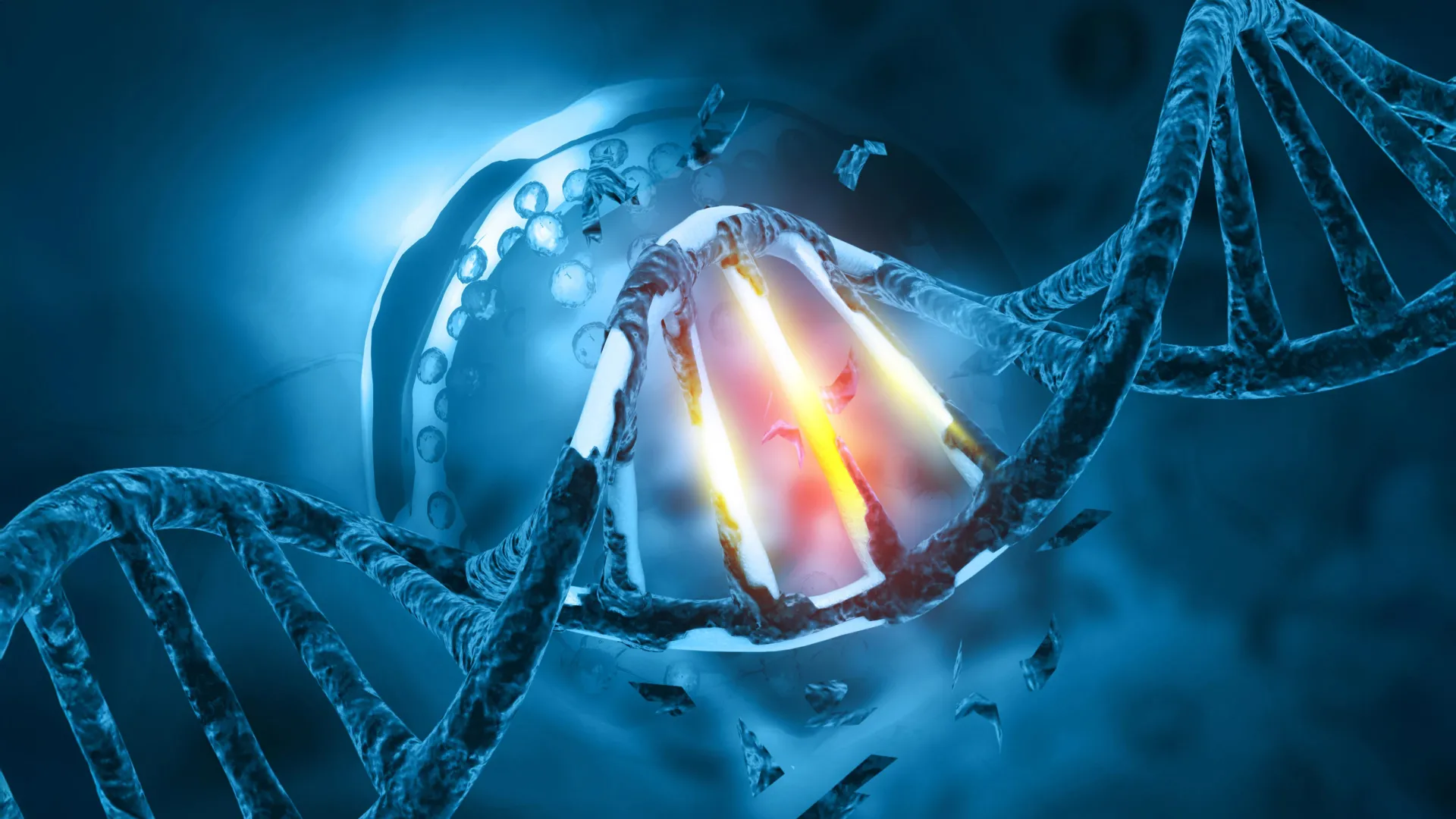
The disease is defined by the "swapping" of genetic material between chromosomes. In tRCC, the tail end of the TFE3 gene is fused with the beginning of one of several partner genes, such as PRCC, NONO, or SFPQ. This genetic "chimera" results in the production of fusion proteins that are not present in healthy cells. While the medical community has recognized these fusions as the primary drivers of tRCC for years, the exact biochemical process by which these proteins reprogram a healthy cell into a malignant one remained elusive until this latest Johns Hopkins study.
The Role of Liquid Condensates in Gene Regulation
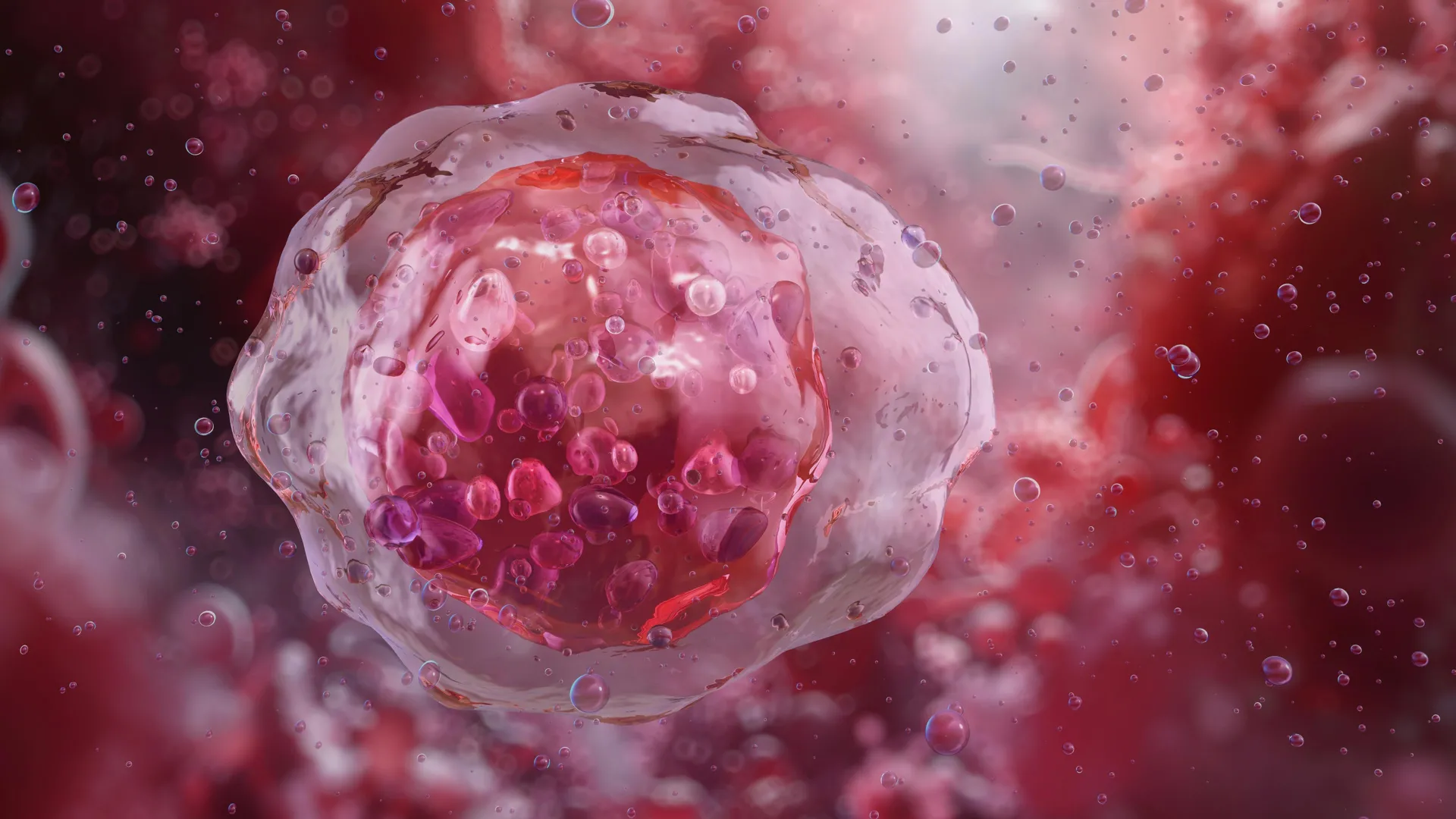
The central discovery of the research team, led by Danfeng "Dani" Cai, Ph.D., an assistant professor of biochemistry and molecular biology, and Eneda Toska, Ph.D., an assistant professor of oncology, revolves around the concept of liquid-liquid phase separation. This is a process similar to oil forming droplets in water, occurring within the dense environment of the cell nucleus.
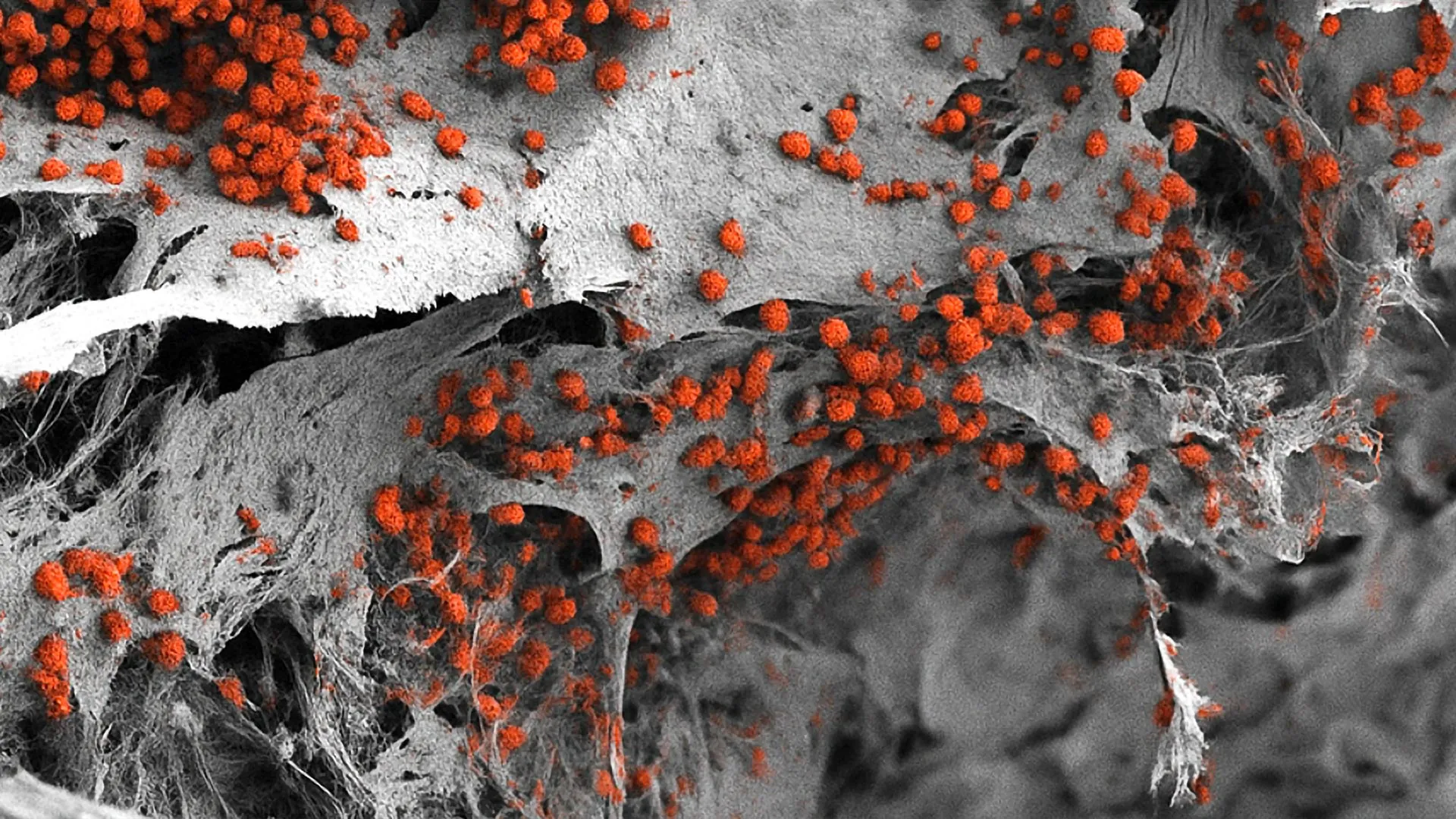
The researchers observed that TFE3 fusion proteins do not float aimlessly within the nucleus. Instead, they congregate to form "condensates"—highly concentrated clusters of molecules that interact in a confined space to execute specific cellular functions. By attaching fluorescent tags to these fusion proteins in cells derived from kidney cancer patients, the team was able to visualize these condensates as distinct "dots" under high-resolution microscopy.
These liquid droplets serve as specialized factories. The study found that the condensates recruit other essential cellular components, including marker proteins found on active genes and the transcriptional machinery required to turn genes "on." By concentrating these elements in one place, the TFE3 fusion proteins can exert powerful control over the cell’s genetic output, forcing the expression of genes that promote rapid cell division and movement.
Experimental Chronology and Methodology
The investigation proceeded through a series of rigorous experimental phases designed to isolate the function of the fusion proteins and identify their vulnerabilities.
- Visualization and Identification: The team first established that the fusion proteins (specifically focusing on NONO-TFE3 and SFPQ-TFE3, which represent about 40% of all tRCC cases) formed condensates in the nuclei of patient-derived cells.
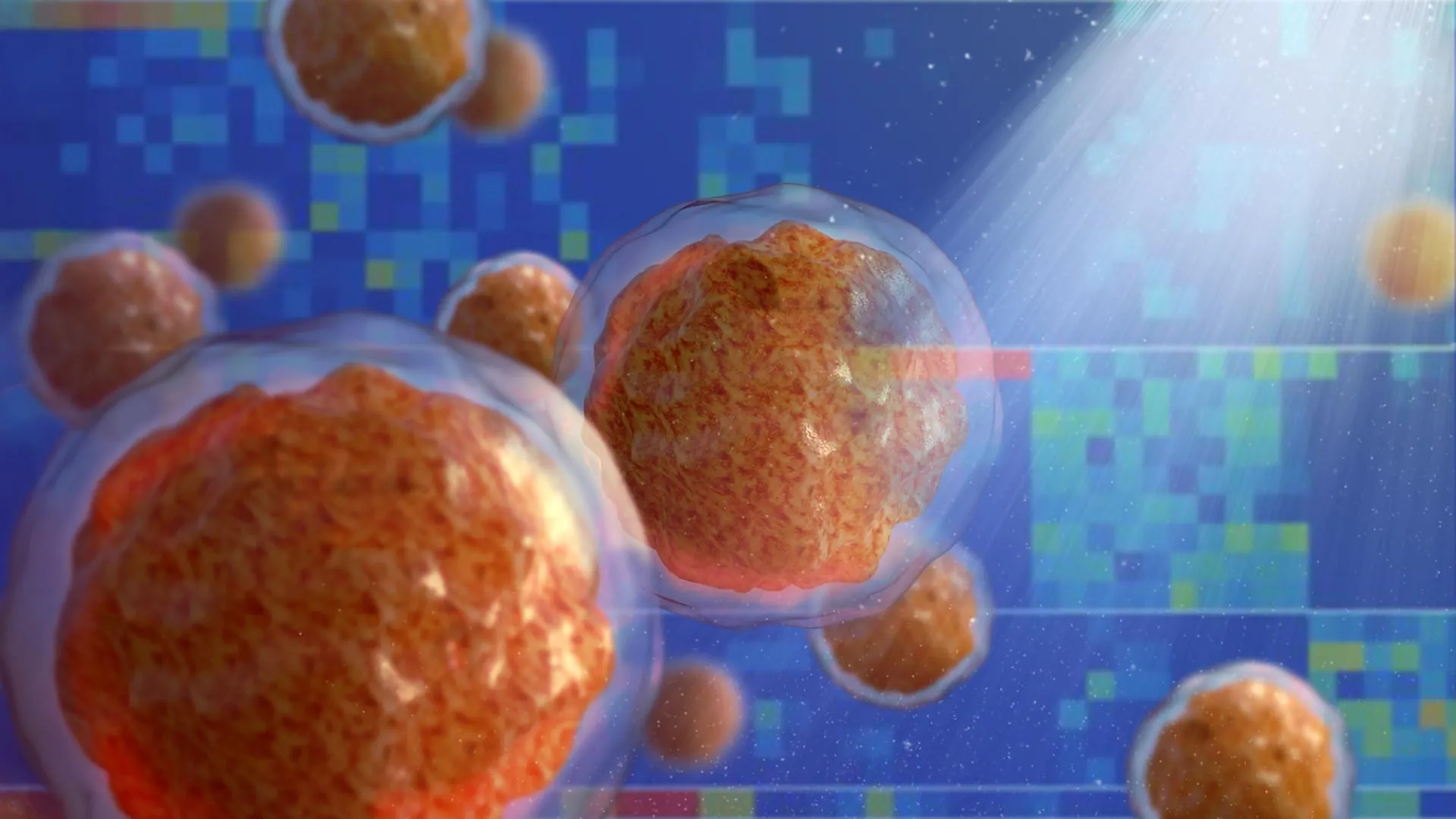
- Mapping the Genomic Landscape: Using advanced genomic sequencing and mapping techniques, the researchers analyzed how these fusion proteins interacted with chromatin—the "beads-on-a-string" structure of DNA and proteins. They discovered that the fusion proteins were not just binding to DNA but were actively remodeling the landscape, opening closed sections of the genome to allow for the transcription of oncogenic (cancer-causing) genes.
- Structural Dissection: To determine what allowed these droplets to form, the researchers used gene-editing tools to remove various segments of the TFE3 fusion proteins. They identified a specific "coiled-coil" domain—a structural motif where protein strands wrap around each other—as the critical link.
- Functional Validation: When this coiled-coil segment was removed, the proteins lost their ability to form liquid droplets. Consequently, the activation of cancer-promoting genes ceased, and the proteins were no longer able to drive the malignant characteristics of the cells.
This systematic approach allowed the team to prove that the physical state of the protein—its existence as a liquid droplet—is as important as its genetic sequence in driving the disease.
Supporting Data and Chromatin Remodeling
A key aspect of the study’s findings is the interaction between fusion proteins and the chemical modifications of chromatin. In a healthy cell, DNA is tightly wound in some areas (turning genes off) and loosely packed in others (allowing genes to be on). The Johns Hopkins team found that TFE3 fusion proteins possess an enhanced ability to modify these chemical "tags" on the chromatin.
"We found that these fusion proteins open and close different sites on the chromatin by making chemical modifications," explained Dr. Eneda Toska. "They bind, regulate and redesign the chromosome landscape, interacting with target genes that promote cell proliferation and movement."
This "redesign" of the chromosome landscape is what gives the cancer its aggressive edge. The study noted that while the individual components of the fusions—the full-length TFE3, NONO, and SFPQ proteins—are involved in normal gene regulation, their fusion creates a "super-regulator" with far more potent activity than the individual parts combined.
Implications for Therapy and Broader Oncology
The discovery of the liquid condensate mechanism has profound implications for the future of cancer treatment. Currently, translocation renal cell carcinoma lacks a dedicated standard of care. Patients are often treated with therapies designed for more common types of kidney cancer, such as vascular endothelial growth factor (VEGF) inhibitors or immune checkpoint inhibitors, but these treatments often yield inconsistent results in tRCC patients.
By identifying the liquid droplets as the "engine room" of the cancer, the researchers have provided a new target for drug discovery. The goal for future research is to identify small molecules or pharmacological agents that can penetrate the nucleus and dissolve these condensates or prevent them from forming in the first place.
Furthermore, the implications of this study extend beyond kidney cancer. Dr. Cai noted that other malignancies, including Ewing sarcoma (a bone and soft tissue cancer) and certain types of leukemia, are also driven by fusion genes. "It’s possible that these fusion genes form similar droplets, or condensates, that regulate genes in these cancers and could react to similar treatment strategies," Cai stated. This suggests that the "condensate-disruption" strategy could become a new pillar of precision medicine across various fusion-driven pediatric and adult cancers.
Institutional Support and Collaborative Effort
The research was a collaborative effort involving experts from the Johns Hopkins Bloomberg School of Public Health, the Johns Hopkins University School of Medicine, and the National Cancer Institute (NCI). The study was supported by a wide array of grants, reflecting the high priority placed on finding solutions for rare cancers.
Funding sources included:
- The National Institutes of Health (NIH) National Institute of General Medical Sciences.
- The National Cancer Institute (NCI).
- The National Human Genome Research Institute.
- A Department of Defense Kidney Cancer Idea Development Award.
- The Jayne Koskinas Ted Giovanis Foundation.
- The Johns Hopkins Provost Catalyst Award.
The diverse authorship list, including researchers such as Choon Leng So, Ye Jin Lee, and W. Marston Linehan of the NCI, underscores the complexity of the study, which required expertise in biochemistry, oncology, and computational biology.
Future Directions in Research
The Johns Hopkins team is now moving toward the next phase of their investigation. This involves screening for other molecular components that reside within the TFE3 condensates. By understanding the full "inventory" of these droplets, they hope to find more "chinks in the armor"—vulnerabilities that can be exploited by existing drugs or new compounds.
The transition from basic molecular biology to clinical application is often long, but the identification of a specific structural domain (the coiled-coil) and a physical mechanism (phase separation) provides a much clearer roadmap than was previously available. If successful, this research could lead to the first targeted therapy specifically engineered to counteract the genetic "glitch" that defines translocation renal cell carcinoma.
In the broader context of oncology, this study reinforces the shifting paradigm of "structural biology" in cancer. It suggests that researchers must look not only at the presence of mutated genes but also at how the resulting proteins physically organize themselves within the three-dimensional space of the cell. As scientists continue to map the "condensate landscape" of various cancers, the hope is that rare and difficult-to-treat diseases like tRCC will finally have effective, evidence-based therapeutic options.