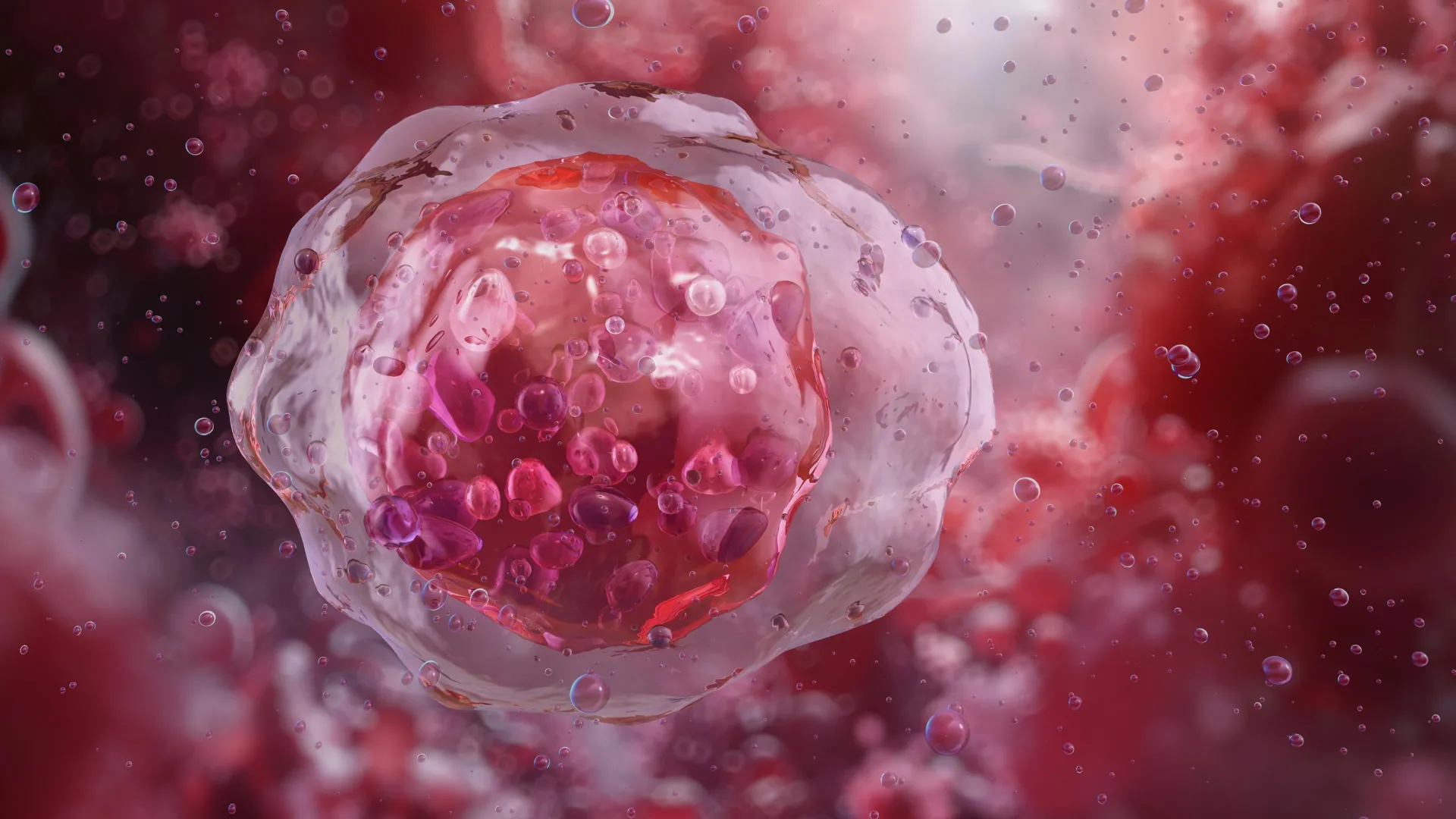
A groundbreaking study led by researchers at the Wellcome Sanger Institute has fundamentally altered the scientific understanding of how chronic myeloid leukemia (CML) develops, revealing that the cancer undergoes a period of explosive growth years before a clinical diagnosis is ever made. The research, published on April 9 in the journal Nature, utilizes advanced whole-genome sequencing to map the "ancestral family trees" of cancer cells, providing a high-resolution look at the life cycle of the disease. The findings indicate that while most cancers develop slowly over several decades through the accumulation of numerous genetic mutations, CML is a biological outlier, driven by a single, powerful genetic fusion that can cause cell populations to expand by over 100,000 percent annually.
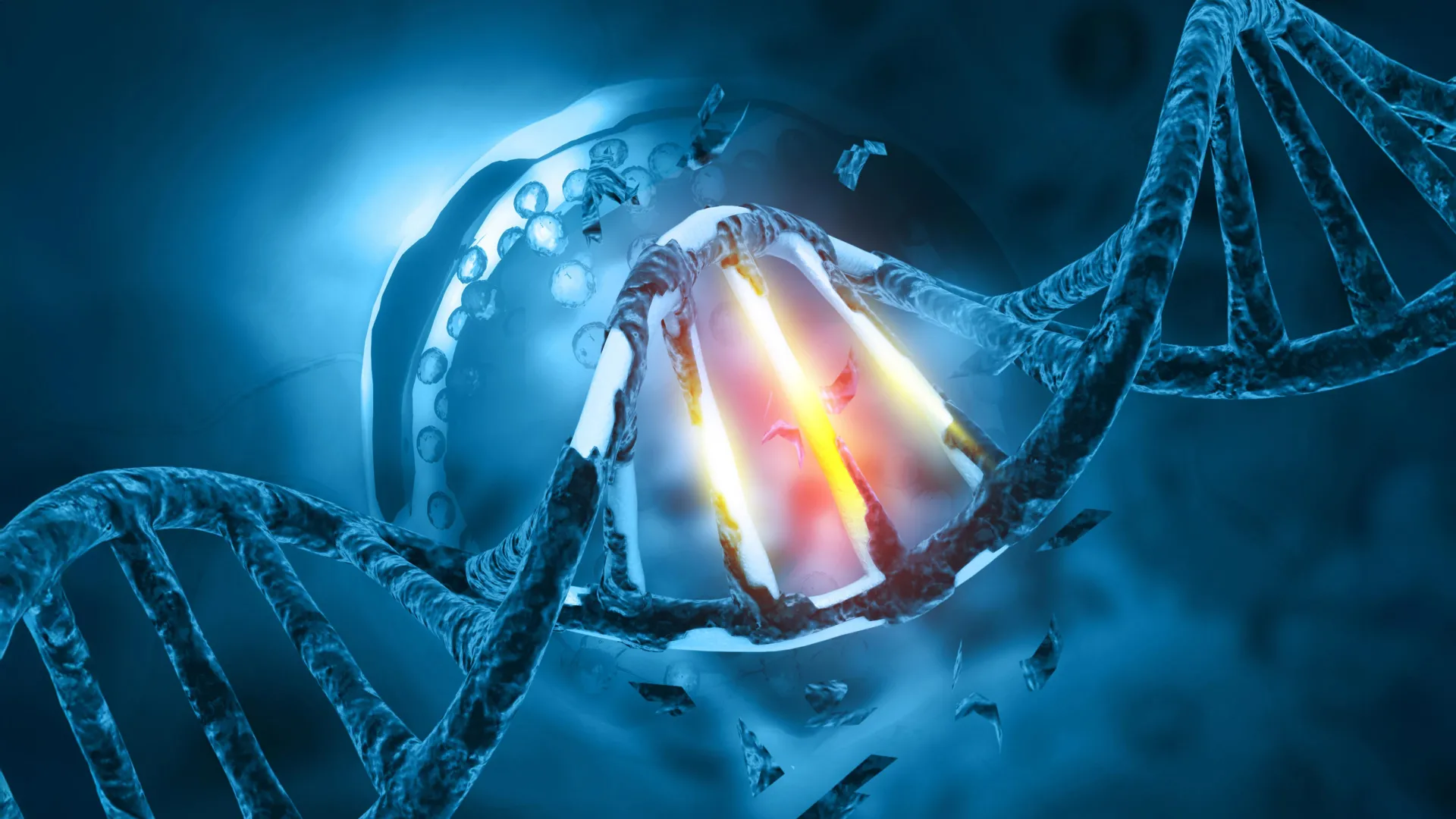
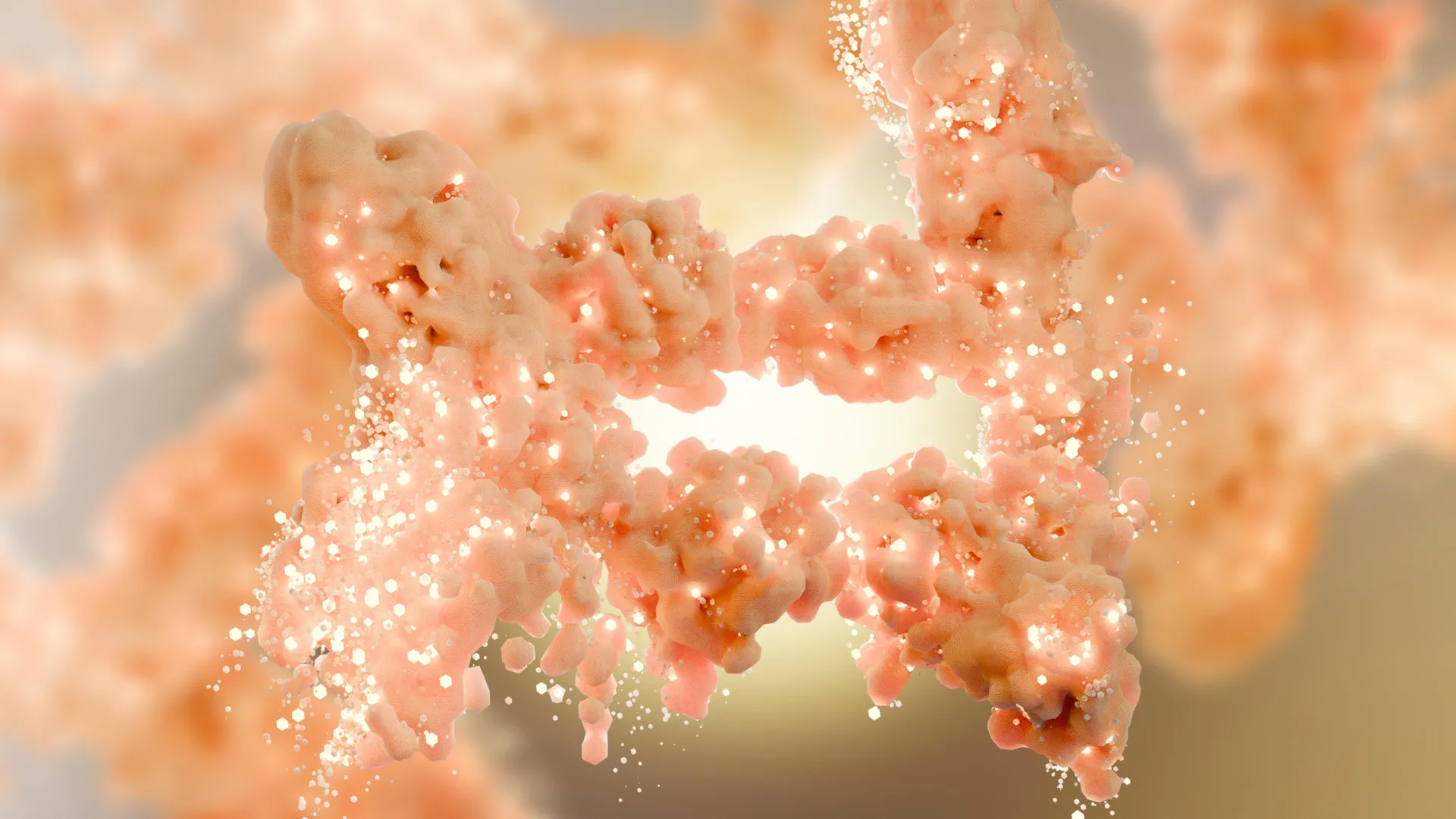
Chronic myeloid leukemia is a rare but serious form of cancer that originates in the bone marrow and affects the production of white blood cells. For decades, the primary driver of CML has been identified as the "Philadelphia chromosome," a specific genetic abnormality resulting from the fusion of the BCR gene on chromosome 22 and the ABL1 gene on chromosome 9. This fusion creates the BCR::ABL1 oncogene, which produces a tyrosine kinase protein that remains permanently "on," signaling the marrow to produce an uncontrollable number of abnormal white blood cells. While the existence of this fusion has been known since the 1960s, the precise timeline of when it occurs in a patient’s life and how quickly the resulting clones proliferate remained a mystery until now.
Mapping the Genetic Ancestry of Leukemia Cells
To uncover the hidden history of CML, the research team analyzed over 1,000 whole genomes derived from single blood cells of nine patients. The participants ranged in age from 22 to 81, providing a broad demographic spectrum for the study. By examining the unique somatic mutations that accumulate naturally in cells over time, the researchers were able to construct phylogenetic trees. These trees serve as a biological clock, allowing scientists to trace the lineage of cancer cells back to the exact moment the BCR::ABL1 fusion first occurred.
The data revealed that the initial genetic "spark" for CML typically takes place between three and 14 years before the patient presents with symptoms or receives a diagnosis. This window is significantly shorter than the lead-up times observed in many solid tumors or other hematological malignancies, which often gestate for 30 years or more. Once the BCR::ABL1 fusion gene is formed, the study found that the growth of the resulting tumor clones is remarkably aggressive. In some instances, the growth rate exceeded 100,000 percent per year, a velocity that explains the sudden and often overwhelming onset of the disease in the clinical setting.
The Power of a Single Mutation
One of the most striking revelations of the study is the singular potency of the BCR::ABL1 fusion gene. In the majority of cancers, such as lung, colon, or breast cancer, a cell must undergo a series of "hits"—multiple independent genetic mutations—before it becomes truly malignant and begins to outcompete healthy cells. This multi-step process is why cancer risk typically increases significantly with age.
However, the Sanger Institute research demonstrates that in CML, the BCR::ABL1 fusion is often the only major driver required. This single genetic event provides such a profound competitive advantage to the affected blood cells that they immediately begin to dominate the bone marrow environment. This "one-hit" mechanism sets CML apart as a unique model for oncogenesis, highlighting how a single chromosomal translocation can bypass the traditional barriers to tumor development.
Age-Related Growth Dynamics and Treatment Resistance
The study further explored how a patient’s age at the time of the genetic fusion influences the trajectory of the disease. Interestingly, the researchers discovered that the growth rates of cancerous cells were significantly higher in younger patients compared to older ones. This suggests that the internal environment of the bone marrow in younger individuals may be more conducive to the rapid expansion of these specific clones, or that the cells themselves possess a higher proliferative capacity.
This variation in growth rates has profound implications for treatment. Currently, the standard of care for CML involves Tyrosine Kinase Inhibitors (TKIs), such as imatinib. These drugs have transformed CML from a terminal illness into a manageable chronic condition for the majority of patients by specifically targeting the protein produced by the BCR::ABL1 gene. However, approximately 20 percent of patients do not respond optimally to TKI therapy, or they develop resistance over time.
The researchers found a direct correlation between the growth rate of the leukemia and the efficacy of TKI treatment. Patients whose cancer cells exhibited the fastest growth rates were the least likely to achieve a deep molecular response to standard inhibitors. This discovery provides a potential new biomarker for clinicians; by understanding the growth velocity of a patient’s specific leukemia, doctors may be able to identify high-risk individuals earlier and tailor treatment regimens accordingly, perhaps opting for more aggressive or second-generation TKIs from the outset.
Validating Results with the All of Us Cohort
To ensure their findings were not limited to a small clinical sample, the team cross-referenced their data with the "All of Us" Research Program, a massive longitudinal study in the United States involving over 200,000 participants. They searched this vast database for individuals who carried the BCR::ABL1 fusion but had not yet been diagnosed with leukemia.
The results from the "All of Us" cohort reinforced the study’s conclusions. The researchers found that the presence of the BCR::ABL1 fusion gene in the blood is almost always a precursor to a clinical diagnosis of a blood disorder. Unlike some other genetic mutations associated with "clonal hematopoiesis"—where mutated cells exist in healthy people without ever causing disease—the BCR::ABL1 fusion appears to be a definitive marker of impending malignancy. This suggests that the expansion of these clones is nearly inevitable once the fusion occurs, leaving little room for "silent" or benign carriers of the Philadelphia chromosome.
Expert Reactions and the Path Forward
The scientific community has reacted with optimism to the study’s findings, noting that the ability to reconstruct the life history of a tumor opens new doors for precision oncology. Dr. Aleksandra Kamizela, a co-first author of the study and a resident doctor at Lister Hospital, emphasized the gap between current diagnostic tools and the level of detail provided by whole-genome sequencing.
"In a clinical setting, healthcare professionals will perform a reverse transcription polymerase chain reaction (RT-PCR) test to measure a patient’s response to CML treatment," Dr. Kamizela explained. "However, they are not able to routinely see differences in the genetic cause of CML in patients at the DNA level, which we have been able to highlight in our study. Our findings provide a rationale to look at the rate of cancer growth more closely in future studies in order to understand if we can use such information in a clinical setting."
Dr. Jyoti Nangalia, the study’s senior author and a hematologist at the University of Cambridge, highlighted the unique nature of CML compared to the broader landscape of oncology. "What our study suggests is that chronic myeloid leukemia is an outlier compared to other cancers—both solid tumors and other blood cancers," Dr. Nangalia stated. "We have shown that chronic myeloid leukemia cells undergo incredibly rapid growth within a few years to a decade before diagnosis, whereas for most cancers, the timeline from start to clinical presentation is several decades. This work paves the way to understanding how we might optimize treatment for those patients that currently respond poorly."
Broader Implications for Cancer Research
The implications of this research extend beyond CML. By proving that single-cell whole-genome sequencing can accurately reconstruct the timeline of a cancer’s evolution, the Sanger Institute has provided a roadmap for studying other types of leukemia and solid tumors. If researchers can identify the "incubation period" for other cancers, it may lead to earlier detection strategies or the development of preventative interventions during the window between the first mutation and the onset of symptoms.
Furthermore, the study challenges the traditional view of cancer as a slow, inevitable accumulation of damage. In the case of CML, it is a sudden, explosive transformation. This shifts the focus of research toward understanding why certain genetic fusions are so much more potent than others and how the biological environment of the bone marrow facilitates such extreme growth.
As the medical community moves toward a more personalized approach to healthcare, the integration of evolutionary dynamics—the "how fast" and "when" of cancer—into clinical decision-making could be the next frontier. For patients with chronic myeloid leukemia, these insights offer the hope of more accurate prognoses and a better understanding of why their bodies respond to treatment in specific ways, ultimately leading to more effective, individualized care.