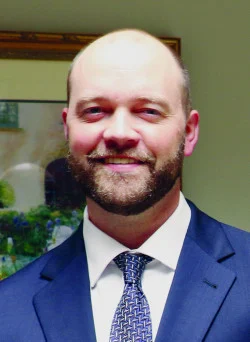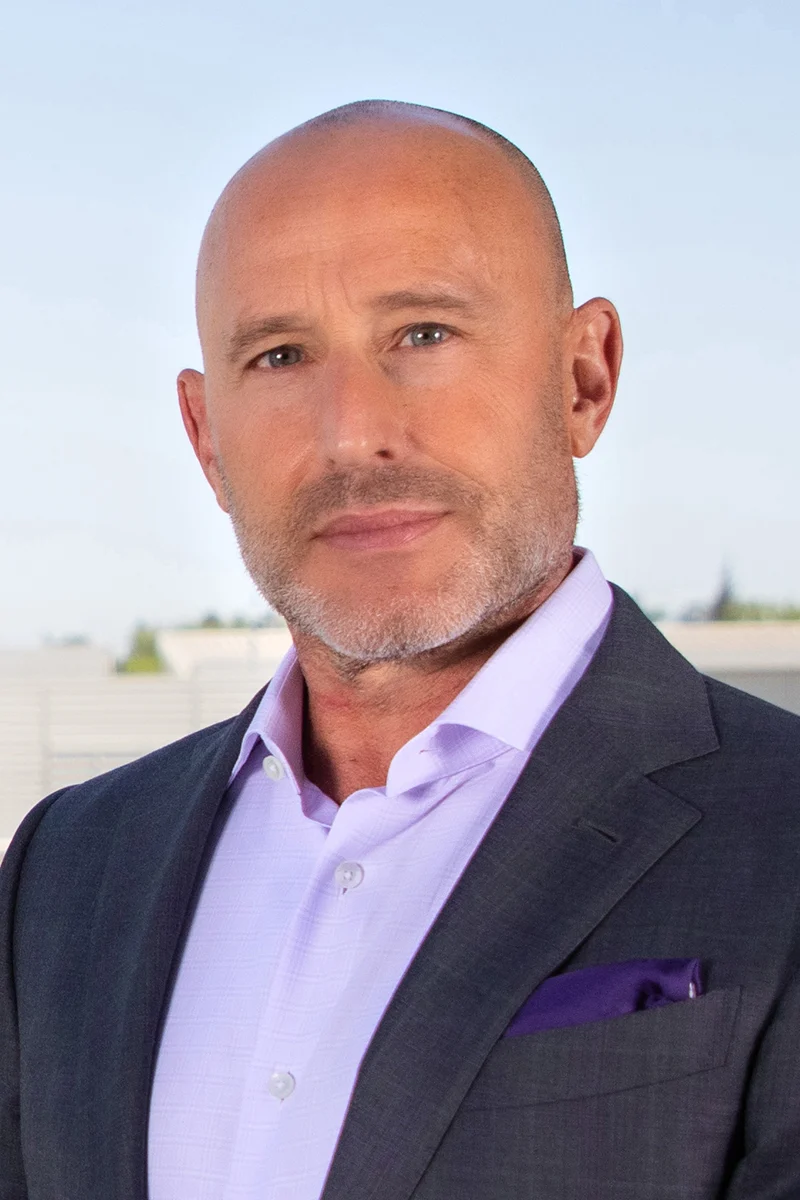
The pronouncement by Mitchell H. Katz, MD, president and CEO of NYC Health + Hospitals, the largest public healthcare system in the United States, signals a potentially transformative shift in medical diagnostics. Dr. Katz recently articulated his system’s readiness to deploy artificial intelligence (AI) for interpreting imaging studies, such as mammograms and X-rays, once existing regulatory frameworks are adequately addressed. This bold vision, shared during a Crain’s New York Business panel, positions AI as a primary tool for cost reduction and efficiency enhancement amid escalating demand for diagnostic services and persistent workforce challenges. The implications of such a move extend far beyond radiology, prompting critical evaluation within clinical laboratories, which face analogous pressures to streamline operations and reduce reliance on highly specialized human expertise.
The Economic Imperative Driving AI Adoption in Healthcare
Healthcare systems globally are grappling with a complex confluence of rising operational costs, mounting labor expenses, and an increasing scarcity of specialized medical professionals. In the U.S., healthcare expenditures continue to climb, projected to reach $7.2 trillion by 2031, representing nearly 20% of the Gross Domestic Product. Labor costs, particularly for highly trained specialists, constitute a significant portion of these expenditures. Concurrently, the demand for diagnostic imaging services has surged, driven by an aging population, increased awareness, and technological advancements in detection. The American College of Radiology (ACR) has consistently highlighted a growing shortage of radiologists, exacerbated by burnout and an aging workforce.
It is against this backdrop that leaders like Dr. Katz view AI not merely as an assistive technology but as a strategic solution to these systemic pressures. "We could replace a great deal of radiologists with AI at this moment, if we are ready to do the regulatory challenge," Katz stated, underscoring the perceived current capabilities of AI in interpreting medical images. This perspective is rooted in the promise of AI to automate repetitive, high-volume tasks, thereby freeing up human specialists for more complex cases and potentially expanding access to care in underserved areas.
AI as a Workflow Transformation Strategy: From Radiology to Clinical Labs
The proposed model envisions a paradigm shift where AI assumes the initial interpretative role, flagging abnormalities for secondary review by human radiologists. This "AI-first, specialist-second" approach is particularly attractive for high-volume screenings, such as mammography, where early detection is paramount and efficiency gains could be substantial. Dr. Katz specifically cited the potential to expand access to breast cancer screenings while simultaneously lowering operational costs.
This strategic pivot in radiology holds significant parallels for clinical laboratories. The lab sector is already witnessing a robust trend toward automation in various disciplines, including hematology, microbiology, and molecular diagnostics. Digital pathology, for instance, involves digitizing glass slides for AI-assisted analysis, mirroring the move from physical films to digital images in radiology. AI is increasingly being explored for automated test interpretation, quality control, and even in triaging samples, aiming to reduce manual review and accelerate turnaround times. If radiology successfully adopts an AI-centric model with reduced human oversight, it could set a powerful precedent for regulators and administrators to push for similar implementations across laboratory medicine, impacting everything from routine blood tests to complex genomic analyses. The global market for AI in healthcare, valued at approximately $11 billion in 2021, is projected to grow exponentially, reaching over $187 billion by 2030, with diagnostics being a major driver of this expansion.
Early Successes and the Quest for Validation
The concept of AI outperforming human capabilities in specific diagnostic tasks is not entirely theoretical. David Lubarsky, MD, MBA, CEO of Westchester Medical Center Health Network, offered compelling evidence of AI-assisted mammography interpretation in his organization. He noted, "For women who aren’t considered high risk, if the test comes back negative, it’s wrong only about 3 times out of 10,000," adding that the technology is "actually better than human beings" in these specific low-risk contexts. Such performance metrics, if widely reproducible and validated, bolster the arguments of proponents like Dr. Katz, suggesting that AI is not just a cost-cutting tool but also a potential enhancer of diagnostic accuracy in certain defined scenarios.
The historical trajectory of AI in medical imaging began with computer-aided detection (CAD) systems in the 1990s, primarily used as a "second reader" to assist radiologists. However, the advent of deep learning and neural networks in the past decade has dramatically increased AI’s analytical power, enabling it to process vast datasets and identify subtle patterns with unprecedented precision. This evolution is what fuels the current debate about AI’s readiness for independent interpretation.
The Regulatory Conundrum: Paving the Way for Autonomous AI

A critical hurdle for widespread AI adoption in diagnostics is the regulatory landscape. Dr. Katz’s statement explicitly acknowledged the "regulatory challenge" that must be overcome. Currently, most AI tools approved by the U.S. Food and Drug Administration (FDA) for medical imaging are designed to assist, not replace, human clinicians. They act as decision-support systems, triage tools, or quantification aids, with the final diagnostic responsibility resting with a physician.
The question Dr. Katz raises is whether regulations should evolve to permit AI to interpret imaging independently. This would necessitate a re-evaluation of current medical device classifications, liability frameworks, and the definition of medical practice itself. Such a shift would likely require extensive clinical trials demonstrating non-inferiority or even superiority of AI to human performance across diverse patient populations, rigorous cybersecurity standards, and transparent accountability mechanisms for AI errors. The FDA has shown a willingness to adapt, issuing guidance on AI and machine learning-enabled medical devices, but moving towards fully autonomous AI diagnosis represents a monumental regulatory undertaking that could establish a significant precedent for how AI is governed in all aspects of laboratory medicine.
Pushback and Safety Concerns: The Voice of the Skeptics
Despite the enthusiasm from some hospital administrators, the prospect of AI independently replacing human radiologists has met with significant professional resistance and alarm. Many healthcare professionals, particularly those on the front lines of diagnostics, warn that current AI tools are not yet mature enough for autonomous clinical use, emphasizing the inherent complexities and nuances of medical interpretation that AI may miss.
Mohammed Suhail, MD, of North Coast Imaging, articulated this skepticism forcefully: "Undeniable proof that confidently uninformed hospital administrators are a danger to patients: easily duped by AI companies that are nowhere near capable of providing patient care." Dr. Suhail further cautioned, "Any attempt to implement AI-only reads would immediately result in patient harm and death, and only someone with zero understanding of radiology would say something so naive."
These strong reactions highlight several critical concerns:
- Diagnostic Nuance: Radiologists argue that interpreting images involves more than pattern recognition; it requires clinical context, patient history, and an understanding of atypical presentations that AI might struggle with.
- Error Modes: While AI can achieve high accuracy in specific tasks, its failure modes can be unpredictable and potentially catastrophic. AI may miss rare but critical findings, misinterpret artifacts, or be biased by the data it was trained on.
- Accountability and Liability: In the event of an AI misdiagnosis leading to patient harm, who is ultimately responsible? The AI developer, the hospital administrator, or the supervising physician? Clear legal and ethical frameworks are largely absent.
- Patient Trust: The psychological impact of receiving a diagnosis from a machine, rather than a human physician, raises questions about patient comfort and trust in the healthcare system.
- The "Black Box" Problem: Many advanced AI models operate as "black boxes," where their decision-making process is not transparent or easily explainable, making it difficult to understand why a particular diagnosis was rendered.
The American College of Radiology (ACR) has generally adopted a more cautious stance, advocating for AI tools that augment, rather than replace, human expertise, emphasizing the critical role of radiologists in overseeing AI and maintaining diagnostic quality.
Broader Implications for the Diagnostics Industry: Workforce, Ethics, and Quality
The debate ignited by Dr. Katz’s statements is a harbinger of what lies ahead for the entire diagnostics industry. As health systems experiment with AI-driven models in radiology, clinical laboratories will undoubtedly face similar pressures to leverage automation for cost savings and efficiency. This will necessitate a robust defense of the continued role of expert oversight in ensuring quality and patient safety.
The potential implications extend to:
- Workforce Transformation: Rather than outright replacement, the future likely involves a redefinition of roles. Radiologists and clinical lab professionals may shift from primary interpreters to supervisors of AI, validating its findings, handling complex cases, and focusing on patient consultation. This requires significant upskilling and retraining.
- Ethical Considerations: Beyond accountability, issues of algorithmic bias (where AI performs less accurately on certain demographic groups due to biased training data) and data privacy become paramount.
- Quality Assurance: New frameworks will be needed to validate AI performance continually, monitor for drift over time, and ensure that efficiency gains do not come at the expense of diagnostic accuracy.
- Investment and Innovation: The push for AI integration will spur massive investment in AI research, development, and implementation within healthcare, fostering a new ecosystem of specialized technology providers.
Ultimately, the integration of AI into diagnostics represents a profound transformation. While the allure of "major savings" and expanded access to care is undeniable, the journey toward autonomous AI in healthcare is fraught with technical, regulatory, ethical, and professional challenges. The ongoing dialogue between visionary leaders, cautious regulators, and skeptical clinicians will shape the trajectory of this revolution, determining how AI can best serve patients without compromising the foundational principles of safety, quality, and humanistic care.