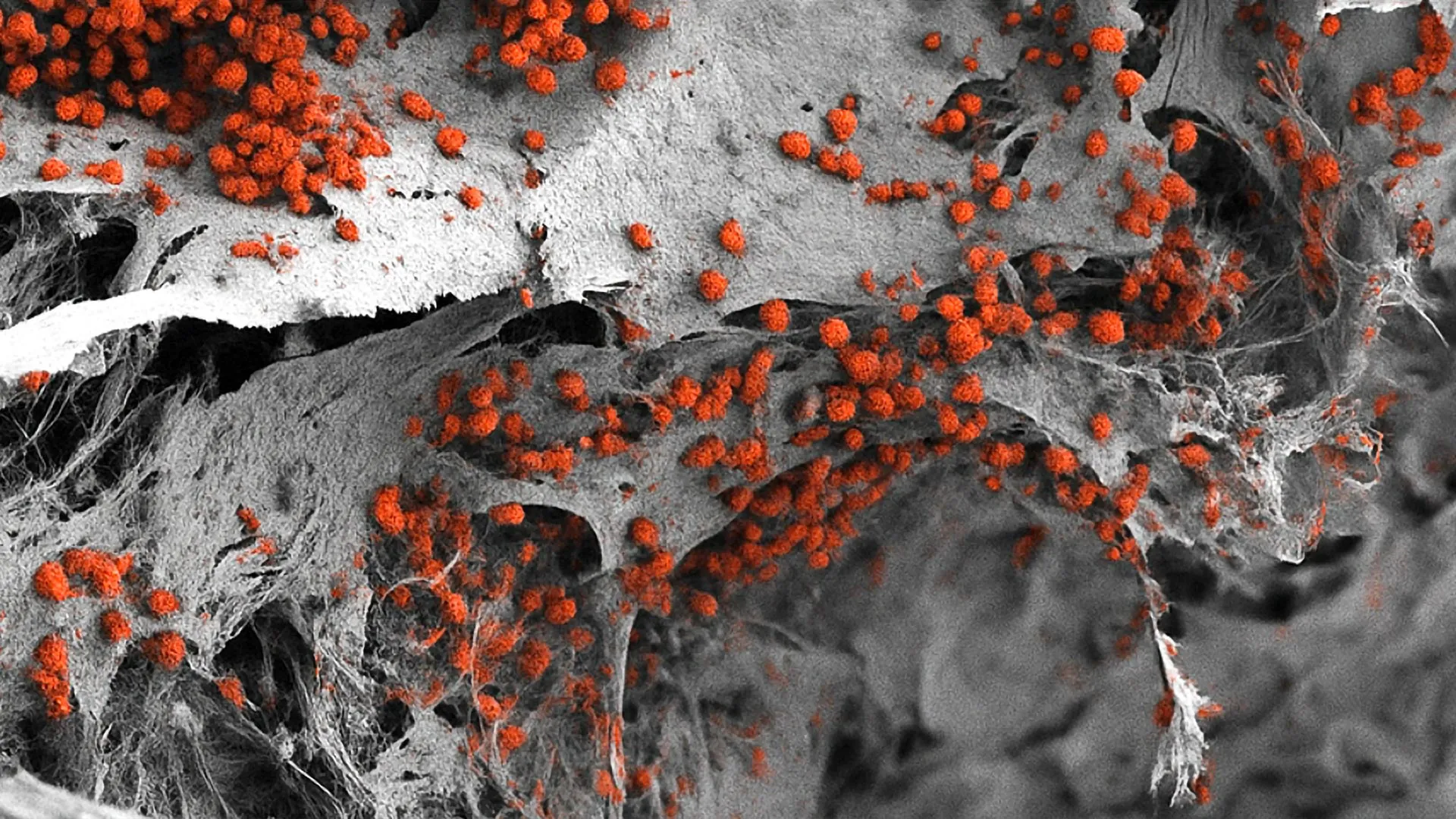
The landscape of regenerative medicine has been fundamentally altered by a new discovery identifying a single molecular switch that dictates the ability of blood stem cells to transition from a dormant state to an active, regenerative one. In a comprehensive preclinical study led by investigators at Weill Cornell Medicine and published in the journal Nature Immunology, researchers have pinpointed the DNA transcription-regulating protein FLI-1 as the critical factor in this process. This breakthrough provides a potential solution to one of the most persistent challenges in hematology: how to effectively mobilize and expand blood stem cells for bone marrow transplants and advanced gene therapies without compromising their long-term health or safety.
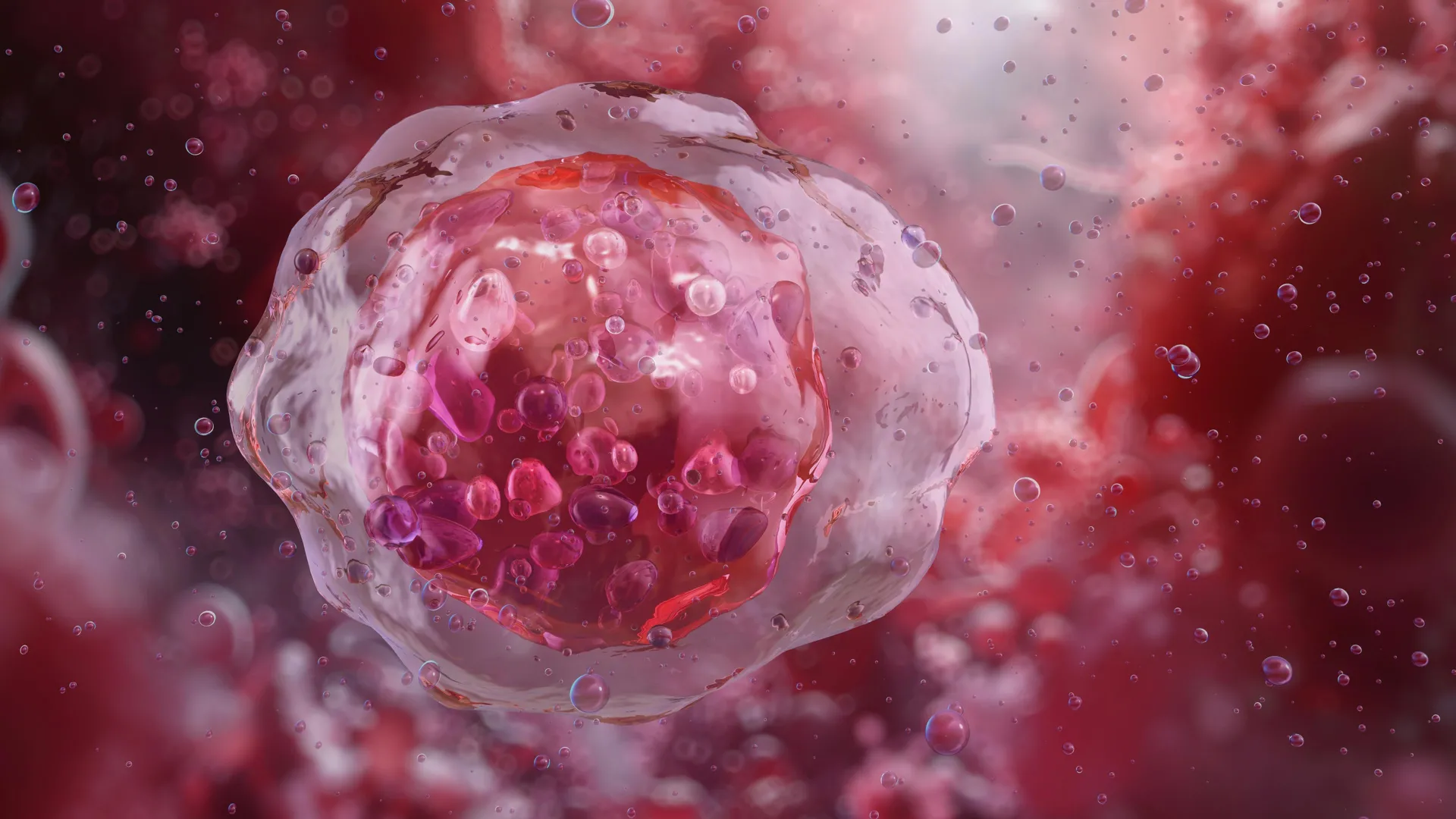
Stem cells, the body’s raw materials from which all other cells with specialized functions are generated, serve as a foundational internal repair system. In the blood-forming (hematopoietic) system, these cells typically reside in the bone marrow in a state known as quiescence. In this "hibernation" phase, they divide very slowly, a mechanism that protects them from genetic damage and exhaustion. However, when the body faces injury, infection, or severe blood loss, these cells must "wake up" and enter an activated state to rapidly multiply and differentiate into mature, functional red blood cells, white blood cells, and platelets. Until now, the precise molecular mechanism that triggers this transition—and facilitates the necessary interaction between stem cells and their surrounding environment—remained largely elusive.
The Biological Catalyst: Understanding the Role of FLI-1
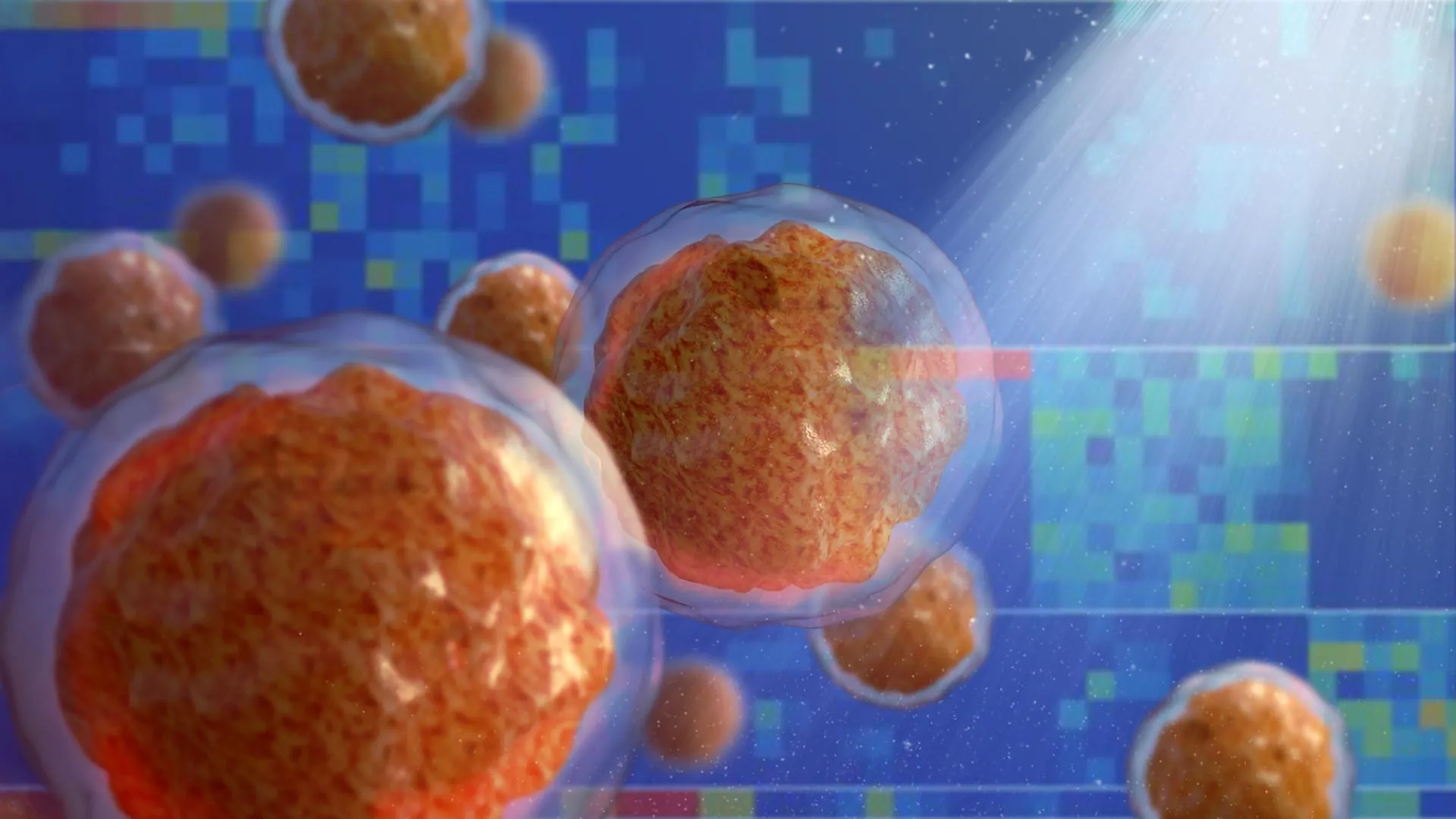
The research team, led by Dr. Shahin Rafii, director of the Hartman Institute for Therapeutic Organ Regeneration and the Ansary Stem Cell Institute at Weill Cornell Medicine, utilized high-resolution single-cell profiling to compare the genetic landscapes of quiescent and activated blood stem cells. Their analysis led them to FLI-1, a member of the ETS family of transcription factors. Transcription factors are proteins that act as master switches, turning thousands of genes on or off simultaneously to dictate a cell’s behavior and identity.
The study revealed that FLI-1 is the primary driver of the regenerative response. When FLI-1 is absent or inactive, blood stem cells remain locked in their quiescent state, unable to respond to the body’s needs for new blood production. Crucially, the researchers discovered that FLI-1 does not act in isolation. Its activity is essential for the stem cells to interact with their "vascular niche"—the specialized network of endothelial cells that line the blood vessels within the bone marrow. These endothelial cells provide the necessary signals and nutrients to support stem cell growth. FLI-1 essentially "re-wires" the stem cells, allowing them to dock with and respond to the vascular niche, thereby facilitating rapid expansion and maturation.
Overcoming the Limitations of Modern Bone Marrow Transplants
Bone marrow transplantation remains a cornerstone of treatment for various blood cancers, such as leukemia and lymphoma, as well as certain genetic blood disorders. The procedure involves replacing a patient’s diseased or damaged marrow with healthy blood stem cells. However, the success of these transplants is often limited by the quantity and quality of the available stem cells.
"The approach we outlined in this study could substantially improve the efficiency of marrow transplants and marrow-cell-targeted gene therapies," said Dr. Rafii, who also serves as the Arthur B. Belfer Professor in Genetic Medicine. He noted that the discovery is particularly vital for cases where a donor provides a very limited supply of viable blood stem cells. By transiently activating FLI-1, clinicians could potentially "prime" these cells, ensuring they are ready to engraft and expand immediately upon being infused into the recipient.
Furthermore, many cancer patients undergo chemotherapy or radiation before a transplant, treatments that can damage their own remaining stem cells. These "exhausted" stem cells are notoriously difficult to activate. The identification of FLI-1 offers a pathway to potentially rejuvenate these damaged cells, making autologous transplants (where the patient uses their own cells) more viable and effective.
The mRNA Innovation: Achieving Activation Without Oncogenic Risk
While FLI-1 is essential for healthy regeneration, its overactivity has historically been linked to the development of certain types of leukemia. This presented a significant hurdle: how to harness the regenerative power of FLI-1 without inducing cancer. The Weill Cornell Medicine team addressed this by borrowing a concept from modern vaccine technology.
Rather than permanently altering the stem cells’ DNA to overexpress FLI-1, the researchers developed a method to introduce the protein transiently using modified messenger RNA (mRNA). This is the same technology used in several COVID-19 vaccines to instruct cells to produce a specific protein for a short period. By "pulsing" the blood stem cells with FLI-1 mRNA for just a few days, the researchers were able to wake the cells from hibernation and trigger their expansion.
Dr. Tomer Itkin, study co-first author and director of Tel Aviv University’s Neufeld Cardiovascular Research Institute, emphasized the safety of this approach. "The stem cells we prime with FLI-1 modified mRNA in this way wake up from hibernation, expand and functionally and durably engraft in the recipient host, without any evidence of cancer," he stated. This temporary boost provides the cells with the momentum they need to re-establish the blood system in a new host before the mRNA naturally degrades, leaving the cells’ long-term genetic integrity intact.
Solving the Umbilical Cord Blood Puzzle
The study also provided an answer to a long-standing mystery in hematology: why stem cells derived from umbilical cord blood possess significantly higher regenerative potential than those harvested from adult bone marrow or blood. While cord blood is a rich source of potent stem cells, the total volume of a single cord blood unit is often insufficient for an adult patient, requiring multiple units and increasing the risk of graft-versus-host disease.
The researchers demonstrated that the superior potency of umbilical cord blood stem cells is directly tied to naturally higher levels of FLI-1 activity. These younger cells are inherently better at communicating with the vascular niche. By applying their FLI-1 activation method to adult stem cells, the researchers were able to bridge this gap, essentially "reprogramming" adult cells to exhibit the high-performance regenerative characteristics of neonatal stem cells.
Chronology of Discovery and Computational Integration
The journey to identifying FLI-1 involved years of cross-disciplinary research, combining traditional molecular biology with advanced computational analytics. The timeline of the study highlights the complexity of modern regenerative medicine:
- Initial Hypothesis: The team set out to investigate why some stem cells successfully engraft in transplants while others remain dormant or fail.
- Single-Cell Profiling: Using sophisticated sequencing technologies, the researchers mapped the gene expression patterns of thousands of individual stem cells.
- Target Identification: Computational models identified FLI-1 as the central node in the genetic network responsible for the transition from quiescence to activation.
- Vascular Niche Mapping: The team conducted experiments to observe how stem cells lacking FLI-1 failed to interact with endothelial cells, confirming the "niche-dependency" of the switch.
- mRNA Application: The development of the transient mRNA delivery system was tested in preclinical models to ensure safety and efficacy.
- Publication and Validation: The findings were peer-reviewed and published in Nature Immunology, establishing a new framework for stem cell mobilization.
Sean Houghton, a co-first author and bioinformatics analyst, highlighted the importance of the computational aspect. "We showed that stem cell activity is not autonomous but also is not fully determined by endothelial cell vascular niche signals—it depends instead on signaling and adaptability between the two," Houghton explained. This systems-biology approach allowed the team to see the "conversation" between cells rather than just looking at the stem cells in a vacuum.
Broader Implications for Gene Therapy and Blood Disorders
Beyond transplantation, the implications for gene therapy are profound. Diseases like beta-thalassemia and sickle cell anemia are currently being treated with therapies that involve removing a patient’s stem cells, genetically correcting them in a lab, and then re-infusing them. This process is grueling for the cells, which often lose their regenerative "edge" during the laboratory expansion phase.
By integrating FLI-1 activation into the gene therapy workflow, scientists could potentially expand the corrected stem cells more rapidly and ensure they are in a "prime" state for re-infusion. This would reduce the time the cells spend outside the body and increase the likelihood of a successful, long-term cure.
The research also opens doors for treating various forms of bone marrow failure and cytopenia (low blood cell counts) resulting from chronic illness or aging. As the body ages, the natural "switch" for FLI-1 may become less responsive; understanding how to artificially trigger this switch could lead to new treatments for age-related blood disorders.
Future Directions and Clinical Pathways
The Weill Cornell Medicine team is already looking toward the next phase of development. The transition from preclinical success to human application requires rigorous scaling and safety testing. The researchers plan to refine their modified mRNA-based method to ensure it can be produced at the scale required for clinical trials.
The ultimate goal is a standardized protocol where blood stem cells—whether from a donor, a patient, or a cord blood bank—can be "pulsed" with FLI-1 mRNA as a routine part of the transplant process. If successful, this could significantly lower the threshold for donor compatibility and increase the success rates of one of medicine’s most complex procedures.
"Our approach could set the stage for treating a wide range of blood disorders with long-term stable and safe blood production," the researchers concluded. By mastering the molecular switch that governs the "awakening" of stem cells, science is moving closer to a future where the body’s own regenerative potential can be precisely controlled and directed toward healing.
This research was supported by various branches of the National Institutes of Health, including the National Heart, Lung, and Blood Institute, and received additional funding from the Hartman Institute for Therapeutic Organ Regeneration and the Ansary Stem Cell Institute. As the medical community reviews these findings, the focus turns toward the first human trials, which may redefine the standard of care for blood-borne diseases and regenerative therapy.