The mystery of why the vast majority of the human population favors the right hand has remained one of the most enduring questions in the study of anthropology and evolutionary biology. While many animal species exhibit individual preferences for one limb over another, humans are unique in their extreme population-level bias, with approximately 90% of individuals worldwide identifying as right-handed. A groundbreaking study led by researchers at the University of Oxford has now provided a comprehensive explanation for this phenomenon, identifying a two-stage evolutionary process driven by the transition to upright walking and the subsequent dramatic expansion of the human brain.
The research, recently published in the journal PLOS Biology, represents a significant shift in how scientists understand the lateralization of the human body. By analyzing an extensive dataset of 2,025 primates across 41 different species, the team—led by Dr. Thomas A. Püschel and Rachel M. Hurwitz from Oxford’s School of Anthropology and Museum Ethnography, alongside Professor Chris Venditti from the University of Reading—has mapped the trajectory of handedness from our earliest ancestors to the modern era. Their findings suggest that human right-handedness is not an isolated trait but a byproduct of the very characteristics that define the human lineage.
The Evolutionary Framework of Handedness
For decades, scientists have proposed various theories to explain the prevalence of right-handedness. Some argued it was a result of tool use, while others suggested it was linked to the development of language, which is primarily processed in the brain’s left hemisphere—the same hemisphere that controls the right side of the body. However, these theories often failed to account for why other tool-using primates do not show the same level of population-level bias.
To resolve these conflicting ideas, the Oxford-led team utilized sophisticated Bayesian modeling. This statistical approach allowed the researchers to account for the evolutionary relationships between species, ensuring that their findings were not skewed by shared ancestry. They tested a wide array of variables, including diet, habitat, social structure, body size, and movement patterns. The goal was to see which factors correlated most strongly with the emergence of a dominant hand preference across the primate order.
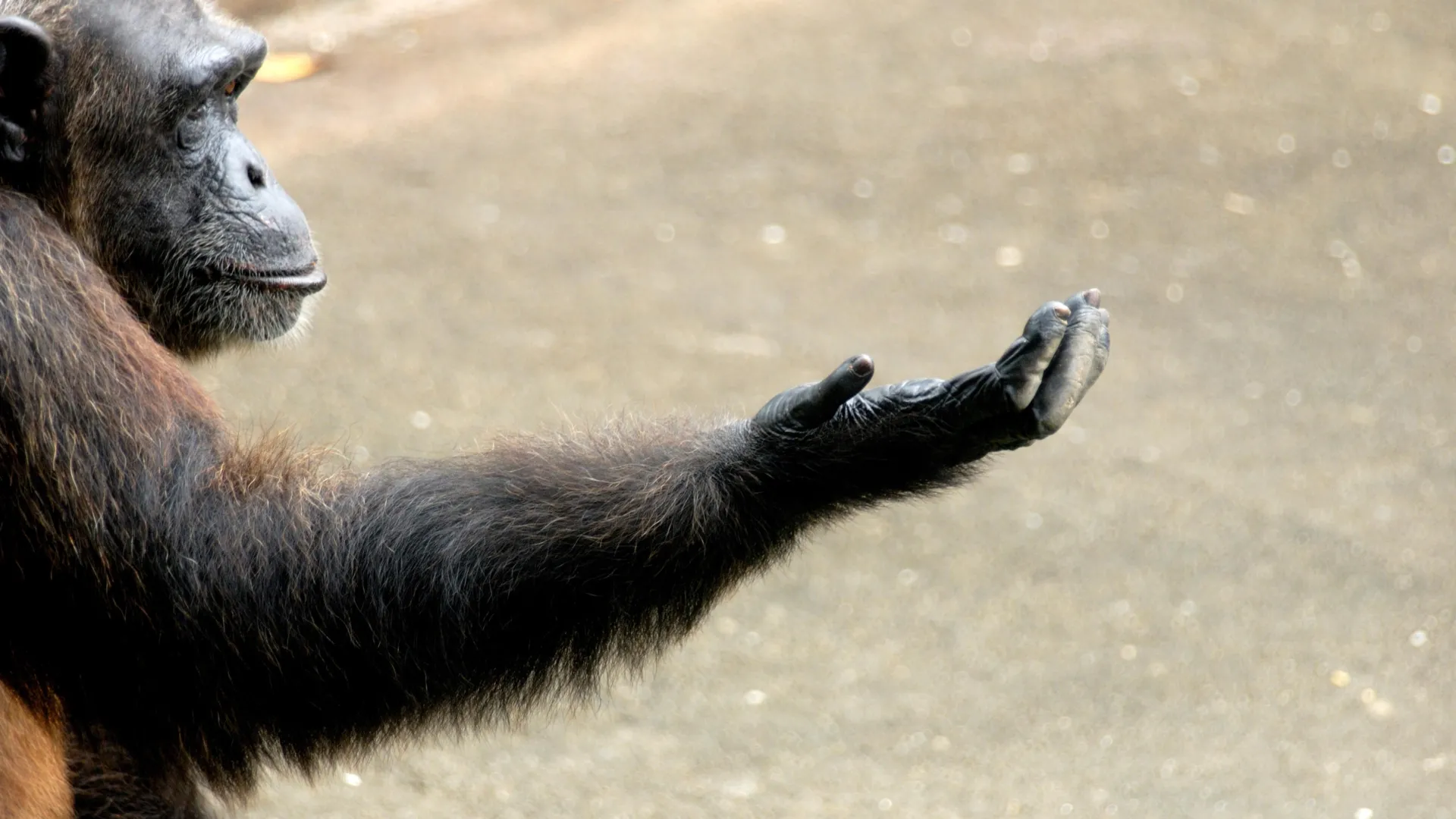
The initial results confirmed that humans were an outlier among primates. While chimpanzees and gorillas show some tendencies toward hand preference in specific tasks, they do not exhibit the near-universal right-side dominance seen in Homo sapiens. However, when the researchers introduced two specific biological markers into their models—brain size and the ratio of arm length to leg length—the "human exception" vanished. The data revealed that humans fit perfectly into a predictable evolutionary trend once these two factors were accounted for.
Bipedalism: Freeing the Hands for Specialization
The first major milestone identified in the study is the transition to bipedalism, or walking upright on two legs. In quadrupedal primates or those that engage in knuckle-walking, the forelimbs are heavily involved in locomotion. This requirement for movement places a premium on symmetry; if one arm were significantly different in strength or function from the other, it could compromise the animal’s ability to travel efficiently or escape predators.
By shifting to a bipedal gait, early human ancestors freed their hands from the demands of movement. This anatomical liberation allowed the hands to become specialized for complex manual tasks, such as foraging, carrying offspring, and eventually, the precision required for tool manufacturing. The Oxford study used the ratio between arm and leg length as a proxy for bipedalism, finding that as species became more specialized for upright walking, the selective pressure for limb symmetry decreased.
This "freedom of the hands" created a biological environment where asymmetry could flourish. Without the need to use both hands for walking, the nervous system could begin to specialize, assigning different types of tasks to different hands to increase efficiency. This set the stage for the first level of hand preference, which the researchers believe was present in a mild form in early hominins.
Brain Expansion and the Logic of Lateralization
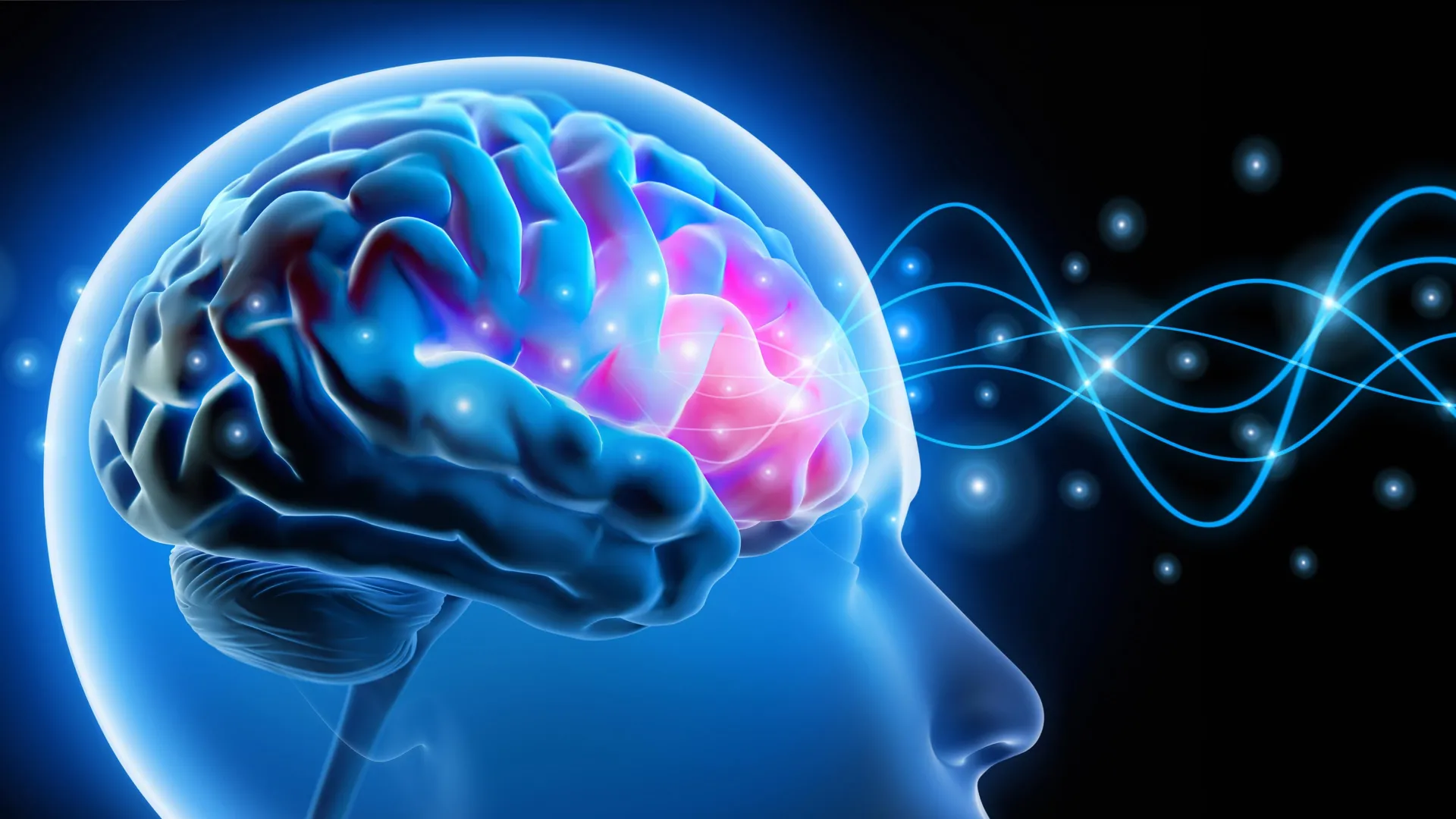
While walking upright provided the opportunity for handedness, it was the dramatic expansion of the human brain that catalyzed the extreme right-hand dominance seen today. The human brain is a metabolically expensive organ, and evolution favors any adaptation that increases its efficiency. One such adaptation is lateralization—the tendency for certain cognitive processes to be specialized to one side of the brain.
As the brains of our ancestors grew larger and more complex, particularly with the emergence of the genus Homo, the need for neural efficiency became paramount. By specializing the left hemisphere for motor control of the dominant hand (and eventually for language), the brain could avoid redundant processing and speed up reaction times.
The study’s data suggests that as brain volume increased, so did the strength of hand preference. This explains why modern humans, who possess the largest brains relative to body size among primates, also possess the most lopsided hand preference. The researchers posit that the left hemisphere’s dominance for fine motor control likely co-evolved with other complex behaviors, creating a feedback loop that reinforced right-handedness across generations.
A Chronology of Handedness in Human Ancestors
The researchers did not limit their study to modern species; they also used their models to estimate the likely hand preferences of extinct human ancestors. This provides a fascinating timeline of how we became "the right-handed ape."
According to the study, early hominins such as Ardipithecus and Australopithecus (the genus to which the famous "Lucy" fossil belongs) likely exhibited only a mild preference for the right hand. Their hand-use patterns were probably similar to those of modern chimpanzees—showing some bias in specific tasks but lacking the overwhelming population-level skew of modern humans. These species were bipedal but still retained many skeletal features adapted for climbing, which necessitated a degree of bilateral symmetry.
The pattern changed significantly with the arrival of the genus Homo. The study predicts that species such as Homo ergaster and Homo erectus, which were fully committed to life on the ground and possessed significantly larger brains, showed a much stronger right-hand bias. By the time of the Neanderthals (Homo neanderthalensis), the right-hand dominance was likely nearly as strong as it is in modern humans. This is supported by archaeological evidence from Neanderthal sites, where wear patterns on teeth (used as a "third hand" during tasks) and the analysis of stone tool flaking suggest a clear right-handed majority.
The "Hobbit" Species: The Exception That Proves the Rule
One of the most intriguing findings of the Oxford study involves Homo floresiensis, the small-bodied hominin discovered on the island of Flores in Indonesia. Often referred to as the "hobbit" due to its diminutive stature and small brain, H. floresiensis presented a unique case for the researchers.
Despite being a member of the genus Homo, the "hobbit" was predicted by the model to have a much weaker right-hand bias than its contemporary relatives. This finding aligns perfectly with the study’s broader hypothesis. Homo floresiensis had a brain size comparable to that of a chimpanzee and retained several primitive physical traits, including arm and leg proportions that suggest it was not as specialized for bipedalism as Homo sapiens.
The weaker hand preference in H. floresiensis suggests that handedness is not a guaranteed trait of the human lineage but is strictly dependent on the combination of brain size and locomotory specialization. This reinforces the idea that the extreme right-handedness of modern humans is a specific result of our unique evolutionary path.
The Persistence of Left-Handedness
While the study explains the rise of right-handedness, it also opens new avenues for understanding the 10% of the population that remains left-handed. If evolutionary pressures so strongly favored the right hand, why hasn’t left-handedness disappeared entirely?
One leading theory, known as the "fighting hypothesis," suggests that left-handers maintained a frequency-dependent advantage in hand-to-hand combat. In a world dominated by right-handers, a left-handed opponent provides a "surprise factor," as their movements and angles of attack are unfamiliar. This advantage in competition may have balanced the evolutionary pressures that favored the right hand, leading to a stable polymorphism where a minority of left-handers persists.
Dr. Püschel noted that while their study focused on the broad evolutionary drivers, the role of culture and social learning cannot be ignored. In many human societies, right-handedness has been culturally reinforced through the design of tools, writing systems, and social norms. Future research will likely look at how these cultural factors interacted with biological foundations to solidify the 90/10 split.
Implications and Future Research
The implications of the Oxford study extend beyond anthropology into the realms of neuroscience and genetics. Understanding the evolutionary roots of handedness can help scientists better understand developmental disorders and the ways in which brain lateralization affects cognitive function.
"This is the first study to test several of the major hypotheses for human handedness in a single framework," Dr. Püschel stated. "Our results suggest it is probably tied to some of the key features that make us human, especially walking upright and the evolution of larger brains. By looking across many primate species, we can begin to understand which aspects of handedness are ancient and shared, and which are uniquely human."
The research team is also interested in exploring limb preference in non-primate species. Parrots, for example, often show a strong preference for one foot when handling food, and kangaroos are known to favor their left paws for certain tasks. By comparing these "convergent" examples of handedness, scientists hope to determine if there is a universal biological law governing why certain species become "sided" while others remain symmetrical.
As the scientific community digests these findings, the Oxford study stands as a testament to the power of big data and comparative biology in solving the puzzles of our past. It suggests that our preference for the right hand is not a random quirk of fate, but a fundamental signature of the journey we took to become human—a journey defined by the balance of standing tall and thinking big.