A decade-long international collaboration has culminated in a breakthrough discovery that fundamentally alters the scientific understanding of how the human brain regulates appetite and satiety. According to a study published on April 6, 2026, in the Proceedings of the National Academy of Sciences (PNAS), the process of feeling "full" after a meal is not governed solely by neurons, as previously believed, but involves a sophisticated multi-cellular relay system featuring astrocytes—cells long dismissed as mere "support staff" for the brain’s signaling network.
The research, led by scientists from the University of Concepción in Chile and the University of Maryland (UMD) in the United States, identifies a previously unknown signaling pathway within the hypothalamus. This region of the brain serves as the central command center for metabolic homeostasis, balancing caloric intake with energy expenditure. By pinpointing the role of astrocytes and a specific receptor known as HCAR1, the study opens a new frontier for the development of pharmacological interventions for obesity, type 2 diabetes, and various eating disorders.
The Shift from Neuron-Centric Models to Cellular Cooperation
For the better part of the last century, neuroscience operated under a "neuron-centric" paradigm. In this view, neurons were the primary actors responsible for every thought, sensation, and physiological command, while non-neuronal cells like glia (including astrocytes and tanycytes) were relegated to passive roles, such as providing structural support, cleaning up metabolic waste, or maintaining the blood-brain barrier.
"People tend to immediately think of neurons when they think about how the brain works," said Ricardo Araneda, a professor in the University of Maryland’s Department of Biology and a corresponding author of the study. "But we’re finding that astrocytes are also participating in how our brains regulate how much we eat. This research changes how we think about these communication circuits."
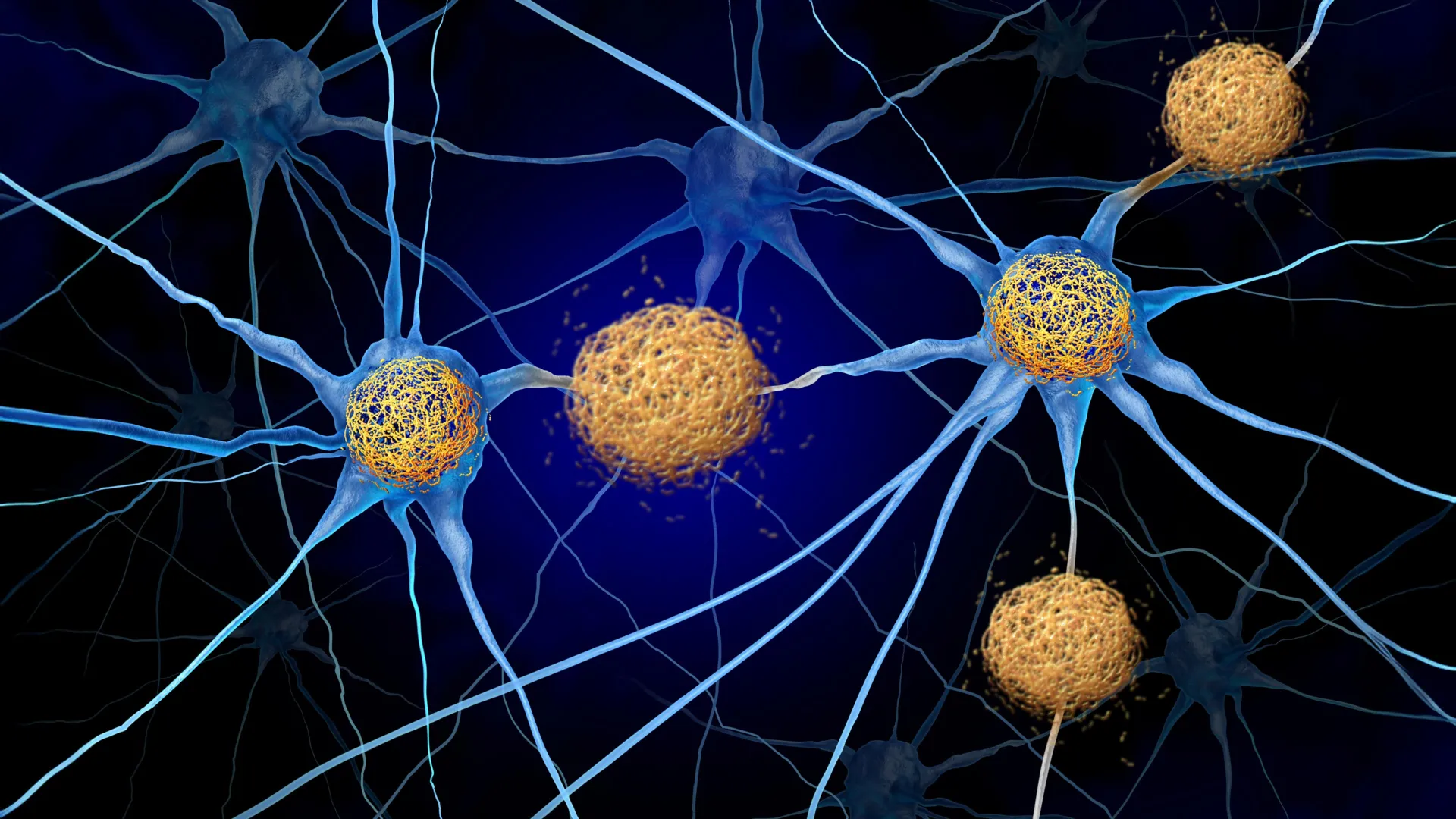
The study demonstrates that the brain’s appetite-control mechanism functions more like a relay race than a single-wire circuit. The process involves a sequence of "conversations" between three distinct types of brain cells: tanycytes, astrocytes, and neurons. This complexity suggests that metabolic disorders may not always stem from "broken" neurons, but rather from a failure in the communication lines provided by these supporting cells.
Mapping the Metabolic Relay: From Glucose to Satiety
The discovery centers on the hypothalamus, specifically the areas surrounding the third ventricle, a fluid-filled cavity deep within the brain. The researchers mapped a four-stage signaling process that triggers the sensation of fullness:
- Glucose Detection by Tanycytes: The process begins with tanycytes, specialized glial cells that line the third ventricle. These cells are uniquely positioned to monitor the chemical composition of the cerebrospinal fluid. When a person eats, blood glucose levels rise, and this increase is reflected in the cerebrospinal fluid. Tanycytes detect this surge.
- The Production of Lactate: Rather than signaling neurons directly, tanycytes process the glucose and convert it into lactate, a metabolic byproduct. This lactate is then released into the surrounding brain tissue.
- Astrocytic Activation via HCAR1: This is where the researchers found the "unexpected middleman." Nearby astrocytes possess a specific protein called Hydroxycarboxylic Acid Receptor 1 (HCAR1). When the lactate released by tanycytes binds to the HCAR1 receptors on the astrocytes, it "wakes up" the astrocytes, triggering them to take an active role in the signaling chain.
- Neuronal Satiety Signal: Once activated, the astrocytes release glutamate, a powerful neurotransmitter. This glutamate then acts upon Pro-opiomelanocortin (POMC) neurons—the specific population of neurons responsible for suppressing appetite and promoting the feeling of satiety.
"Researchers used to think that lactate produced from tanycytes ‘spoke’ directly to neurons," Araneda explained. "But we found that astrocytes act as a key messenger. To put it simply, tanycytes talk to astrocytes, and then astrocytes talk to neurons."
Experimental Evidence and Localized Chain Reactions
The research team employed advanced imaging and electrophysiological techniques to observe these cellular interactions in real-time within animal models. In one pivotal experiment, scientists introduced glucose into a single tanycyte and monitored the response of the surrounding environment.
The results were striking: the activation of one tanycyte did not result in a narrow, isolated signal. Instead, it triggered a coordinated response across a network of multiple surrounding astrocytes. This "spread" of activity suggests that the brain uses astrocytes to amplify metabolic signals, ensuring that the message of "fullness" is robust and reaches the necessary neuronal populations effectively.
Furthermore, the study noted a dual-regulatory potential. The hypothalamus contains two primary opposing neuronal populations: POMC neurons (which suppress hunger) and AgRP neurons (which promote hunger). The research suggests that while lactate-activated astrocytes stimulate the POMC "fullness" neurons, the lactate itself might simultaneously inhibit the "hunger" neurons through a more direct pathway. This "push-pull" dynamic provides a highly efficient way for the brain to switch the body from a state of seeking food to a state of metabolic rest.
A Decade of International Collaboration
The publication of these findings marks the conclusion of nearly ten years of rigorous scientific inquiry. The project was a joint venture between Ricardo Araneda’s laboratory at the University of Maryland and the laboratory of María de los Ángeles García-Robles at the University of Concepción, who served as the project’s principal investigator.
The bridge between the two institutions was Sergio López, a doctoral student co-mentored by both professors. López spent eight months at UMD conducting the complex experiments required to prove the involvement of the HCAR1 receptor. This cross-continental partnership allowed the teams to combine expertise in molecular biology, metabolic signaling, and high-resolution brain imaging.
The study received significant financial backing from several major institutions, reflecting the high priority placed on obesity research. Funding was provided by Chile’s National Fund for Scientific and Technological Development (FONDECYT), the Millennium Institute of Neuroscience in Valparaíso, and the U.S. National Institutes of Health (NIH) under Award No. R01AG088147A.
Broader Implications for Obesity and Metabolic Therapy
The discovery of the HCAR1-astrocyte pathway arrives at a critical moment in global public health. According to the World Health Organization (WHO), global obesity rates have nearly tripled since 1975, with over 650 million adults classified as obese. Obesity is a primary driver of heart disease, stroke, and various forms of cancer.
While recent years have seen the rise of GLP-1 receptor agonists, such as semaglutide (marketed as Ozempic and Wegovy), these drugs primarily target hormones in the gut and their indirect effects on the brain. The identification of the HCAR1 receptor in astrocytes provides a potential target for a new class of "central" metabolic drugs—those that work directly within the brain’s internal sensing circuitry.
"We now have a different mechanism where we might be able to target astrocytes or specifically this HCAR1 receptor," Araneda noted. "It would be a novel target that may complement existing therapies and improve the lives of many who suffer from obesity and other appetite-related conditions."
Medical analysts suggest that targeting the HCAR1 pathway could offer several advantages:
- Precision: By targeting a receptor specific to the hypothalamus’s satiety circuit, researchers might be able to develop drugs with fewer gastrointestinal side effects than current systemic treatments.
- Synergy: HCAR1-based treatments could potentially be used in combination with GLP-1 drugs to provide a multi-faceted approach to weight management.
- Resistance Management: For patients who do not respond to existing weight-loss medications, the astrocyte-neuron relay provides an entirely different biological pathway to explore.
Future Research and Clinical Potential
Despite the promising results, the research team emphasizes that several steps remain before this discovery can be translated into human medicine. While tanycytes and astrocytes are present in all mammals, including humans, the precise "dosage" of signaling required to alter human behavior must be determined.
The next phase of the research will involve testing whether modulating the HCAR1 receptor can significantly change eating habits and body weight over long periods. Scientists will also look for potential genetic variations in the HCAR1 receptor among human populations, which might explain why some individuals are more prone to obesity than others.
As the scientific community moves forward, this study serves as a definitive reminder that the "glue" of the brain is far from passive. By uncovering the hidden dialogue between astrocytes and neurons, the University of Concepción and University of Maryland teams have not only mapped a new biological circuit but have also provided a new beacon of hope for addressing some of the most pressing health challenges of the 21st century.