For over a century, the scientific community has viewed glucose primarily through the lens of metabolism—a simple sugar serving as the fundamental combustible fuel for the cellular engines of nearly every living organism. However, a groundbreaking study from Stanford Medicine has fundamentally upended this biological dogma, revealing that glucose possesses a "double life" as a master regulator of tissue differentiation. This process, by which versatile stem cells transform into the specialized cells that constitute the human body’s diverse tissues, appears to be governed not just by genetic coding, but by the physical presence of glucose itself.
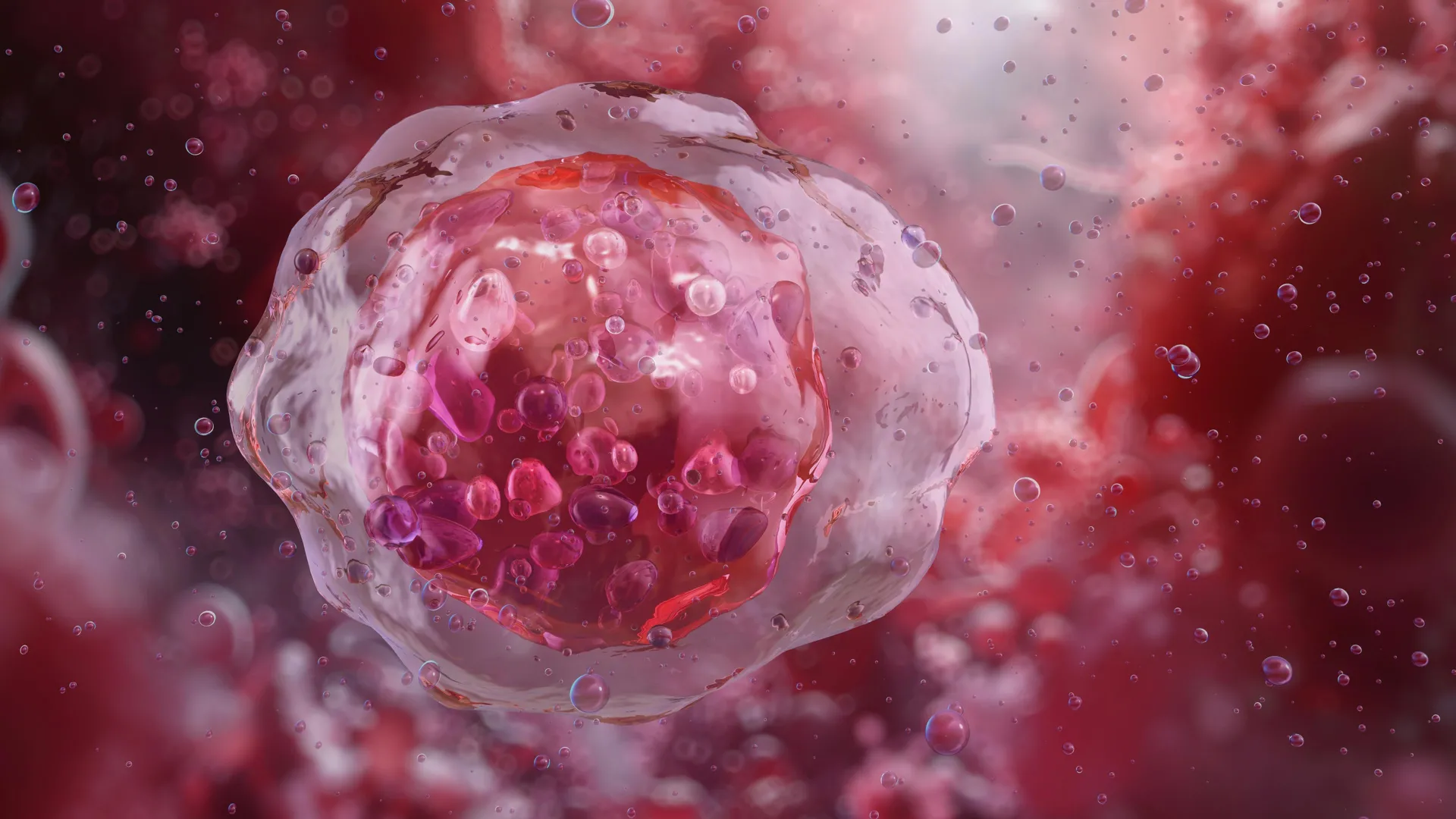
The research, published in the journal Cell Stem Cell, demonstrates that glucose influences cellular fate through a mechanism entirely independent of its role in energy production. Rather than being broken down (catabolized) to release ATP, glucose acts as a signaling molecule in its intact form. It binds directly to specific proteins that act as gatekeepers for the genome, determining which genes are activated and when they are translated into the proteins that define a cell’s identity. This discovery marks a paradigm shift in our understanding of cell biology, suggesting that the very nutrients we consume may play a direct, structural role in the architectural development of our bodies.
A Serendipitous Discovery in Skin Stem Cells
The journey toward this discovery began not with a focus on sugar, but with a broad search for the molecular triggers of cellular maturation. Dr. Paul Khavari, the Carl J. Herzog Professor in Dermatology and chair of dermatology at Stanford, alongside lead author and research scientist Vanessa Lopez-Pajares, PhD, sought to map the transition of human skin stem cells into mature keratinocytes. Keratinocytes are the primary cells of the epidermis, providing the body’s essential protective barrier against the environment.
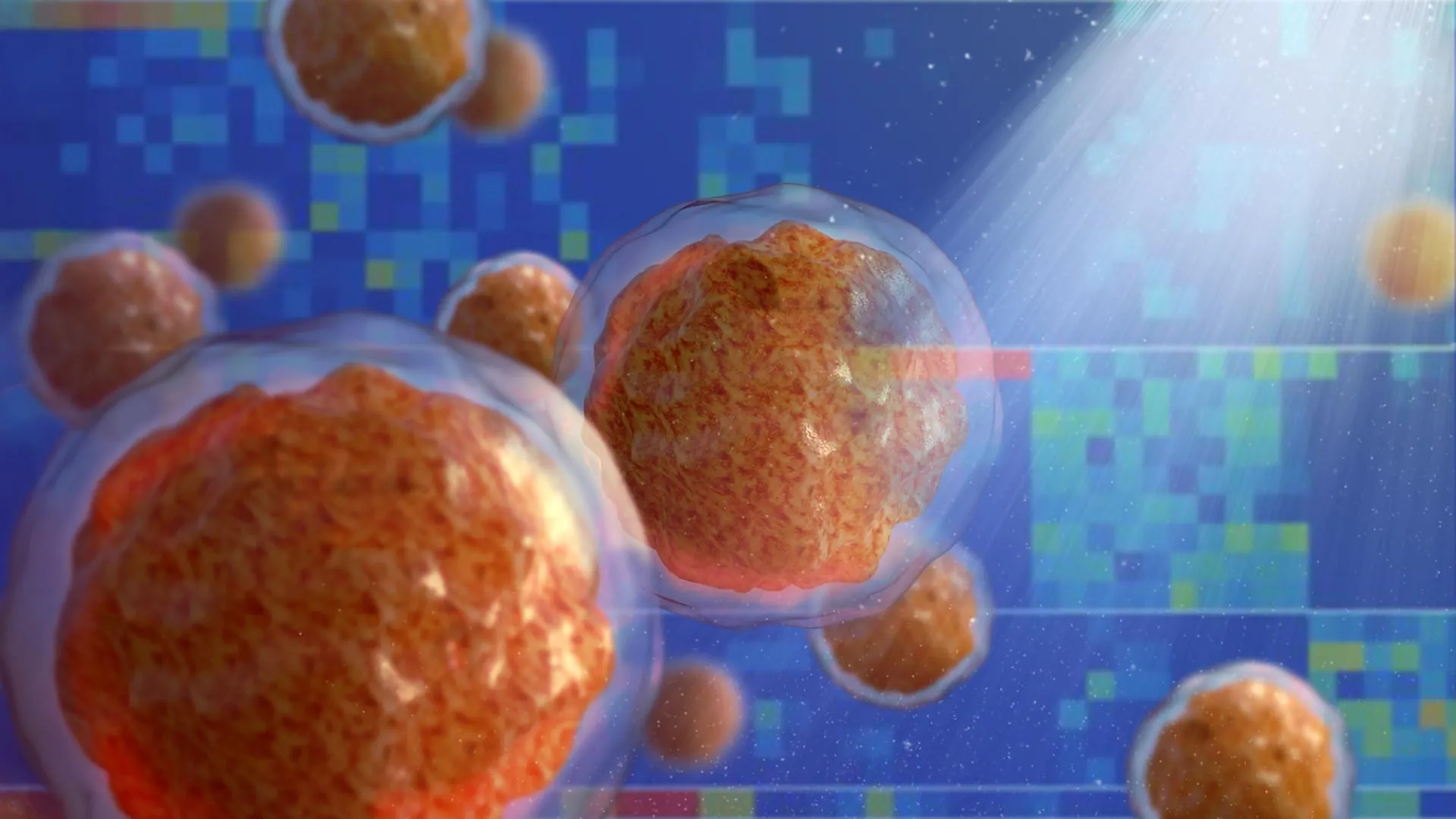
To identify the drivers of this transition, the team utilized a sophisticated combination of mass spectrometry and high-throughput screening. They monitored the fluctuations of thousands of different biomolecules as stem cells underwent the complex process of differentiation. The researchers hypothesized that molecules increasing in concentration during this phase were likely candidates for regulating the change.
Out of 193 suspect molecules identified, the presence of glucose at the very top of the list—ranking second overall—was an immense surprise. In traditional biological models, glucose levels were expected to drop as cells matured. This is because differentiated cells typically divide less rapidly than stem cells and consequently have lower energy requirements. The data, however, showed the opposite: glucose levels rose dramatically as epidermal stem cells transitioned into mature keratinocytes.
Verification and the Challenge of Biological Dogma
The finding was so contrary to established expectations that the Stanford team spent several years conducting exhaustive follow-up experiments to ensure the results were not an experimental artifact. "At first we just didn’t believe it," Dr. Khavari noted, reflecting on the initial skepticism. The researchers employed a variety of validation techniques, including the use of fluorescent and radioactive glucose analogs. These analogs allowed the team to track glucose uptake in real-time.
Furthermore, they utilized biological sensors within the cells that would glow in varying intensities of red or green depending on the concentration of glucose. As the cells progressed through the stages of differentiation, the intensity of these signals increased, confirming a significant rise in intracellular glucose. To determine if this was a phenomenon unique to skin, the researchers expanded their scope to other human tissues, including developing bone, fat, and white blood cells. In every instance, the pattern remained consistent: tissue differentiation was accompanied by a significant spike in glucose levels.
The Mechanism: Beyond Energy Production
The most critical revelation of the study was the mechanism by which glucose exerts its influence. By using glucose analogs that the cell is unable to metabolize or break down for energy, the researchers were able to isolate the sugar’s signaling function. They found that even when the sugar could not be used as fuel, it still successfully triggered the differentiation process.
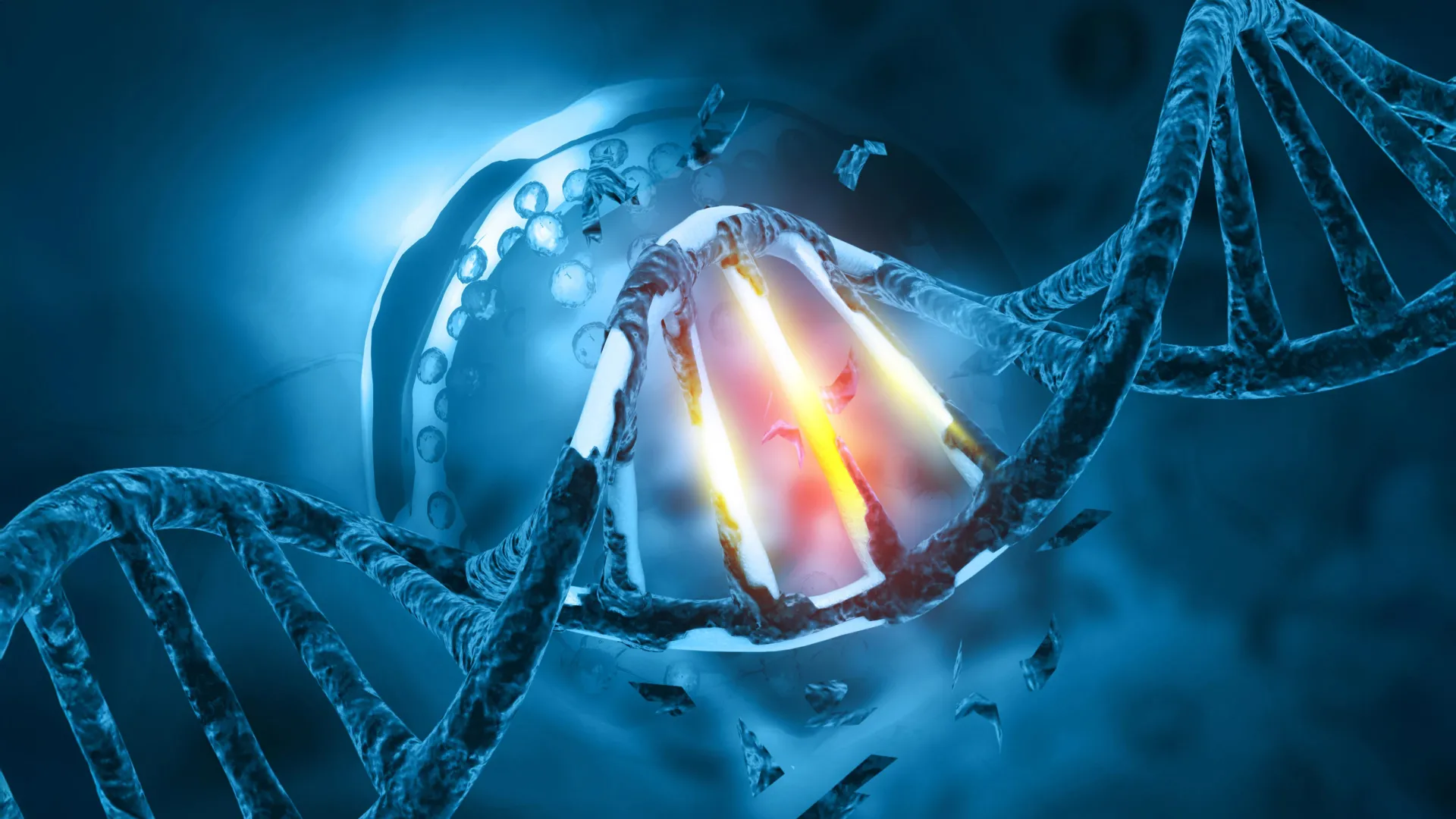
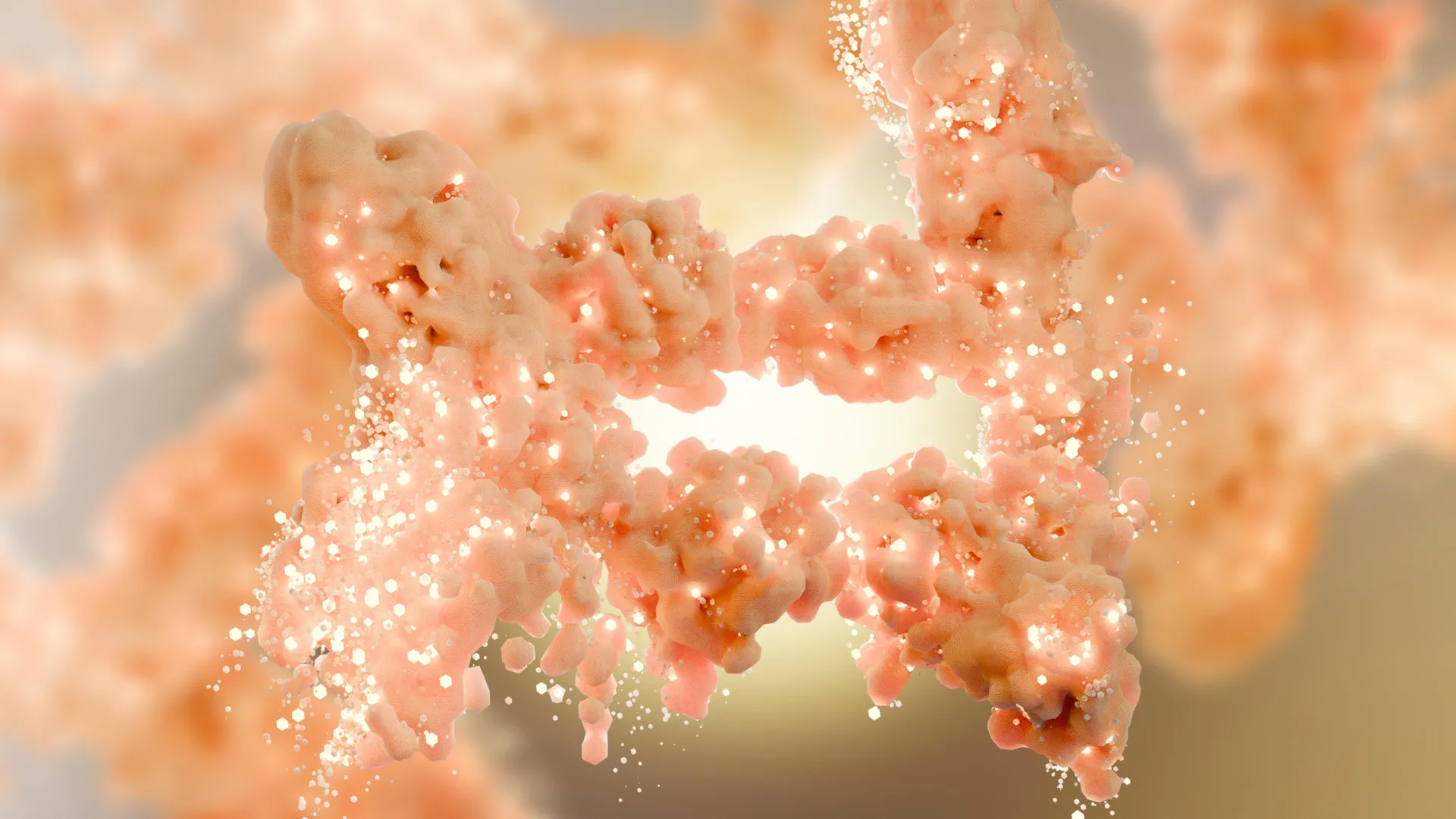
Through detailed molecular mapping, the team discovered that glucose binds to hundreds of different proteins throughout the cell. One of the most significant targets identified was IRF6 (Interferon Regulatory Factor 6), a protein known to play a vital role in skin development and the regulation of gene expression. When glucose binds to IRF6, it induces a conformational change—essentially altering the protein’s physical shape. This structural shift modifies the protein’s ability to interact with the genome, thereby activating a cascade of over 3,000 genes necessary for the cell to mature into its specialized form.
Dr. Khavari compared this process to a "broadcast signal" or a "fire alarm in a firehouse." Unlike the highly specific, localized signaling pathways that govern many cellular functions, a rise in glucose levels saturates the entire cell simultaneously, triggering a coordinated, system-wide response that pushes the cell toward its final specialized state.
Clinical Implications: Diabetes and Wound Healing
The implications of this discovery are particularly profound for the study and treatment of diabetes. Chronic hyperglycemia—elevated blood sugar—is the hallmark of diabetes and is associated with a range of systemic complications, most notably impaired wound healing and poor tissue regeneration.
Historically, these complications were attributed to the secondary effects of high sugar, such as vascular damage or inflammation. However, the Stanford study suggests a more direct link. If glucose is a master regulator of differentiation, then abnormally high levels of glucose may "short-circuit" the delicate balance of stem cell maintenance and tissue repair. In diabetic patients, the constant "fire alarm" of high glucose may prematurely force stem cells to differentiate or prevent them from responding correctly to the signals required for healing, leading to the chronic, non-healing ulcers frequently seen in the clinical setting.
Reshaping Oncology: Forcing Cancer Cells to Mature
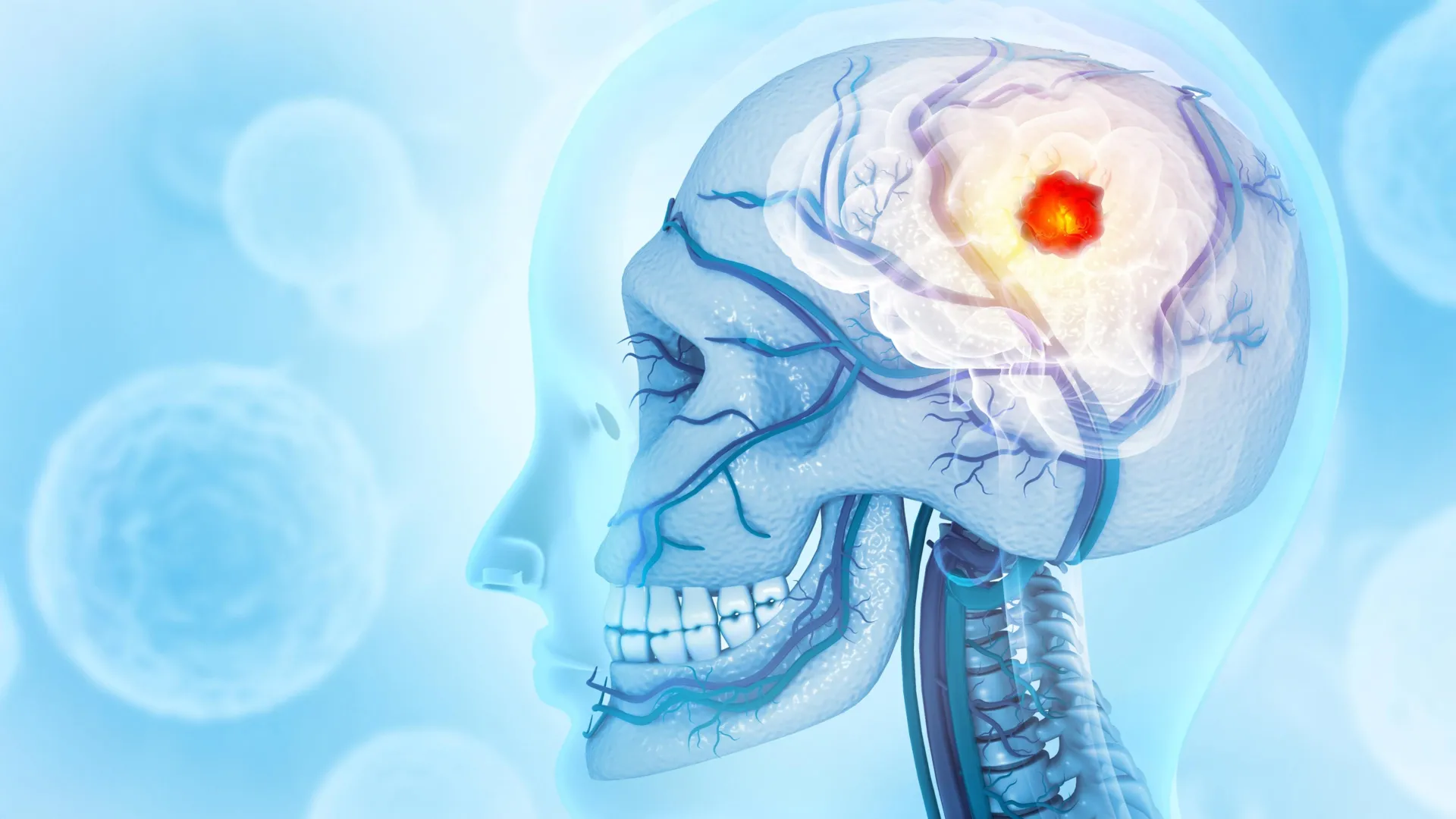
The study also opens a promising new front in the fight against cancer. Malignant tumors are often characterized by "undifferentiated" cells—cells that remain in a primitive, rapidly dividing state and fail to mature into functional tissue. This lack of differentiation is a primary driver of tumor growth and metastasis.
Interestingly, certain glucose analogs have already shown promise in clinical trials as anticancer agents. While researchers originally thought these drugs worked by "starving" cancer cells of energy, the Stanford findings suggest an alternative, perhaps more effective, mechanism. These analogs may be functioning as signaling mimics, binding to the proteins that control differentiation and essentially forcing the immature cancer cells to grow up and stop dividing. By inducing differentiation, clinicians may be able to render aggressive tumors less harmful or more susceptible to conventional therapies.
Timeline of the Discovery and Research Milestones
The timeline of this research reflects the rigorous nature of modern molecular biology:
- Phase 1 (Initial Screening): Researchers began by mapping biomolecule fluctuations in human skin stem cells using mass spectrometry.
- Phase 2 (The Surprise): Glucose was identified as a top-tier molecule associated with differentiation, contrary to metabolic expectations.
- Phase 3 (Verification): Several years were dedicated to using fluorescent sensors and radioactive tracers to confirm the rise of glucose across multiple tissue types (fat, bone, blood).
- Phase 4 (Mechanism Isolation): Experiments with non-metabolizable glucose analogs proved that the effect was independent of energy production.
- Phase 5 (Protein Identification): The team identified the binding of glucose to IRF6 and the subsequent regulation of 3,000+ genes.
- Phase 6 (Publication): The comprehensive findings were published in Cell Stem Cell on March 21, following extensive peer review.
Expert Analysis: A New Field of "Metabolic Signaling"
This research contributes to an emerging field sometimes referred to as "metabolic signaling" or "metabolo-genetics." For decades, the study of metabolism and the study of gene expression were treated as largely separate disciplines. The Stanford study provides definitive evidence that the two are inextricably linked.
"This finding is a springboard for research on dysregulation of glucose levels, which affects hundreds of millions of people," said Dr. Khavari. The study suggests that other common metabolites—amino acids, lipids, or vitamins—might also have "secret lives" as signaling molecules that we have yet to discover.
From a broader perspective, this research challenges the "DNA-centric" view of development. While genes provide the blueprint, this study shows that the availability and physical presence of simple nutrients provide the "go" signal for the construction process. It suggests that the cellular environment is much more dynamic and responsive to nutritional status than previously understood.
Conclusion and Future Directions
The Stanford Medicine study represents a significant milestone in cell biology, transforming our understanding of glucose from a mere source of calories to a sophisticated architect of human tissue. By revealing that glucose binds directly to proteins to regulate thousands of genes, the research provides a new lens through which to view human development, disease, and therapy.
As the scientific community digests these findings, the next steps will involve identifying other proteins that glucose interacts with and determining if other sugars, such as fructose or galactose, play similar regulatory roles. In the clinical realm, this discovery may lead to the development of new classes of drugs that target the glucose-binding sites of proteins to treat metabolic disorders and cancer. For now, the "fire alarm" of glucose has signaled the start of an entirely new chapter in the study of how the human body builds and maintains itself.