A groundbreaking study published on February 24 in the journal Aging Cell has revealed a potentially powerful new biomarker for predicting short-term survival in older adults. Researchers at Duke University have identified a specific panel of six piwi-interacting RNAs (piRNAs) in blood plasma that can predict with remarkable accuracy – up to 86 percent – whether individuals aged 71 and older will survive for the subsequent two years. This predictive capability surpasses that of traditional health indicators, including chronological age, cholesterol levels, physical activity, and over 180 other commonly assessed health metrics.
The discovery, stemming from an extensive analysis of more than 1,200 participants in a long-running North Carolina health study, offers a tantalizing glimpse into the molecular underpinnings of aging and survival. Dr. Virginia Byers Kraus, a rheumatologist at Duke University and lead author of the study, stated that these piRNAs are not merely passive indicators but are "linked to survival," suggesting they might actively influence an individual’s longevity.
Unveiling the Role of piRNAs in Human Aging
Piwi-interacting RNAs (piRNAs) are a class of small non-coding RNA molecules that play a crucial role in regulating gene expression, particularly in germline cells, where they are essential for maintaining genome stability and suppressing transposable elements. However, their function in somatic cells and their direct impact on aging and survival in humans have remained a subject of intense scientific inquiry.
The current study builds upon prior research in simpler organisms. For instance, studies in roundworms (C. elegans) have demonstrated that reducing piRNA levels can significantly extend lifespan, even doubling it in some cases. While piRNAs have been widely studied in various animal models, their specific relevance to human aging and longevity has been less clear until now. This new research marks a significant step in bridging that knowledge gap.
The Study Methodology and Key Findings
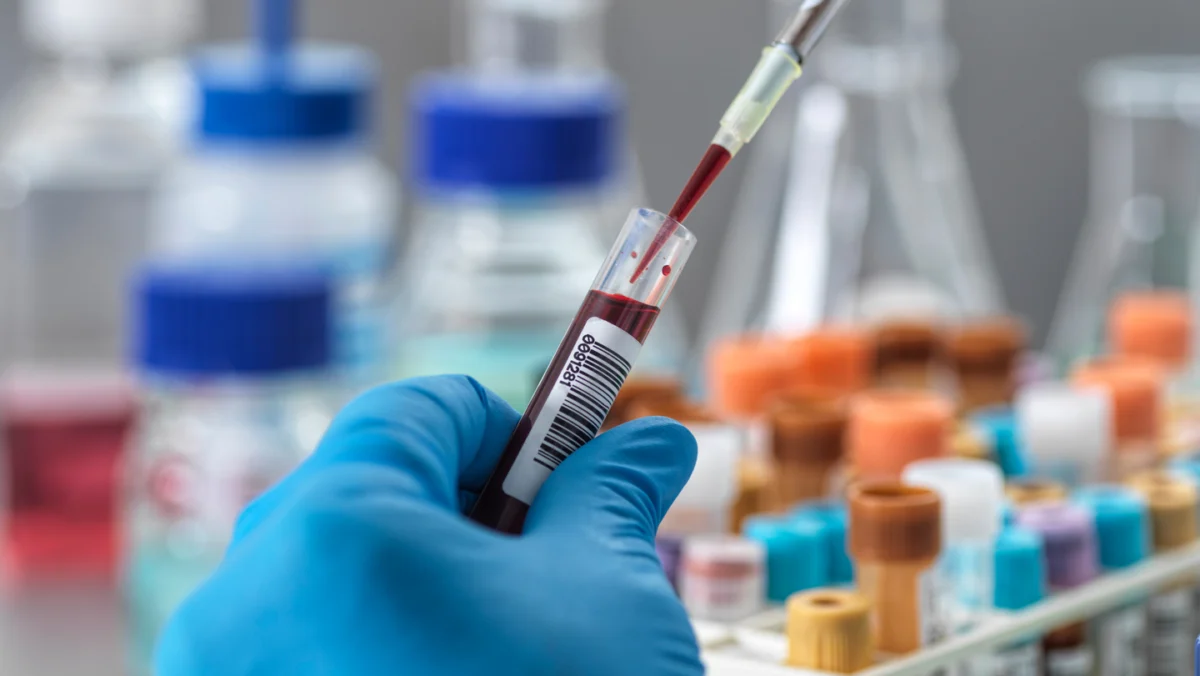
The research team, led by Dr. Kraus, meticulously collected blood samples from participants in the Duke-led North Carolina study, a cohort that has been monitored for decades, providing a rich dataset of longitudinal health information. The researchers analyzed 828 different small RNAs, with a particular focus on piRNAs, present in the blood plasma of these volunteers. This molecular data was then integrated with a comprehensive array of health indicators. These indicators included detailed information from participants’ medical records, results from in-person physical and cognitive assessments, and self-reported lifestyle data.
Through this extensive analysis, the scientists identified nine piRNAs that showed a notable association with "healthy aging." A consistent pattern emerged: individuals who lived longer tended to have lower levels of these specific piRNAs. More significantly, the combined levels of six of these identified piRNAs proved to be the most potent predictor of short-term survival. This crucial finding was subsequently validated in a separate group of participants, bolstering the robustness of the results.
piRNAs as More Than Just Markers
The study’s findings suggest that piRNAs might offer insights into the body’s underlying biological processes that are more fundamental than chronological age or standard clinical markers. While traditional factors like lifestyle and existing health conditions gained prominence in predicting survival further into the future, the piRNA signature appeared to capture deeper biological differences. These differences likely relate to how cells manage stress, repair accumulated damage, and the overall rate of cellular aging.
To further illustrate the potential impact of these RNA molecules, the researchers conducted computer simulations. In these simulations, they hypothetically adjusted participants’ piRNA levels to an "ideal" state. The results were striking: the predicted two-year survival rate for individuals, which was around 47 percent in the simulation’s baseline, surged to nearly 100 percent when piRNA levels were optimized. This hypothetical scenario underscores the profound influence these molecules could exert on an individual’s biological trajectory.
Expert Perspectives and Cautious Optimism
While the findings are undeniably exciting, experts urge a degree of caution in interpreting the immediate clinical implications. Dr. Raghav Sehgal, a computational biologist at Yale University, commented on the study, emphasizing that the simulations, while illustrative, involved "extreme changes in piRNA levels that may not be biologically feasible or safe." He suggests that, at the current stage, the piRNA patterns likely serve as indicators of immediate health risks or frailty rather than representing a direct measure of gradual biological aging. Therefore, the test is not yet ready for widespread clinical deployment.
Dr. Sehgal also highlighted the need for further validation. He pointed out that the results require confirmation in diverse populations and across different testing methodologies, as variations could occur depending on the specific assays used or in younger demographic groups. This call for broader validation is a standard and crucial step in the scientific process before any new biomarker can be integrated into clinical practice.
Future Directions and Potential Applications
The Duke University team is not resting on their laurels. Their future research plans are ambitious and far-reaching. They intend to investigate piRNA patterns across a much broader age spectrum, from individuals in their 30s to those over 100. This will help to understand how these molecular signatures evolve throughout the lifespan.
Furthermore, a key area of exploration will be to assess whether interventions known to influence cellular health and aging processes can modify these RNA levels and, consequently, improve health outcomes. Specifically, the researchers plan to examine the effects of medications like metformin, a drug commonly used to manage type 2 diabetes, and GLP-1 receptor agonists, such as those used for weight loss and diabetes management (e.g., semaglutide, liraglutide). The hypothesis is that these interventions might be able to alter piRNA profiles, offering a pathway to enhanced health and longevity.
The ultimate goal, as articulated by Dr. Kraus, is to "identify which RNA patterns signal higher risk and who might benefit most if such treatments eventually reach the clinic." This research could pave the way for personalized interventions, allowing healthcare providers to identify individuals who are most likely to benefit from specific age-modulating therapies, potentially leading to improved healthspan and lifespan for older adults.
The Broader Context of Aging Biomarkers
The quest for reliable aging biomarkers has been a central theme in gerontology and geriatrics for decades. Traditional markers like blood pressure, glucose levels, and body mass index provide valuable insights into health status but often fail to capture the complex, multifaceted nature of biological aging. The aging process is not uniform; it involves a confluence of genetic, environmental, and lifestyle factors that contribute to cellular senescence, inflammation, and a decline in tissue function.
The emergence of molecular biomarkers, such as those derived from RNA sequencing, offers a more granular and potentially more accurate picture of an individual’s biological age. These "omics" technologies allow scientists to delve into the intricate molecular machinery of the cell, uncovering subtle changes that may precede overt signs of disease or decline.
The identification of piRNAs as potential predictors of survival fits within this broader scientific endeavor. Unlike DNA, which is relatively stable, RNA molecules are dynamic and reflect ongoing cellular activity and responses to internal and external stimuli. This makes them particularly attractive candidates for biomarkers that can capture the transient state of an individual’s health and biological resilience.
Implications for Public Health and Personalized Medicine
If validated and translated into clinical practice, this research on piRNAs could have profound implications for public health and the future of personalized medicine.
- Early Identification of Frailty: The ability to accurately identify older adults at higher risk of short-term mortality could enable earlier interventions. This could include enhanced monitoring, tailored exercise programs, nutritional support, or preventative treatments aimed at mitigating immediate health threats and improving quality of life.
- Stratification for Clinical Trials: For pharmaceutical companies and researchers developing anti-aging therapies or treatments for age-related diseases, piRNA profiling could serve as a powerful tool for stratifying participants in clinical trials. This would allow for more targeted recruitment of individuals who are most likely to respond to a particular intervention, leading to more efficient and informative trial outcomes.
- Personalized Health Strategies: In the long term, piRNA analysis could contribute to the development of highly personalized health strategies. Instead of a one-size-fits-all approach to aging, individuals could receive tailored recommendations based on their unique molecular profile, guiding lifestyle choices, dietary adjustments, and therapeutic interventions.
- Understanding the Aging Process: Beyond clinical applications, the ongoing study of piRNAs contributes to our fundamental understanding of the aging process itself. By deciphering the roles these molecules play in cellular maintenance, repair, and stress response, scientists can unravel the complex biological pathways that govern longevity and age-related decline.
Challenges and the Road Ahead
Despite the promising results, several hurdles remain before piRNA-based prediction of survival becomes a clinical reality. The primary challenge, as highlighted by Dr. Sehgal, lies in translating the observed correlations into causal relationships and ensuring that any interventions based on modifying piRNA levels are safe and effective. The computational simulations, while powerful for demonstrating potential, represent ideal scenarios that may not be achievable in real-world biological systems.
Furthermore, the cost and accessibility of advanced RNA sequencing technologies need to be considered. For widespread clinical adoption, the testing methods must become more affordable, standardized, and readily available in diagnostic laboratories. The ethical implications of predicting mortality risk also warrant careful consideration, ensuring that such information is communicated sensitively and used to empower individuals rather than cause undue distress.
The scientific community will be closely watching the progress of Dr. Kraus and her team as they embark on further studies. The potential to unlock new insights into aging and to develop novel strategies for promoting healthy longevity is immense. This research represents a significant leap forward in our understanding of the molecular signatures of aging and offers a beacon of hope for enhancing the health and well-being of an aging global population.