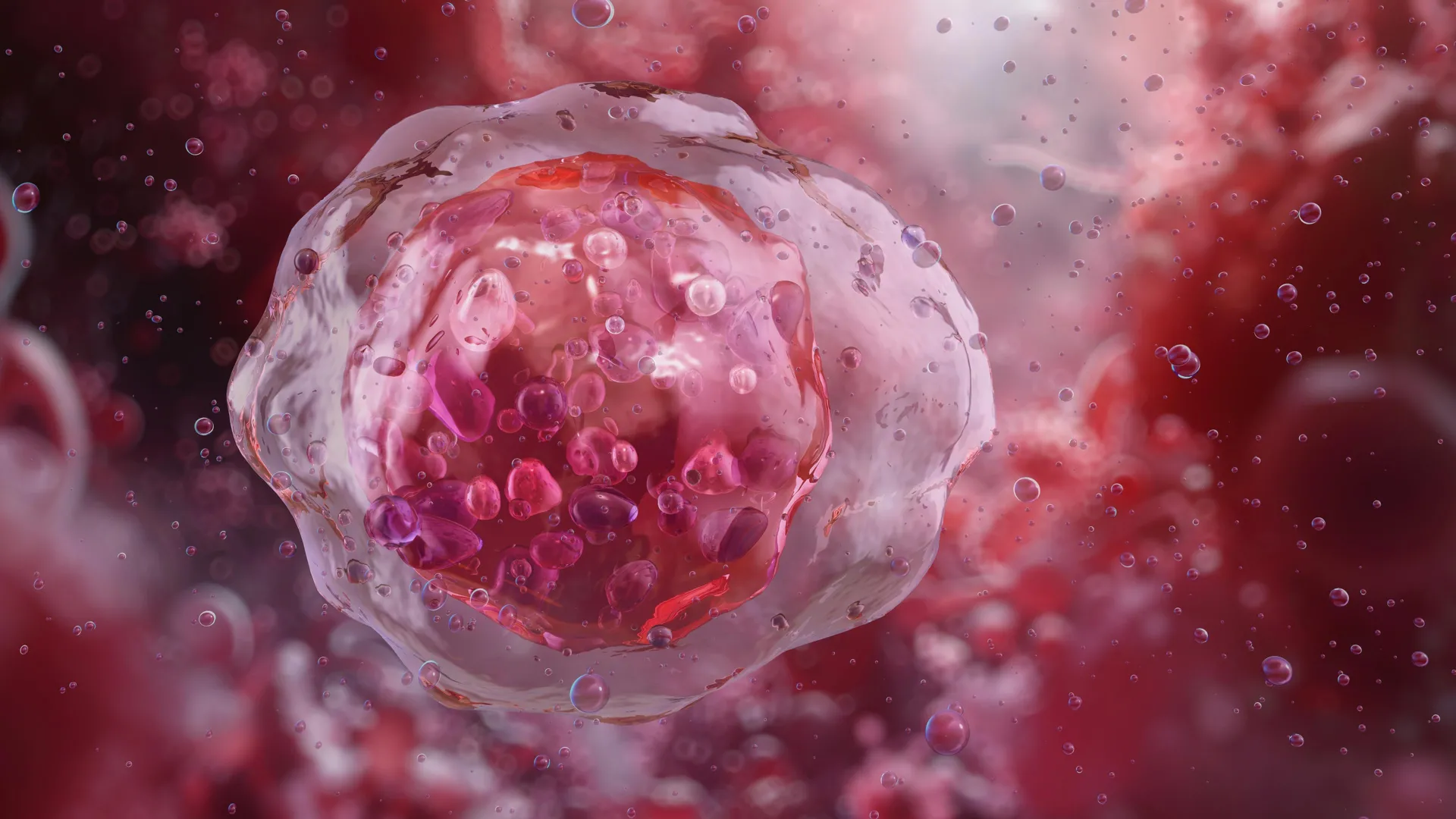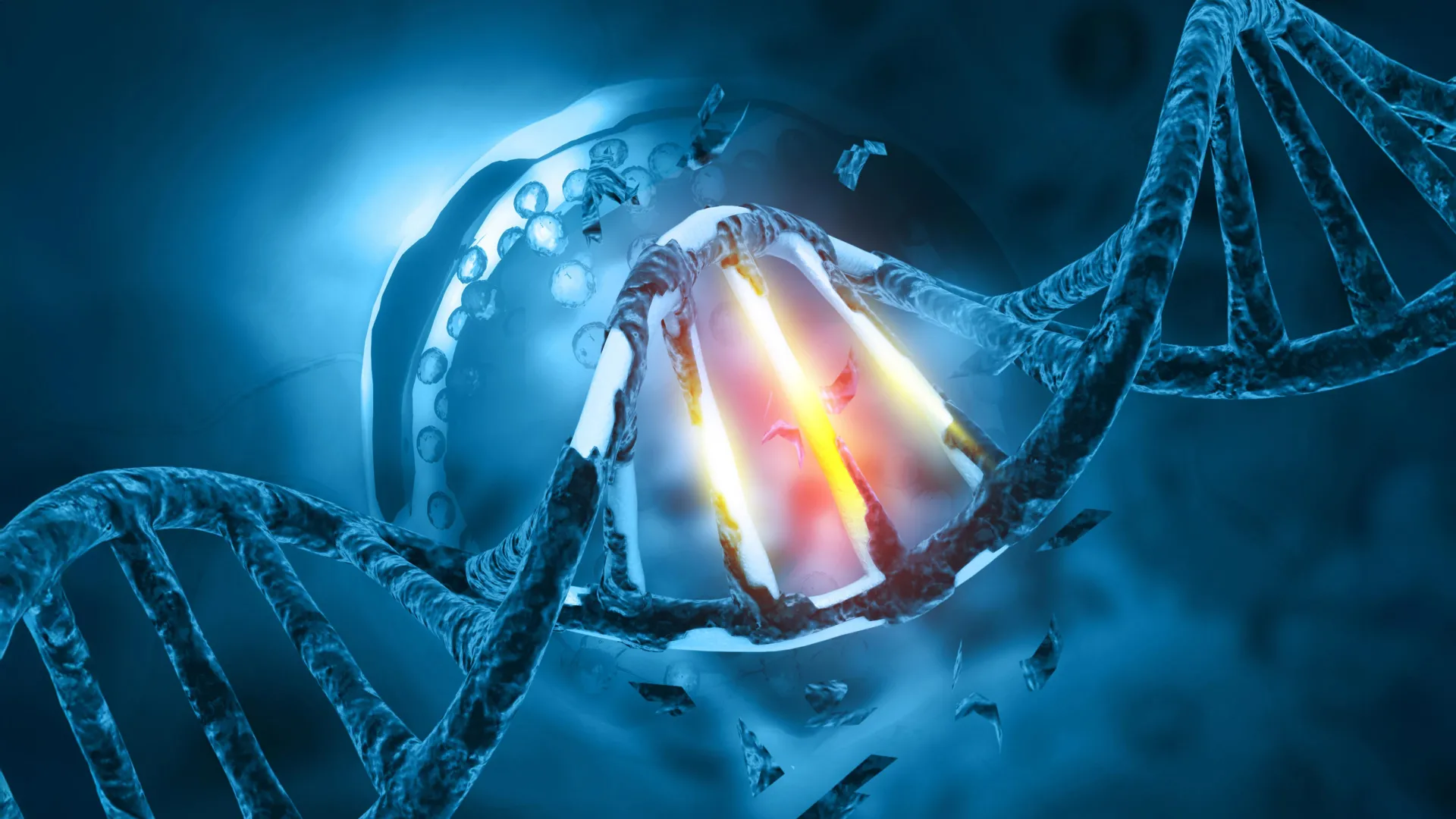
In a landmark advancement for the field of regenerative medicine, researchers at Weill Cornell Medicine have identified a single molecular switch that governs the transition of blood stem cells from a dormant state to an active, regenerative one. The study, published in the prestigious journal Nature Immunology, reveals that a DNA transcription-regulating protein known as FLI-1 is the primary driver behind the mobilization and expansion of hematopoietic stem cells (HSCs). This discovery addresses a fundamental challenge in hematology: how to safely and efficiently trigger the production of new blood cells to improve the outcomes of bone marrow transplants and gene therapies for debilitating blood disorders.
For decades, the medical community has relied on bone marrow and blood stem cell transplants to treat various forms of leukemia, lymphoma, and genetic blood diseases. However, the efficacy of these procedures is often hampered by the limited number of viable stem cells available from donors or the diminished regenerative capacity of a patient’s own cells following intensive chemotherapy. By identifying the specific genetic mechanism that "wakes up" these cells, the Weill Cornell team has provided a potential blueprint for a new era of precision medicine in stem cell therapy.
The Biological Mechanics of Stem Cell Quiescence and Activation
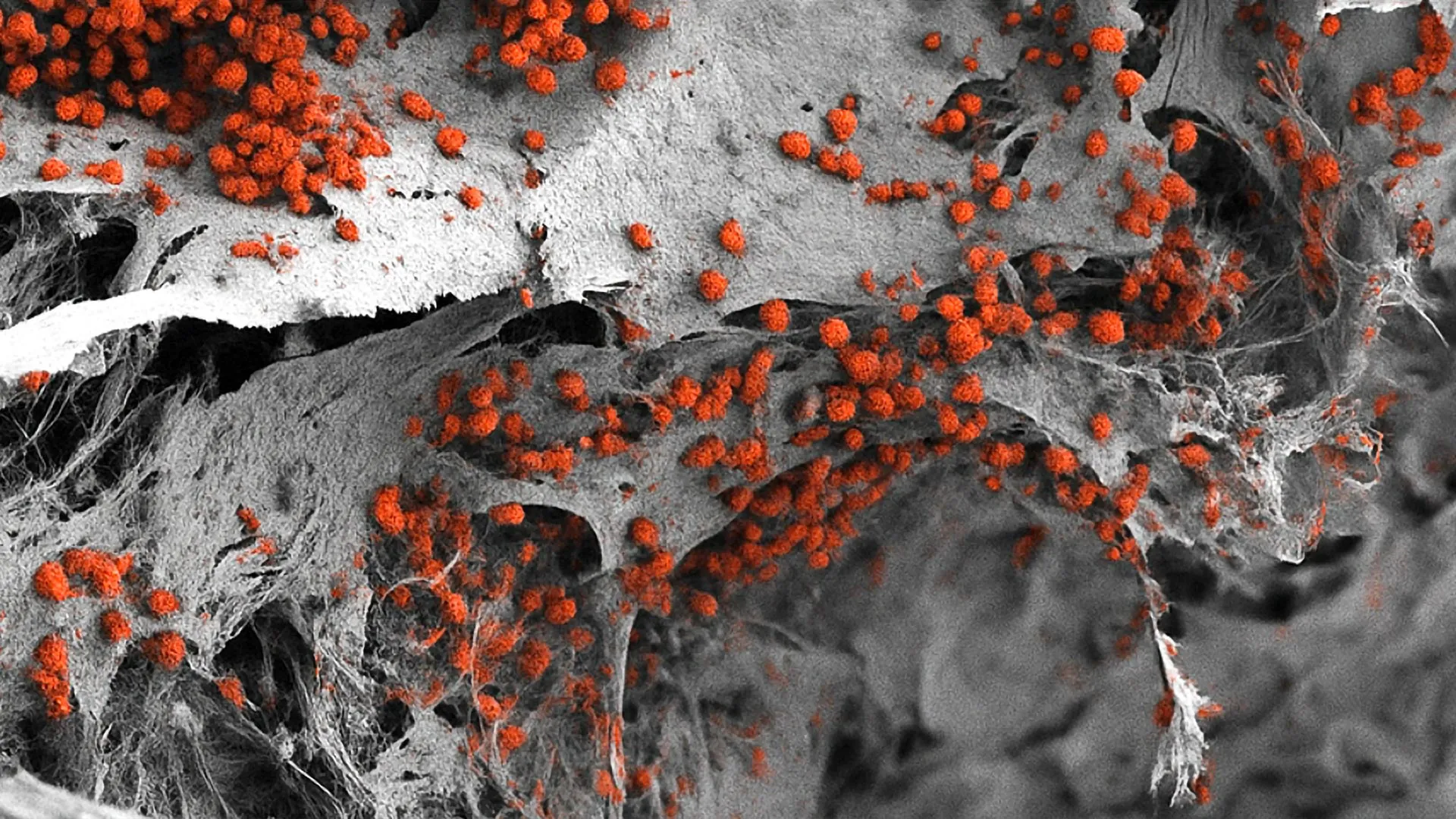
Stem cells are the fundamental building blocks of human tissue, possessing the unique ability to differentiate into specialized cell types. In the context of the hematological system, hematopoietic stem cells (HSCs) reside primarily within the bone marrow. Under normal physiological conditions, these cells exist in a state of "quiescence"—a deep metabolic hibernation characterized by slow division. This dormant state is a protective mechanism designed to preserve the long-term integrity of the stem cell pool and prevent the exhaustion of the body’s regenerative resources.
However, when the body experiences trauma, infection, or severe blood loss, these quiescent cells must rapidly transition into an activated state. During activation, HSCs multiply at high speeds and transform into mature, functional blood cells, including oxygen-carrying erythrocytes and infection-fighting leukocytes. The transition is a complex biological maneuver that requires the coordination of thousands of genes.
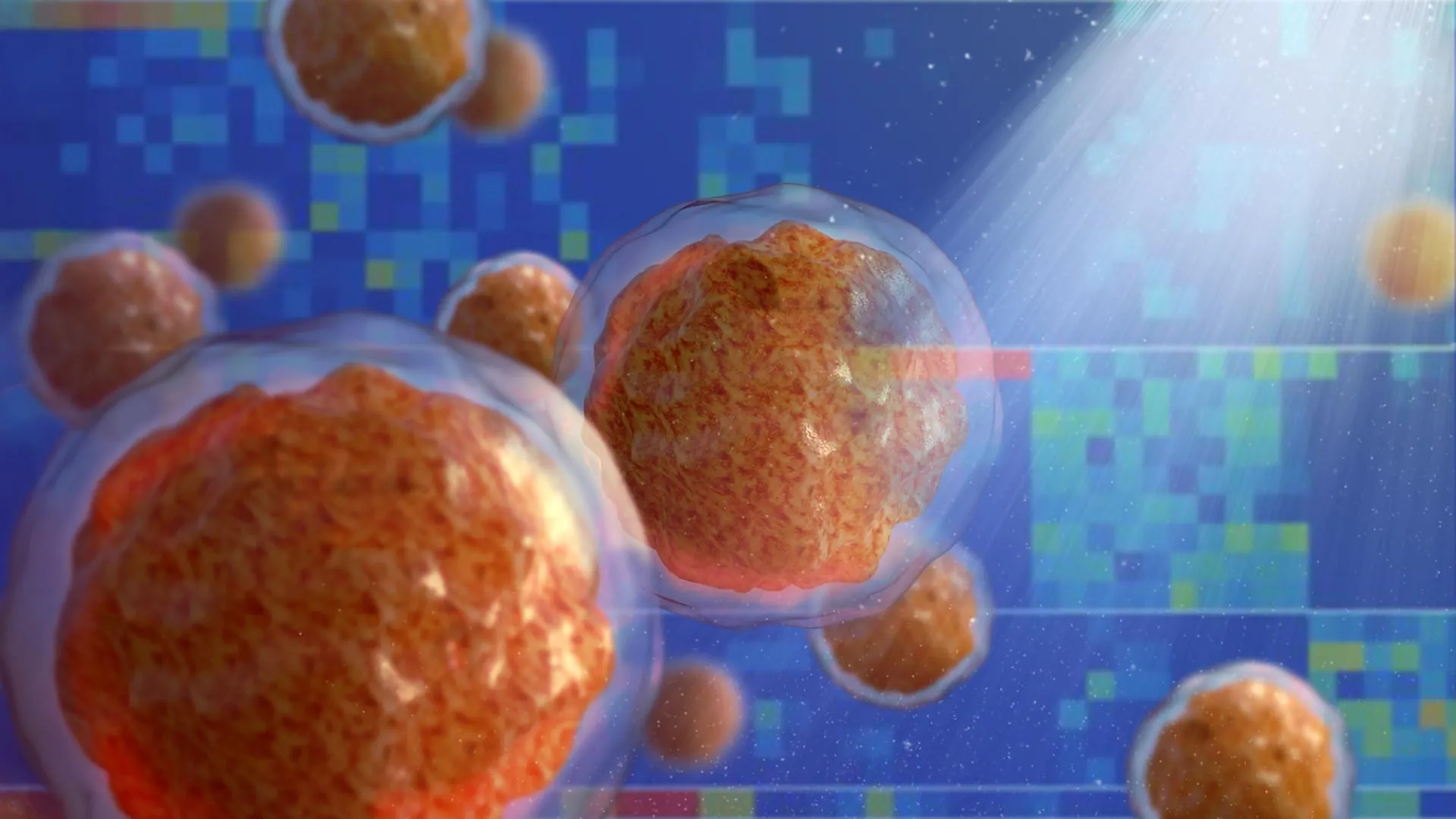
The research led by Dr. Shahin Rafii, director of the Hartman Institute for Therapeutic Organ Regeneration and the Ansary Stem Cell Institute at Weill Cornell Medicine, pinpointed the protein FLI-1 as the master regulator of this process. Using advanced single-cell profiling techniques, the team analyzed the genetic activity of HSCs in both their dormant and active phases. They found that FLI-1 acts as a central hub, controlling the expression of a vast network of genes that dictate how stem cells interact with their surrounding environment.
The Role of the Vascular Niche in Regeneration
A critical finding of the study involves the "vascular niche"—the specialized environment within the bone marrow composed of endothelial cells that line the blood vessels. The researchers discovered that blood stem cell activity is not an autonomous process; rather, it is deeply dependent on the symbiotic relationship between the HSCs and the endothelial cells of the vascular niche.
When FLI-1 is absent or inactive, blood stem cells remain locked in quiescence. In this state, they are essentially "deaf" to the signals from the surrounding marrow. The study showed that FLI-1 activity is required to restore the connections and co-adaptability between the stem cells and the vascular niche. By activating FLI-1, the researchers were able to push the stem cells into a state where they could effectively communicate with the endothelial environment, facilitating their expansion and mobilization into the bloodstream.
"We showed that stem cell activity is not autonomous but also is not fully determined by endothelial cell vascular niche signals—it depends instead on signaling and adaptability between the two," explained co-first author Sean Houghton, a bioinformatics analyst at Weill Cornell Medicine. This insight shifts the paradigm of stem cell research, suggesting that successful transplantation requires not just the cells themselves, but the optimization of their interaction with the host’s internal environment.
Overcoming the Risk of Malignancy with mRNA Technology
While the power of FLI-1 to drive cell division is a boon for regeneration, it also carries significant risks. Historically, mutations that lead to the chronic overactivity of FLI-1 have been linked to the development of certain types of leukemia. The challenge for the researchers was to harness the regenerative power of the protein without triggering the uncontrolled growth characteristic of cancer.
To solve this, the team turned to a methodology similar to that used in modern modified mRNA-based vaccines. Instead of permanently altering the stem cells’ DNA, the researchers developed a method to transiently introduce FLI-1. By delivering modified mRNA into the cells, they were able to stimulate FLI-1 production for only a few days—just long enough to "prime" the cells for activation and expansion.
Dr. Tomer Itkin, study co-first author and director of Tel Aviv University’s Neufeld Cardiovascular Research Institute, noted the success of this approach. "The stem cells we prime with FLI-1 modified mRNA in this way wake up from hibernation, expand and functionally and durably engraft in the recipient host, without any evidence of cancer," he stated. This transient activation ensures that the cells return to a stable state once the regenerative task is complete, providing a crucial safety margin for future clinical applications.
Solving the Umbilical Cord Blood Puzzle
The discovery also sheds light on a long-standing mystery in the field of hematology: why stem cells derived from human umbilical cord blood possess significantly higher regenerative potential than those harvested from adult bone marrow. For years, clinicians have noted that cord blood cells are more "potent" and better at engrafting in new hosts, but the molecular reason for this superiority remained elusive.
The Weill Cornell study demonstrated that the increased potency of umbilical cord-derived stem cells is directly associated with higher baseline levels of FLI-1 activity. These cells are naturally more "primed" to interact with the regenerative vascular niche than their adult counterparts. By manipulating FLI-1 levels in adult stem cells, the researchers were able to effectively bridge this gap, giving adult cells a regenerative "boost" that mimics the vigor of neonatal cells.
Clinical Implications for Transplantation and Gene Therapy
The practical applications of this discovery are vast. Bone marrow transplants are currently the gold standard for treating aggressive blood cancers, yet the procedure is fraught with difficulties. In many cases, the donor (or the patient themselves in autologous transplants) may have a limited supply of viable stem cells. Furthermore, cells that have been exposed to prior rounds of chemotherapy or radiation are often "exhausted" and struggle to activate and expand once re-infused.
By using FLI-1 to pre-activate these cells, doctors could significantly improve the efficiency of the engraftment process. This would be particularly beneficial for:
- Cancer Patients: Those whose stem cells have been damaged by heavy treatment could see higher success rates in autologous transplants.
- Beta-Thalassemia and Sickle Cell Patients: These genetic blood disorders often require harvesting a patient’s stem cells, editing them in a laboratory to correct the genetic defect, and then expanding the population of edited cells before re-infusion. The ability to safely expand these "vulnerable" cells using FLI-1 could make these life-saving therapies more accessible and effective.
- Elderly Patients: As the body ages, the natural regenerative capacity of stem cells declines. FLI-1 activation could potentially rejuvenate the hematopoietic system in older populations.
Dr. Shahin Rafii emphasized the transformative potential of the study: "The approach we outlined could substantially improve the efficiency of marrow transplants and marrow-cell-targeted gene therapies, especially in cases where the donor has a very limited supply of viable blood stem cells."
Chronology of Research and Future Directions
The journey to identifying FLI-1 involved years of multi-disciplinary research, combining computational biology, genetic engineering, and preclinical animal modeling. The timeline of the study highlights the rigorous path toward this discovery:
- Phase 1: Single-Cell Mapping: The team began by creating a high-resolution map of the genetic landscape of HSCs, identifying the "master switches" that fluctuate between dormant and active states.
- Phase 2: Identification of FLI-1: Through extensive computational analysis, FLI-1 was isolated as the primary transcription factor responsible for niche-dependent activation.
- Phase 3: mRNA Development: The researchers engineered a delivery system for modified mRNA to ensure the transient and safe expression of the protein.
- Phase 4: Comparative Studies: The team compared the genetic profiles of adult and umbilical cord stem cells to validate the role of FLI-1 in potency.
- Phase 5: Preclinical Validation: Animal models were used to demonstrate that FLI-1-primed cells could successfully engraft and restore blood production without causing leukemia.
Looking ahead, the researchers plan to scale up their modified mRNA-based method for further preclinical development. The ultimate goal is to move into human clinical trials, where the method could be tested in patients undergoing treatment for various blood disorders.
Institutional Support and Collaborative Effort
This research was a collaborative effort involving several leading institutes at Weill Cornell Medicine, including the Englander Institute for Precision Medicine and the Sandra and Edward Meyer Cancer Center. The study was supported by significant funding from the National Institutes of Health (NIH), specifically the National Heart, Lung, and Blood Institute, the National Institute of Diabetes and Digestive and Kidney Diseases, and the National Institute of Allergy and Infectious Diseases.
Additional backing was provided by the Hartman Institute for Therapeutic Organ Regeneration and the Selma and Lawrence Ruben Daedalus Fund for Innovation. This level of institutional support underscores the scientific community’s recognition of the critical importance of stem cell research in the future of healthcare.
As the medical world moves toward increasingly personalized treatments, the ability to control the "on-off" switch of our body’s own regenerative cells represents a major milestone. The discovery of FLI-1’s role not only deepens our understanding of human biology but also offers a tangible path toward safer, more effective treatments for some of the most challenging diseases of the blood and immune system.