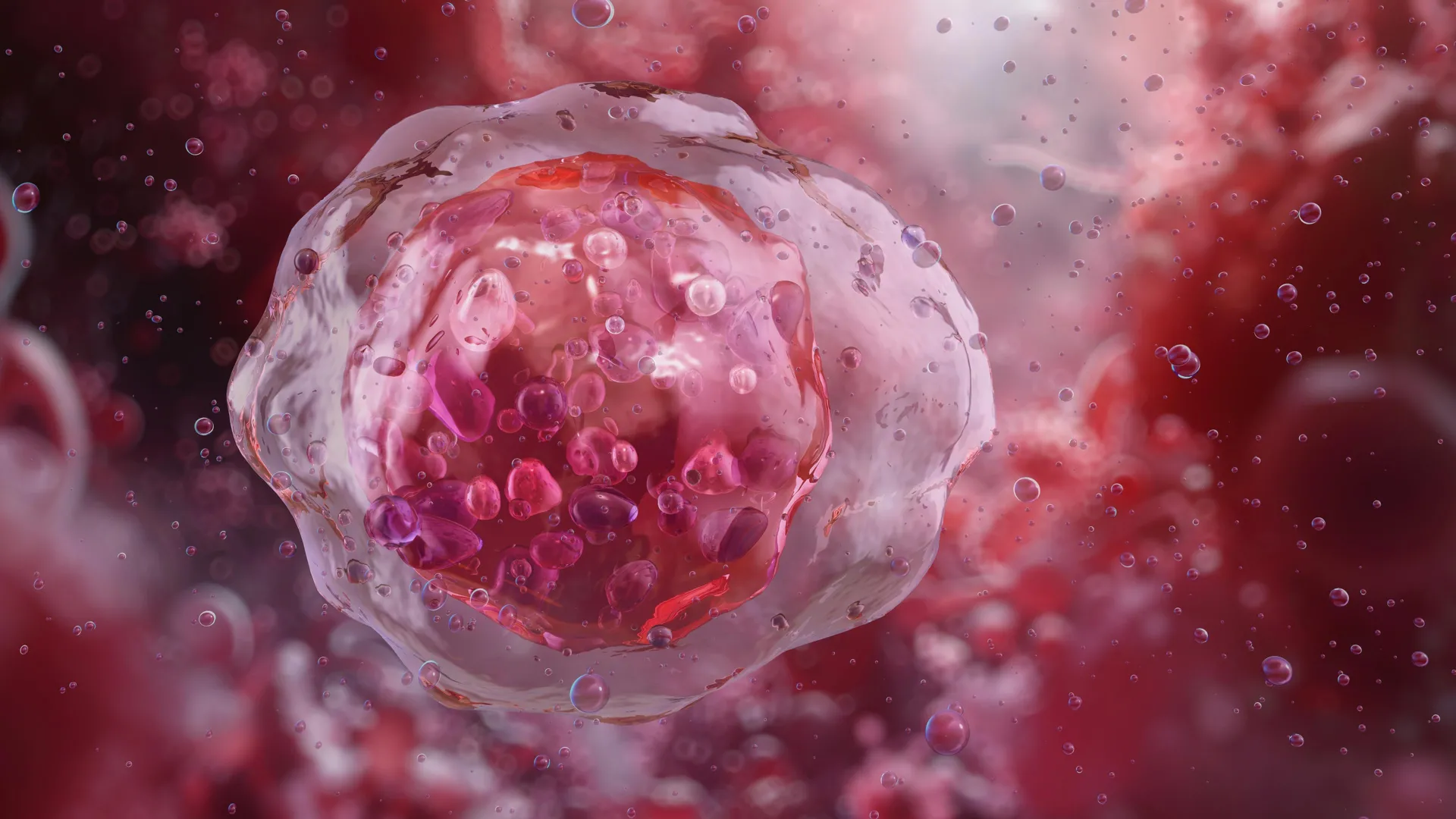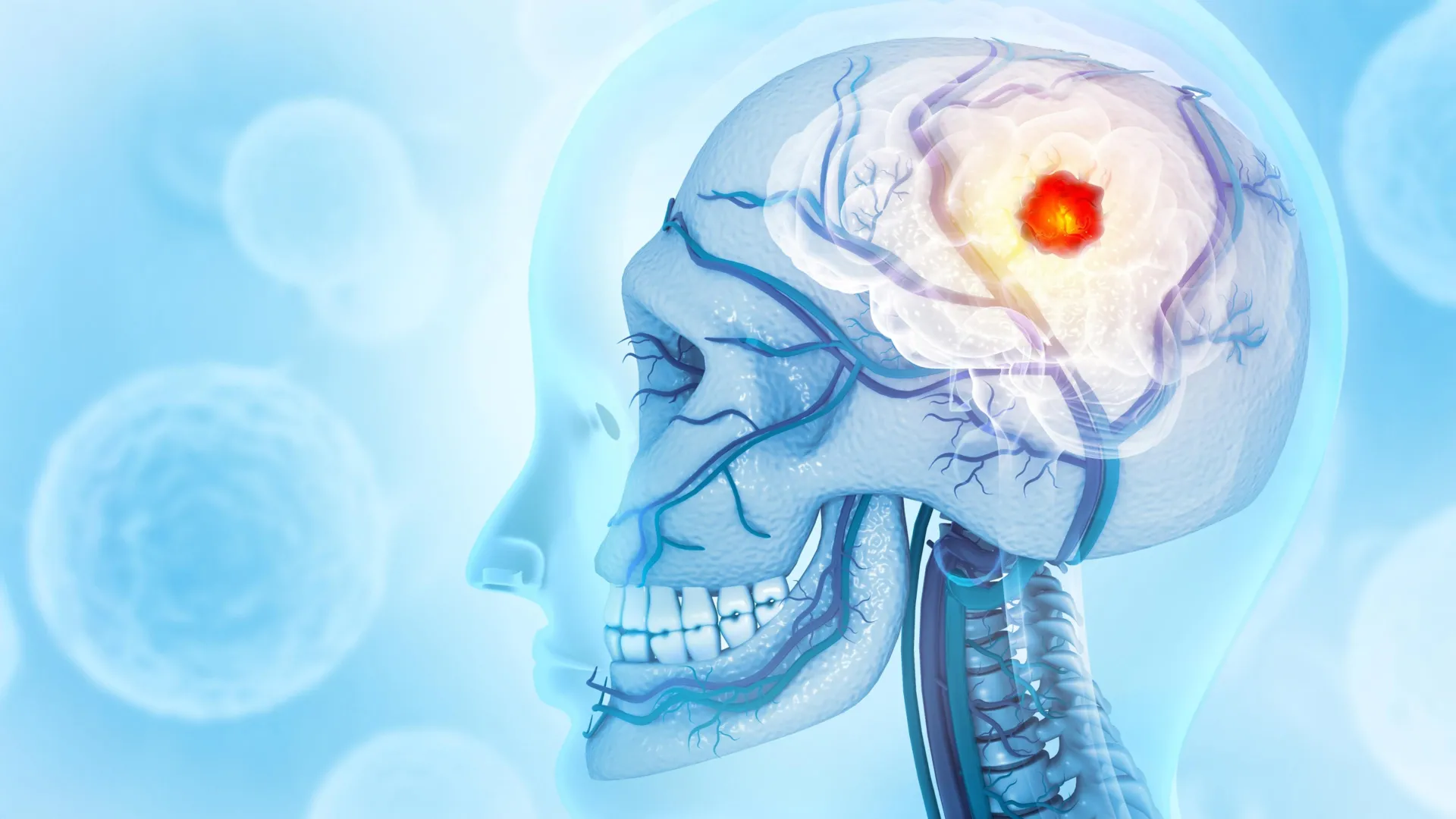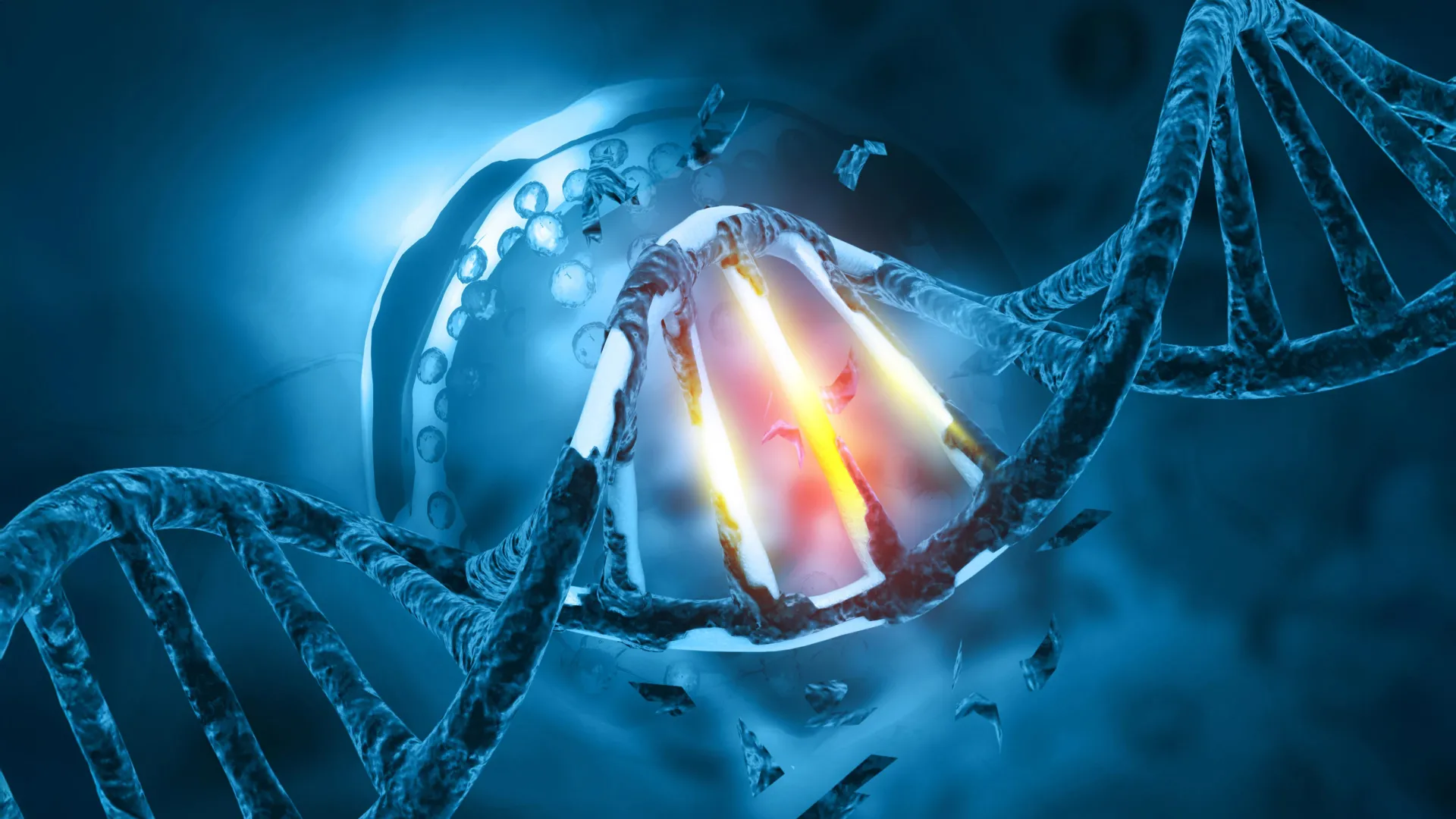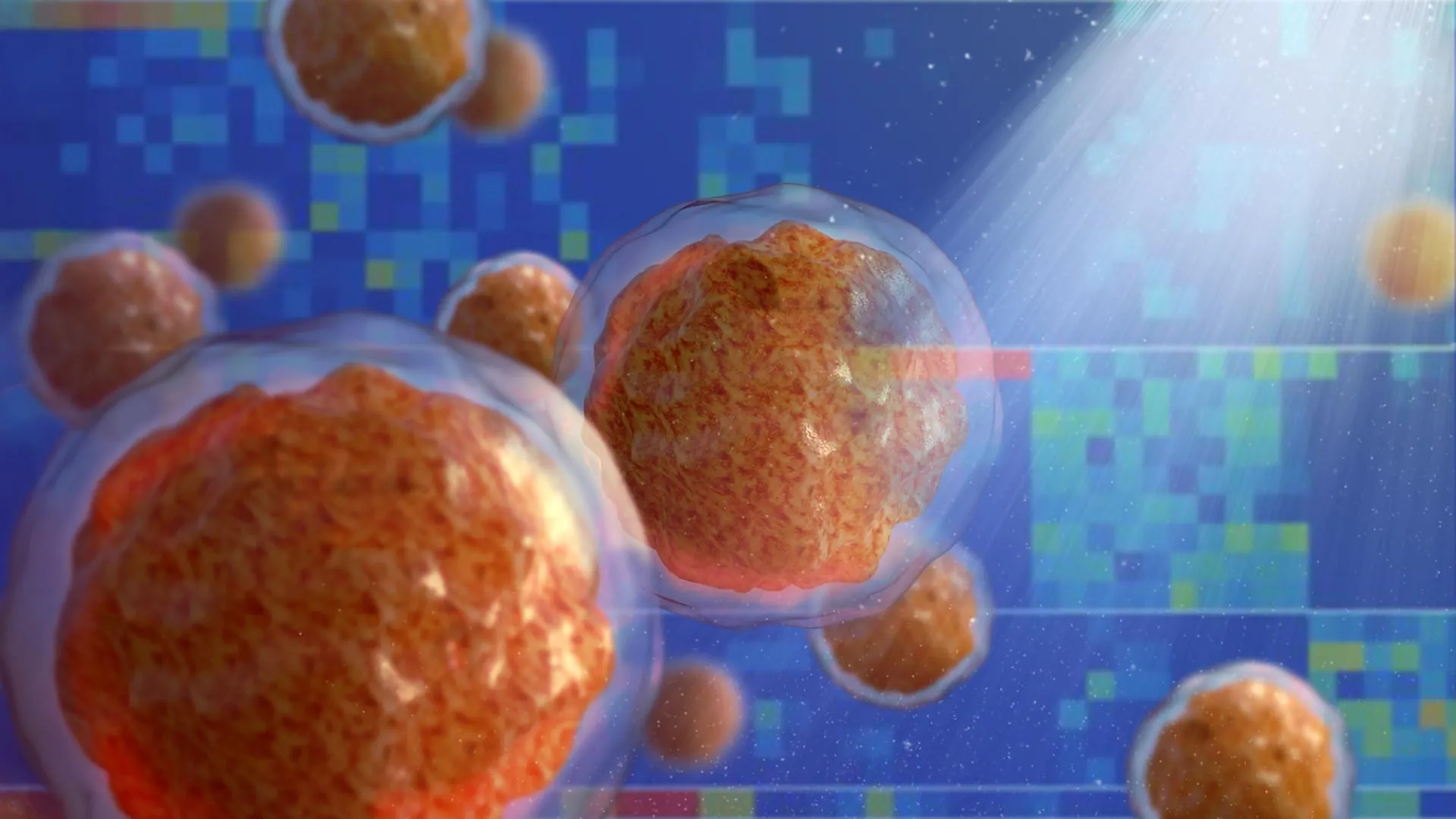
The sugar glucose, recognized for over a century as the primary fuel source for cellular respiration, has been identified in a landmark Stanford Medicine study as a primary driver of tissue differentiation. This discovery fundamentally shifts the scientific understanding of glucose from a passive fuel source to an active signaling molecule that dictates how stem cells transform into specialized tissues. Published in the journal Cell Stem Cell, the research demonstrates that glucose regulates the process of cellular maturation not through its breakdown for energy, but by binding directly to proteins that control gene expression.
For decades, the biological consensus held that glucose was primarily a substrate for glycolysis and the citric acid cycle, providing the adenosine triphosphate (ATP) necessary for cellular work. However, the Stanford team, led by Paul Khavari, MD, PhD, chair of dermatology, and research scientist Vanessa Lopez-Pajares, PhD, found that glucose performs an "undercover double life." By interacting with hundreds of proteins within a cell, glucose modulates their function to promote the transition from a pluripotent or undifferentiated state into mature, specialized cells such as those found in the skin, bone, and blood.
A Serendipitous Departure from Conventional Wisdom
The investigation did not initially set out to study glucose. Dr. Khavari and Dr. Lopez-Pajares were engaged in a broad search for the molecular triggers that compel human skin stem cells to differentiate into keratinocytes—the cells that form the protective outer layer of the skin. Using a sophisticated combination of mass spectrometry and high-throughput screening, the researchers monitored the fluctuations of thousands of biomolecules as stem cells transitioned toward maturity.
The hypothesis was straightforward: molecules that increased in concentration during differentiation were likely candidates for regulating the process. When the data returned, the researchers identified 193 suspect molecules. While many were known proteins associated with cellular development, the second-most elevated molecule on the list was glucose.
This finding was initially met with deep skepticism by the research team. Under standard biological models, glucose levels were expected to decline as cells matured. This is because differentiated cells typically divide less frequently than stem cells, leading to a reduction in metabolic demand. The observation that glucose levels rose significantly as epidermal stem cells became differentiated keratinocytes suggested a role for the sugar that was entirely independent of its caloric or energetic value.
Validating the Glucose Signal Through Advanced Imaging
To confirm this unexpected rise in glucose, the Stanford team employed several layers of experimental validation. They utilized fluorescent and radioactive glucose analogs, which allow researchers to track the movement and concentration of sugar within living tissue. They also deployed biological sensors within the cells—engineered proteins that emit green or red light in the response to specific concentrations of glucose.
As the stem cells began their journey toward differentiation, the intensity of the light from these sensors increased, proving that intracellular glucose levels were climbing. These results were not isolated to skin tissue. Further studies conducted on developing fat cells, bone cells, and white blood cells—as well as experiments involving genetically engineered mice—showed a consistent pattern. Across diverse tissue types, the elevation of glucose appeared to be a universal prerequisite for cellular maturation.
Detailed biochemical analysis revealed that this increase was the result of a coordinated cellular effort. The cells simultaneously increased the production of glucose transporters (proteins that bring sugar into the cell) and decreased the activity of mechanisms that export glucose. Most importantly, the researchers confirmed that this accumulation of glucose was not accompanied by a proportional increase in metabolic byproducts, indicating that the sugar was being stored or used in its intact form rather than being burned for fuel.
The Mechanism of Action: Glucose as a Broadcast Signal
The most profound revelation of the study involves how glucose exerts its influence over the genome. The researchers discovered that glucose acts as a "broadcast signal." In cellular biology, signaling is often characterized by highly specific cascades where one molecule triggers another in a narrow, linear path. Glucose, however, behaves more like a general alarm.
When glucose levels rise within a cell, the sugar binds to a wide array of proteins. One of the most critical targets identified was IRF6 (Interferon Regulatory Factor 6), a protein known to be essential for skin development. When glucose binds to IRF6, it induces a conformational change—a physical reshaping of the protein. This change alters the protein’s ability to interact with the genome, effectively turning on the suite of genes required for the cell to differentiate and turning off the genes that keep the cell in a stem-like state.
To prove that this was a structural interaction rather than a metabolic one, the researchers grew engineered skin tissue, known as organoids, in a medium containing a glucose analog that cells cannot metabolize. Despite the cells’ inability to break this sugar down for energy, the organoids differentiated perfectly. This provided definitive proof that the physical presence of the glucose molecule, rather than the energy derived from it, was the catalyst for tissue formation.
Implications for Diabetes and Chronic Wound Healing
The discovery has immediate and profound implications for the study of diabetes. In patients with diabetes, blood glucose levels are chronically elevated, yet their tissues often struggle with regeneration and wound healing. This has long been a paradox in medical science: why would an abundance of "fuel" lead to a failure in tissue repair?
The Stanford study suggests that the dysregulation of glucose as a signaling molecule may be the culprit. If glucose is the master regulator of differentiation, then abnormally high or fluctuating levels may "misfire" the signal, causing stem cells to differentiate prematurely or incorrectly. This could explain the impaired wound healing seen in diabetic patients, as the delicate balance between maintaining a pool of stem cells and triggering them to become new skin is disrupted by the systemic glucose imbalance.
Furthermore, this research provides a new lens through which to view diabetic complications such as neuropathy and retinopathy. If glucose is influencing gene expression across all tissue types, the long-term exposure to high sugar levels may be fundamentally altering the genetic programming of cells in the nerves and eyes, leading to the degenerative changes associated with the disease.
Transforming Cancer Treatment: Differentiation Therapy
The findings also offer a potential breakthrough in oncology. One of the hallmarks of cancer is the presence of undifferentiated cells. Malignant tumors are often composed of cells that have "forgotten" how to be specialized tissues and instead remain in a primitive, rapidly dividing state. This lack of differentiation is what allows cancer to spread and resist traditional treatments.
For years, researchers have explored "differentiation therapy"—the idea of forcing cancer cells to mature into specialized cells, which would naturally stop them from dividing uncontrollably. The Stanford study suggests that manipulating glucose signaling could be a key to this approach.
Interestingly, some glucose analogs are already being tested in clinical trials as anticancer agents. Previously, it was assumed these drugs worked by "starving" the cancer of energy. However, the new data from Dr. Khavari’s team suggests these drugs might actually be working by mimicking the glucose signal and forcing the undifferentiated cancer cells to mature. By understanding the specific proteins that glucose binds to, such as IRF6, pharmaceutical researchers may be able to develop more targeted therapies that induce differentiation without the toxic side effects of traditional chemotherapy.
A New Frontier in Metabolic Signaling
The Stanford Medicine study joins a growing body of evidence suggesting that small, common metabolites are far more active in cellular governance than previously thought. For decades, the "Central Dogma" of molecular biology focused almost exclusively on DNA, RNA, and proteins as the primary actors in the cell. Small molecules like glucose, lactate, and amino acids were viewed merely as the "bricks and mortar" or the "gasoline" of the biological machine.
"This finding is a springboard for research on dysregulation of glucose levels, which affects hundreds of millions of people," Dr. Khavari stated. "It’s also likely to be important in cancer development because cancer is a disease of failed differentiation. This is an entirely new and growing field."
The study concludes that the role of glucose in the cell is akin to a fire alarm in a firehouse. When the levels rise, every system in the cell "activates in response," creating a synchronized shift in behavior. This "global role" for glucose suggests that many other common nutrients may also have hidden lives as regulators of the genetic code.
As researchers continue to map the "interactome"—the complex web of interactions between metabolites and proteins—the medical community may be on the verge of a new era of metabolic medicine. By learning to tune these fundamental signals, doctors may one day be able to direct tissue regeneration, correct metabolic disorders, and steer cancer cells back toward a healthy, differentiated state.
The research was supported by the National Institutes of Health and the U.S. Department of Veterans Affairs. Following the publication, the scientific community has begun looking toward follow-up studies to determine if other sugars, such as fructose or galactose, play similar regulatory roles in specialized tissues like the liver or brain. For now, the humble glucose molecule has been elevated from a simple source of calories to a master architect of the human body.