A groundbreaking research initiative, spearheaded by UW Medicine and Seattle Children’s Hospital, is poised to revolutionize the investigation into Sudden Unexplained Death in Childhood (SUDC). The Sudden Unexplained Death in Childhood (SUDC) Foundation has awarded significant funding, totaling $328,133 over four years, to a collaborative team at these institutions. This critical investment will enable the use of PacBio HiFi long-read sequencing as a first-line diagnostic tool, aiming to uncover the complex genetic underpinnings that may contribute to these tragic and often perplexing deaths. This study not only seeks to provide answers to grieving families but also to establish a new paradigm for pediatric genomic testing, integrating advanced sequencing technologies into routine clinical and research practice.
The Enigma of Sudden Unexplained Death in Childhood (SUDC)
SUDC refers to the sudden death of a child over 12 months of age that remains unexplained after a thorough investigation, including a complete autopsy, examination of the death scene, and review of the child’s medical history. While less commonly discussed than Sudden Infant Death Syndrome (SIDS), SUDC represents a profound and devastating loss for families, affecting approximately 400 children annually in the United States. The incidence rate is estimated to be around 1.4 deaths per 100,000 children aged 1 to 18 years. Unlike SIDS, which primarily affects infants under one year, SUDC strikes toddlers and older children, adding another layer of distress due to the apparent health of the child prior to their sudden passing. For decades, the lack of a definitive cause has left families in agonizing uncertainty, highlighting a critical unmet need for advanced diagnostic and research tools.
The SUDC Foundation, established by families affected by SUDC, has been at the forefront of advocating for research, awareness, and support for over 1,000 families across more than 20 countries. Their commitment to advancing scientific understanding and providing solace to bereaved parents underscores the urgency and importance of initiatives like the one launched by UW Medicine and Seattle Children’s. The organization emphasizes the necessity of comprehensive investigations for sudden child deaths, including meticulous genetic testing, DNA banking, and family screening, whenever appropriate, to maximize the chances of uncovering a potential cause.
A Leap Forward in Genomic Investigation: Long-Read Sequencing
The core of this transformative study lies in the adoption of PacBio HiFi long-read sequencing, a cutting-edge genomic technology that promises to overcome limitations inherent in traditional short-read sequencing methods. Short-read sequencing, while widely used, often struggles to accurately map highly repetitive regions of the genome, detect large structural variants (such as deletions, duplications, inversions, and translocations), or resolve complex tandem repeats. These genomic anomalies, however, are increasingly recognized as potential contributors to a range of genetic disorders, including those with sudden onset or unexplained symptoms.
PacBio HiFi sequencing, in contrast, generates reads that are thousands of base pairs long with exceptionally high accuracy, typically exceeding 99.9%. This extended read length allows researchers to span difficult-to-sequence regions, providing a more complete and contiguous view of an individual’s genome. The Revio system, equipped with SPRQ-Nx chemistry, will be utilized in this study to generate these highly accurate long-read genomes. This technological advantage is crucial for identifying complex structural variants and tandem repeats that might be entirely missed by conventional short-read approaches. For SUDC investigations, where the genetic clues might be subtle or located in challenging genomic regions, the ability to achieve such comprehensive genomic coverage is paramount.
The Collaborative Research Initiative and Methodology
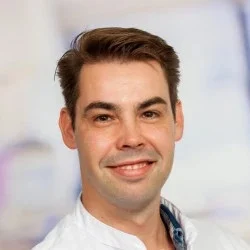
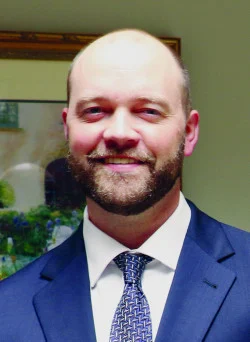
The study is under the leadership of a distinguished team: Dr. Danny E. Miller, MD, PhD, assistant professor of pediatrics and laboratory medicine and pathology at the University of Washington, and Dr. Alexandra Keefe, MD, PhD, assistant professor of pediatrics at UW Medicine. Their combined expertise in pediatric genetics, laboratory medicine, and genomic technologies forms the bedrock of this ambitious project.
The research design involves sequencing 200 family trios. A trio consists of the child who succumbed to SUDC and both of their biological parents. This trio-based approach is fundamental to discerning inherited genetic variants from de novo mutations – those that arise spontaneously in the child and are not present in either parent. Identifying de novo mutations is particularly critical in cases of unexplained childhood death, as they can often represent novel disease-causing variants that might not have a family history. By including parental data, the team significantly increases the likelihood of identifying actionable genetic findings that can provide answers to families and potentially inform future risk assessments for other family members.
Dr. Miller articulated the strategic rationale behind this approach: “Selecting HiFi sequencing as our first-line whole-genome assay allows us to search for answers with the accuracy and breadth these families deserve. By starting with long reads and incorporating parental data, we can resolve difficult variants, phase them accurately, and provide guidance relevant to SUDC.” This statement underscores the commitment to leveraging the most advanced tools available to achieve the clearest possible genetic picture.
Transforming Clinical and Laboratory Practice
Beyond its immediate aim of unraveling SUDC’s genetic factors, this study holds profound implications for both research and clinical laboratory practice. Applying long-read sequencing as a first-tier assay represents a significant departure from current clinical workflows, which often rely on a tiered approach starting with less comprehensive methods. The ability to streamline workflows is particularly advantageous when working with challenging samples, such as post-mortem tissue or dried blood spots, which are frequently encountered in SUDC investigations and can yield degraded or limited DNA. The robust nature of long-read sequencing can extract more information from such precious samples.
Successful implementation of this advanced sequencing strategy necessitates a multifaceted approach within the involved laboratories. This includes not only the technical prowess to perform the sequencing but also the development and application of robust bioinformatics pipelines for data analysis, sophisticated tools for accurate variant interpretation, and the seamless integration of parental genomic data to produce clinically relevant results. This holistic requirement positions the clinical laboratory at the nexus of scientific discovery and patient care, highlighting its essential role in translating cutting-edge technology into actionable medical knowledge.
Expert Perspectives and Hopes
The leadership of the SUDC Foundation echoed the sentiment of hope and commitment that underpins this research. Julia Burgess, president of the SUDC Foundation, stated, “Families affected by SUDC face unimaginable loss. Funding this project reflects our commitment to advancing research that brings clarity, guidance, and hope to grieving families nationwide.” Her words encapsulate the deep emotional resonance of this project and the critical need for scientific progress in this underserved area.
Dr. Keefe further elaborated on the broader impact, emphasizing the potential for systemic change: “This project has the potential not only to provide answers to families but also to transform standards for genetic investigation in pediatric sudden death. It highlights the essential role laboratories play in turning advanced genomic technologies into actionable clinical knowledge.” This vision extends beyond individual cases, aiming to establish a new benchmark for how genetic testing is incorporated into the comprehensive investigation of all sudden childhood deaths.
The research team plans to implement a refined, tiered genomic approach for cases with suspected genetic causes. This strategy would begin with trio-based exome and low-pass whole-genome sequencing, followed by reflexive long-read sequencing when initial findings are inconclusive or suggest complex variants. This flexible, yet comprehensive, approach ensures that the most appropriate and powerful genomic tools are deployed at each stage of the investigation, maximizing the chances of discovery while optimizing resource utilization.
Broader Implications and a New Era in Pediatric Genomics
The anticipated outcomes of this study extend far beyond the immediate context of SUDC. The data generated from these 200 family trios is expected to provide compelling evidence for the broader adoption of long-read sequencing in pediatric genomics. If successful, this could pave the way for long-read sequencing to become a standard first-line test for a wider array of unexplained pediatric conditions, particularly those with suspected genetic etiologies that have eluded diagnosis through conventional methods.
This initiative also highlights a significant shift in the expectations placed upon clinical laboratory professionals. The growing reliance on advanced genomic technologies—specifically long-read whole-genome sequencing and trio analysis—means that labs must be prepared for a new era of complex diagnostics. This preparedness encompasses:
- Technical Proficiency: Mastering the intricacies of long-read sequencing platforms, sample preparation, and quality control, especially for challenging post-mortem or archival samples.
- Bioinformatics Expertise: Developing robust computational pipelines and a skilled workforce capable of analyzing massive datasets, identifying various types of genetic variants, and interpreting their clinical significance. This includes sophisticated algorithms for structural variant detection, phasing, and variant prioritization.
- Collaborative Frameworks: Fostering strong partnerships with clinicians, medical examiners, genetic counselors, and research scientists to ensure that genomic findings are accurately contextualized, interpreted, and communicated to families in a sensitive and understandable manner. This collaborative spirit is essential for translating complex genomic data into meaningful clinical guidance.
- Infrastructure Investment: Investing in the necessary IT infrastructure, data storage, and computational resources to handle the vast amounts of data generated by whole-genome sequencing.
- Ethical and Counseling Considerations: Addressing the ethical implications of genetic findings, particularly in the context of sudden death, and ensuring robust genetic counseling services are available to families to help them understand results, recurrence risks, and implications for other family members.
The integration of such sophisticated tools positions the clinical laboratory at the center of efforts to deliver clearer answers for families facing the unimaginable grief of losing a child to an unexplained cause. It elevates the laboratory’s role from a service provider to a critical partner in diagnostic discovery and medical advancement.
Conclusion: A Beacon of Hope
The collaborative research between UW Medicine, Seattle Children’s, and the SUDC Foundation represents a monumental step forward in the quest to understand and ultimately prevent sudden unexplained deaths in childhood. By harnessing the power of PacBio HiFi long-read sequencing and a rigorous trio-based analytical approach, the project offers a beacon of hope to families who have long sought answers. This initiative is not merely about sequencing genomes; it is about providing clarity, offering guidance, and fostering a future where the genetic causes of SUDC are systematically uncovered, transforming pediatric genomic testing standards and ultimately bringing solace to those affected by these profound tragedies. The investment in this research underscores a shared commitment to pushing the boundaries of scientific knowledge and translating that knowledge into tangible benefits for the most vulnerable among us.