The biological mechanisms governing human inheritance have long been understood through the lens of random genetic drift and environmental influence, yet a groundbreaking pair of studies published in the journal Nature on October 8 has revealed a more complex and competitive reality within the male reproductive system. Researchers from the Wellcome Sanger Institute, King’s College London, and Harvard Medical School have demonstrated that as men age, their sperm does not merely accumulate random errors; rather, certain harmful mutations are actively "selected" for, gaining a competitive advantage that allows them to proliferate within the testes. This phenomenon, known as selfish spermatogonial selection, explains why children of older fathers may face a higher risk of rare neurodevelopmental disorders and pediatric cancers, providing a definitive map of how the male germline evolves over a lifetime.
The Shift in Reproductive Paradigms: Beyond Random Decay
For decades, the prevailing scientific consensus suggested that the male germline was relatively protected from the high mutation rates seen in other tissues, such as the skin or the lining of the gut. Because sperm are produced through a continuous process of cell division throughout a man’s life, it was assumed that the primary risk of paternal age was the simple, linear accumulation of copying errors. However, the new research indicates that the environment within the testes is a theater of intense natural selection.
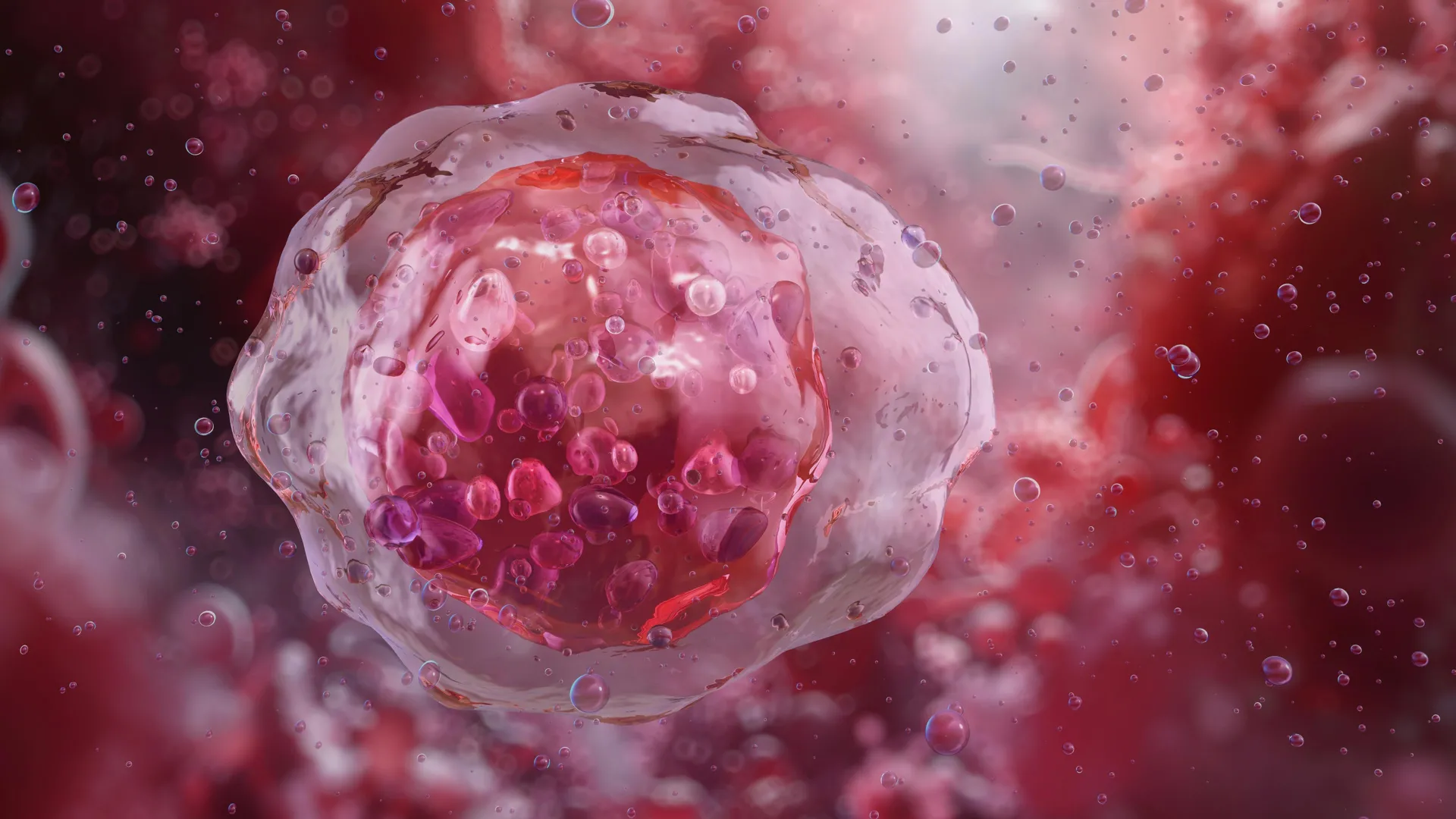
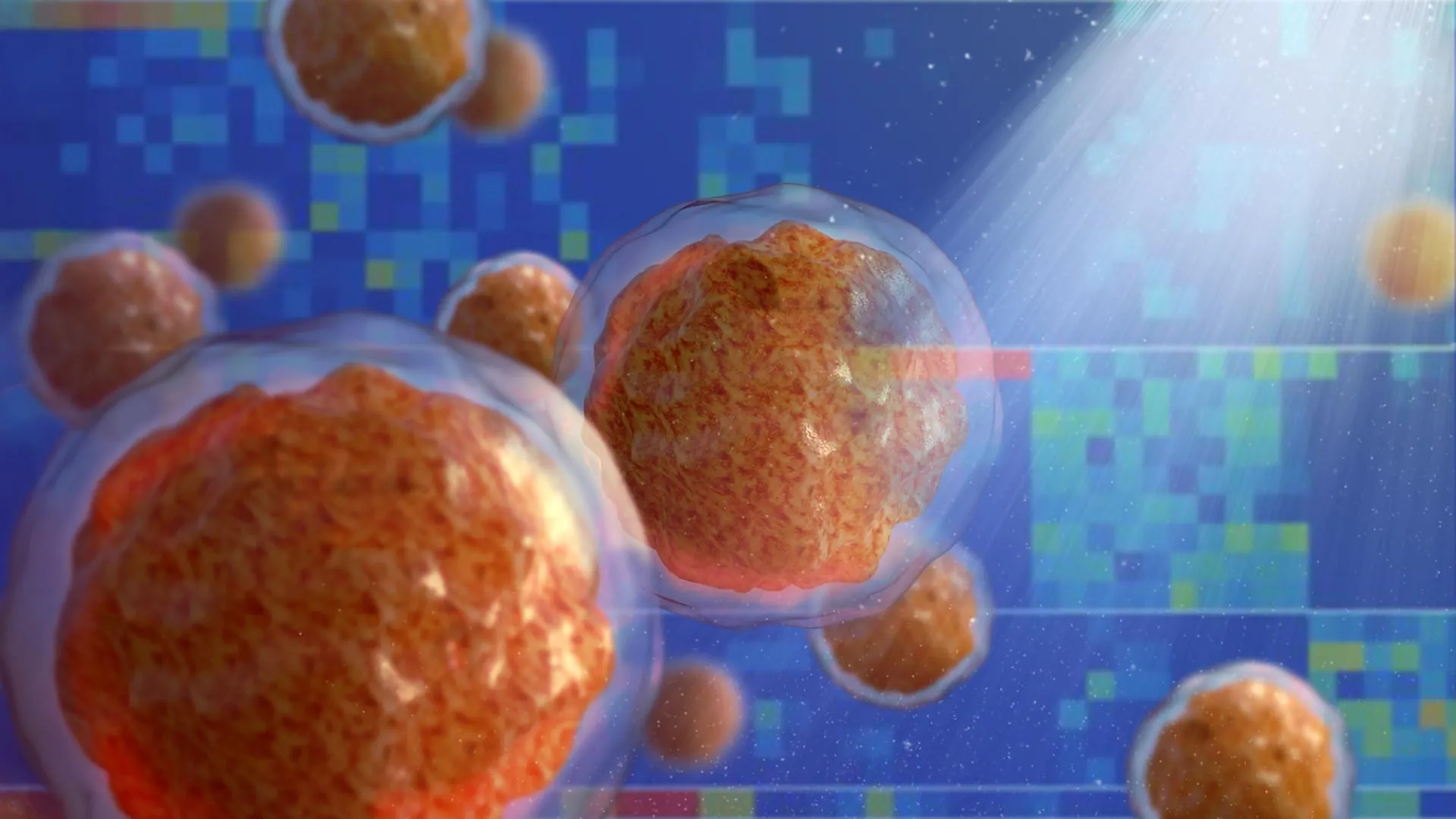
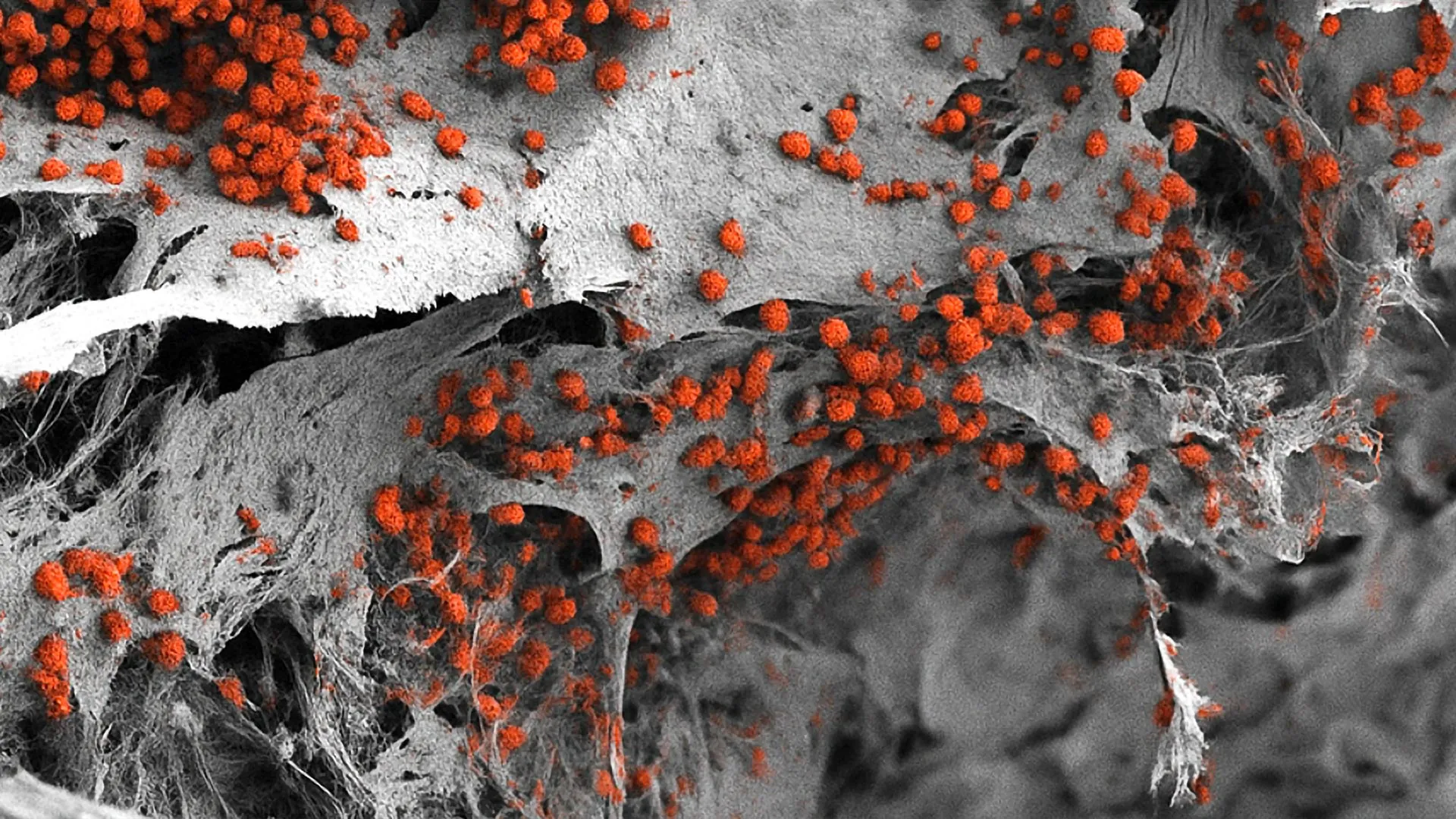
In somatic tissues—the cells that make up our organs and skin—mutations often lead to "clonal expansion." This occurs when a mutation gives a single cell a growth advantage, allowing it to outcompete its neighbors and form a cluster of identical cells. While this process is a well-known precursor to cancer in the body, its role in the germline was less understood. The Sanger Institute’s research confirms that a similar process occurs in the precursor cells of sperm (spermatogonial stem cells). Mutations that trigger faster cell division or better survival are "favored" by the internal environment of the testes, even if those same mutations are catastrophic for the health of a future child.
Methodology: The Precision of NanoSeq Technology
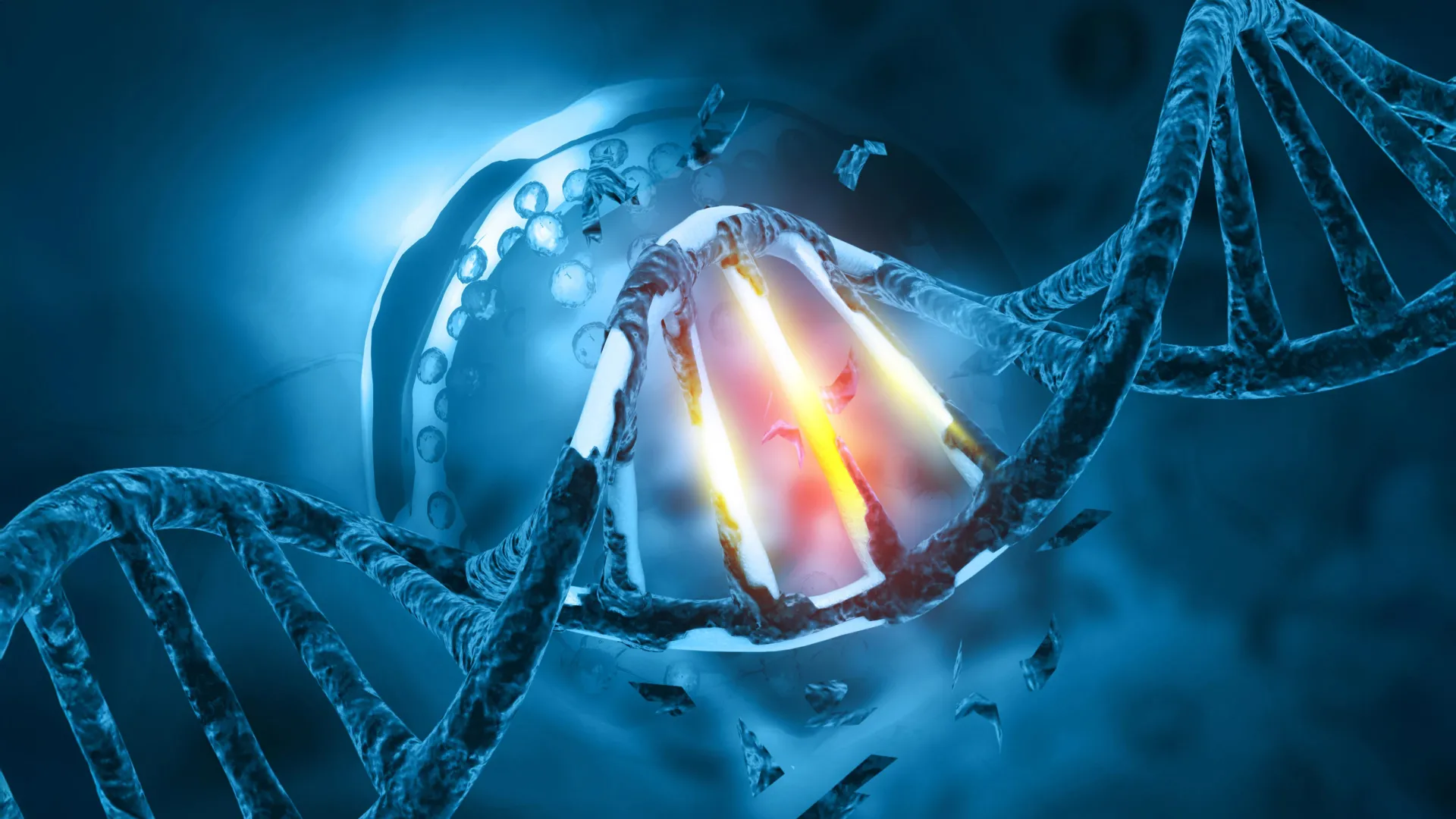
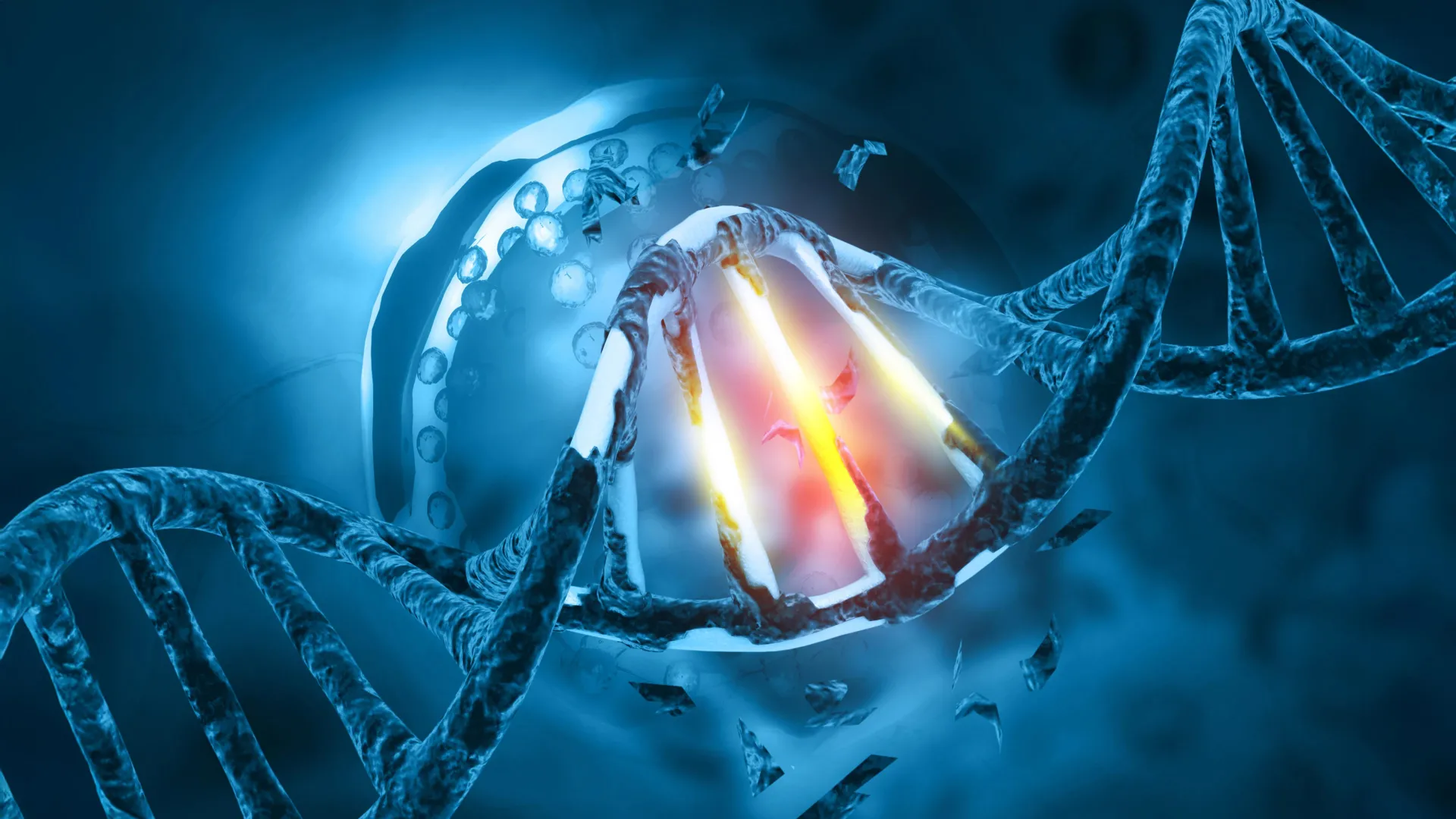
A significant hurdle in previous genetic research was the inability to detect rare mutations within a vast population of cells. Standard DNA sequencing technologies often have an error rate that is higher than the frequency of the mutations being studied. To overcome this, the research team utilized NanoSeq, a cutting-edge, ultra-accurate duplex sequencing technology. NanoSeq allows scientists to identify individual DNA changes with unprecedented precision, effectively filtering out the "noise" of sequencing errors to see the true genetic landscape of the sperm.
The primary study analyzed sperm samples from 81 healthy men, ranging in age from 24 to 75 years. These participants were drawn from the TwinsUK cohort, the United Kingdom’s largest adult twin registry. By utilizing this specific demographic, researchers were able to cross-reference genetic findings with extensive longitudinal health data, ensuring that the participants represented a diverse and well-documented segment of the healthy population.
Quantitative Findings: The Correlation Between Age and Mutation Burden
The data extracted from the 81 participants provided a clear, upward trajectory of genetic risk. In men in their early 30s, approximately 2 percent of sperm carried mutations that could potentially cause disease. However, as the participants aged, this percentage climbed significantly. In the age bracket of 43 to 74, the proportion of mutated sperm rose to between 3 and 5 percent. Among the oldest participants, specifically those aged 70 and above, the average reached 4.5 percent.
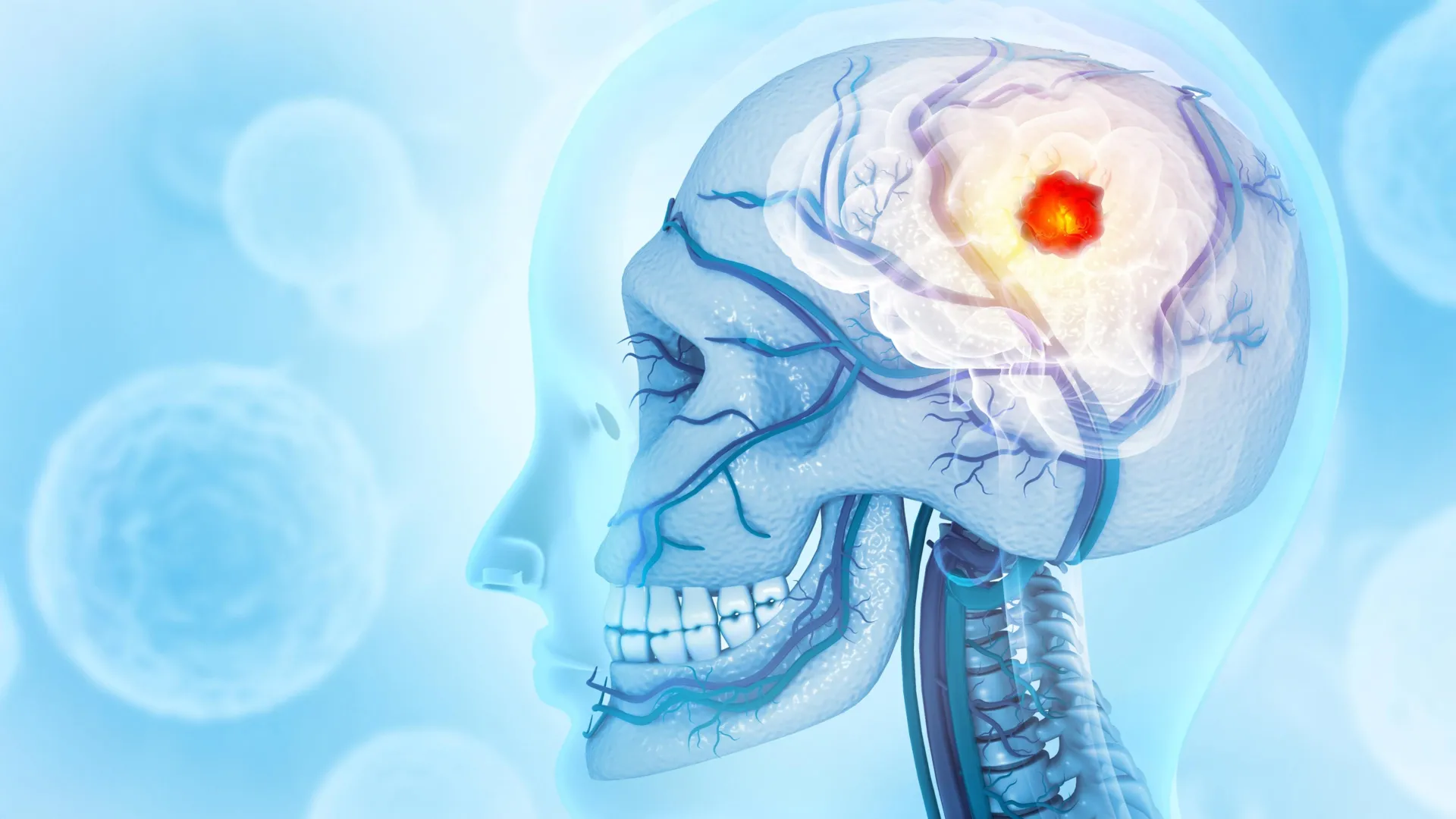
While these percentages may seem small in isolation, they represent a massive increase in the absolute number of "at-risk" sperm cells, given that a single ejaculation contains millions of sperm. The study identified 40 specific genes that appear to benefit from this internal selection process. Of these, 13 were already known to be associated with "paternal age effect" (PAE) disorders, such as achondroplasia (a common form of dwarfism) and Apert syndrome (a disorder involving the premature fusion of skull bones). The remaining 27 genes, however, were newly identified as being subject to this selection process, many of which are linked to broader neurodevelopmental conditions and predispositions to certain cancers.
The Harvard Study: Validating Selection Through Inheritance
Complementing the direct analysis of sperm, a secondary study led by Harvard Medical School examined the "output" of this process by looking at the DNA of children. This team analyzed genetic data from over 54,000 parent-child trios (mother, father, and child) and a further 800,000 healthy individuals. Their goal was to see if the mutations observed in sperm were actually making it through to the next generation.
The findings were startling: mutations in more than 30 genes were found to give sperm cells a competitive edge so potent that it increased the mutation rate in those specific genes by roughly 500-fold compared to the rest of the genome. This explains a long-standing medical mystery: why certain rare genetic disorders appear in children even when neither parent carries the mutation in their blood or saliva. Because the mutation is "enriched" in the father’s sperm through selection, the probability of it being passed on is significantly higher than a random error would suggest.
Furthermore, the Harvard study raised a critical warning for clinical genetics. Because these mutations are so common in the sperm of older men, they can create "false-positive" associations in genetic studies. A gene might appear to be linked to a specific disease simply because it is frequently mutated due to selection in the testes, rather than because it plays a functional role in the disease’s pathology.
Biological Mechanics: Why Harmful Mutations "Thrive"
The core of the "selfish selection" theory lies in the signaling pathways of the cell. Many of the 40 genes identified by the Sanger Institute are involved in the RAS-MAPK signaling pathway, which regulates cell growth and division. When a mutation occurs that "turns on" this pathway permanently, the spermatogonial stem cell begins to divide more rapidly than its neighbors.
From the perspective of the individual cell, the mutation is a success—it allows the cell to dominate the "real estate" of the testes. From the perspective of the offspring, however, the mutation is a failure. When these "hyper-active" cells eventually produce sperm, those sperm carry the mutation. If one of these sperm fertilizes an egg, the resulting child will have the mutation in every cell of their body, often leading to systemic developmental issues.
Expert Reactions and the Human Element
The implications of these findings have resonated throughout the scientific community. Dr. Matthew Neville, the first author of the Sanger study, noted that the degree to which selection drives the prevalence of disease-linked mutations was unexpected. "What surprised us was just how much it drives up the number of sperm carrying mutations linked to serious diseases," Neville stated, highlighting that the "selfish" nature of these cells is a primary driver of paternal genetic risk.
Professor Matt Hurles, Director of the Wellcome Sanger Institute, emphasized the "hidden" nature of this risk. He pointed out that while maternal age risks (such as Down syndrome) are well-publicized and screened for, the paternal age risk is more subtle and harder to detect using standard prenatal tests. "Fathers who conceive later in life may unknowingly have a higher risk of passing on a harmful mutation to their children," Hurles warned.
Professor Kerrin Small of King’s College London highlighted the importance of the TwinsUK cohort, noting that the altruism of the participants allowed for a study of this scale. The use of longitudinal samples—samples taken from the same individuals over many years—was vital in confirming that these changes are a function of the aging process within the individual.
Broader Implications for Reproductive Medicine
The discovery of these 40 genes and the 500-fold increase in mutation rates has immediate implications for the future of reproductive health and genetic counseling.
- Refining Risk Assessments: Current paternal age risk assessments are often based on broad statistics. These studies provide a specific list of genes and a quantifiable rate of increase, which could lead to more precise screening for older fathers.
- Improving IVF and Genetic Screening: As the average age of parenthood continues to rise globally, the demand for In Vitro Fertilization (IVF) and Preimplantation Genetic Testing (PGT) is growing. Understanding which genes are most likely to carry "selfish" mutations could allow for more targeted screening of embryos.
- Environmental and Lifestyle Research: The researchers noted that identifying these baseline mutation rates is only the beginning. The next step is to investigate whether environmental factors—such as diet, smoking, or exposure to pollutants—accelerate this "selfish selection" process.
- Public Health Messaging: The study contributes to a growing body of evidence that paternal age is a significant factor in offspring health, potentially shifting public health conversations that have historically focused almost exclusively on maternal age.
Conclusion: A New Frontier in Evolutionary Biology
This research marks a turning point in our understanding of human evolution. It demonstrates that natural selection does not just happen at the level of the individual or the species, but at the level of the single cell within our own bodies. The male germline is not a static vault of genetic information; it is a dynamic, evolving environment where the "survival of the fittest" can occasionally favor the "unfittest" for the next generation.
As the scientific community continues to digest these findings, the focus will turn to how this "hidden" genetic risk can be managed. While the rising age of fatherhood is a result of complex socioeconomic factors, the work of the Wellcome Sanger Institute and its partners ensures that future parents will have a much clearer map of the genetic landscape they are navigating. More studies will be required to see if these mutations lead to higher rates of miscarriage or specific developmental outcomes, but for now, the veil has been lifted on the competitive world of the human testes.