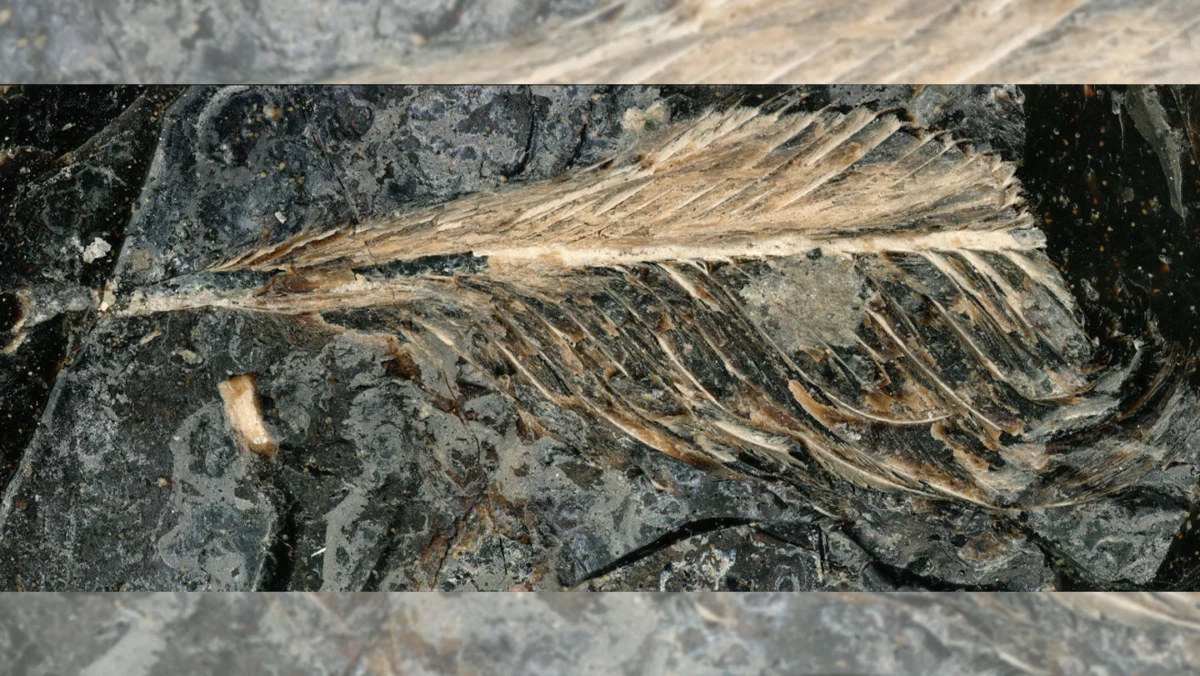
The discovery of remarkably preserved feathers within fossilized dinosaur dung has opened a new window into the ecological dynamics of the Late Cretaceous Period, offering paleontologists a rare biological record that was previously thought to be impossible to obtain. These microscopic structures, recovered from coprolites attributed to juvenile theropods such as Tyrannosaurus rex or Nanotyrannus, provide unprecedented evidence of the diet and environmental adaptations of predators living just before the mass extinction event that reshaped the planet 66 million years ago.
A Rare Glimpse into the Cretaceous Ecosystem
For decades, the study of dinosaur extinction has relied heavily on skeletal remains and geological strata. However, fossilized excrement—or coprolites—offers a direct, albeit messy, link to the behavior of ancient animals. The identification of feathers within these samples, magnified 200 times, represents a milestone in paleontology. Researchers, led by J.K. O’Connor and a team of experts published in Current Biology, suggest that these feathers were likely ingested by the predators when they consumed smaller, feathered dinosaurs or primitive birds.
The state of preservation is particularly noteworthy. Typically, biological material like feathers is destroyed by digestive enzymes and the harsh chemical environment of a predator’s gut. The fact that these feathers remained identifiable suggests a rapid transit time through the digestive tract or a unique, perhaps less acidic, gastric environment in these juvenile theropods. This finding provides a direct physical link between the apex predators of the Cretaceous and their avian prey, effectively mapping a portion of the ancient food web that has remained largely theoretical until now.
Chronology of the End-Cretaceous Transition
To understand the significance of these feathers, one must look at the timeline of the Cretaceous-Paleogene (K-Pg) boundary. Approximately 66 million years ago, a massive asteroid impact in what is now the Yucatán Peninsula triggered a global environmental catastrophe. The resulting "impact winter"—a period of extreme darkness caused by aerosolized debris and sulfur—led to the collapse of photosynthesis, the death of primary producers, and the eventual extinction of approximately 75% of all species, including all non-avian dinosaurs.
The feathers found in the coprolites date to the final stages of this era. By examining the structural integrity of these feathers, researchers can infer the types of insulation and thermoregulation capabilities present in the smaller prey animals. This data is critical because it suggests that even in the final million years of the Cretaceous, there was a diverse array of feathered, avian-like creatures occupying niches that were eventually occupied by modern birds. The transition from these ancient lineages to the survivors of the K-Pg event is one of the most debated topics in evolutionary biology.
Supporting Data and Biological Implications
The structural analysis of the feathers indicates they belonged to small, likely flightless or early-flight-capable dinosaurs. The morphological characteristics—such as the rachis and barbules—closely resemble those found in modern avian species, suggesting that the basic architecture of feathers had been perfected long before the asteroid strike.
Comparative data from other fossil sites across the Hell Creek Formation and similar deposits in Asia support the hypothesis that feathered dinosaurs were far more common than previously assumed. If predators were routinely consuming these creatures, it implies that the avian-like dinosaur population was robust. The survival of only a small subset of these birds—those that would eventually give rise to all modern avian life—remains a subject of intense scientific scrutiny.
Some researchers suggest that the key to survival was not just size, but metabolic flexibility. Small, feathered creatures capable of ground-dwelling and possessing varied diets were more likely to survive the cessation of vegetation-based food chains than their larger, specialized cousins. The presence of feathers in the gut of a carnivore indicates that these smaller creatures were being integrated into the diet of apex predators, potentially acting as a critical protein source during seasonal shifts in the late Cretaceous.
Analysis of the Extinction Filter
The "dino doomsday" event was not a uniform filter. The survival of modern birds (Neornithes) compared to the extinction of enantiornithines and other primitive lineages suggests that specific physiological traits were advantageous.
- Thermoregulation: The feathers found in the fossilized dung confirm that these dinosaurs were likely endothermic, or warm-blooded. The ability to maintain body temperature would have been essential during the cooling climate that preceded and followed the asteroid impact.
- Niche Partitioning: By studying the diet of the juvenile T. rex, scientists can determine if these predators were opportunistic hunters. If they were feeding on small, feathered prey, it suggests that the food web was highly interconnected, meaning that when the primary food sources for small birds (like insects or seeds) dwindled, the entire trophic pyramid collapsed rapidly.
- Dietary Plasticity: Modern birds possess beaks that allow them to consume seeds, which were among the few food sources that persisted in the soil after the impact. The feathers found in the coprolite indicate that the prey consumed by the predators were not necessarily seed-eaters, possibly explaining their inability to adapt to the post-impact environment.
Official Responses and Academic Context
While the study is still being integrated into the broader paleontological discourse, initial reactions from the academic community have been largely positive. Experts note that the technical difficulty of identifying microscopic feather structures in fossilized waste cannot be overstated.
"This discovery changes how we look at the ‘waste’ of the past," says one independent paleontologist familiar with the study. "We have spent decades focusing on bones, but the soft tissues and biological traces left behind in coprolites provide a narrative of interaction that bones simply cannot provide. Seeing a feather in a pile of fossilized dung is effectively seeing the last meal of a dinosaur, which is the closest we will ever get to witnessing a real-time event from the Cretaceous."
There is, however, caution regarding the interpretation of the juvenile theropod’s digestive system. Critics of early interpretations suggest that more research is needed to determine whether the feathers were truly consumed as food or if they were ingested accidentally during the process of scavenging or grooming. Regardless of the exact intent, the presence of the feathers proves that these animals were in close physical proximity and that the feathers were robust enough to survive the initial stages of digestion.
Broader Impact and Future Research
The implications of this study extend beyond the specific dinosaur species involved. It sets a new standard for how paleontologists analyze coprolites, suggesting that these often-overlooked fossils are actually treasure troves of biological data. If feathers can be preserved, it is possible that other delicate structures—such as skin cells, muscle fibers, or even gut bacteria signatures—could be recovered from similar samples.
This discovery also invites a re-evaluation of the avian evolutionary tree. By identifying the types of feathers consumed, researchers may be able to better categorize the biodiversity of the Late Cretaceous. Understanding what was being eaten is just as important as understanding the dominant predators, as it reveals the secondary tier of the ecosystem that supported the giants of the era.
As climate change continues to impact modern biodiversity, the study of how ancient life responded to rapid environmental shifts becomes increasingly relevant. The Cretaceous-Paleogene extinction serves as the ultimate case study for ecological collapse. By understanding the specific traits—like plumage and dietary habits—that allowed some birds to survive while others perished, scientists hope to better predict how modern species might fare in the face of current environmental pressures.
The work of O’Connor and the team represents a significant step forward in the multidisciplinary approach to paleontology. By combining high-resolution imaging, chemical analysis, and traditional fossil study, they have turned a piece of prehistoric dung into a vital piece of evidence in the story of life on Earth. As more samples are processed and analyzed, the hope is that we will gain a clearer, more granular picture of the final days of the dinosaurs and the resilient lineage that carried the avian legacy into the modern world.