A multidisciplinary research team led by Yale University has successfully mapped the precise biological mechanism by which a naturally occurring antibody in mammals prevents sperm cells from fertilizing an egg. The study, published in the journal Proceedings of the National Academy of Sciences (PNAS), provides the first high-resolution look at the molecular "handshake" between sperm and egg proteins and how that connection can be intentionally or naturally disrupted. By identifying the structural basis of this interaction, researchers have opened significant new avenues for treating immunological infertility and developing next-generation, non-hormonal contraceptives.
The research focuses on a specific protein-receptor interaction that serves as the gateway to mammalian life. In the complex journey of fertilization, a protein on the surface of the sperm cell known as IZUMO1 must bind with a receptor on the egg’s surface called JUNO. This connection is the critical precursor to the adhesion and fusion of the two cells. However, for decades, scientists have known that certain antibodies can interfere with this process, though the exact structural "how" remained a mystery until now.
The Molecular Architecture of Fertilization
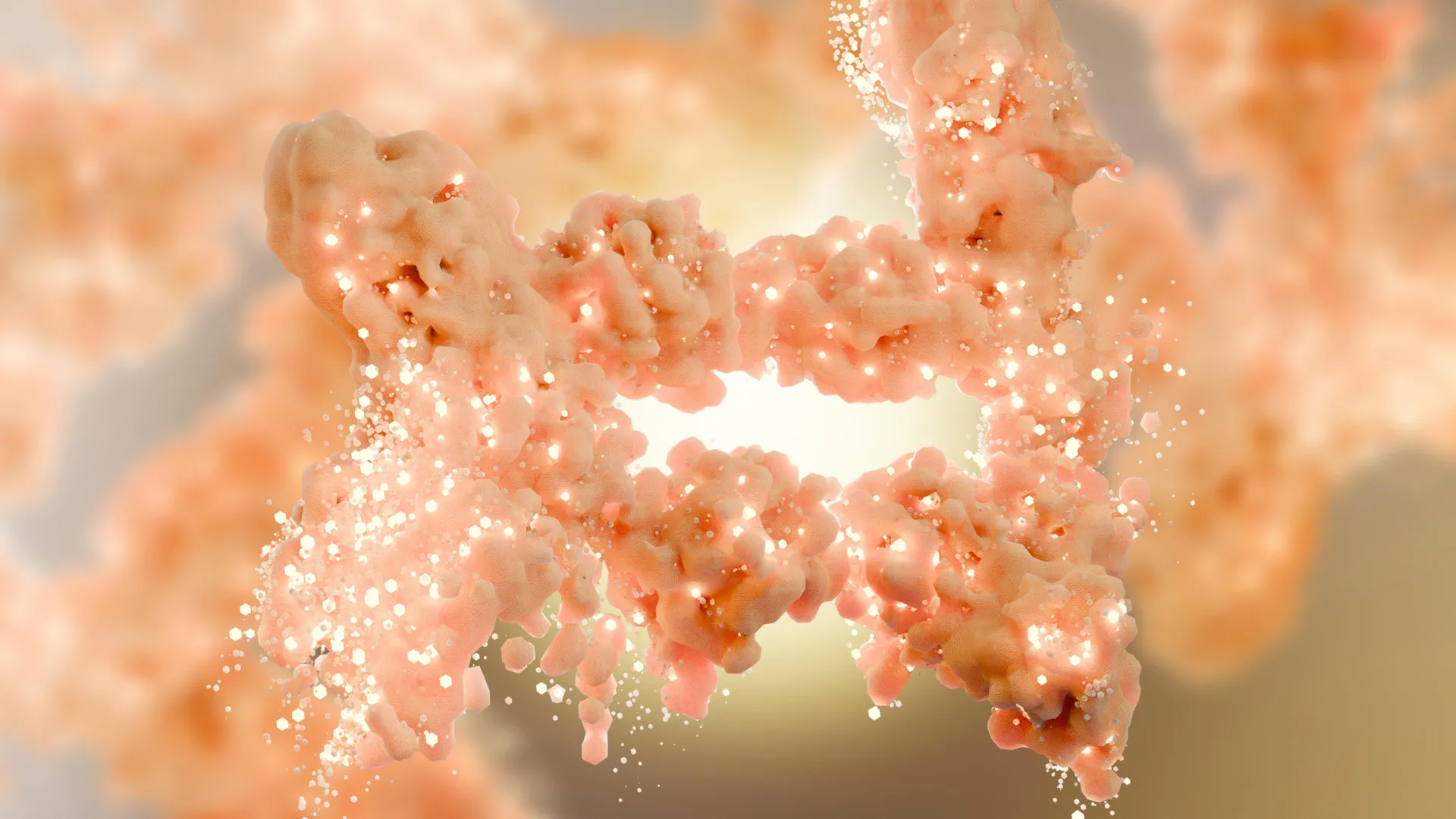
At the heart of the study is the discovery of how the OBF13 antibody—a naturally occurring anti-sperm antibody—interacts with the IZUMO1 protein. Using advanced X-ray crystallography, the Yale-led team, in collaboration with researchers from Osaka University, analyzed the crystal structure of the IZUMO1-OBF13 complex. They found that OBF13 does not simply "block" the sperm; rather, it attaches to the IZUMO1 protein in a configuration that physically prevents it from docking with the JUNO receptor on the egg.
"This work represents a milestone in reproductive biology," said Steven Tang, an assistant professor of molecular biophysics and biochemistry in Yale’s Faculty of Arts and Sciences and the study’s corresponding author. "By reporting the first anti-sperm antibody-antigen complex structure, we are providing the high-resolution blueprints necessary to design new regulators for IZUMO1. This has direct implications for both helping those who cannot conceive and providing new options for those seeking to prevent pregnancy."
The analysis further identified a high-affinity variant of the OBF13 antibody. This "tight-bonding" version was shown to be exceptionally potent in blocking fertilization in rodent models, suggesting that synthetic versions of this antibody could serve as the basis for highly effective, targeted contraceptives.
A Forty-Year Mystery Solved
The OBF13 antibody is not a new discovery in itself. It was first identified 40 years ago by researchers at Osaka University in Japan. Since its initial discovery, it has been recognized as a primary factor in cases of "immuno-infertility," a condition where a person’s immune system produces antibodies that attack sperm cells as if they were foreign pathogens.
Despite its long history in the literature, the lack of high-resolution imaging technology meant that scientists could only observe the results of OBF13—the failure of fertilization—without understanding the mechanical cause. The Yale study bridges this 40-year gap by utilizing modern biophysical techniques to visualize the atomic-level interactions between the antibody and its target.
Chronology of Reproductive Protein Research
The path to this discovery has been built on several decades of incremental breakthroughs in reproductive science:
- 1980s: The OBF13 antibody is first discovered and isolated at Osaka University, identified as a factor that prevents sperm-egg fusion.
- 2005: The IZUMO1 protein is identified on the surface of sperm cells. Named after a Japanese shrine dedicated to marriage, it is found to be essential for the fusion of sperm and egg membranes.
- 2014: The JUNO receptor is discovered on the surface of the egg. Researchers confirm that JUNO is the primary binding partner for IZUMO1, completing the "lock and key" model of mammalian fertilization.
- 2016–2022: Advances in X-ray crystallography and cryo-electron microscopy allow researchers to begin mapping the individual structures of these proteins.
- 2024: The Yale-led team publishes the first structural analysis of the IZUMO1-OBF13 complex, revealing how antibodies disrupt the fertilization process at a molecular level.
Supporting Data: The Landscape of Fertility and Infertility
The implications of this research are underscored by current reproductive health statistics. In the United States, fertility issues are a widespread concern, affecting a significant portion of the population during their peak reproductive years.
According to data cited in the study, approximately 9% of men and 11% of women of reproductive age in the U.S. experience fertility problems. While many cases of infertility are attributed to hormonal imbalances, structural issues, or age, a subset of these cases falls under the category of "unexplained infertility" or "immunological infertility." In these instances, the body’s immune system creates a barrier to conception.
The Yale study also highlights the role of specific amino acid sites on the JUNO receptor. The researchers identified key sites that define JUNO’s ability to bind with IZUMO1. Interestingly, they discovered that when these sites are accessed correctly, they can facilitate the binding of sperm and egg even in the presence of interference from OBF13. This "workaround" suggests that future fertility treatments could involve modifying or protecting these binding sites to overcome the presence of anti-sperm antibodies in a patient’s system.
Implications for Contraceptive Development
Beyond treating infertility, the study provides a foundational framework for "immuno-contraception." Currently, the majority of available contraceptives for women are hormonal, which can carry side effects ranging from mood changes to increased risks of blood clots. For men, options are largely limited to barrier methods or permanent surgical procedures like vasectomies.
The discovery of the high-affinity OBF13 variant offers a blueprint for a non-hormonal contraceptive that targets the fertilization process specifically, rather than altering the body’s endocrine system. By designing small-molecule inhibitors or synthetic antibodies that mimic the action of OBF13, scientists could develop a "molecular shield" that prevents fertilization with high precision and fewer systemic side effects.
"The high-resolution information we’ve gathered will guide the design of antibody and small-molecule inhibitors," Tang noted. "This is exactly what is needed to support drug screening for the next generation of contraceptive development."
Institutional Support and Collaborative Research
The study was a massive international effort, reflecting the global nature of reproductive health research. The first author, Yonggang Lu, and co-author Masahito Ikawa both hail from Osaka University, maintaining the historical link to the original discovery of OBF13.
The research was made possible through significant institutional and financial backing, including:
- The National Institutes of Health (NIH): Providing primary funding for the molecular analysis.
- The Male Contraception Initiative: Awarding the David Sokal Innovation Award to support the development of new male-centered birth control methods.
- Japanese Agencies: The Japan Society for the Promotion of Science, the Japan Agency for Medical Research and Development, and the Takeda Science Foundation.
- U.S. Department of Energy: The team utilized the high-tech facilities at the SLAC National Accelerator Laboratory in California, specifically the structural biology resources supported by the Office of Science.
The use of the SLAC National Accelerator Laboratory was particularly crucial. The laboratory’s specialized X-ray equipment allowed the researchers to capture the "X-ray crystal structure" of the proteins at a resolution that was previously unattainable. This level of detail is necessary to see how individual atoms in the OBF13 antibody interact with the amino acids of the IZUMO1 protein.
Analysis: A Shift in Reproductive Medicine
The Yale study represents a shift from observing biological outcomes to engineering biological solutions. By understanding the "immuno-infertility" mechanism at its most basic level, medicine can move toward more personalized approaches.
For couples struggling with the presence of anti-sperm antibodies, the identification of the JUNO binding sites offers a potential therapeutic target. If a drug or treatment can prevent antibodies from "parking" on the IZUMO1 protein, or if it can enhance the JUNO receptor’s affinity for sperm despite the presence of antibodies, it could bypass the need for more invasive and expensive procedures like in vitro fertilization (IVF).
Furthermore, the data regarding the high-affinity variant of OBF13 provides a clear path forward for the "Male Contraception Initiative." As the scientific community seeks to balance the burden of contraception more equitably between genders, the ability to target a sperm-specific protein like IZUMO1 is a holy grail of research. Because IZUMO1 is only found on sperm, a drug targeting it is less likely to have off-target effects in other parts of the body.
Conclusion
The Yale-led discovery of the OBF13-IZUMO1 interaction marks a turning point in the study of mammalian reproduction. By decoding a 40-year-old biological mystery, the team has provided the scientific community with the tools to both facilitate and prevent life with unprecedented molecular precision. As researchers move from structural analysis to drug screening and clinical trials, the findings in PNAS are expected to form the basis of a new era in reproductive health, characterized by targeted, non-hormonal, and highly effective therapies.