Scientists have taken a significant step toward developing an effective vaccine against shigellosis, the infection caused by Shigella bacteria. In a small clinical trial, two oral doses of a vaccine candidate, known as WRSs2, demonstrated significant protection against shigellosis in participants. Researchers reported these promising findings on June 30 in the peer-reviewed journal The Lancet Infectious Diseases, marking a crucial development in the fight against a persistent and increasingly challenging global health threat. The implications of this breakthrough extend beyond mere infection prevention, offering a potential bulwark against the growing tide of antibiotic resistance.
The Urgent Need for a Shigellosis Vaccine
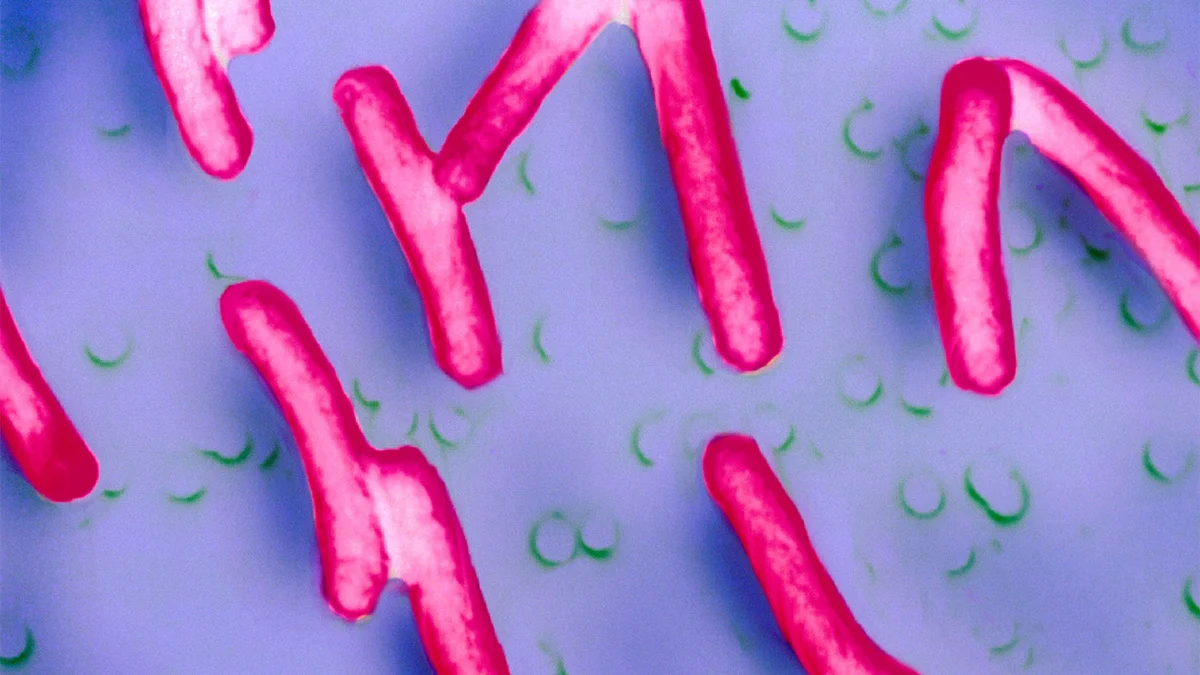
Shigellosis, a severe diarrheal disease, is caused by infection with Shigella bacteria. These pathogens are highly contagious and spread through the fecal-oral route, making them particularly prevalent in areas with poor sanitation and limited access to clean water. The World Health Organization (WHO) estimates that Shigella bacteria are responsible for hundreds of thousands of deaths annually, with children under five years of age being the most vulnerable.
The disease manifests with symptoms such as fever, abdominal cramps, and bloody diarrhea. While mild cases can resolve on their own, severe infections can lead to dehydration, malnutrition, and even life-threatening complications like toxic megacolon and hemolytic uremic syndrome. The rise of multidrug-resistant strains of Shigella has further amplified the urgency for effective interventions. Antibiotics, once the primary treatment for shigellosis, are becoming increasingly ineffective against these resilient bacteria, leaving healthcare providers with limited options and increasing the risk of prolonged illness and mortality.
WRSs2 Vaccine: A Novel Approach
The vaccine candidate, WRSs2, represents a novel approach to preventing shigellosis. Developed by a consortium of researchers and public health institutions, it targets specific components of the Shigella bacteria to elicit an immune response. Unlike traditional vaccines that often involve injectable formulations, WRSs2 is administered orally. This delivery method is particularly advantageous for widespread public health campaigns, especially in resource-limited settings where access to sterile injection equipment may be a challenge.
The clinical trial, conducted in a controlled environment, involved a cohort of adult volunteers who received two oral doses of the WRSs2 vaccine. The study meticulously monitored participants for any adverse reactions and, crucially, assessed their immune response and susceptibility to Shigella infection. The results indicated a robust immune response in vaccinated individuals, with a significant reduction in the incidence and severity of shigellosis following controlled exposure to the bacteria.
Supporting Data and Trial Design
While the precise details of the trial’s statistical significance and the exact percentage of protection are elaborated upon in the full scientific publication, the preliminary report highlights a substantial protective effect. This early-stage trial, often referred to as a Phase I or Phase II study, is designed to evaluate the safety and immunogenicity of a vaccine candidate. The positive outcomes reported suggest that WRSs2 is not only safe for human consumption but also capable of priming the immune system to effectively combat Shigella infections.
The study’s design likely involved a placebo-controlled group to ensure that the observed effects were directly attributable to the vaccine. Rigorous monitoring of both vaccinated and control groups would have allowed researchers to quantify the vaccine’s efficacy. The fact that the vaccine is administered orally is also a key factor, potentially leading to the development of mucosal immunity in the gut, which is the primary site of Shigella infection. This localized immune response could be more effective in preventing the bacteria from colonizing the intestinal lining.
A Timeline of Progress
The development of WRSs2 is not an isolated event but rather the culmination of years of research and development in the field of diarrheal disease vaccines. The global effort to combat shigellosis has seen numerous research initiatives, with previous vaccine candidates facing challenges in terms of efficacy, safety, or scalability. The success of WRSs2 in this early trial signifies a critical milestone, building upon foundational scientific understanding of Shigella‘s pathogenesis and the host immune response.
The journey from laboratory discovery to a widely available vaccine is a lengthy and complex process. This promising early trial suggests that WRSs2 could potentially move into larger, more extensive Phase III clinical trials, which involve a much larger participant pool and are designed to confirm efficacy and monitor for rarer side effects in a real-world setting. Should these larger trials prove successful, the vaccine could then undergo regulatory review and, if approved, become available for public use. This process can take several more years, but the current findings offer a strong basis for optimism.
Broader Impact and Implications: Combating Antimicrobial Resistance
The most profound implication of a successful shigellosis vaccine lies in its potential to mitigate the growing crisis of antimicrobial resistance (AMR). Shigella is a significant contributor to the burden of AMR, with strains resistant to multiple antibiotics becoming increasingly common. By preventing infections, a vaccine would reduce the need for antibiotic treatment, thereby decreasing the selective pressure that drives the evolution and spread of resistant bacteria.
This reduction in antibiotic use would not only benefit individuals infected with shigellosis but also contribute to a broader public health strategy to preserve the effectiveness of existing antibiotics for other bacterial infections. The WHO has declared AMR one of the top 10 global public health threats facing humanity, and the development of vaccines against common bacterial pathogens like Shigella is a crucial component of its global action plan.
Furthermore, a readily available and effective shigellosis vaccine could significantly reduce the economic burden associated with the disease. Hospitalizations, lost productivity due to illness, and the cost of treating drug-resistant infections represent a substantial drain on healthcare systems worldwide. Preventing infections through vaccination offers a cost-effective and sustainable solution.
Official Responses and Global Health Perspectives
While specific official statements directly from major global health organizations regarding this particular trial are likely to follow as more data becomes available and the vaccine progresses through further stages, the general sentiment within the global health community is one of cautious optimism. Organizations like the WHO, the Centers for Disease Control and Prevention (CDC), and Gavi, the Vaccine Alliance, have consistently emphasized the critical need for new vaccines against diarrheal diseases, particularly those caused by bacteria like Shigella.
The development of WRSs2 aligns perfectly with the strategic priorities of these organizations. If proven effective and scalable, this vaccine could become a vital tool in achieving the Sustainable Development Goals related to health and well-being, particularly SDG 3.3, which aims to end epidemics of AIDS, tuberculosis, malaria, and neglected tropical diseases and to combat other water-borne diseases.
Future Directions and Challenges
The successful completion of larger clinical trials will be paramount for the widespread adoption of the WRSs2 vaccine. Researchers will need to demonstrate its long-term efficacy, safety profile across diverse populations, and its ability to confer durable immunity. Manufacturing and distribution will also pose significant logistical challenges, especially in ensuring equitable access to the vaccine in low- and middle-income countries where the burden of shigellosis is highest.
The scientific community will also be keenly observing the impact of the vaccine on the genetic diversity of Shigella strains. As with any widespread vaccination program, there is a theoretical possibility that the bacteria could evolve to evade the vaccine-induced immunity. Continuous surveillance and research will be essential to monitor for such developments and to adapt public health strategies accordingly.
In conclusion, the early success of the WRSs2 vaccine candidate represents a beacon of hope in the ongoing battle against shigellosis and, more broadly, against the escalating threat of antimicrobial resistance. This development underscores the vital role of scientific innovation and collaborative research in addressing pressing global health challenges and offers a tangible pathway toward a future where the devastating impact of shigellosis can be significantly diminished.