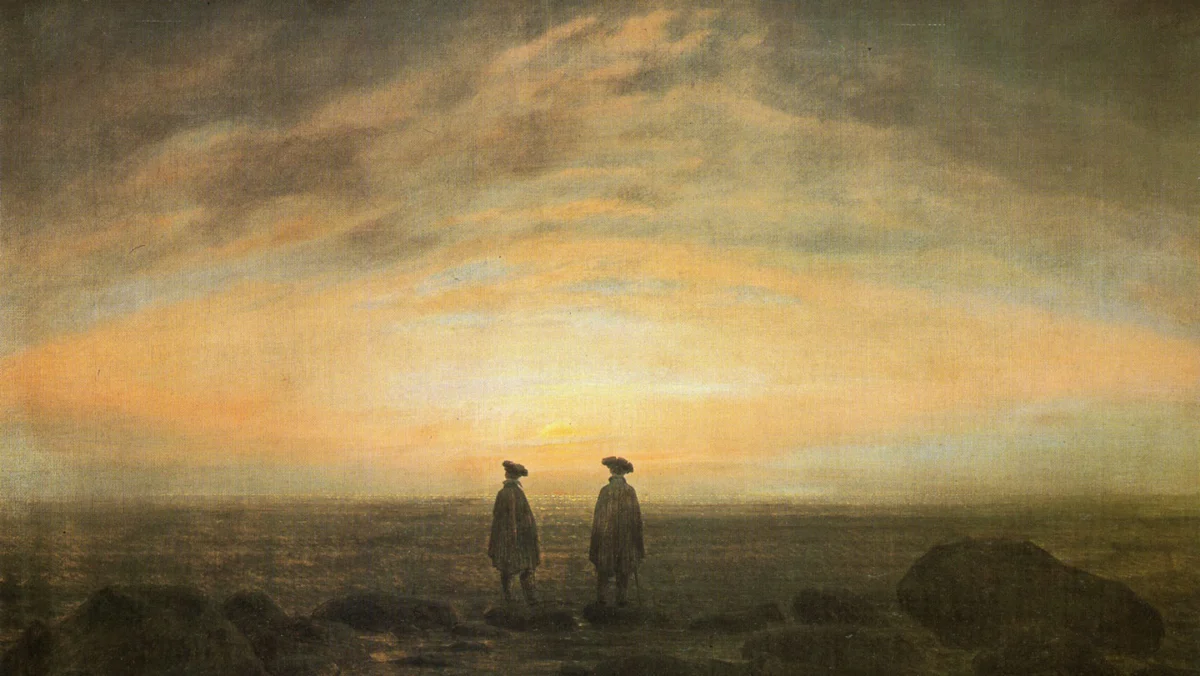
For centuries, art historians and naturalists viewed the animal subjects in classical paintings as mere symbols—allegorical stand-ins for moral virtues, religious motifs, or political warnings. However, a growing interdisciplinary field known as "eco-art history" is beginning to challenge this interpretation, revealing that the brushes of Renaissance and Baroque masters often captured genuine ecological observations long before they were formally documented by modern science. From the predatory habits of bats to the complex life cycles of insects, historical artworks are proving to be unexpectedly precise data points in the study of long-term biological change.
The Renaissance Observation Gap
The scientific record is often limited by the human capacity to witness rare events. Many natural phenomena occur in remote locations or at intervals that escape the short, grant-funded observation periods typical of modern ecology. In contrast, artists of the 16th and 17th centuries, particularly those in the Flemish and Dutch traditions, practiced a form of "extreme observation." They spent years documenting flora and fauna with a level of detail that borders on the taxonomic.
A prime example is Jan Brueghel the Elder’s 1611 work, Air. In the top right corner of this sprawling composition, Brueghel depicted a bat clutching a songbird in its jaws. For 400 years, this was dismissed as a flight of fancy—a grotesque flourish intended to illustrate the chaos of nature. It was not until the 21st century that field biologists began systematically documenting bat species—specifically large-bodied, insectivorous varieties—that occasionally supplement their diet with small vertebrates. Brueghel had documented an ecological interaction that modern science would not categorize as a consistent behavior until the late 2010s.
Maria Sibylla Merian and the Entomological Record
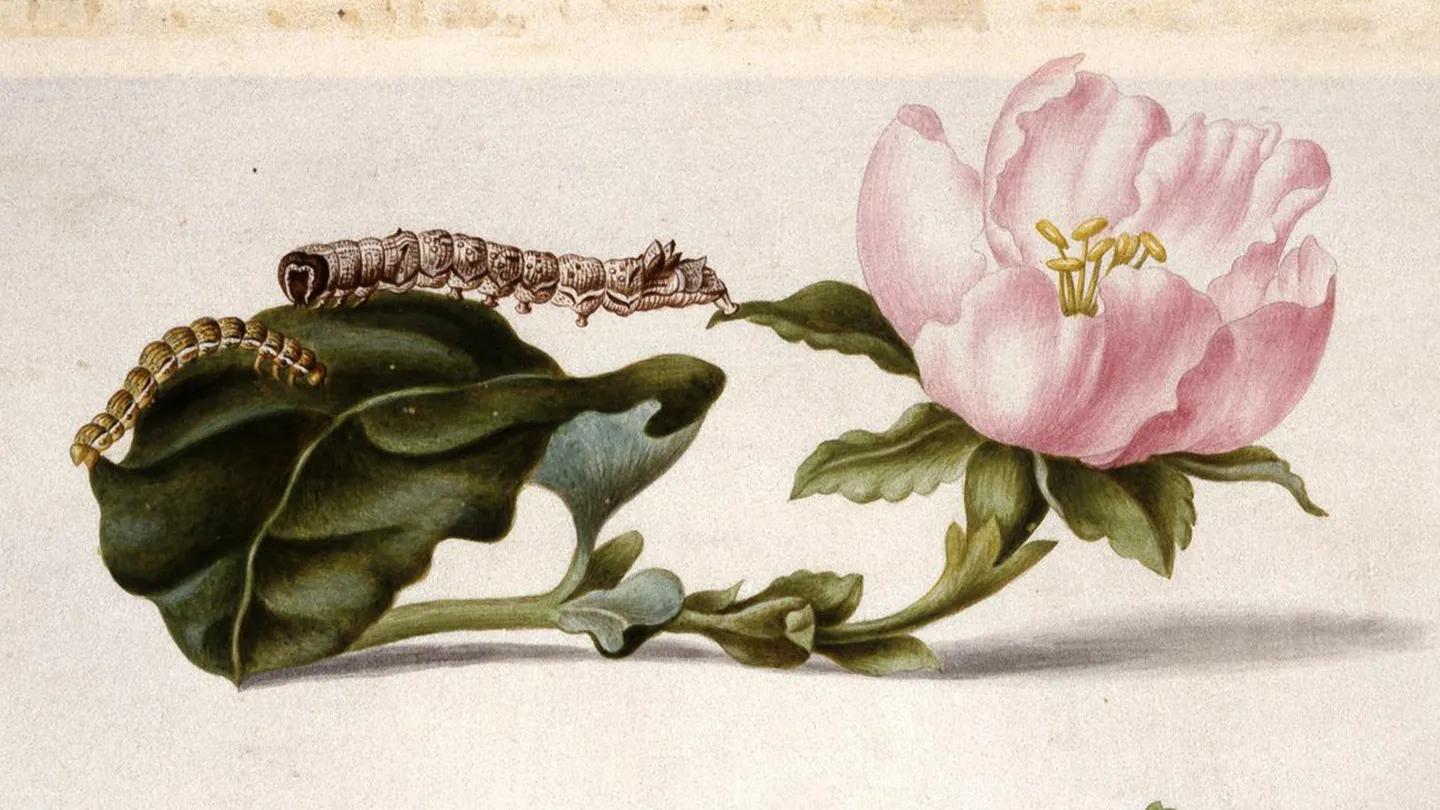
The role of historical art in ecology is perhaps most profoundly felt in the work of Maria Sibylla Merian (1647–1717). A German-born naturalist and scientific illustrator, Merian traveled to Suriname in 1699 to document the metamorphosis of insects. Unlike many of her contemporaries, who painted specimens from preserved, often mangled corpses, Merian painted from live observation.
Her detailed renderings of caterpillars on specific host plants have become invaluable for modern researchers. Because Merian meticulously documented which plants supported which larvae, her portfolios serve as a baseline for understanding historical insect-plant interactions. Entomologists today are using her work to track the range shifts of lepidoptera over three centuries. By comparing Merian’s illustrations to contemporary field surveys, scientists can calculate how climate change and agricultural expansion have altered the host-plant preferences of specific butterfly species.
A Chronology of Ecological Documentation
The integration of art into biological datasets follows a distinct timeline of discovery:
- 1600–1700 (The Age of Observation): Artists like Brueghel and Roelant Savery incorporate hyper-realistic animal depictions into paintings, often documenting behaviors like predation, camouflage, and specific nesting habits.
- 1700–1900 (The Taxonomic Era): Naturalists begin to use these artworks as illustrative aids. However, the "allegorical" bias persists, leading many to disregard the accuracy of the behaviors depicted.
- 1900–2000 (The Analytical Gap): Modern ecology prioritizes statistical field data and laboratory experiments. Historical art is largely relegated to museums, disconnected from the scientific mainstream.
- 2000–Present (The Interdisciplinary Renaissance): Advancements in digital imaging and high-resolution scanning allow scientists to zoom into fine details of centuries-old canvases. Researchers begin cross-referencing these details with modern field guides, leading to the "re-discovery" of behaviors previously thought to be folklore.
Data-Driven Validation
The shift from treating art as "metaphor" to "data" relies on rigorous validation methods. Scientists employ techniques such as spectral analysis to ensure that the pigments used by artists correspond to real-world colors, which can indicate the health of a plant or the breeding plumage of a bird.
For instance, a recent study analyzed 18th-century landscape paintings in the United Kingdom to track the timing of seasonal events, such as the budding of hawthorn trees. By measuring the developmental stage of plants depicted in dated paintings, researchers created a "phenological record" that predates systematic government record-keeping by over a hundred years. This data provided critical evidence for the acceleration of spring onset due to rising temperatures—a trend that would be statistically impossible to prove with modern records alone.
Implications for Modern Conservation
The utility of this research extends beyond historical curiosity; it is a vital tool for conservation biology. Understanding "baseline" behavior—how species acted before the industrial revolution—is essential for restoration ecology.
If conservationists are attempting to restore a habitat to its "natural state," they often rely on 20th-century data. However, historical art suggests that ecosystems were significantly more complex and had different species interactions than previously realized. By incorporating artistic evidence, ecologists can set more accurate targets for biodiversity recovery.
Furthermore, these findings serve as a bridge between the humanities and the sciences. When scientists present their findings at professional conferences, the inclusion of artistic evidence has proven highly effective in engaging the public. It transforms dry biological data into a narrative that emphasizes the continuity of human observation.
The Future of Eco-Art History
As the field matures, researchers are looking toward Artificial Intelligence to accelerate the process. Machine learning algorithms are currently being trained to scan thousands of digitized museum collections to identify patterns in species distribution. These algorithms can flag anomalies—such as a plant appearing in a region where it was not previously thought to have existed—and prompt researchers to investigate further.
However, experts caution that art is not a substitute for peer-reviewed field observation. Artists have their own biases; they may have exaggerated the size of a predator to make it more menacing or combined elements from different geographic regions for aesthetic balance. The professional consensus, therefore, is to treat art as a "supplementary observational layer." It provides the clues, but modern field science must provide the verification.
Conclusion
The realization that Jan Brueghel’s 1611 painting contained a factual record of bat predation is not merely a fun trivia fact. It is a paradigm shift in how we value historical records. As we face the challenges of biodiversity loss and rapid climate change, we are finding that the answers we seek are not just in the data we collect today, but in the archives of the past.
By looking at the world through the eyes of those who came before us, we gain a longer, more nuanced perspective on the natural world. Art, once dismissed as a creative distraction from the rigors of science, is emerging as an essential partner in the quest to understand the complexities of life on Earth. Through the meticulous work of past artists, we have been left a visual ledger of the natural world—a gift that, if properly analyzed, offers a unique window into the biological heritage of our planet.