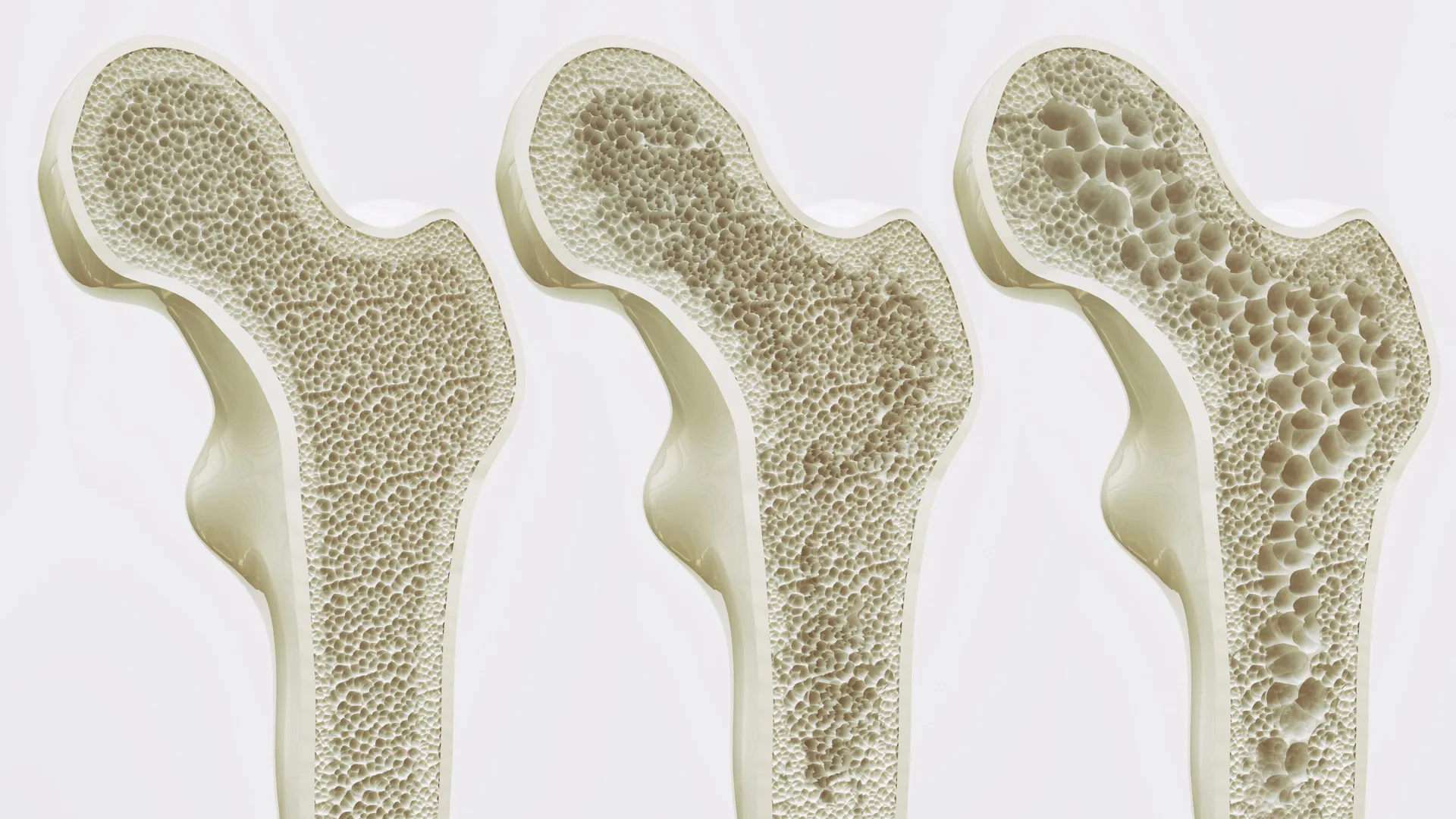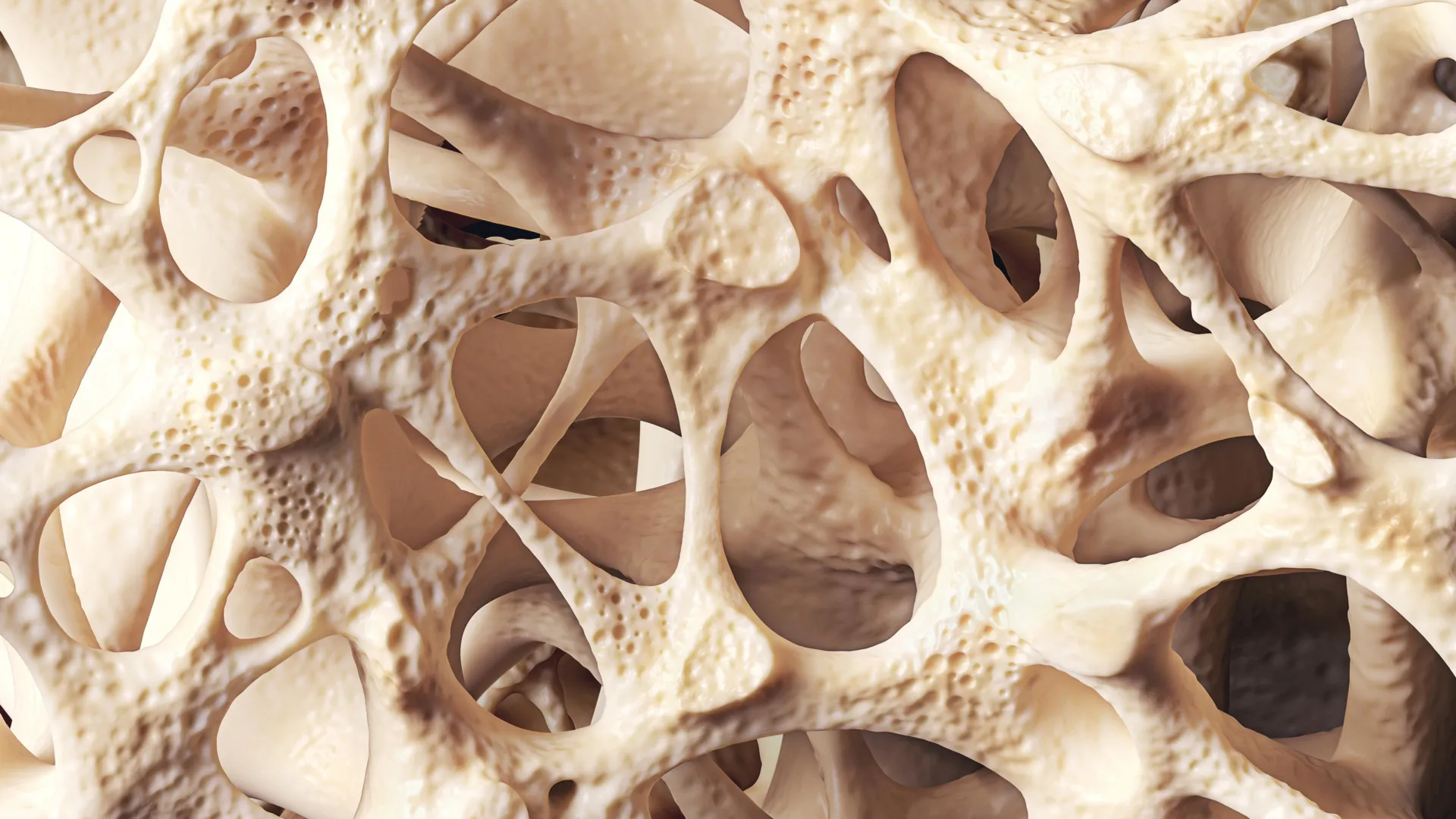
Around 40% of adults worldwide are affected by osteopenia, a prevalent yet frequently under-recognized condition characterized by the gradual loss of bone mineral density. While it does not command the same level of public discourse as its more severe counterpart, osteoporosis, osteopenia represents a massive, hidden burden on global healthcare systems. Particularly common among postmenopausal women and elderly populations, the condition develops silently over decades, often remaining undetected until a sudden, painful fracture forces a clinical investigation. In the United Kingdom alone, low bone density drives more than 500,000 fractures annually, creating extensive demands on emergency orthopedic services, elective surgical pathways, and long-term rehabilitation networks.
To address this silent public health crisis, medical researchers, endocrinologists, and public health authorities are increasingly emphasizing early intervention. Rather than viewing osteopenia as an inevitable consequence of aging or merely a mild precursor to osteoporosis, modern clinical consensus frames it as a critical window of opportunity. With targeted lifestyle modifications, nutritional optimization, and proactive monitoring, the trajectory of bone loss can be altered, allowing many patients to stabilize or even improve their bone density before irreversible damage occurs.
The Biological Mechanism of Bone Remodeling and Lifespan Chronology
To understand how osteopenia develops, one must examine the dynamic nature of human skeletal tissue. Bone is not an inert structural frame; it is a living tissue undergoing continuous, lifelong renewal through a tightly regulated biological process known as bone remodeling. This cyclical process involves two primary cellular actions: bone resorption, where specialized cells called osteoclasts break down and remove old or damaged bone tissue, and bone formation, where cells called osteoblasts synthesize new extracellular matrix to replace it.
Throughout childhood, adolescence, and early adulthood, the skeletal system operates in a net-positive state. Bone formation consistently outpaces bone resorption, allowing individuals to accumulate skeletal mass and structural integrity. This developmental chronology reaches its zenith during a critical window spanning from a person’s mid-20s to early 30s, known clinically as peak bone mass.
Once peak bone mass is achieved, the physiological balance shifts. As individuals enter middle age, the rate of bone resorption gradually begins to exceed the rate of bone formation. This subtle, age-related imbalance causes a slow, cumulative decline in bone mineral density. While this process affects all human beings given sufficient time, various acceleration factors can transform a normal physiological aging process into pathological osteopenia.
Primary Risk Factors and Accelerated Bone Loss
While chronological aging is the foundational risk factor for reduced bone strength, a complex matrix of hormonal, genetic, and lifestyle factors can dramatically accelerate the deterioration of skeletal density. Among these, hormonal shifts—particularly the decline of estrogen levels in women following menopause—play a monumental role. Estrogen is a vital protective hormone for the skeletal system; it exerts a restraining influence on osteoclasts, effectively slowing down bone breakdown.
When estrogen levels plummet during and after menopause, this protective brake is removed, triggering a rapid acceleration of bone resorption. Epidemiological data underscores the severity of this transition, indicating that roughly one in two women over the age of 50 will experience a fragility fracture in their remaining lifetime. Men are not entirely immune; age-related declines in testosterone also contribute to bone loss later in life, though the progression is typically more gradual than the postmenopausal decline observed in women.
Beyond endocrinological factors, daily lifestyle choices exert a profound influence on long-term skeletal health. Physical inactivity deprives the skeleton of the mechanical loading necessary to stimulate osteoblast activity. Meanwhile, modifiable behaviors such as chronic cigarette smoking and excessive alcohol consumption directly impair bone-forming cells and disrupt calcium absorption.
Nutritional status is equally critical. Inadequate dietary intake of calcium—the primary mineral building block of bone tissue—coupled with insufficient vitamin D, which is essential for intestinal calcium absorption, severely limits the body’s capacity to maintain structural integrity. In northern latitudes like the United Kingdom, where sunlight exposure is limited for large portions of the year, vitamin D insufficiency is remarkably common, compounding the risk profile for the general population.
Furthermore, secondary osteopenia can be triggered by underlying medical conditions and pharmacological interventions. Chronic inflammatory diseases that affect nutrient absorption, such as Crohn’s disease and coeliac disease, frequently compromise bone health. Additionally, the long-term systemic use of glucocorticoid medications, prescribed for various autoimmune and inflammatory disorders, is well-documented to suppress bone formation while accelerating bone resorption.
Diagnostic Pathways and Clinical Evaluation
Because osteopenia develops silently without overt pain or early warning signs, clinical detection relies entirely on proactive screening and diagnostic imaging. Medical guidelines typically recommend bone density testing for individuals presenting with known risk factors, such as postmenopausal status, advanced age, a history of fragility fractures, or prolonged corticosteroid therapy.
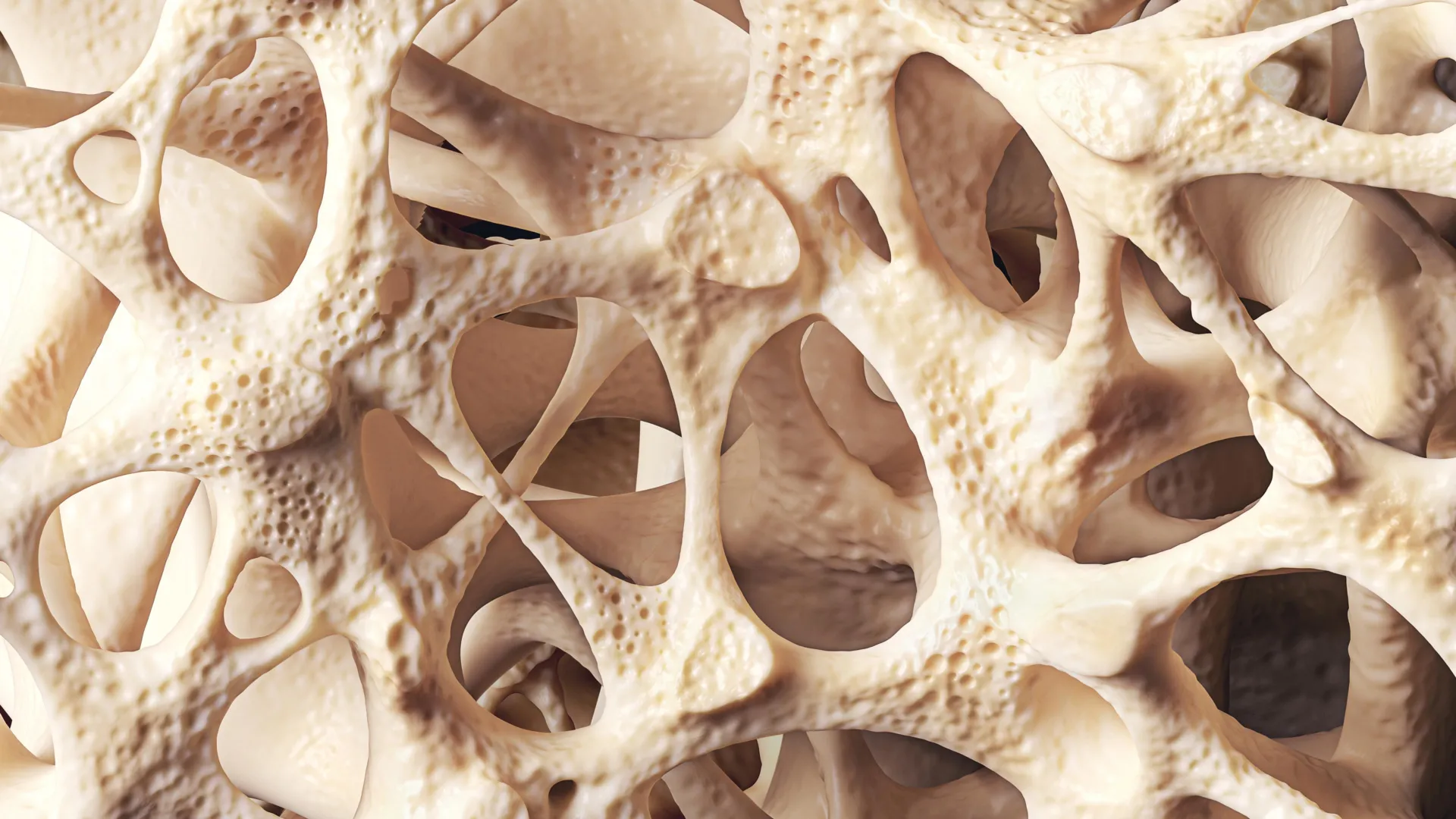
The gold standard for assessing bone strength is the dual-energy X-ray absorptiometry (DXA) scan. This specialized, low-dose radiological examination measures bone mineral density at key fracture sites, most commonly the hip and lumbar spine. The resulting data is evaluated using a T-score, which compares the patient’s measured bone density to that of a healthy young adult of the same sex at their peak bone mass.
According to World Health Organization diagnostic criteria, a T-score between −1.0 and −2.5 indicates osteopenia. A T-score of −2.5 or lower crosses the diagnostic threshold for osteoporosis, where the structural deterioration of bone tissue is significantly more advanced and the risk of catastrophic fracture increases exponentially.
To refine clinical decision-making, healthcare providers frequently utilize fracture risk assessment tools, such as FRAX. These algorithms evaluate a patient’s ten-year probability of suffering a major osteoporotic fracture by synthesizing multiple variables, including age, body mass index, personal and familial fracture history, smoking status, alcohol consumption, and secondary causes like rheumatoid arthritis or glucocorticoid use. This multi-factorial approach ensures that interventions are tailored precisely to the individual’s actual risk profile rather than relying solely on a T-score cutoff.
Comprehensive Management Strategies and Lifestyle Interventions
The primary objective in managing osteopenia is twofold: to slow or halt further bone mineral loss and to minimize the absolute risk of accidental falls and subsequent fractures. This management framework relies heavily on a triad of physical activity, nutritional optimization, and, where clinically indicated, targeted pharmacological therapy.
Physical activity serves as a powerful mechanical stimulus for bone remodeling. Weight-bearing aerobic exercises—such as brisk walking, dancing, jogging, and stair climbing—force the skeletal system to work against gravity, triggering mechanotransduction pathways that encourage osteoblasts to lay down new bone tissue. Resistance training, involving free weights or resistance bands, provides even greater localized mechanical strain, strengthening both the skeletal frame and the surrounding musculature.
In addition to building bone density, specialized physical activities like Tai Chi have been shown to significantly improve dynamic balance, proprioception, and core stability among older adults. By enhancing balance, these practices directly reduce the incidence of falls, which are the immediate mechanical trigger for the vast majority of fragility fractures.
On the nutritional front, clinicians emphasize adequate daily intake of calcium and vitamin D. Dietary sources rich in calcium include dairy products, fortified plant-based milks, and dark leafy green vegetables. When dietary intake falls short, supplementation is frequently recommended. In regions with prevalent vitamin D deficiencies, public health guidance often advises routine supplementation throughout the winter months to ensure optimal intestinal absorption of calcium.
For individuals with osteopenia who are found to have a low risk profile, drug treatment is rarely required immediately. Instead, lifestyle modifications and nutritional vigilance are prioritized. However, for patients whose fracture risk assessment indicates a high probability of impending fracture—or for those who have already suffered a fragility fracture—pharmacological interventions may be introduced.
Antiresorptive medications, most notably bisphosphonates, are designed to slow the destructive action of osteoclasts, thereby preserving existing bone density and structural architecture. While these pharmaceutical agents are most commonly prescribed for established cases of osteoporosis, clinical guidelines increasingly support their targeted use in high-risk patients with severe osteopenia to preemptively curb fracture trajectories.
Broader Public Health Implications and Future Outlook
The societal and economic implications of widespread osteopenia are profound. As global demographics shift toward an aging population, the prevalence of low bone density is projected to rise steadily. Without concerted public health campaigns and proactive clinical management, healthcare systems will face escalating costs associated with emergency trauma care, long-term nursing home placements, and the loss of independent living among elderly citizens.
Public health authorities are shifting their focus from reactive treatment toward preventative endocrinology and lifestyle education. Emphasizing bone health as a lifelong continuum—where childhood nutrition, adolescent activity levels, and adult lifestyle choices accumulate to determine skeletal resilience in old age—is becoming a cornerstone of preventative medicine.
Ultimately, medical experts stress that osteopenia should not be dismissed as an inevitable marker of getting older. It is a vital physiological warning sign that offers a second chance for intervention. Through early DXA screening, informed nutritional choices, consistent weight-bearing exercise, and judicious medical oversight, the progression from osteopenia to osteoporosis can be successfully halted, ensuring that millions of aging adults maintain their mobility, autonomy, and quality of life for decades to come.