The landscape of reproductive science and contraception research has shifted significantly following a breakthrough at Michigan State University (MSU). A team of interdisciplinary researchers, spearheaded by molecular biologists and metabolism experts, has successfully identified a critical molecular switch that dramatically accelerates sperm energy production right before fertilization. Published in the Proceedings of the National Academy of Sciences and supported by grants from the National Institute of Child Health and Human Development, this finding illuminates the complex cellular choreography required for mammalian reproduction. By shedding light on how sperm metabolize glucose to fuel their final sprint, the discovery offers two distinct pathways forward: the potential to revolutionize assisted reproductive technologies for infertile couples and the foundation for safe, reversible, nonhormonal contraceptives for men and women.
Main Facts of the Discovery
At the heart of the research is the unique metabolic profile of mammalian spermatozoa. Unlike most somatic cells in the human body, which generate energy to sustain multi-faceted cellular maintenance, growth, and repair, sperm possess a singular, hyper-focused biological mandate: to generate enough kinetic power to reach and fertilize an egg.
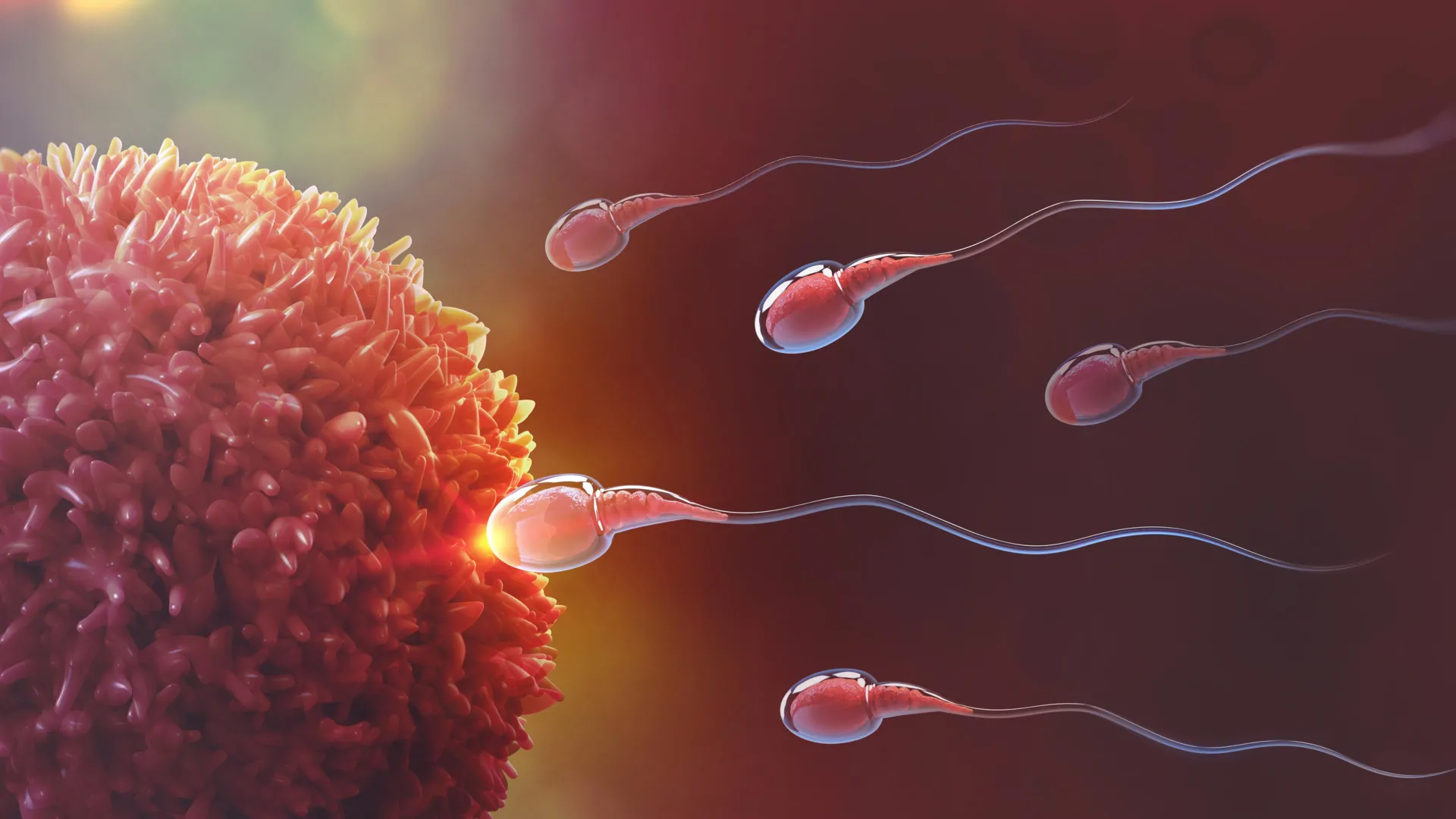
Led by Dr. Melanie Balbach, an assistant professor in the Department of Biochemistry and Molecular Biology at MSU, the research team mapped the biochemical pathways sperm utilize immediately after entering the female reproductive tract. Prior to ejaculation, mammalian sperm exist in a quiescent, low-energy state, conserving their finite resources. However, once introduced into the female reproductive tract, they undergo a rapid, radical metabolic transformation. They begin to swim with significantly increased force and simultaneously alter their outer plasma membranes to prepare for the crucial acrosome reaction—the process by which they breach the outer layers of the egg.
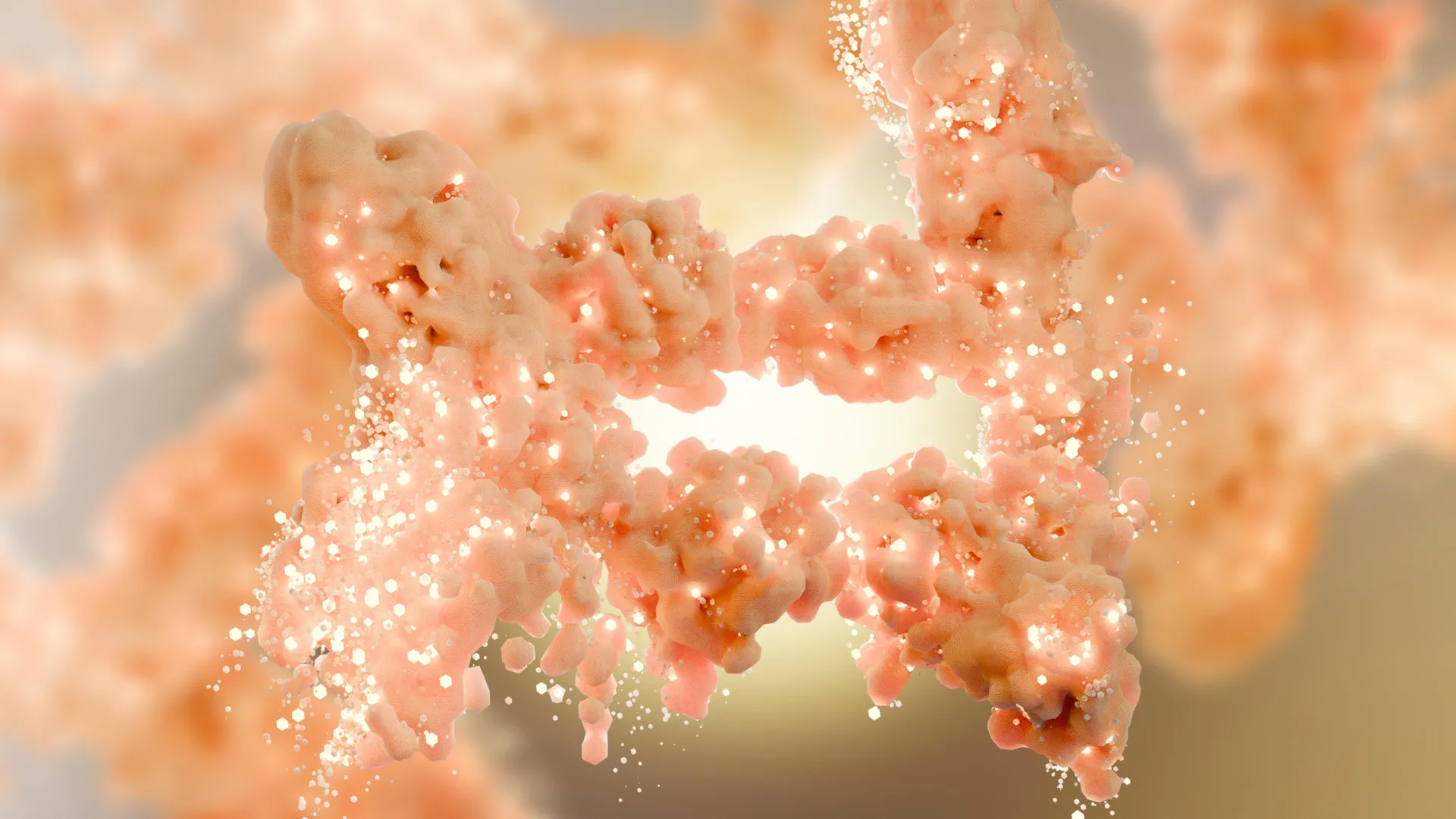
This sudden behavioral shift demands an immediate, exponential surge in energy production. Until now, the precise molecular mechanisms governing this metabolic gear shift remained elusive. Using advanced tracing methodologies developed in collaboration with Memorial Sloan Kettering Cancer Center and the Van Andel Institute, Balbach’s team discovered that an enzyme known as aldolase acts as a primary metabolic gatekeeper, dictating how glucose is processed to drive this explosive cellular activation.
Chronology of the Research and Scientific Evolution
To fully appreciate the weight of this discovery, it is essential to examine the historical trajectory of Dr. Balbach’s research program. The pursuit of understanding sperm metabolism as a target for contraception is not entirely new, but the analytical techniques required to map it in real-time have only recently become available.
Earlier in her career while working at Weill Cornell Medicine, Balbach and her colleagues laid the groundwork for this line of inquiry. During that tenure, the research team demonstrated that pharmacologically blocking a critical sperm-specific enzyme could induce temporary, fully reversible infertility in male laboratory mice. That milestone served as proof-of-concept that nonhormonal male birth control was biochemically feasible, shifting the paradigm away from traditional systemic hormone manipulation.
Following her transition to Michigan State University in 2023 to expand her laboratory operations, Balbach integrated state-of-the-art analytical tools, including resources from MSU’s Mass Spectrometry and Metabolomics Core. This technological upgrade allowed the research team to move beyond observing the endpoint of sperm motility and instead track the dynamic flow of energy in real time.
By employing sophisticated isotope-tracing techniques—metaphorically likened by Balbach to painting the roof of a car bright pink and tracking it through heavy traffic using a drone—the researchers could observe how glucose was metabolized differently by quiescent versus activated sperm. They tracked the exact chemical routes, identified where metabolic bottlenecks occurred, and documented how internal energy reserves were mobilized alongside external sugars like glucose and fructose. This chronological progression from a broad pharmacological observation in mouse models to precise, multi-step metabolic mapping in mammalian sperm represents a monumental leap forward in reproductive biology.
Supporting Data and Methodological Insights
The study’s methodological rigor relies heavily on metabolomics—the large-scale study of small molecules, commonly known as metabolites, within cells, biofluids, tissues, or organisms. By charting the metabolic flux of glucose through the spermatozoa, the researchers gathered robust quantitative data regarding cellular efficiency.
Data from the mass spectrometry analyses revealed stark metabolic divergences between inactive sperm cells and those stimulated for fertilization. The team discovered that activated sperm not only consume greater quantities of glucose from their surrounding fluid environments, but they also reroute this fuel through highly specific enzymatic pathways regulated by aldolase and other traffic-control enzymes. Furthermore, the data showed that sperm are not entirely dependent on external fuel sources during the initial phases of activation; rather, they draw upon internal glycogen and lipid reserves stored within the cell to jump-start their journey before depleting environmental glucose supplies.
This quantitative mapping provides baseline data that was previously absent in reproductive medicine. Understanding the precise kinetic parameters of these metabolic enzymes gives pharmacologists a blueprint for designing targeted inhibitors that can selectively shut down sperm metabolism without causing systemic toxicity or interfering with hormonal balances elsewhere in the body.
Official Responses and Expert Analysis
The broader scientific and medical communities have taken note of the study’s implications, particularly given the global prevalence of infertility and the historical stagnation in male contraceptive development. Infertility currently affects approximately one in six individuals of reproductive age worldwide, placing a profound psychological and financial burden on millions of families.
Assisted reproductive technologies (ART), such as in vitro fertilization (IVF) and intracytoplasmic sperm injection (ICSI), have advanced significantly over the past four decades, yet unexplained male factor infertility remains a stubborn diagnostic and therapeutic challenge. By decoding the metabolic requirements of healthy sperm, clinicians hope to develop superior diagnostic assays that can evaluate sperm viability based on metabolic performance rather than just microscopic counts and basic motility assessments. Furthermore, fertility clinics may be able to refine the media used to store and prepare sperm for ART procedures, mimicking natural physiological states more closely to improve fertilization success rates.
Conversely, the potential for nonhormonal contraception has generated intense discussion among public health advocates, endocrinologists, and pharmacologists. For decades, the burden of contraception has fallen disproportionately on women, whose primary options—oral contraceptive pills, intrauterine devices, implants, and injections—rely heavily on synthetic hormones. While effective, these methods frequently present adverse side effects, including mood changes, cardiovascular risks, weight fluctuations, and metabolic disruptions.
Efforts to develop male contraceptives have historically centered on hormonal approaches designed to suppress testosterone production and spermatogenesis. However, these methods have faced significant hurdles: they often mimic the side effects seen in female hormonal contraceptives, and because they target the continuous production of sperm rather than its acute activation, they require weeks or months to take effect and similarly long periods to reverse.
Balbach’s metabolic approach sidesteps these limitations entirely. By targeting the enzymes responsible for acute sperm activation—the molecular switches that allow sperm to function at the exact moment of fertilization—researchers envision an "on-demand" nonhormonal contraceptive pill or topical inhibitor. Taken shortly before intercourse, such a drug would temporarily render sperm incapable of generating the energy required for fertilization, offering immediate, highly controllable, and fully reversible efficacy.
Broader Impact and Future Implications
The societal and economic implications of developing an on-demand, nonhormonal contraceptive are vast. Public health data indicates that nearly half of all pregnancies worldwide are unplanned. Expanding the contraceptive toolkit to include male-targeted, nonhormonal options would not only distribute reproductive responsibility more equitably between partners but also provide unprecedented autonomy for individuals who cannot or prefer not to use hormone-based birth control methods.
Moreover, the versatility of the MSU research opens up parallel avenues for female-targeted nonhormonal contraceptives. Because the metabolic pathways identified—particularly those involving aldolase and glycolytic regulation—share fundamental biochemical similarities across mammalian reproductive tracts, the newly discovered regulatory enzymes could potentially be targeted locally within the female reproductive tract to neutralize sperm before they reach the egg.
As the research team moves forward, the primary scientific objective is to bridge the gap between animal models and human physiology. While mice have served as an invaluable foundational model for mapping metabolic pathways, validating these findings in human sperm is the critical next step. Dr. Balbach and her collaborators are currently designing follow-up studies to test whether human spermatozoa rely on identical metabolic checkpoints and whether specific enzyme inhibitors can safely and reversibly halt human sperm motility in vitro.
The identification of the molecular switch powering sperm energy production represents a watershed moment at the intersection of metabolism, molecular biology, and reproductive health. By illuminating the biochemical pathways that govern the final stages of fertilization, Michigan State University researchers have provided the scientific community with actionable data that could soon reshape how society approaches both the treatment of infertility and the prevention of unintended pregnancy. As translational studies progress from the laboratory bench toward clinical evaluation, the promise of precise, effective, and side-effect-free reproductive technologies draws steadily closer to reality.