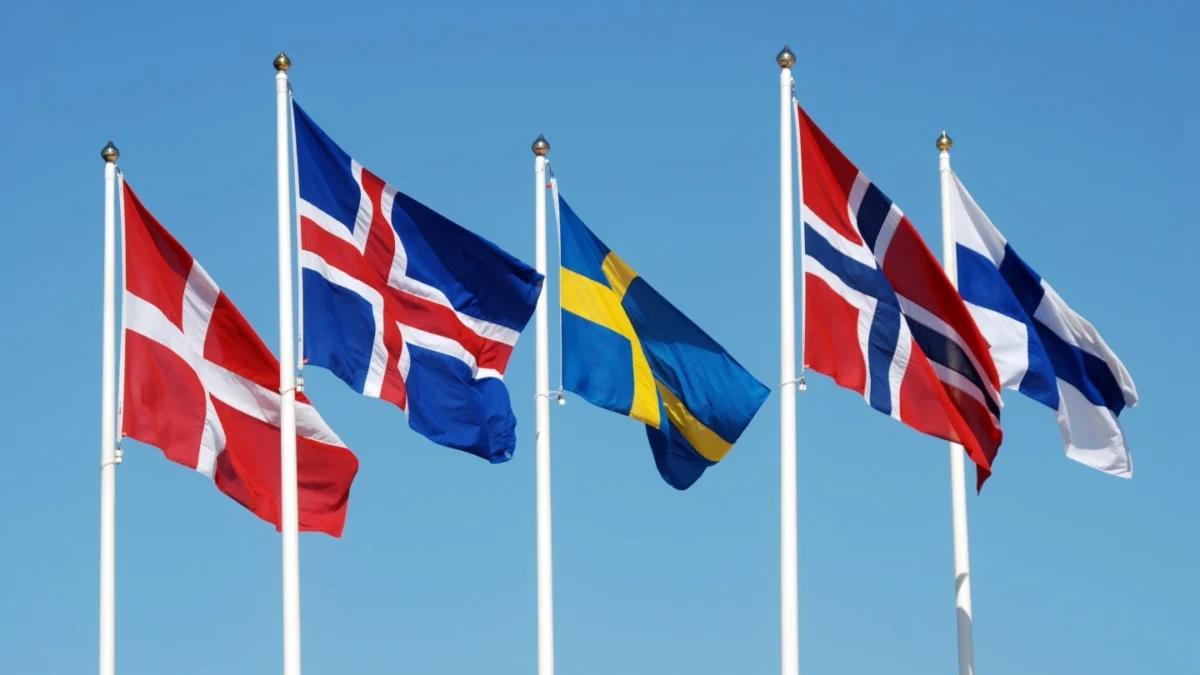
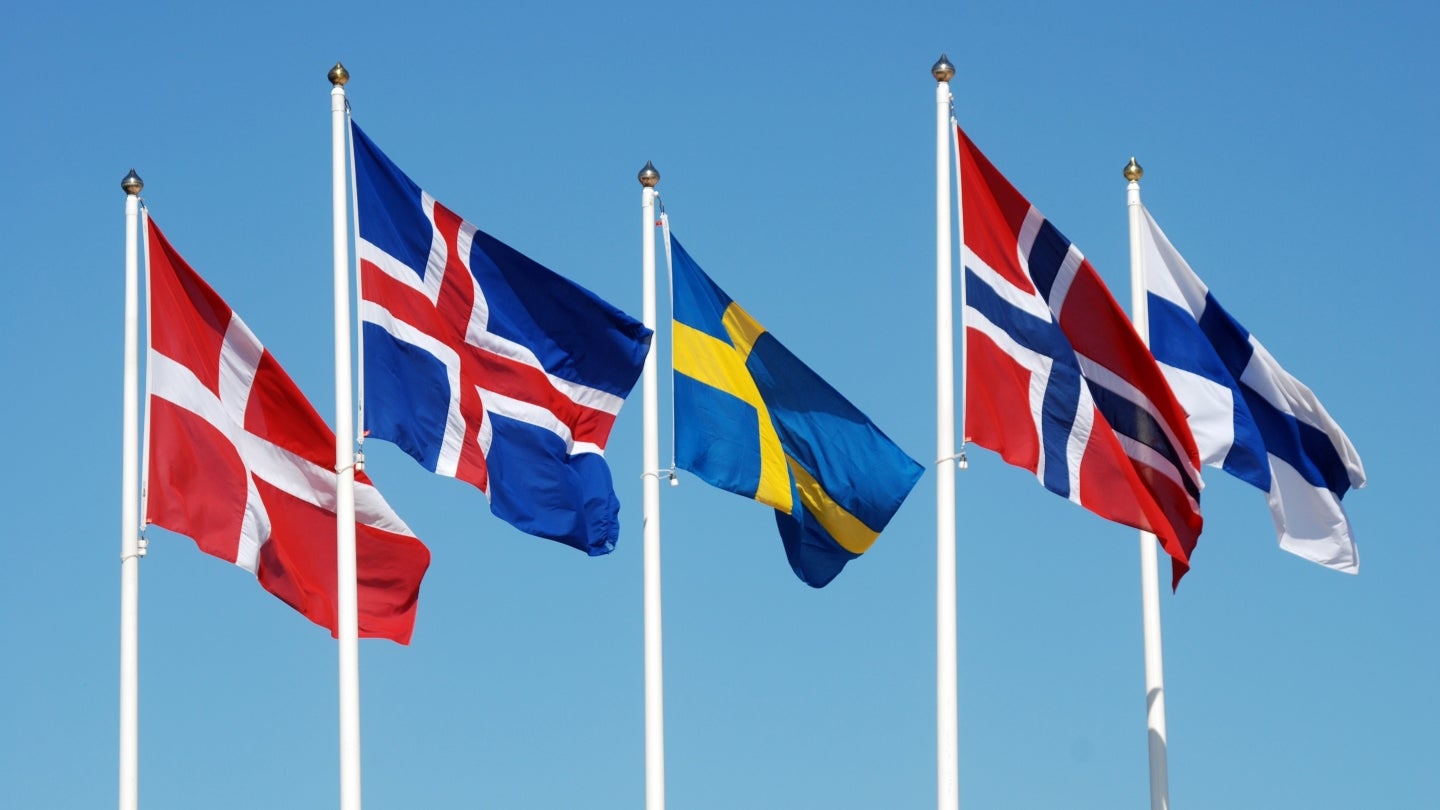
The Nordic region—historically celebrated as a powerhouse of life sciences, medical research, and biotechnology innovation—is currently confronting a complex economic paradox marked by diminishing returns on investment. Despite boasting robust public-private partnerships, highly educated labor forces, and comprehensive national health registries that are the envy of the international research community, countries such as Sweden, Denmark, Finland, and Norway are finding it increasingly difficult to translate early-stage academic breakthroughs into commercially lucrative pharmaceutical products. This widening gap between robust scientific output and sustainable financial return is prompting urgent reassessments among venture capitalists, policymakers, and pharmaceutical executives alike.
At the heart of this challenge is a structural misalignment between the high capital requirements of modern drug development and the traditional funding models prevalent in Scandinavia. While governments and philanthropic organizations in the region have historically provided ample seed capital to foster discovery, late-stage funding—crucial for navigating costly Phase II and Phase III clinical trials—often falls short. Consequently, promising Nordic biotechs frequently find themselves compelled to license out their intellectual property prematurely to larger multinational pharmaceutical conglomerates based in the United States or Central Europe, thereby forfeiting the lion’s share of long-term commercial revenues.
Background Context of the Nordic Life Sciences Ecosystem
To understand the current pressures on return on investment (ROI) within the Nordic pharmaceutical landscape, one must examine the foundational pillars that built the region’s reputation. Scandinavia has long maintained a unique socio-economic model characterized by universal healthcare access, high levels of public trust, and centralized health data registries dating back several decades. These registries allow researchers to conduct epidemiological studies and post-market surveillance with unmatched precision, making the region an attractive testing ground for novel therapeutics.
Historically, this environment produced world-class pharmaceutical giants—most notably Novo Nordisk in Denmark and AstraZeneca, which maintains deep historical and operational roots in Sweden. These anchor companies fostered localized supplier networks, specialized contract research organizations (CROs), and vibrant academic spin-offs from institutions such as Karolinska Institutet in Stockholm and the University of Copenhagen.
However, the global pharmaceutical paradigm has shifted dramatically over the past twenty years. Drug discovery has evolved from traditional small-molecule chemistry to complex biologics, cell and gene therapies, and precision medicine. These advanced modalities require immense upfront capital, sophisticated manufacturing infrastructure, and specialized regulatory navigation. As the cost of bringing a single new molecular entity to market surpassed the multi-billion-dollar threshold globally, the traditional Nordic funding ecosystem—traditionally risk-averse and heavily reliant on domestic capital pools—began to strain under the financial weight.
Chronology of the Investment Squeeze
The trajectory of declining investment returns in Nordic pharmaceutical innovation can be traced across distinct phases over the past two decades:
The Post-AstraZeneca Transition (Late 2000s): A pivotal moment for Swedish life sciences occurred in 2012 when AstraZeneca closed its historic research and development facility in Södertälje, resulting in the displacement of thousands of skilled researchers. While this crisis catalyzed the creation of entrepreneurial ecosystems such as the BioVentureHub, it fundamentally altered the risk landscape, shifting the burden of early-stage incubation onto smaller startups and public incubators.
The Rise of Venture Capital Mismatch (2010–2018): During this period, Nordic biotech startups proliferated, fueled by government-backed innovation funds and regional angel investors. However, the local venture capital market remained fragmented. Startups routinely encountered a "funding valley of death" when attempting to scale beyond local borders, lacking access to the mega-rounds common in U.S. biotech hubs like Boston or San Francisco.
The Global Macroeconomic Tightening (2021–Present): The post-pandemic economic correction, marked by rising inflation, elevated interest rates, and a generalized contraction in global venture capital, severely impacted public and private valuations for Nordic life science firms. Initial public offerings (IPOs) on Nordic stock exchanges, which had served as vital liquidity events for early investors, experienced significant downturns, freezing capital flows and further depressing realized ROI.
Supporting Data and Market Metrics
Quantitative indicators underscore the tightening financial realities facing Nordic drug developers. According to recent industry analyses, venture funding for Nordic life sciences has experienced noticeable volatility, with average round sizes trailing significantly behind those in the United States and the United Kingdom.
Furthermore, data tracking the lifecycle of Nordic biotech patents reveals a troubling trend: approximately 60% of intellectual property generated by regional academic spin-outs is acquired by foreign entities before reaching Phase III clinical development. While these acquisitions provide immediate liquidity to founders and early-stage angel investors, they deprive the regional economy of the compounding economic benefits associated with commercializing a blockbuster drug locally.
Clinical trial metrics also highlight structural bottlenecks. Although Scandinavian countries boast high patient recruitment rates and exceptional data quality, regulatory approval timelines within the European Medicines Agency (EMA) framework have occasionally been perceived by investors as slower and more cumbersome compared to the U.S. Food and Drug Administration’s (FDA) expedited pathways. This perceived regulatory lag can extend the time-to-market, directly eroding the net present value (NPV) of pipeline assets for investors.
Industry Perspectives and Stakeholder Reactions
The shrinking ROI has ignited intense debate among key stakeholders across the Nordic life sciences corridor. Venture capitalists argue that regional tax structures do not adequately incentivize high-risk, high-reward investments in biotechnology. Unlike jurisdictions that offer robust research and development tax credits or specialized stock option regimes for startup employees, several Nordic nations maintain stringent regulatory frameworks regarding capital gains and employee incentives, making it harder to attract top-tier international management talent.
Conversely, public sector representatives and policymakers emphasize the societal return on investment, noting that publicly funded research ultimately contributes to national health outcomes, lower long-term disease burdens, and a highly skilled workforce. Officials contend that purely financial metrics fail to capture the broader economic value generated by a thriving knowledge economy.
Pharmaceutical executives operating within the region point out that while the science emerging from Scandinavian laboratories remains world-class, commercialization strategies must evolve. There is a growing consensus that regional companies must adopt a globalized commercial mindset from day one, forging strategic alliances with international partners much earlier in the development lifecycle rather than attempting to build standalone commercial infrastructure locally.
Broader Impact and Strategic Implications
The implications of a diminishing return on investment for Nordic pharmaceutical innovation extend far beyond regional balance sheets. As one of Europe’s premier innovation clusters, a weakening Scandinavian biotech sector could diminish the European Union’s overall competitiveness in the global life sciences arena, particularly at a time when the U.S. and China are aggressively expanding their dominant positions in biopharmaceutical research and artificial intelligence-driven drug discovery.
To reverse this downward trend, industry analysts and financial experts suggest several structural adaptations:
Deepening Capital Pools: Encouraging pension funds and institutional investors within Denmark, Sweden, Norway, and Finland to allocate a larger percentage of their vast capital reserves toward domestic venture capital and private equity life science funds.
Cross-Border Collaboration: Enhancing integration among Nordic health innovation hubs to create a unified market that rivals the scale and visibility of North American biotech clusters.
Regulatory and Tax Modernization: Streamlining regulatory navigation and implementing targeted tax incentives to attract international venture capital and retain top-tier entrepreneurial talent.
Embracing Digital Health and AI: Leveraging the region’s advanced digital infrastructure and comprehensive health registries to accelerate drug discovery through artificial intelligence and machine learning, thereby reducing the time and capital required to reach clinical milestones.
Ultimately, the future of the Nordic pharmaceutical sector depends on its ability to adapt its financial and operational models to the realities of modern global drug development. While the fundamental scientific capability of the region remains unquestioned, bridging the gap between academic brilliance and commercial profitability will determine whether Scandinavia retains its status as a global pharmaceutical leader or gradually transitions into an early-stage incubator for foreign-owned multinational enterprises.