The global cell therapy landscape is undergoing a profound structural shift as biotechnology innovators increasingly look toward end-to-end automation to overcome persistent manufacturing bottlenecks. In a significant development for the sector, Cellares, an integrated cell therapy manufacturing automation company, and GenomeFrontier Therapeutics, a clinical-stage biotechnology firm, have officially announced a strategic collaboration. This partnership will evaluate the automated manufacturing of GenomeFrontier’s flagship investigational chimeric antigen receptor T (CAR-T) cell therapy, designated as GF-CART01, utilizing Cellares’ proprietary Cell Shuttle platform.
Significantly, this alliance marks a milestone for Cellares as its inaugural development project originating in Asia. By bridging advanced automation with an innovative, virus-free production process, the two companies aim to streamline and fortify the clinical and commercial supply chain for advanced immunotherapies, particularly as GenomeFrontier accelerates its clinical development activities within the United States.
Overview of the Collaboration and Technological Integration
The primary objective of the partnership is to assess the technical and operational feasibility of translating GenomeFrontier’s unique virus-free manufacturing process onto the highly integrated Cell Shuttle system. Traditional autologous CAR-T cell therapies rely heavily on viral vectors—such as lentiviruses or retroviruses—to introduce the therapeutic gene into patient T-cells. While effective, viral vector manufacturing is notoriously expensive, time-consuming, and subject to capacity constraints globally.
GenomeFrontier has bypassed conventional viral transduction by developing a proprietary virus-free manufacturing technique. This method relies on advanced non-viral gene delivery mechanisms, specifically electroporation, to insert the CAR construct into T-cells. Integrating this distinct workflow into an automated platform presents unique technical challenges, requiring a manufacturing system capable of high precision, adaptability, and sterility.
To address this, the evaluation will concentrate heavily on transfection operations, leveraging Cellares’ integrated electroporator within the Cell Shuttle. The collaboration will examine whether the automated environment can successfully accommodate the specialized parameters of a virus-free system without compromising the flexibility and biological integrity required by GenomeFrontier’s protocol. If successful, the partnership will establish a scalable blueprint for manufacturing non-viral cell therapies, which hold the promise of significantly lower production costs and accelerated turnaround times for patients.
Clinical Profile and Indications of GF-CART01
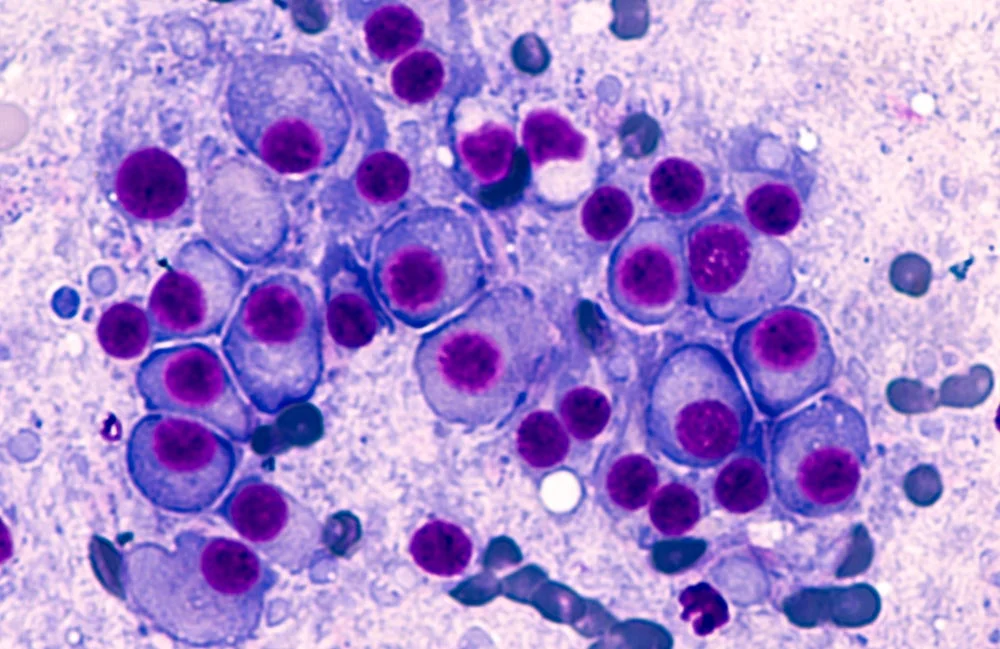
GF-CART01 is being developed as a versatile autologous CAR-T cell therapy targeting a broad spectrum of B-cell malignancies. Hematological cancers, particularly lymphomas, have been primary beneficiaries of CAR-T cell therapy, yet manufacturing hurdles continue to restrict widespread patient access. The target indications for GenomeFrontier’s investigational candidate include diffuse large B-cell lymphoma (DLBCL), follicular lymphoma, high-grade B-cell lymphoma, and primary mediastinal large B-cell lymphoma. These aggressive or relapsed/refractory blood cancers represent areas of significant unmet medical need where patients often exhaust standard lines of chemotherapy and immunotherapy.
Prior to the new partnership with Cellares, GenomeFrontier accumulated a robust set of positive clinical trial data for GF-CART01 in Taiwan, demonstrating promising safety profiles and encouraging anti-tumor efficacy. Building upon these Asian clinical milestones, the company has turned its strategic focus toward international expansion. Patient recruitment is currently active and ongoing for an open-label Phase I clinical trial in the United States, designed to evaluate the safety, pharmacokinetics, and preliminary efficacy of GF-CART01 in American patient populations.
The imperative to secure a robust, scalable supply chain for these US trials catalyzed the alliance with Cellares. As clinical development transitions from early-phase safety trials to larger registration studies, the demand for manufactured doses increases exponentially, exposing the limitations of manual, open-system processing.
Addressing Industry-Wide Manufacturing Bottlenecks
The commercialization of autologous cell therapies has long been constrained by the inherent complexities of production. Unlike conventional small-molecule drugs or large-molecule biologics—which can be mass-produced in massive bioreactors—autologous cell therapies are patient-specific. Each batch represents a bespoke therapeutic product manufactured from an individual patient’s harvested white blood cells.
Historically, this process has been manual, highly labor-intensive, and prone to human error or batch failure. It requires specialized cleanrooms, highly trained personnel, and rigorous chain-of-identity protocols. These factors introduce high manufacturing variability, inflated production costs, and protracted vein-to-vein times—the duration from patient leukapheresis to the infusion of the final product. For patients suffering from rapidly progressing aggressive lymphomas, every day saved in manufacturing time is clinically critical.

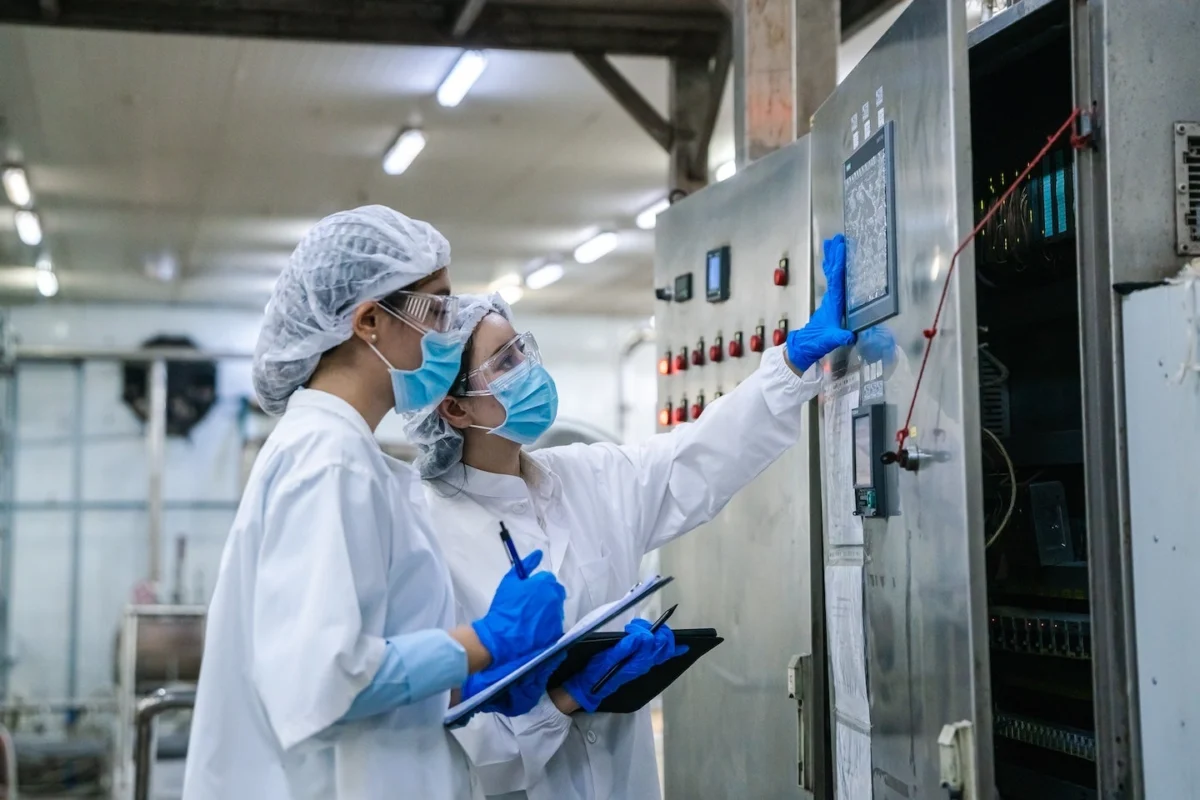
Cellares’ Cell Shuttle platform was engineered specifically to resolve these systemic issues. Functioning as a "smart factory in a box," the Cell Shuttle is a fully integrated, automated end-to-end manufacturing solution. It consolidates all necessary unit operations—including cell isolation, activation, genetic modification, expansion, harvesting, and final fill-and-finish—into a single, enclosed, automated hardware unit. By minimizing human intervention and closing the manufacturing loop, the platform drastically reduces contamination risks, standardizes product quality, and enhances batch-to-batch reliability.
Leadership Perspectives on the Strategic Alliance
Executive leadership from both organizations emphasized the transformative potential of combining virus-free science with automated hardware engineering.
Sareina Wu, founder, chief executive officer, and chief scientific officer of GenomeFrontier, highlighted the long-term strategic vision behind the collaboration. "As we advance GF-CART01 through clinical development, it is critically important that our manufacturing strategy is robust enough to support both our immediate clinical trials and our future commercial scale," Dr. Wu stated. "Partnering with Cellares allows us to explore state-of-the-art automation for our proprietary virus-free process. This initiative aligns with our commitment to delivering high-quality, advanced therapeutics to patients efficiently and sustainably."
Fabian Gerlinghaus, co-founder and chief executive officer of Cellares, pointed to the technical sophistication required for next-generation modalities. "GenomeFrontier’s virus-free approach reflects the increasing complexity and innovation defining next-generation cell therapy manufacturing," said Gerlinghaus. "The Cell Shuttle is specifically built to automate complex processes, including electroporation-based workflows, with the unmatched scalability and reliability needed as therapies advance through clinical development. We are thrilled to bring this capability to GenomeFrontier as they expand their clinical program into the United States."
Broader Implications for the Global Cell Therapy Market
The agreement between Cellares and GenomeFrontier carries significant implications for the broader biotechnology and pharmaceutical sectors. As the regulatory landscape matures and the number of approved cell therapies grows, the industry is reaching an inflection point where manufacturing capacity must expand dramatically to meet patient demand.
Industry analysts note that viral vector shortages and the high cost of goods sold (COGS) remain primary barriers to the widespread commercial adoption of cell-based immunotherapies. By validating an automated platform for non-viral, electroporation-based manufacturing, Cellares and GenomeFrontier are pioneering a pathway that could substantially lower production costs. Virus-free processes eliminate the need for costly viral vector manufacturing runs and complex biosafety testing, while automation slashes labor overhead and facility footprint requirements.
Furthermore, this collaboration signals an important cross-border exchange of biotechnology innovation. By applying Cellares’ US-developed automation technology to a clinical asset originating in Taiwan that is now expanding into American clinical trials, the partnership underscores the increasingly globalized nature of advanced therapy development.
Timeline and Future Outlook
The evaluation project will proceed in a phased manner, focusing initially on technical validation and process translation. Engineers and scientists from Cellares and GenomeFrontier will work collaboratively to adapt the non-viral electroporation workflow to the Cell Shuttle’s software and hardware architecture.
Following successful technical translation and optimization, the partners will evaluate the data to determine the feasibility of utilizing the automated Cell Shuttle process for ongoing and future clinical trials of GF-CART01. If the evaluation meets its pre-defined operational and biological benchmarks, the companies intend to cement a long-term manufacturing partnership, potentially deploying the Cell Shuttle to support GenomeFrontier’s clinical supply chain in the US and beyond.
Ultimately, the success of this collaboration could serve as a bellwether for the industry, demonstrating that complex, non-viral cell therapies can be successfully transitioned from academic or semi-manual benchtop protocols into fully automated, scalable commercial-grade manufacturing processes. As the biotechnology sector watches closely, the integration of GenomeFrontier’s scientific innovation with Cellares’ automation prowess represents a decisive step toward making personalized cell therapies more accessible, reliable, and affordable for cancer patients worldwide.