British pharmaceutical giant GSK has significantly deepened its footprint in the oncology sector by securing the global rights to an unnamed trispecific T-cell engager (TCE) program developed by Chimagen Biosciences. The agreement, which could see the total transaction value climb up to $750 million through upfront, development, and commercial milestone payments, underscores GSK’s aggressive re-entry into cancer therapeutics following a strategic pivot away from the space more than a decade ago.
Under the terms of the agreement, GSK will assume complete global responsibility for the clinical development and commercialization of the asset. The company has already mapped out a preliminary clinical timeline, aiming to advance the novel TCE into Phase I clinical trials for multiple myeloma patients by 2027. This transaction represents the second major collaboration between GSK and the China-based biotech firm, following a 2024 licensing agreement for CMG1A46, an innovative TCE specifically designed to target B cell-driven autoimmune diseases.
The resurgence of interest in TCEs highlights a broader industry-wide movement toward immunotherapies that leverage the body’s native immune system to identify and eradicate malignant tumors. As major global pharmaceutical enterprises race to capture market share in high-value oncology segments, GSK’s latest acquisition positions the company to capitalize on burgeoning clinical and commercial opportunities within blood cancers.
Strategic Re-Entry into Oncology: A Decade-Long Evolution
The trajectory of GSK’s oncology portfolio has experienced substantial shifts over the past ten years. In 2015, the company divested the core of its oncology business to Novartis as part of a sweeping $20 billion, three-part asset swap. For several years following the transaction, GSK prioritized vaccines, respiratory diseases, and specialty medicines, effectively stepping back from active oncological drug discovery and development.
However, under a refreshed strategic vision spearheaded by leadership, oncology has been reinstated as a core pillar of the company’s long-term growth model. The updated corporate strategy targets not only hematological malignancies and women’s cancers but also aims to expand aggressively into solid tumors—including lung and gastrointestinal cancers—utilizing cutting-edge therapeutic modalities such as antibody-drug conjugates (ADCs), tyrosine kinase inhibitors (TKIs), and TCEs.
The partnership with Chimagen serves as a physical manifestation of this renewed commitment. By partnering with agile biotech innovators possessing advanced platforms, GSK is bypassing early exploratory hurdles to acquire clinical-stage and near-clinical assets with high scientific merit.
Understanding Trispecific T-Cell Engagers in Multiple Myeloma
Trispecific T-cell engagers represent a significant technological evolution beyond traditional bispecific antibodies. While bispecific antibodies typically bridge a tumor cell and a T-cell to trigger immune-mediated lysis, trispecific constructs are engineered with three distinct binding sites. This multi-targeted approach is designed to enhance tumor specificity, improve immune synapse formation, and potentially mitigate the severe toxicities, such as cytokine release syndrome, that have historically complicated T-cell redirecting therapies.
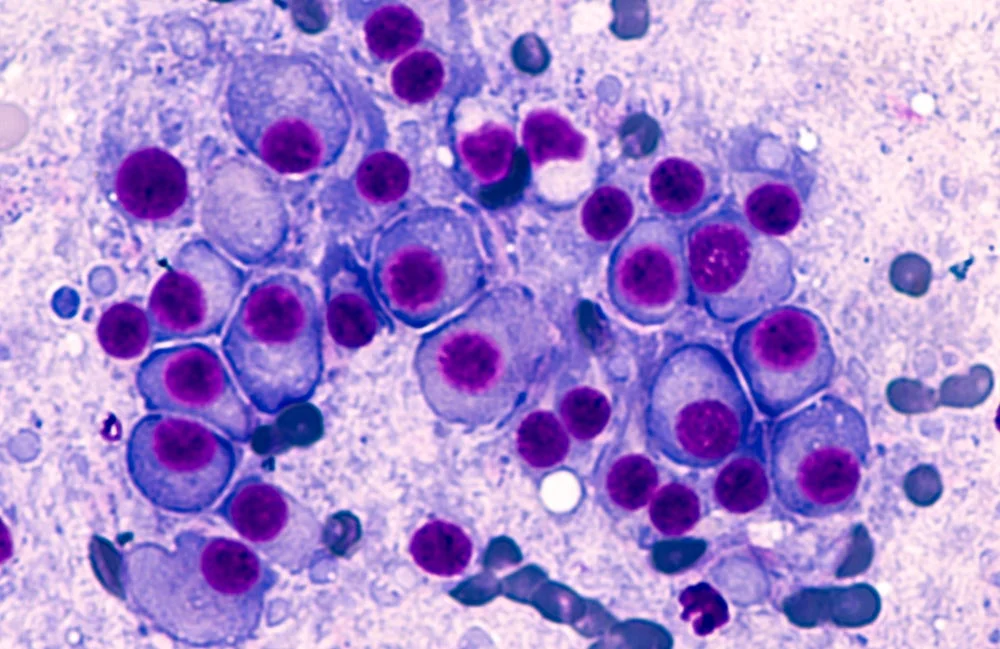
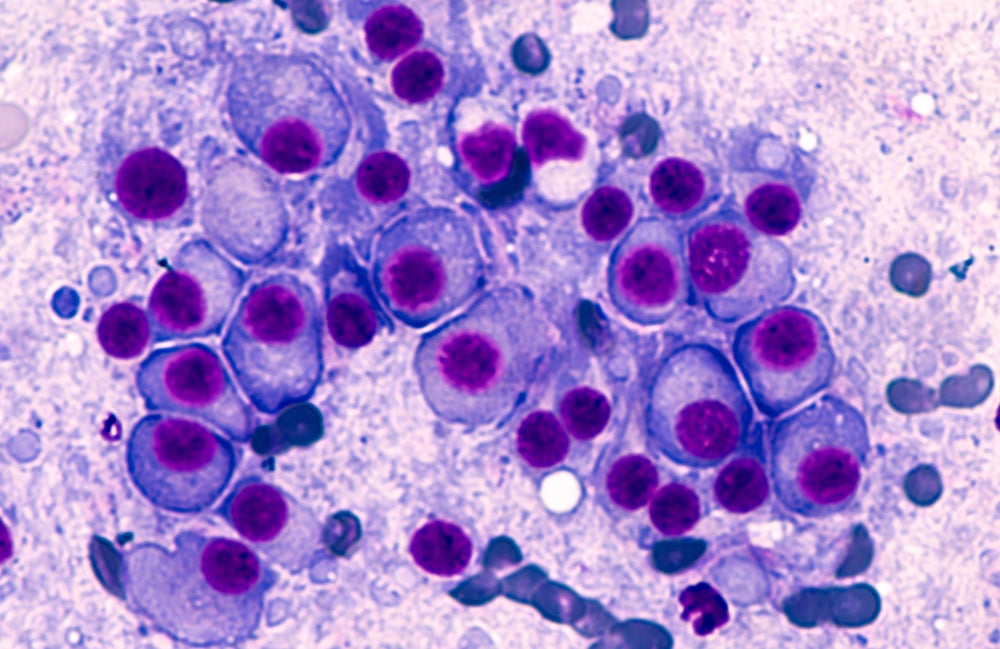
Multiple myeloma, the specific target for GSK’s newly acquired Chimagen asset, is the third most common blood cancer globally, characterized by the malignant proliferation of plasma cells within the bone marrow. Despite recent advancements in proteasome inhibitors, immunomodulatory drugs, and anti-CD38 monoclonal antibodies, multiple myeloma remains largely incurable, with patients inevitably experiencing relapse and refractory disease phases.
Consequently, the medical community continues to seek novel mechanisms of action to drive deeper and more durable responses. Market forecasters project immense commercial potential for TCE therapies in this indication, estimating that the US market alone for multiple myeloma TCEs will surpass $10 billion by 2032.
The Competitive Landscape and Industry Momentum
GSK is far from alone in recognizing the therapeutic and commercial potential of TCEs. The past year has seen a flurry of high-profile mergers, acquisitions, and co-development deals centered around T-cell engagers across the global pharmaceutical landscape. Major players such as Bristol Myers Squibb (BMS), Gilead Sciences, and UCB have executed significant multi-million-dollar transactions to secure early- and late-stage TCE assets.
This rush of capital and scientific exploration has been heavily stimulated by the robust clinical performance of pioneering therapies already on the market. For instance, Johnson & Johnson’s Tecvayli (teclistamab), a targeted TCE, has demonstrated remarkable efficacy in heavily pre-treated multiple myeloma populations. Buoyed by positive Phase III data in combination regimens alongside its other marketed TCE, Talvey (talquetamab), Johnson & Johnson is actively seeking regulatory pathways to move these therapies into earlier lines of treatment, potentially transforming the standard of care.
Data compiled by GlobalData’s Pharmaceutical Intelligence Center indicates that the global clinical pipeline for multiple myeloma currently exceeds 100 ongoing Phase III studies. Significantly, more than six in ten of these active late-stage trials evaluate immuno-oncology assets, illustrating the dominant role that immune-based therapies now play in modern hematology.
Broader Market Dynamics and Future Projections
The broader immuno-oncology market, which encompasses checkpoint inhibitors, CAR-T cell therapies, and TCEs, is experiencing unprecedented expansion. According to comprehensive thematic market research published by GlobalData, the total global immuno-oncology market is projected to skyrocket to $186 billion by 2031. Analysts attribute this exponential growth primarily to the continued clinical maturation and market penetration of checkpoint inhibitors and next-generation TCEs.
For GSK, the timeline leading up to the anticipated 2031 market peak aligns strategically with its internal development milestones. With Phase I trials for the Chimagen multiple myeloma TCE slated to commence in 2027, initial safety, pharmacokinetic, and pharmacodynamic data could emerge near the turn of the decade—positioning the product for potential late-stage registrational trials just as the global immuno-oncology market reaches its projected multi-billion-dollar zenith.
Implications for Patients and the Biotechnology Sector
The ongoing capital allocation toward cross-border licensing deals, such as the partnership between GSK and Chimagen, highlights a vital trend in modern drug development: the symbiotic relationship between Western pharmaceutical giants with robust global commercial infrastructures and agile, innovation-driven biotechnology firms based in regions like China.
For Chimagen Biosciences, the partnership validates its proprietary TCE discovery platform and secures substantial non-dilutive funding, alongside potential development and commercial milestones that could reach up to $750 million. For GSK, the deal circumvents internal R&D bottlenecks, providing immediate access to a specialized, highly differentiated asset designed to address an area of high unmet medical need.
As clinical development progresses toward the targeted 2031 commercial landscape, the success of GSK’s refreshed oncology strategy will increasingly depend on the clinical translation of these advanced immunological modalities. If the upcoming Phase I trials for the multiple myeloma TCE yield favorable safety and efficacy profiles, GSK could firmly re-establish its historical reputation as a formidable force in global cancer care, offering new therapeutic hope to patients navigating refractory hematological malignancies.