The United States Food and Drug Administration has officially granted approval to Scholar Rock for Isemblyd (apitegromab), establishing a monumental clinical milestone as the first muscle-targeted therapeutic agent to reach the commercial market for spinal muscular atrophy (SMA). According to industry projections from GlobalData analysts, the emerging class of myostatin inhibitor drugs is positioned to serve as a principal catalyst for expansive market growth within the SMA therapeutic landscape over the coming decade.
This regulatory clearance clears the path for Isemblyd to be prescribed to patients aged two years and older diagnosed with SMA, provided they are already undergoing baseline treatment with standard-of-care survival motor neuron 2 (SMN2) therapies. The arrival of this novel treatment modality introduces a distinct dual-action approach to patient care, operating alongside established targeted medicines approved by American regulators. These include prominent therapies such as Biogen and Ionis Pharmaceuticals’ Spinraza (nusinersen) and Novartis’ Zolgensma (onasemnogene abeparvovec-xioi).
Following the announcement, leadership at Scholar Rock confirmed that commercial manufacturing and distribution channels are fully activated, with initial product shipments slated to reach clinical sites and patients within the coming days. Furthermore, the company has established a dedicated patient support network to facilitate navigation through complex insurance coverage landscapes, financial assistance programs, and personalized site-of-care administration options, which will support delivery in both clinical infusion centers and home settings.
Clinical Foundation and Trial Insights Supporting the Approval
The foundational evidence underpinning the FDA’s positive evaluation of Isemblyd was derived from the successful execution and conclusion of the Phase III SAPPHIRE clinical trial, registered under the identifier NCT05156320. This pivotal, multi-center study evaluated the clinical efficacy and safety profile of administering Isemblyd alongside baseline SMN2-directed therapies compared to administering SMN2-targeted treatments as a monotherapy.
At the critical one-year evaluation mark, trial data demonstrated that pediatric and adolescent participants receiving the combination therapy experienced statistically significant and clinically meaningful improvements in motor function, functional mobility, and physical abilities. These metrics were captured using validated standardized scales tailored for neuromuscular disorders, proving that addressing skeletal muscle mass directly yields tangible functional gains that complement existing neuro-protective mechanisms.
Historical Context: The Long Road to Regulatory Clearance
The commercial authorization of Isemblyd represents the culmination of a rigorous development trajectory punctuated by recent regulatory hurdles. Notably, the therapeutic candidate faced a temporary setback last year when the FDA issued a complete response or deferred action following a routine, general manufacturing site inspection. This inspection targeted a third-party fill-finish facility owned and operated by Catalent, which was contracted to handle the production of Isemblyd vials.
Crucially, regulatory authorities clarified that the inspection observations and subsequent concerns raised during the facility audit were entirely disconnected from the biochemical properties, safety profile, or clinical efficacy of Isemblyd itself. Rather, the observations pertained strictly to facility-level manufacturing compliance and operational standards at the third-party plant. Scholar Rock worked closely with manufacturing partners and regulatory officials to resolve the noted discrepancies, satisfying all requisite inspections and leading directly to the ultimate green light from the FDA.
Paradigm Shift: From Neuro-Protection to Muscle-Targeted Therapies
Historically, the therapeutic management of spinal muscular atrophy has relied exclusively on interventions designed to preserve motor neurons by enhancing the levels of functional survival motor neuron (SMN) protein. While these disease-modifying therapies have radically altered the natural history of SMA—transforming what was once a uniformly fatal pediatric condition into a manageable chronic disorder—they possess inherent limitations regarding direct skeletal muscle hypertrophy and strength restoration.

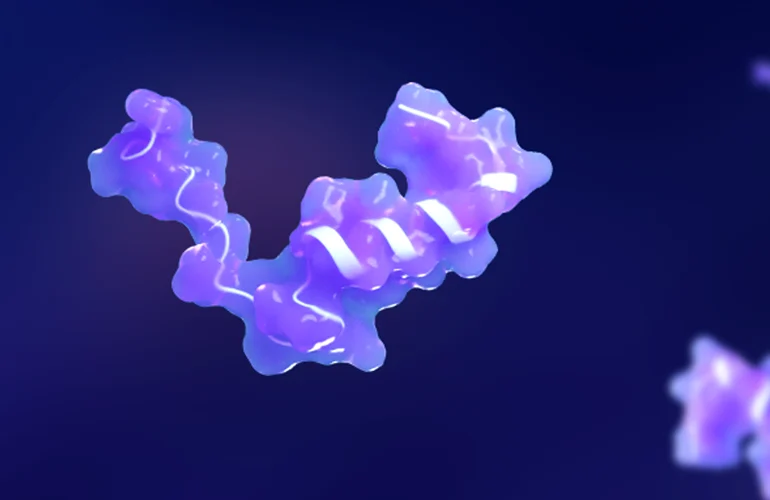
Isemblyd fundamentally alters this treatment paradigm by introducing a selective myostatin inhibitor mechanism. Myostatin is a naturally occurring protein that acts as a negative regulator of skeletal muscle growth, effectively capping muscle mass development. By selectively inhibiting the conversion of latent myostatin into its active biological form, Isemblyd removes this physiological brake. This allows patients to build and maintain skeletal muscle mass more effectively, addressing the profound muscle weakness and atrophy that persist even in patients whose motor neuron degeneration has been stabilized by SMN-enhancing therapies.
Commercial Outlook and Market Growth Projections
The introduction of Isemblyd is projected to reshape the commercial dynamics of the global spinal muscular atrophy marketplace. According to an extensive market opportunity analysis report published by GlobalData, the commercialization of upcoming myostatin inhibitors will serve as a foundational growth engine for the sector.
Market analysts forecast that the myostatin inhibitor drug class will capture substantial market share, contributing an estimated $253 million out of a projected total SMA indication market size of $3 billion by the year 2033. This financial trajectory underscores the pent-up demand for therapies that address manifestations of the disease beyond primary motor neuron survival. As additional pipeline candidates within the myostatin inhibitor class advance through late-stage clinical development, the competitive landscape is expected to broaden, offering physicians and patients an increasingly sophisticated array of combination treatment strategies.
Access and Implementation Strategy
To ensure seamless integration of Isemblyd into clinical practice, Scholar Rock has deployed an exhaustive commercial infrastructure. The initiative, branded around personalized patient support, is designed to mitigate administrative hurdles associated with specialty biologics. Patients and their families will receive direct guidance regarding insurance verification, prior authorization processes, co-pay assistance programs, and educational resources outlining the scientific mechanism and expected outcomes of myostatin inhibition.
Logistically, the therapeutic is formulated to provide flexibility in administration routes. Because Isemblyd can be administered in both specialized clinical infusion centers and home healthcare environments, it minimizes the travel burden typically associated with chronic neuromuscular disease management. Healthcare providers anticipate that this flexibility will improve patient adherence rates and support long-term therapeutic continuity.
Broader Implications for Rare Disease Drug Development
The approval of Isemblyd also holds broader implications for the wider biopharmaceutical sector, particularly concerning the development pathways of treatments for rare neuromuscular and genetic disorders. By successfully navigating the regulatory pathway for a muscle-targeted adjunct therapy, Scholar Rock has established a vital precedent for future combination therapy approvals in orphan diseases.
Historically, regulatory frameworks were largely constructed around single-agent monotherapies, complicating the evaluation of drugs intended to be added on top of existing complex regimens. The successful review and approval of Isemblyd demonstrate the FDA’s evolving willingness to evaluate and validate combination therapies that target complementary physiological pathways—in this case, pairing neuro-protection with muscle hypertrophy.
As the first shipments of Isemblyd prepare to leave manufacturing facilities in the coming days, the clinical and patient communities will closely monitor real-world effectiveness and safety outcomes. The successful rollout of this therapy will not only determine Scholar Rock’s commercial trajectory but will also serve as a crucial bellwether for the viability of myostatin inhibition across a broader spectrum of muscle-wasting conditions.