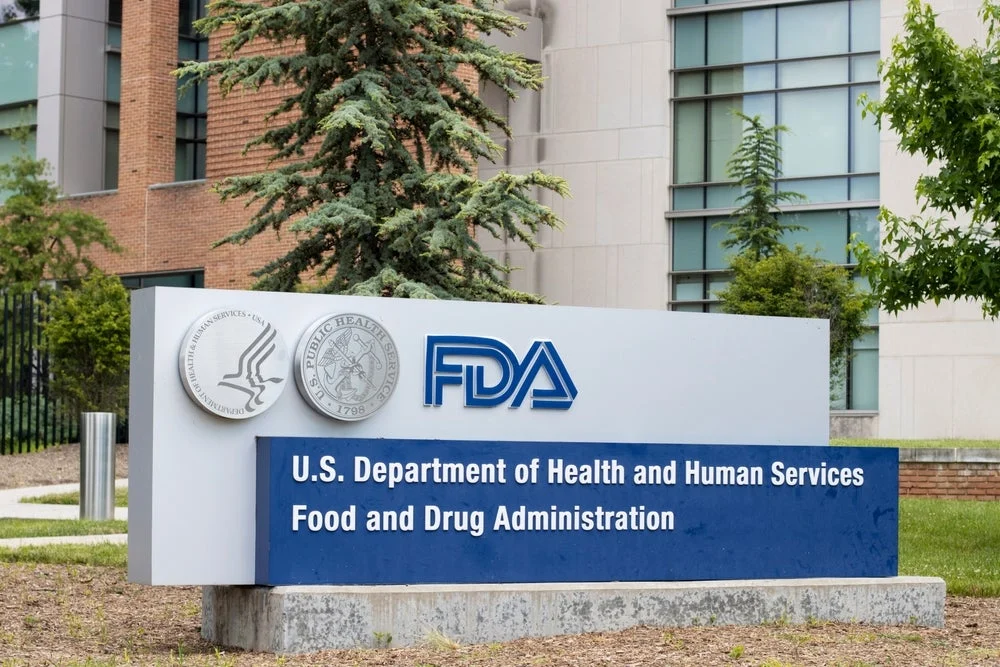
The US Department of Health and Human Services (HHS) has announced the appointment of four permanent senior leaders to critical positions within the US Food and Drug Administration (FDA). This strategic move is designed to inject much-needed stability and strategic direction into an agency that has endured a prolonged period of turbulence, characterized by high-profile departures, political scrutiny, and leadership vacuums.
The structural overhaul centers on solidifying the leadership of the FDA’s primary medical product evaluation centers—the Center for Drug Evaluation and Research (CDER) and the Center for Biologics Evaluation and Research (CBER)—while simultaneously establishing a pioneering executive office dedicated entirely to technology and artificial intelligence. By transitioning acting officials into permanent roles, HHS leadership aims to end a revolving-door phenomenon that has hampered long-term regulatory planning and slowed down critical drug review pipelines over the past eighteen years and months.
Solidifying Leadership Across Core Centers
Under the newly announced appointments, Michael Davis and Karim Mikhail will drop their "acting" titles to permanently helm CDER and CBER, respectively. Both officials have navigated significant operational challenges during their interim tenures, stepping into leadership roles amid sudden resignations and dismissals that disrupted the agency’s internal harmony.
Michael Davis, an eight-year veteran of the FDA, assumed the role of acting CDER director in May 2026. His ascension followed the high-profile ouster of his predecessor, Tracy Beth Hoeg. Throughout his career within the agency, Davis has cultivated a reputation as a pragmatic regulator focused on operational continuity. As the permanent head of CDER, Davis has articulated a clear mandate: bolstering public access to safe, affordable critical medicines while aggressively strengthening the domestic drug supply chain against global vulnerabilities. Given ongoing geopolitical and economic pressures affecting pharmaceutical manufacturing inputs, Davis’s commitment to domestic supply chain resilience is expected to be a cornerstone of CDER’s regulatory policy in the coming years.
Karim Mikhail assumes the permanent directorship of CBER after stepping into the acting role in May 2026. Mikhail brings a distinct professional profile to the post, combining nearly three decades of extensive private-sector experience in the pharmaceutical and biotechnology industries with recent public-sector service. Prior to leading CBER, Mikhail served as a senior advisor within the office of the commissioner during the tenure of former FDA Commissioner Marty Makary, before replacing Katherine Szarama. Szarama had briefly taken the helm following the second departure of Vinay Prasad in April 2026.
Mikhail’s dual perspective—having worked both inside corporate pharma pipelines and within federal regulatory apparatuses—positions him to enact ambitious modernization agendas. His immediate priorities for CBER include overhauling regulatory frameworks to better accommodate rare disease therapies, which have frequently faced bottlenecks, and scaling up the United States’ vaccine safety surveillance capabilities to meet modern post-market surveillance demands.
Pioneering Artificial Intelligence Oversight at the FDA
Perhaps the most forward-looking component of the HHS announcement is the creation and staffing of a brand-new executive position: the deputy commissioner for technology and artificial intelligence. Jared Seehafer has been named as the inaugural incumbent for this role, marking a historic milestone in how federal health regulators approach digital health and computational science.
Seehafer brings a specialized background spanning software development, artificial intelligence, and FDA-regulated medical technology. Most recently serving as a senior advisor at the agency, Seehafer’s appointment underscores the federal government’s concerted drive to integrate advanced computing into regulatory science.
The establishment of this office aligns closely with broader Trump administration directives aimed at streamlining bureaucratic processes through technological innovation while maintaining rigorous safety standards. The FDA has steadily increased its footprint in the AI landscape. In May 2025, the agency successfully completed its first AI-assisted scientific review pilot, demonstrating the viability of machine learning models in expediting technical evaluations. Furthermore, the agency has established collaborative frameworks with international counterparts, such as the European Medicines Agency (EMA), to harmonize global best practices for artificial intelligence deployment in drug discovery and clinical development. Seehafer will be tasked with scaling these initiatives agency-wide, ensuring that the FDA can keep pace with a rapidly evolving private sector that increasingly relies on generative AI and predictive algorithms.
Chronology of Turbulence: A Timeline of Recent FDA Leadership Changes
The necessity for permanent appointments stems from an unprecedented era of instability at the top tiers of the nation’s premier health regulator. The agency’s leadership trajectory over the past two years has been marked by sudden departures, acting appointments, and intense political scrutiny:
- May 2025: The FDA marks a technological milestone by completing its first AI-assisted scientific review pilot, signaling the beginning of broader digital integration under agency leadership.
- April 2026: Vinay Prasad steps down from his leadership position at CBER for the second time, prompting Katherine Szarama to briefly take over as acting director.
- April 2026: Karim Mikhail transitions from his role as a senior advisor in the commissioner’s office to prepare for broader leadership responsibilities.
- May 2026: Marty Makary resigns from his post as FDA commissioner in a high-profile exit, leading to the immediate appointment of Kyle Diamantas as acting commissioner.
- May 2026: Tracy Beth Hoeg is ousted from her position as acting director of CDER. Michael Davis is immediately elevated to acting director of CDER.
- May 2026: Karim Mikhail formally steps in as acting director of CBER, replacing Katherine Szarama.
- August 2026: President Donald Trump officially nominates Heidi Overton, a former White House health policy aide, to serve as the permanent FDA commissioner, initiating the mandatory Senate confirmation process.
- Late 2026: The HHS officially confirms Michael Davis (CDER), Karim Mikhail (CBER), and Jared Seehafer (Technology and AI) in permanent senior leadership roles, while Kyle Diamantas continues to serve as acting commissioner pending Overton’s confirmation.
Official Reactions and Policy Implications
The restructuring has drawn sharp focus from federal health officials, who view these structural changes as vital to restoring institutional confidence. Health and Human Services Secretary Robert F. Kennedy, Jr., emphasized the administration’s resolve to transform the regulatory landscape through these strategic appointments.
"We are building an FDA that moves faster, demands excellence, and delivers results for the American people," Secretary Kennedy stated in the official HHS release. "These leaders will drive the reforms needed to confront our nation’s most serious health challenges and strengthen American leadership in medical innovation."
Industry stakeholders and legal experts have offered mixed, yet largely pragmatic, responses to the leadership shake-up. For months, pharmaceutical companies, medical device manufacturers, and patient advocacy groups had expressed concern that chronic turnover at the division director level was exacerbating review backlogs, delaying priority review voucher allocations, and creating an unpredictable regulatory environment. The installation of permanent leadership in CDER and CBER is widely anticipated to restore procedural predictability, enabling sponsors to engage in more reliable long-term development planning.
However, challenges remain. The agency continues to navigate the downstream effects of previous workforce reductions, budget constraints, and persistent allegations from former officials regarding the politicization of scientific decision-making. Observers note that while appointing career civil servants and seasoned industry professionals like Davis and Mikhail to permanent posts brings administrative calm, the broader cultural and operational transformation promised by HHS leadership will require sustained oversight.
Looking Ahead: The Path to Senate Confirmation
As the agency adjusts to its newly fortified senior leadership team, attention now turns to the broader governance of the FDA. Kyle Diamantas remains at the helm as acting commissioner following Marty Makary’s resignation earlier in the year. Meanwhile, the nomination of Heidi Overton by President Trump in August 2026 awaits formal consideration by the United States Senate.
Overton, drawing on her experience as a White House health policy aide, is expected to face rigorous questioning during her confirmation hearings regarding her vision for drug approvals, public health transparency, and the balance between rapid innovation and patient safety. Until a permanent commissioner is confirmed by the Senate, the newly cemented leadership team across CDER, CBER, and the Office of Technology and AI will bear the immediate responsibility of executing the HHS’s reform agenda, steering the agency through its next chapter of modernization and public health stewardship.