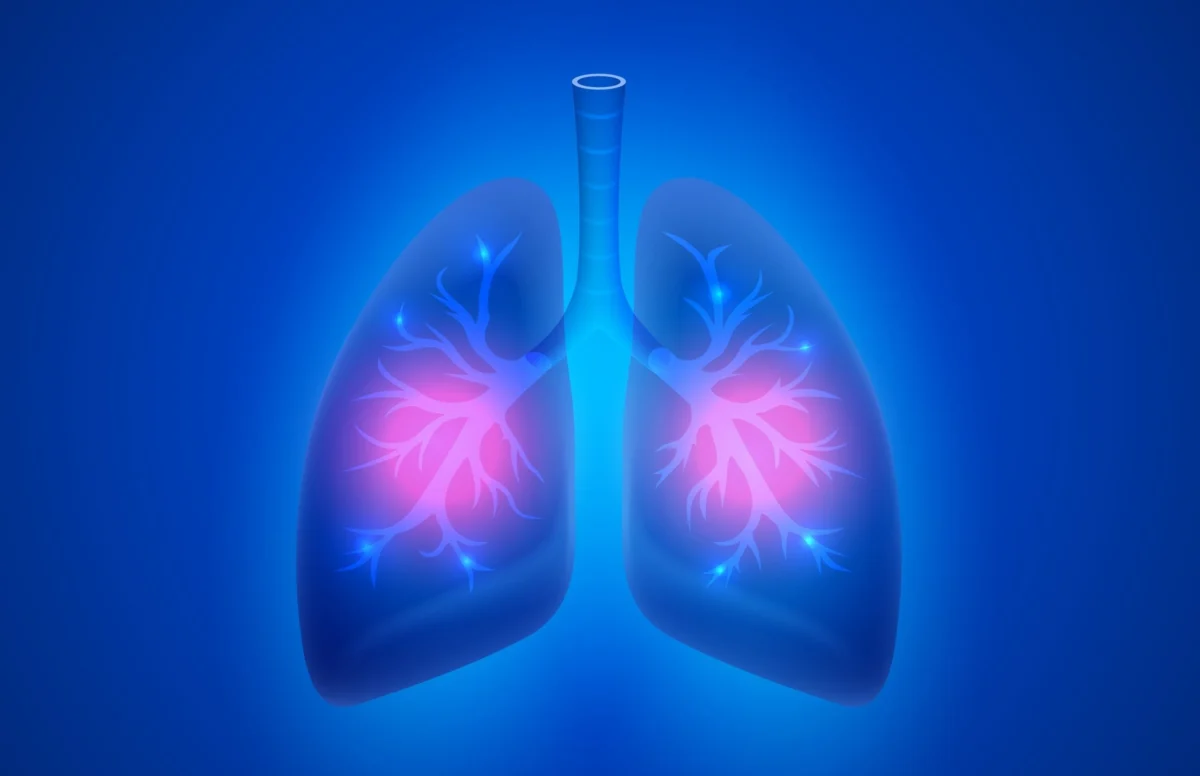
Respiratory medicine continues to evolve as researchers uncover complex interactions between metabolic health, systemic inflammation, and chronic airway diseases. Among the most pressing areas of clinical investigation is the interplay between body mass index (BMI), type 2 inflammation, and acute asthma exacerbations. Recent findings presented within the framework of leading respiratory health evaluations—such as the European Respiratory Society (ERS) scientific discussions—have brought renewed attention to how adiposity amplifies asthma severity. Clinicians and researchers are increasingly recognizing that elevated BMI is not merely a comorbid condition in asthma patients, but an active driver of treatment resistance and heightened vulnerability to severe attacks.
The clinical management of asthma has traditionally focused on airway hyperresponsiveness and allergen-driven type 2 inflammatory pathways, characterized by elevated eosinophils and specific cytokines such as interleukin-4, interleukin-5, and interleukin-13. However, a significant subset of patients presents with an obesity-driven phenotype that responds poorly to standard therapies, including inhaled corticosteroids. Understanding the convergence of metabolic dysfunction and immunological pathways is becoming essential for modern drug development, clinical trial design, and personalized healthcare delivery within the global pharmaceutical and therapeutic landscape.
Background Context and Pathophysiological Mechanisms
The relationship between excess body weight and chronic respiratory disease is multifaceted, involving both mechanical and systemic immunological factors. Mechanistically, excess adipose tissue—particularly visceral fat—exerts physical pressure on the chest wall and diaphragm, reducing functional residual capacity and total lung volume. This mechanical restriction inherently increases the work of breathing, leading to more rapid, shallow breathing patterns that can exacerbate baseline airway resistance.
Beyond biomechanical alterations, adipose tissue functions as an active endocrine and immune organ. It secretes a variety of pro-inflammatory cytokines, adipokines, and chemokines, including leptin, tumor necrosis factor-alpha (TNF-alpha), and interleukin-6 (IL-6). These circulating mediators contribute to a state of low-grade, systemic chronic inflammation that can synergize with pulmonary type 2 inflammatory pathways. In patients with high BMI and type 2-high asthma, this dual inflammatory burden amplifies airway remodeling, mucus hypersecretion, and bronchial hyperreactivity.
Furthermore, clinical observations indicate that systemic inflammation associated with obesity can alter the pharmacodynamics and pharmacokinetics of standard asthma therapeutics. Reduced drug efficacy in higher BMI cohorts often leads to frequent dose escalations, increased reliance on systemic corticosteroids, and a higher incidence of emergency room visits and hospitalizations. These challenges have prompted pharmaceutical developers to explore novel biologic therapies targeting both metabolic and immunological drivers simultaneously.
Chronology of Research and Clinical Milestones

The identification of the obesity-asthma phenotype represents decades of epidemiological and clinical investigation. The trajectory of this research highlights a gradual shift from recognizing a simple statistical correlation to dissecting complex molecular pathways.
During the late 1990s and early 2000s, large-scale epidemiological studies, including the Nurses’ Health Study and the European Community Respiratory Health Survey, first established a robust statistical link between rising obesity rates and an increased incidence of clinical asthma. These early observational cohorts revealed that individuals with a higher BMI had a significantly elevated risk of developing asthma symptoms, even after adjusting for confounding variables such as smoking status and environmental exposures.
By the 2010s, clinical researchers began categorizing asthma into distinct endotypes and phenotypes. The recognition of obesity-associated non-atopic or late-onset asthma challenged the conventional paradigm that all asthma is driven by classical allergic mechanisms. Studies published during this period demonstrated that obese asthma patients frequently exhibited poor control scores on standardized assessments like the Asthma Control Test (ACT) despite adherence to prescribed controller medications.
In recent years leading up to 2026, scientific congresses such as the ERS international congresses have prioritized sessions dedicated to metabolic-pulmonary interactions. Advanced biomarker profiling in clinical trials has allowed researchers to stratify patients based on both systemic inflammatory markers (such as blood eosinophils and fractional exhaled nitric oxide) and metabolic indicators (such as waist circumference and BMI). This methodological refinement has paved the way for targeted therapeutic interventions aimed at breaking the cycle between adiposity and refractory asthma attacks.
Supporting Data and Epidemiological Trends
Global health data underscores the urgency of addressing the intersection of obesity and chronic respiratory diseases. According to World Health Organization (WHO) statistics, worldwide obesity has nearly tripled since 1975, with more than one billion adults currently classified as overweight or living with obesity. Concurrently, asthma affects approximately 262 million individuals globally, contributing to substantial morbidity and socioeconomic burden.
Epidemiological analyses evaluating asthma exacerbation risks stratified by BMI demonstrate clear dose-response relationships:
- Patients with a BMI between 25.0 and 29.9 kg/m² (overweight) experience a moderately elevated risk of frequent exacerbations compared to individuals within the normal weight range (18.5 to 24.9 kg/m²).
- Individuals classified with Class I obesity (BMI 30.0 to 34.9 kg/m²) face up to a 50% higher likelihood of experiencing uncontrolled asthma symptoms and severe exacerbations requiring systemic corticosteroid bursts.
- In cohorts with severe obesity (BMI $ge$ 35.0 kg/m²), the risk escalates further, accompanied by a documented reduction in response rates to inhaled therapies and biologic treatments targeted exclusively at type 2 inflammation.
- Biomarker studies reveal that a subset of obese patients presents with a "mixed" inflammatory profile, displaying elevated systemic markers alongside traditional type 2 indicators, complicating standard treatment algorithms and correlating with accelerated annual decline in forced expiratory volume in one second (FEV1).
Official Responses and Industry Perspectives
Leading voices within the pharmaceutical, biotech, and clinical research sectors have emphasized the need for holistic management paradigms that look beyond isolated organ systems. Representatives from major respiratory research consortia note that clinical trial recruitment strategies must adapt to reflect real-world patient demographics, ensuring that individuals with elevated BMI are adequately represented in pivotal trials for emerging biologics and small-molecule inhibitors.
Clinical pharmacologists have pointed out that traditional dosing regimens for monoclonal antibodies targeting type 2 pathways—such as dupilumab, tezepelumab, mepolizumab, and benralizumab—may require re-evaluation in patients with severe obesity. Because volume of distribution and metabolic clearance rates can be altered in individuals with high adiposity, achieving optimal therapeutic plasma concentrations is critical for preventing breakthrough asthma attacks.
Furthermore, healthcare policy experts and advocacy groups stress the importance of integrated care models. Pulmonologists, endocrinologists, primary care physicians, and registered dietitians must collaborate to implement lifestyle interventions, weight management programs, and structured physical activity plans as adjunct therapies to pharmacological management. Such multidisciplinary approaches have demonstrated measurable improvements in lung function parameters and quality-of-life scores among high-risk patient cohorts.
Broader Impact and Therapeutic Implications
The growing recognition of BMI and type 2 inflammation as key determinants of asthma attack risk carries profound implications for the future of drug discovery and clinical practice. As the pharmaceutical industry continues to invest in precision medicine, the development of dual-action therapeutics that simultaneously address metabolic dysfunction and immune-mediated airway inflammation represents a promising frontier.
Drug developers are currently investigating novel targets that modulate both systemic inflammatory pathways originating from adipose tissue and localized bronchial inflammation. Small-molecule inhibitors focusing on adipokine signaling pathways, alongside next-generation biologics with enhanced pharmacokinetic profiles in obese patients, are moving through early- and late-stage clinical pipelines.
For healthcare systems, shifting toward a phenotype-driven approach means refining diagnostic protocols to include routine metabolic assessments alongside pulmonary function testing and biomarker panels. By identifying high-risk patients early—particularly those with overlapping metabolic and type 2 inflammatory profiles—clinicians can proactively adjust therapeutic regimens, incorporate supervised weight management, and deploy advanced biologics before patients suffer severe, life-threatening exacerbations.
Ultimately, bridging the gap between metabolic health and respiratory care will be crucial in reducing the global burden of asthma. Continued research presented at premier scientific forums ensures that medical professionals remain at the forefront of these advancements, driving toward safer, more effective, and truly personalized care for millions of patients worldwide.