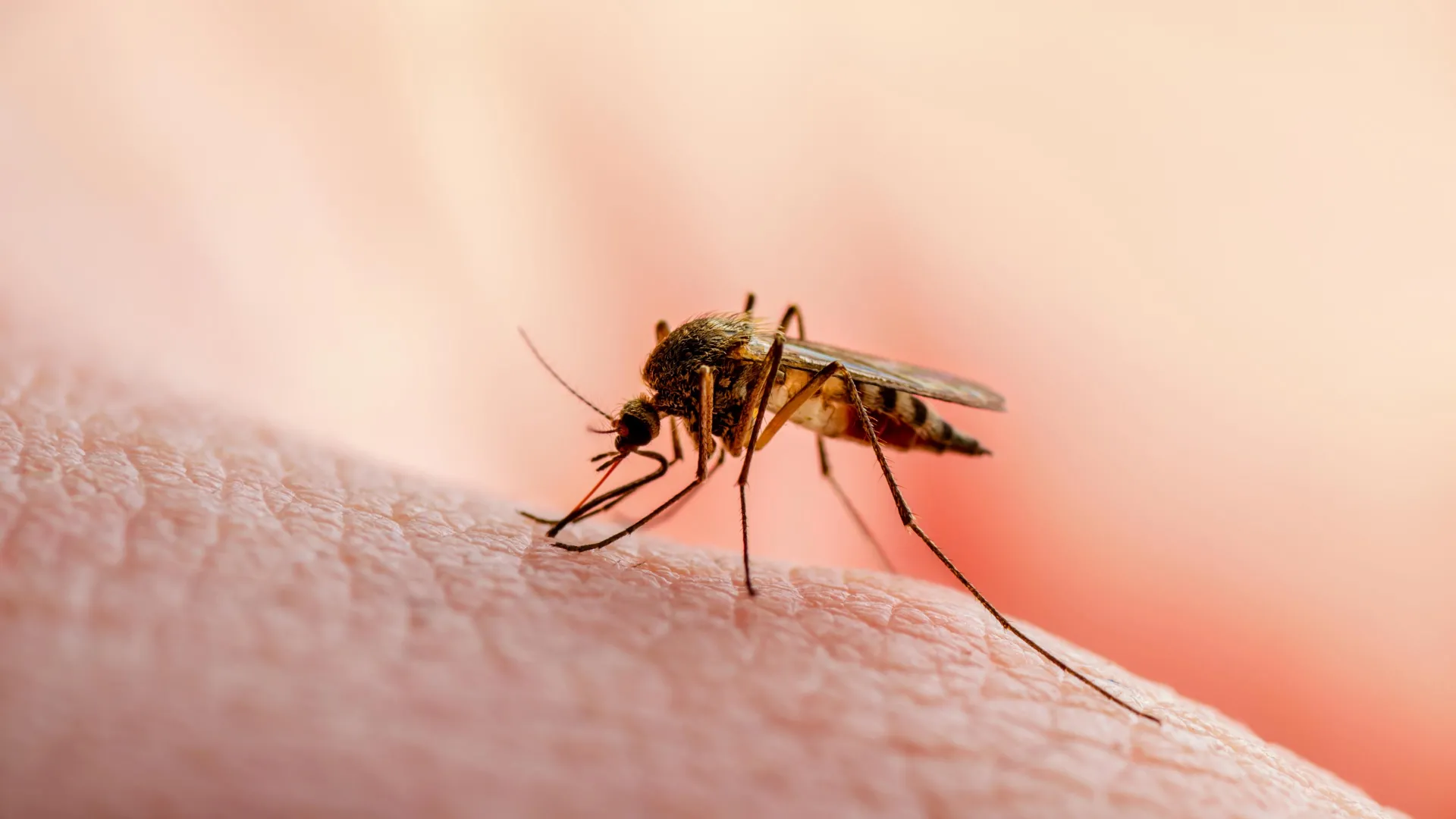
Researchers from a consortium of leading international institutions have unveiled groundbreaking insights into the intricate life cycle of the malaria parasite, Plasmodium. Their latest study, published in the prestigious journal Nature Communications, identifies a specialized protein, Aurora-related kinase 1 (ARK1), as indispensable for the parasite’s survival and its ability to transition between hosts. This pivotal discovery illuminates a highly promising avenue for the development of next-generation antimalarial drugs, offering renewed hope in the global fight against this devastating disease.
The Genesis of Discovery: A Collaborative Endeavor
The collaborative effort involved scientists from the University of Nottingham in the United Kingdom, the National Institute of Immunology (NII) in India, the University of Groningen in the Netherlands, and the Francis Crick Institute, alongside other key contributors. Their meticulous investigation delved into the complex mechanisms by which the malaria parasite replicates and propagates, a process that has long eluded complete understanding due to its unique biological pathways.
At the heart of this revelation lies Aurora-related kinase 1 (ARK1). The research team has characterized ARK1 as a crucial molecular orchestrator, functioning akin to a sophisticated cellular traffic controller. This protein plays a central role in regulating the parasite’s unusual methods of growth and division, particularly during its complex reproductive phases within both human and mosquito hosts.
Understanding the Parasite’s Unique Reproductive Machinery
Malaria remains one of the world’s most formidable infectious diseases, claiming hundreds of thousands of lives annually, predominantly in sub-Saharan Africa. The causative agents, Plasmodium parasites, exhibit remarkable adaptability, multiplying rapidly within the bloodstream of infected humans and subsequently within the salivary glands of mosquitoes that transmit the disease. Understanding the precise mechanisms of their proliferation is therefore paramount to devising effective strategies for disease control and eventual eradication.
A key differentiator of Plasmodium parasites from human cells lies in their mode of cell division. Unlike the meticulously regulated mitosis observed in human biology, Plasmodium employs a more complex and less understood form of replication. The research pinpointed ARK1’s critical function in organizing the parasite’s spindle apparatus. The spindle is a dynamic structure essential for segregating duplicated genetic material, ensuring that each newly formed daughter cell receives a complete and accurate set of chromosomes. The study demonstrated that ARK1 acts as a linchpin in this process, ensuring the proper formation and function of these vital cellular machinery.
Disabling ARK1: A Halt to Parasite Development and Transmission
The experimental findings were stark and conclusive. When researchers experimentally inhibited or disabled ARK1 in laboratory cultures of Plasmodium parasites, the developmental processes swiftly collapsed. Without the functional ARK1 protein, the parasites were incapable of assembling functional spindles. This structural deficit directly impeded their ability to divide correctly, leading to a complete breakdown in their reproductive cycle.
The implications of this disruption are profound. The inability to divide properly means the parasites cannot complete their developmental stages within either the human host or the mosquito vector. This effectively severs the chain of transmission, preventing the parasite from perpetuating its life cycle and spreading the disease.
Dr. Ryuji Yanase, the first author of the study from the School of Life Sciences at the University of Nottingham, eloquently captured the significance of their findings. "The name ‘Aurora’ refers to the Roman goddess of dawn, and we believe this protein truly heralds a new beginning in our understanding of malaria cell biology," he stated. This evocative analogy underscores the transformative potential of ARK1 as a target for intervention.
A Collaborative Triumph: Bridging Host Biology
The multifaceted life cycle of Plasmodium, which necessitates its passage through distinct environments within both human and mosquito hosts, underscores the necessity of interdisciplinary and international collaboration in malaria research. The researchers emphasized that appreciating ARK1’s role across these different hosts was a testament to their collective efforts.
Annu Nagar and Dr. Pushkar Sharma from the Biotechnology Research and Innovation Council (BRIC)-NII, New Delhi, highlighted this collaborative synergy. "Plasmodium divides via distinct processes in the human and mosquito host; it was well and truly a team effort, which allowed us to appreciate the role of ARK1 almost simultaneously in the two hosts and shed light on novel aspects of parasite biology," they commented. This integrated approach enabled a more comprehensive understanding of ARK1’s function, unearthing novel aspects of the parasite’s intricate biology.
A Promising Therapeutic Target: Selectivity is Key
Perhaps the most exhilarating aspect of this discovery for drug development is the significant divergence between the parasite’s ARK1 system and its human cellular counterparts. This difference presents a crucial advantage for therapeutic intervention.
Professor Tewari further elaborated on this exciting prospect: "What makes this discovery so exciting is that the malaria parasite’s ‘Aurora’ complex is very different from the version found in human cells. This divergence is a huge advantage. It means we can potentially design drugs that target the parasite’s ARK1 specifically, turning the lights out on malaria without harming the patient." This selective targeting minimizes the risk of adverse side effects in patients, a critical consideration in drug development, especially for diseases prevalent in regions with limited healthcare infrastructure.
The Road Ahead: Implications for Global Health
The research provides a detailed molecular blueprint of how ARK1 operates within the parasite. This clarity offers a significantly refined roadmap for medicinal chemists and pharmacologists to design and develop novel antimalarial compounds. These drugs would aim to disrupt the parasite’s life cycle by precisely inhibiting ARK1, thereby halting its replication and transmission.
Supporting Data and Context:
- Global Malaria Burden: According to the World Health Organization (WHO), in 2022, there were an estimated 249 million cases of malaria and 608,000 deaths worldwide. Children under 5 years of age accounted for 78% of all malaria deaths in 2022.
- Drug Resistance: The emergence and spread of drug-resistant strains of Plasmodium falciparum, the deadliest malaria parasite, pose a constant threat to existing antimalarial therapies. This underscores the urgent need for new drugs with novel mechanisms of action.
- Timeline of Discovery (Inferred): While specific dates are not provided in the original text, such complex international research projects typically span several years. The journey from initial hypothesis and experimental design to data collection, analysis, peer review, and publication in a journal like Nature Communications represents a significant investment of time and resources, likely spanning at least three to five years. The collaborative nature suggests iterative progress across different research groups, with key breakthroughs potentially occurring at various stages.
- Significance of Aurora Kinases: Aurora kinases are a family of serine/threonine kinases crucial for cell division in eukaryotes. While human cells possess multiple Aurora kinases (A, B, and C), the Plasmodium parasite’s reliance on a specific Aurora-related kinase (ARK1) with distinct structural and functional properties makes it an attractive drug target.
Broader Impact and Implications:
The successful development of ARK1-targeting antimalarials could represent a significant leap forward in malaria control. Such drugs, by disrupting a fundamental aspect of parasite biology, could offer a new weapon against malaria, particularly against strains resistant to current treatments. This could lead to reduced morbidity and mortality, alleviating the immense socioeconomic burden that malaria places on endemic regions. Furthermore, the research exemplifies the power of international scientific collaboration in tackling global health challenges. By unraveling the intricate molecular machinery of pathogens, scientists pave the way for innovative and life-saving interventions. The continued investigation into ARK1 and its regulatory pathways may also uncover broader applications in understanding cell division mechanisms in other organisms, potentially informing research in areas beyond infectious diseases.