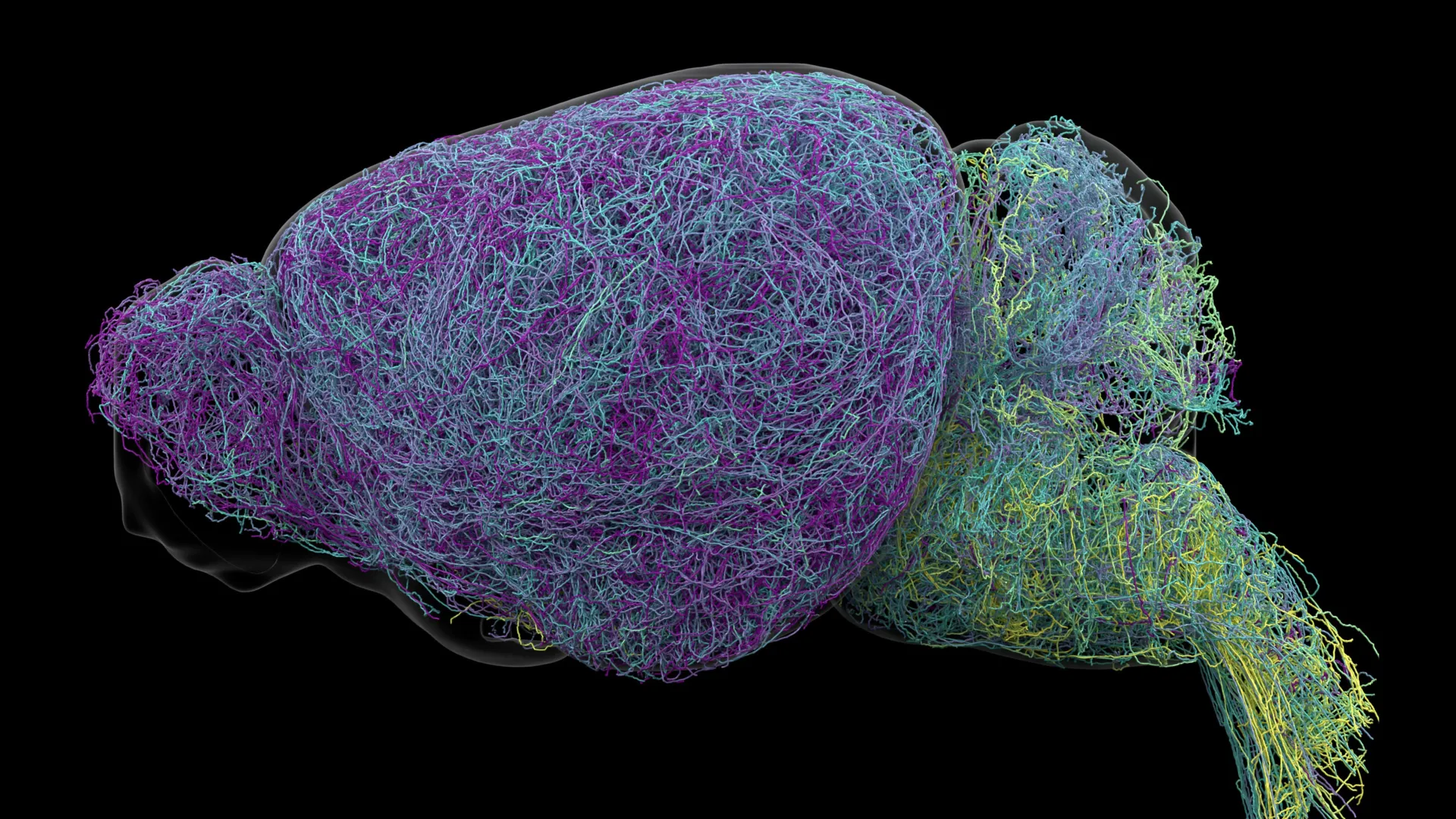
A collaborative research team at the Texas Children’s Duncan Neurological Research Institute (NRI) and Baylor College of Medicine has unveiled a sophisticated experimental strategy that may transform the treatment landscape for Rett syndrome. By manipulating the genetic "recipe" of the brain’s most critical regulatory proteins, the researchers have demonstrated a method to increase the levels of the MeCP2 protein, which is deficient in patients suffering from this debilitating neurodevelopmental disorder. The study, recently published in the prestigious journal Science Translational Medicine, provides a vital proof of concept for a new class of genetic therapies aimed at restoring neurological function in patients who currently have few options.
The Biological Architecture of Rett Syndrome
Rett syndrome is a rare genetic neurological disorder that primarily affects females, occurring in approximately 1 out of every 10,000 live female births. The condition is unique and particularly tragic because of its "regression" phase. Infants typically appear to develop normally for the first 6 to 18 months of life before losing previously acquired skills. This regression leads to severe impairments in motor coordination, the loss of purposeful hand movements—often replaced by repetitive hand-wringing—and the total or partial loss of speech and communication abilities.
At the heart of this disorder is the MECP2 gene, located on the X chromosome. This gene is responsible for producing the Methyl-CpG-binding protein 2 (MeCP2), which acts as a master regulator in the brain. It functions essentially as a biochemical "dimmer switch," controlling the activity of thousands of other genes. When mutations occur in MECP2, the resulting protein is either missing entirely or, more commonly, produced in a form that is unstable or unable to bind effectively to DNA.
"Rett syndrome causes a profound disruption in the lives of patients and their families," noted Dr. Huda Zoghbi, director of the Duncan NRI and a Distinguished Service Professor at Baylor College of Medicine. Dr. Zoghbi, who is also a Howard Hughes Medical Institute investigator, has dedicated decades to understanding this condition. "Because the disorder affects the very foundation of how brain cells communicate and regulate themselves, finding a way to restore the function of this protein has been the ‘holy grail’ of our research."
Decoding the MECP2 Gene: A Tale of Two Proteins
The fundamental challenge in treating Rett syndrome lies in the brain’s extreme sensitivity to MeCP2 levels. The brain operates within a narrow "Goldilocks" zone regarding this protein: too little results in Rett syndrome, while too much leads to MECP2 Duplication Syndrome, another severe neurological condition characterized by seizures and cognitive impairment. Therefore, any potential therapy must be precise enough to boost protein levels without overshooting the safe threshold.
The research team, led by first author Harini Tirumala, a graduate student in the Zoghbi lab, focused on the nuances of how the MECP2 gene produces protein. The gene is comprised of four segments, or exons, labeled e1, e2, e3, and e4. Through a process called alternative splicing, the brain uses these segments to create two distinct versions of the protein: MeCP2-E1 and MeCP2-E2.
- MeCP2-E1: Formed by combining segments e1, e3, and e4. This is the dominant version in the brain and is the primary isoform responsible for maintaining neurological health.
- MeCP2-E2: Formed by combining all four segments (e1, e2, e3, and e4). This version is less abundant and, crucially, is not found to be mutated in Rett syndrome patients who still possess a functional E1 version.
Tirumala and the team observed that while the E1 version is essential, the E2 version appears to be redundant or at least non-essential for normal brain function. This observation sparked a revolutionary hypothesis: if they could trick the cells into skipping the e2 segment during the splicing process, the cellular machinery would instead produce more of the essential E1 version.
Methodology: The "E2 Skip" Hypothesis
To test this theory, the researchers utilized a combination of mouse models and human-derived cell lines. The primary objective was to determine if removing the e2 "ingredient" from the genetic recipe would redirect the cell’s resources toward producing the E1 protein.
In the first phase of the study, the team used genetic engineering to delete the e2 segment from the Mecp2 gene in healthy mice. The results were immediate and significant. The mice showed a 50% to 60% increase in the production of the MeCP2 protein. Importantly, these mice did not exhibit signs of protein overabundance toxicity, suggesting that the body has natural buffering systems for this specific type of protein increase.
"We were pleased to find that this approach led to a substantial increase of MeCP2 protein in normal mice," Tirumala said. "This provided the necessary evidence that the splicing mechanism could be manipulated to boost protein levels without disrupting the overall genetic balance of the cell."
The team then moved to the most critical stage of the experiment: applying this "exon-skipping" strategy to cells derived from human patients with Rett syndrome. These patients carried mutations that typically result in low levels of partially functional MeCP2.
Experimental Results: From Mice to Human Cells
The application of the e2-skipping strategy to patient-derived cells yielded breakthrough results. By removing the e2 segment in these mutant cells, the researchers observed a dramatic recovery of cellular function.
- Protein Abundance: The levels of the mutant MeCP2 protein increased significantly.
- Structural Recovery: The neurons, which often show stunted growth in Rett syndrome, began to recover their normal physical structure.
- Electrical Activity: One of the hallmarks of Rett syndrome is abnormal neuronal firing. The treated cells showed a return to more normalized electrical patterns.
- Gene Regulation: Most importantly, the boosted levels of MeCP2 allowed the protein to resume its role as a regulator, correcting the expression levels of other downstream genes that had been disrupted by the mutation.
According to the study, approximately 65% of Rett syndrome patients possess mutations that result in a partially functional protein. For these individuals, the strategy of "more is better" holds true. By increasing the volume of a "weak" protein, the researchers were able to reach a functional threshold that restored the cell’s health.
Chronology of Discovery: A Quarter-Century of Genetic Progress
The current breakthrough is the latest milestone in a timeline of discovery that began nearly 60 years ago. Understanding the context of this research highlights its significance in the field of molecular biology:
- 1966: Dr. Andreas Rett first describes the clinical symptoms of the syndrome in a group of young girls in Austria.
- 1999: Dr. Huda Zoghbi and her team identify mutations in the MECP2 gene as the definitive cause of Rett syndrome, opening the door to genetic research.
- 2007: Research by Sir Adrian Bird demonstrates that Rett-like symptoms in mice can be reversed by restoring MeCP2 function, proving the condition is not a permanent structural defect but a reversible biochemical one.
- 2023: The FDA approves Trofinetide (Daybue), the first-ever drug treatment for Rett syndrome, which targets symptoms rather than the underlying genetic cause.
- 2024: The Duncan NRI team publishes the "e2-skipping" strategy, offering a pathway toward a genetic "cure" or significant disease modification.
Therapeutic Delivery: The Role of Antisense Oligonucleotides
A key component of the study involved finding a way to deliver this treatment without permanent genetic engineering. The researchers tested the use of "morpholinos"—synthetic molecules designed to bind to specific RNA sequences and block the splicing machinery from including the e2 segment.
While the morpholinos used in the lab were effective at increasing MeCP2 levels in mice, Dr. Zoghbi noted that they are not yet suitable for human use due to potential toxicity. However, the success of the morpholinos serves as a blueprint for the development of Antisense Oligonucleotides (ASOs).
ASOs are a class of drugs that have already seen success in treating other neurological conditions, such as Spinal Muscular Atrophy (SMA). ASOs work similarly to morpholinos by interfering with RNA splicing but are designed to be safer and more stable for human injection. "Our work lays the foundation and provides preclinical evidence for a therapeutic approach," Zoghbi stated. "Similar strategies, like ASO therapies already used in other conditions, could potentially be developed for Rett syndrome."
The Challenge of Protein Dosage: The "Goldilocks" Effect
The study’s findings are particularly relevant because they address the "dosage" problem that has long plagued Rett syndrome research. In traditional gene therapy, where a new copy of a gene is inserted into a cell, it is difficult to control how much protein each cell produces. This carries the risk of causing MECP2 Duplication Syndrome.
The e2-skipping approach is inherently safer because it works with the cell’s existing genetic machinery. It doesn’t add a new gene; it simply optimizes the output of the gene already present. This "endogenous" regulation significantly reduces the risk of over-expression, as the cell’s natural regulatory feedback loops remain largely intact.
Global Implications and the Path Toward Clinical Trials
The implications of this research extend beyond Rett syndrome. The ability to fine-tune protein levels by manipulating alternative splicing is a strategy that could be applied to a variety of other genetic disorders where protein "dosage" is critical.
For the Rett syndrome community, this research offers a new sense of hope. While the study is currently in the preclinical stage, the data suggests a clear path forward. The next steps will involve refining the ASO chemistry to ensure safety and longevity in the human brain, followed by rigorous clinical trials to determine the optimal timing for intervention.
The success of this study was made possible by a diverse team of researchers from Baylor College of Medicine and the Duncan NRI, including contributors who have since moved to Stanford University, the University of Virginia, and UT Southwestern Medical Center.
The research received substantial funding from the National Institutes of Health (NIH), the Howard Hughes Medical Institute, the Henry Engel Fund, and the Eunice Kennedy Shriver National Institute of Child Health and Human Development. This broad support underscores the scientific community’s recognition of the urgent need for innovative solutions for rare neurodevelopmental diseases.
As science moves closer to a viable genetic treatment, the work of Zoghbi, Tirumala, and their colleagues stands as a testament to the power of basic molecular research to solve the most complex puzzles of human health. By focusing on the smallest segments of a single gene, they have opened a wide door for the future of precision medicine.