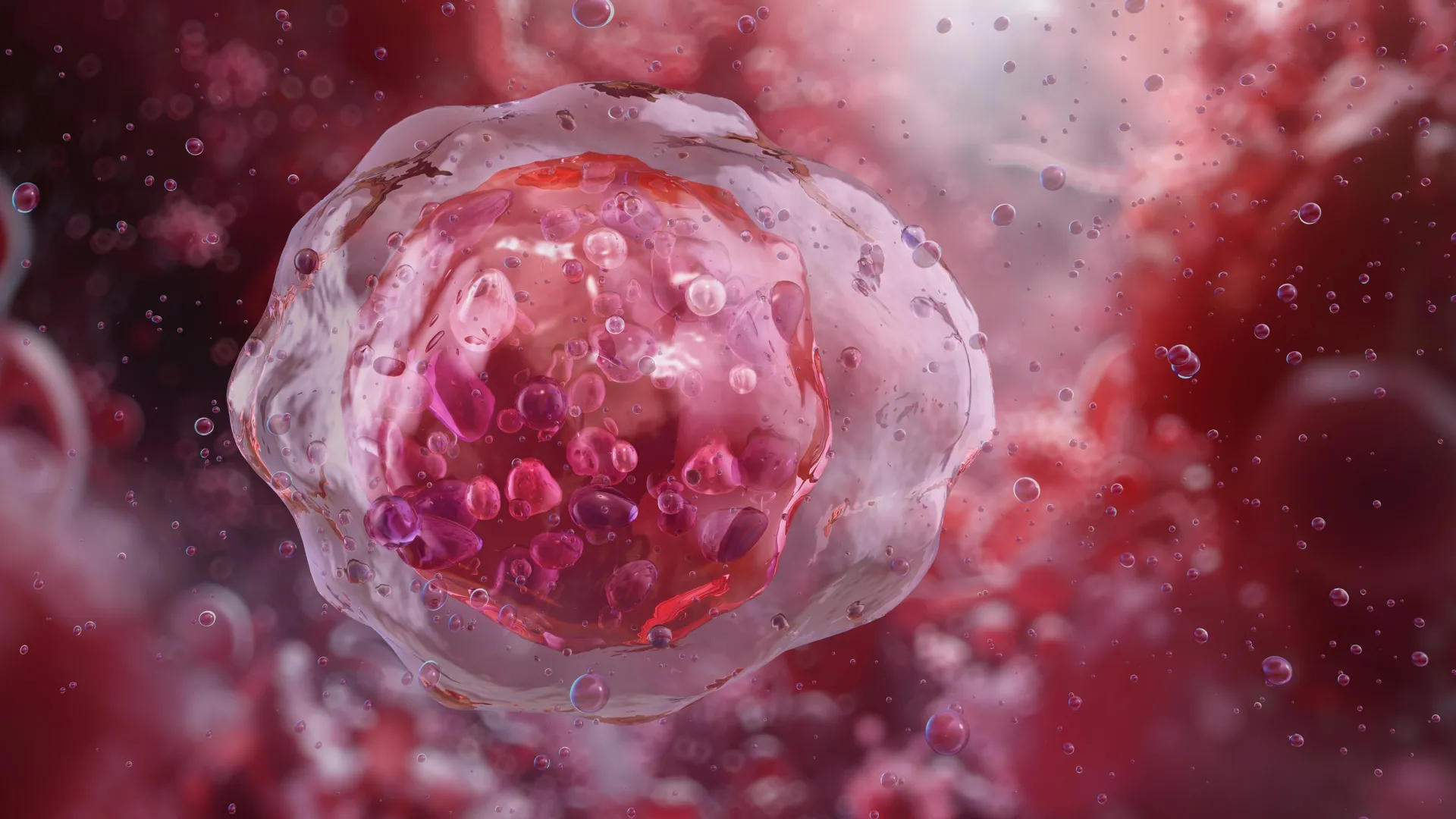
Deep within the skeletal architecture of the human body, bone marrow operates as the primary engine of human hematopoiesis. This specialized, sponge-like tissue is tasked with the monumental daily production of billions of essential blood cells. Red blood cells are continuously forged to transport vital oxygen to peripheral tissues, platelets are deployed to mediate coagulation and prevent hemorrhage, and a diverse repertoire of white blood cells is generated to construct a resilient immune defense against foreign pathogens. However, this delicate and prolific biological system is profoundly vulnerable to modern therapeutic interventions. Oncology patients undergoing aggressive systemic chemotherapy or localized ionizing radiation therapy frequently experience devastating collateral damage to their bone marrow microenvironment. This iatrogenic destruction precipitates severe myelosuppression, clinical neutropenia, and dangerously depleted white blood cell counts, leaving vulnerable patients acutely susceptible to opportunistic, life-threatening infections and treatment delays.
To mitigate these clinical hurdles, a multidisciplinary collaborative team of bioengineers and medical researchers from the University of Pennsylvania School of Engineering and Applied Science, the Perelman School of Medicine, and the Children’s Hospital of Philadelphia has successfully engineered a sophisticated microfluidic platform. This breakthrough technology accurately replicates the complex physiological architecture and cellular dynamics of native human bone marrow. Published in the peer-reviewed journal Cell Stem Cell, this innovation circumvents the historical limitations of animal models, which notoriously fail to replicate the intricate nuances of human hematopoiesis due to fundamental interspecies physiological divergences. The newly developed system not only paves the way for automated high-throughput drug toxicity screenings but also introduces unprecedented capabilities for modeling systemic immune responses and investigating the physiological impacts of extraterrestrial environments on human biology.
The Chronology of Discovery: From Spaceflight Ambitions to Terrestrial Breakthroughs
The genesis of this groundbreaking research traces back nearly a decade, rooted in an ambitious endeavor to understand the physiological deterioration of human immune systems during prolonged spaceflight. Dr. Dan Huh, Professor in Bioengineering at Penn Engineering, and Dr. G. Scott Worthen, an attending physician at the Children’s Hospital of Philadelphia and Professor Emeritus in Pediatrics at the Perelman School of Medicine, initially conceptualized the bone marrow-on-a-chip platform with a specific destination in mind: the International Space Station. Motivated by accumulating epidemiological and clinical evidence indicating an elevated risk of severe infections and immune dysregulation in astronauts deployed on extended missions, the research duo hypothesized that prolonged exposure to microgravity and cosmic radiation exerted deleterious effects on hematopoietic stem cells and immune cell generation.
Their objective was to design a functional, miniaturized tissue model capable of operating in low Earth orbit, allowing for paired, simultaneous experimentation comparing terrestrial controls against samples subjected to spaceflight conditions. However, the path of translational research is rarely linear, and the project encountered severe logistical and mechanical setbacks. During the initial attempted launch, a critical flow controller within the cubelab life-support system suffered an electrical short circuit during ascent, rendering the engineered tissue models unrecoverable. Before a secondary launch window could be secured, the emergence of the global SARS-CoV-2 pandemic forced the indefinite cancellation of the subsequent mission.
Despite these setbacks, the research team pivoted, recognizing that the advanced microfluidic technology developed for space exploration held immense value for terrestrial medicine and pharmacological research. Rather than abandoning the platform, the investigators refined the chip’s architecture, shifting their focus toward addressing critical unmet needs in human hematology, oncology drug discovery, and regenerative medicine. This redirection ultimately culminated in the successful fabrication of one of the most sophisticated bioengineered tissue models achieved to date.
Mimicking Embryonic Development: The Biological and Engineering Principles
Replicating human bone marrow in vitro has historically represented one of the most formidable challenges in biomedical engineering. Bone marrow is not a homogenous suspension of cells; rather, it is an exquisitely structured, three-dimensional niche composed of multiple distinct cell lineages operating within a specialized extracellular matrix. These primary cellular ingredients include hematopoietic stem cells, which retain the capacity for self-renewal and multilineage differentiation; endothelial cells, which form the intricate network of blood vessel walls lining the marrow cavities; and mesenchymal stromal cells, which synthesize and maintain the structural connective tissue scaffolding and secrete critical paracrine signaling factors.
Previous attempts by various research groups to combine these diverse cell types often failed because they relied on static, reductionist approaches that ignored the dynamic physical and biochemical cues present in living tissue. The key breakthrough achieved by the Penn Engineering and CHOP team involved shifting the bioengineering paradigm away from artificial cell placement toward biomimicry of embryonic bone marrow development. During human embryogenesis, the formation of bone marrow is driven by a series of overlapping, self-organizing processes governed by intercellular communication and spatial gradients.
In this newly developed platform, researchers utilized a small, transparent polymer chip containing micro-engineered chambers. These chambers are loaded with human blood stem cells and supportive stromal cells suspended within a specialized hydrogel. Placed within this biologically inspired environment, the cells spontaneously self-organize, utilizing their innate developmental programs to assemble functional, living human marrow tissue. This self-assembly principle, championed by former doctoral student and co-inventor Andrei Georgescu, demonstrates that when provided with the correct biochemical and biomechanical microenvironment, human progenitor cells possess the intrinsic capacity to construct complex, physiologically accurate tissues complete with perfusable capillary blood vessels.
Furthermore, the integration of engineered vascular channels allows the newly generated functional blood cells to be actively released into circulating culture media. This dynamic flow mimics the physiological sinusoids of native bone marrow, enabling real-time harvesting and analysis of newly minted blood cells as they enter the simulated bloodstream.
Simulating Clinical Toxicologies and Inter-Organ Crosstalk
The clinical utility of the bone marrow-on-a-chip extends far beyond basic cellular generation; it provides an unprecedented experimental sandbox for modeling human pathology and therapeutic toxicity. In standard clinical oncology, identifying the myelosuppressive profile of candidate chemotherapeutic agents relies heavily on animal testing or rudimentary two-dimensional cell cultures, both of which exhibit poor predictive validity for human responses. The new platform enables automated, high-throughput preclinical screening, allowing pharmaceutical researchers to rapidly quantify the cytotoxicity of anticancer compounds on human hematopoietic cells prior to human clinical trials.
Beyond single-organ toxicity assays, the research team demonstrated a significant methodological leap by interconnecting the bone marrow chip with a secondary organ-on-a-chip model representing bacteria-infected human lung tissue. By establishing fluidic communication between these distinct tissue models, the investigators successfully emulated complex inter-organ biochemical crosstalk and the systemic innate immune response. When the lung compartment was exposed to bacterial pathogens, the interconnected bone marrow model rapidly detected the biochemical distress signals. In a striking simulation of an active human immune response, the marrow chip initiated the rapid mobilization and massive release of functional white blood cells into the circulating fluid. These cells subsequently trafficked through the microfluidic vascular channels to the infected lung compartment, where they successfully engaged and neutralized the bacterial cells through phagocytosis. This marks the first time researchers have successfully visualized and measured dynamic, multi-organ immune coordination in vitro.
Implications for Cell Therapy, Regenerative Medicine, and Space Exploration
The successful validation of this microfluidic human bone marrow platform carries profound implications across multiple scientific and medical domains. From a hematological perspective, one of the most compelling discoveries during the study was that the chip environment not only supports the differentiation of blood cells but also provides an optimal niche for maintaining and sustaining hematopoietic stem and progenitor cells over extended cultivation periods.
Hematopoietic stem cell transplantation remains a cornerstone curative therapy for various hematologic malignancies, autoimmune disorders, and genetic blood diseases. However, harvesting sufficient numbers of viable stem cells from human donors requires invasive, painful surgical procedures, and these cells frequently lose their stemness and regenerative capacity when removed from their native in vivo microenvironment and cultured in traditional laboratories. The ability of the bone marrow-on-a-chip to preserve and potentially expand functional hematopoietic stem cells opens a promising avenue toward the realization of scalable ex vivo stem cell expansion, potentially transforming clinical cell therapy protocols.
Simultaneously, the platform offers renewed potential for aerospace medicine. As commercial spaceflight expands and national space agencies plan long-duration crewed missions to the Moon and Mars, understanding the precise mechanisms by which microgravity and galactic cosmic radiation compromise human immunity remains a critical priority. The miniaturized, automated nature of the chip positions it as an ideal candidate for future payloads destined for orbital laboratories, enabling automated biological monitoring and screening of countermeasures to protect astronaut health during deep-space exploration.
Official Responses and Expert Perspectives
The breakthrough has drawn widespread attention from the bioengineering and medical communities, underscoring its potential to bridge the longstanding gap between preclinical discovery and human clinical translation.
"We’ve come a long way in terms of our ability to regenerate human tissues in vitro and mimic their complex functions, but I would say this system is probably one of the most sophisticated bioengineered tissue models developed to date," stated Dr. Dan Huh, senior author of the study and Professor in Bioengineering at Penn Engineering. Highphasizing the significance of the multi-organ integration, Huh noted, "For example, we show for the first time in this paper the feasibility of creating interconnected organ-on-a-chip models of the human marrow and bacteria-infected lungs to emulate the biochemical crosstalk between the two organs and the entire process of innate immune response to infection, from rapid release of a large number of white blood cells from the marrow into the bloodstream to their trafficking into the infected airways where they fight off infection by engulfing the bacterial cells."
Dr. G. Scott Worthen reflected on the long trajectory of the research, acknowledging the initial disappointments of the spaceflight initiatives while emphasizing the ultimate triumph of the terrestrial adaptation. "Based on accumulating evidence showing increased risk of infection in astronauts on prolonged missions, we wanted to study how weightlessness affects our immune system," Worthen explained. Despite the technical failures that grounded their initial experiments, Worthen expressed optimism regarding the platform’s future trajectory in clinical research.
Dr. Andrei Georgescu, former doctoral student in Huh’s laboratory and current Chief Executive Officer of Vivodyne—the biotechnology startup co-founded to commercialize the organ-on-a-chip technology—highlighted the fundamental shift in design philosophy. "The design principle we demonstrate in this paper is unique and different from conventional approaches in that it relies on the ability of stem and progenitor cells to self-organize and self-assemble into complex tissues," Georgescu noted. "In other words, when grown in the ‘right’ environment, those cells can build themselves into realistic tissues with physiological properties. As is often the case, finding such conditions required a lot of work."
Future Directions and Broader Impact
As the research team transitions from academic validation to commercial translation through industry partnerships, the focus is squarely on scaling the technology for robust pharmaceutical applications. Collaborations with major pharmaceutical enterprises, including contributions from researchers at GlaxoSmithKline, indicate strong industry interest in integrating organ-on-a-chip models into early-stage drug development pipelines to replace or supplement animal testing.
By providing a high-fidelity, human-relevant system for studying hematopoiesis, evaluating drug-induced myelosuppression, and modeling systemic immune dynamics, this bioengineered bone marrow platform represents a monumental leap forward. It bridges critical knowledge gaps in human physiology and equips medical researchers with powerful tools to develop safer therapeutics, enhance bone marrow transplantation methodologies, and safeguard human health both on Earth and in the expanse of space.