For generations, the foundational dogma of human physiology and hematology taught a singular, unyielding truth: the human skeletal system holds an absolute monopoly over the creation of blood. Medical textbooks worldwide instructed students that hematopoietic stem cells (HSCs)—the master cellular architects responsible for generating the roughly 200 billion red blood cells, platelets, and immune cells required daily—resided and operated exclusively within the spongy confines of the bone marrow. This continuous, high-volume manufacturing process was understood to be the sole domain of the sternum, hips, and vertebrae, pumping life-sustaining oxygen from the lungs to every vital organ and tissue in the human body.
However, a groundbreaking study published on February 27 in the peer-reviewed journal Blood has systematically upended this long-held medical consensus. Researchers at the University of California, San Francisco (UCSF) have definitively proven that the human lung is not merely a passive organ for gas exchange, but an active, bustling hematopoietic factory. The scientific team discovered that human lung tissue harbors functional hematopoietic stem cells capable of producing red blood cells and megakaryocytes—the precursor cells responsible for generating blood-clotting platelets. This paradigm-shifting revelation not only redefines human anatomy but also opens unprecedented avenues for regenerative medicine, potentially transforming the landscape of life-saving stem cell transplants used to treat aggressive cancers and blood disorders.
The Chronology of a Paradigm Shift: From Rodent Models to Human Confirmation
To understand the magnitude of the 2024 human study, one must trace the scientific trajectory back to 2017, when the same dedicated UCSF research team first began challenging the limits of traditional hematology using advanced murine models. During those initial experiments, Dr. Mark Looney and his colleagues observed an unexpected biological phenomenon in mice: roughly 50 percent of the animals’ total platelet production was originating not from the bone marrow, but from the pulmonary vasculature.
Intrigued and driven by this anomalous finding, the UCSF investigators dug deeper into the cellular architecture of the mouse lung. To their astonishment, they identified a resident population of hematopoietic stem cells within the pulmonary tissue capable of generating a complete spectrum of blood constituents. These included not only megakaryocytes and red blood cells but also several specialized lineages of immune cells. This discovery suggested a cooperative physiological relationship between the bone marrow and the lungs, wherein the pulmonary system acted as a secondary production site or a collaborative partner in maintaining systemic hematopoiesis.
Yet, a monumental scientific chasm always exists between observations made in murine models and the physiological reality of human biology. Recognizing this limitation, Looney’s research group embarked on the rigorous multi-year translational phase of their work. They acquired ethically donated human tissue samples—specifically matching lung, bone marrow, and peripheral blood samples from human donors—to conduct a direct comparative analysis.
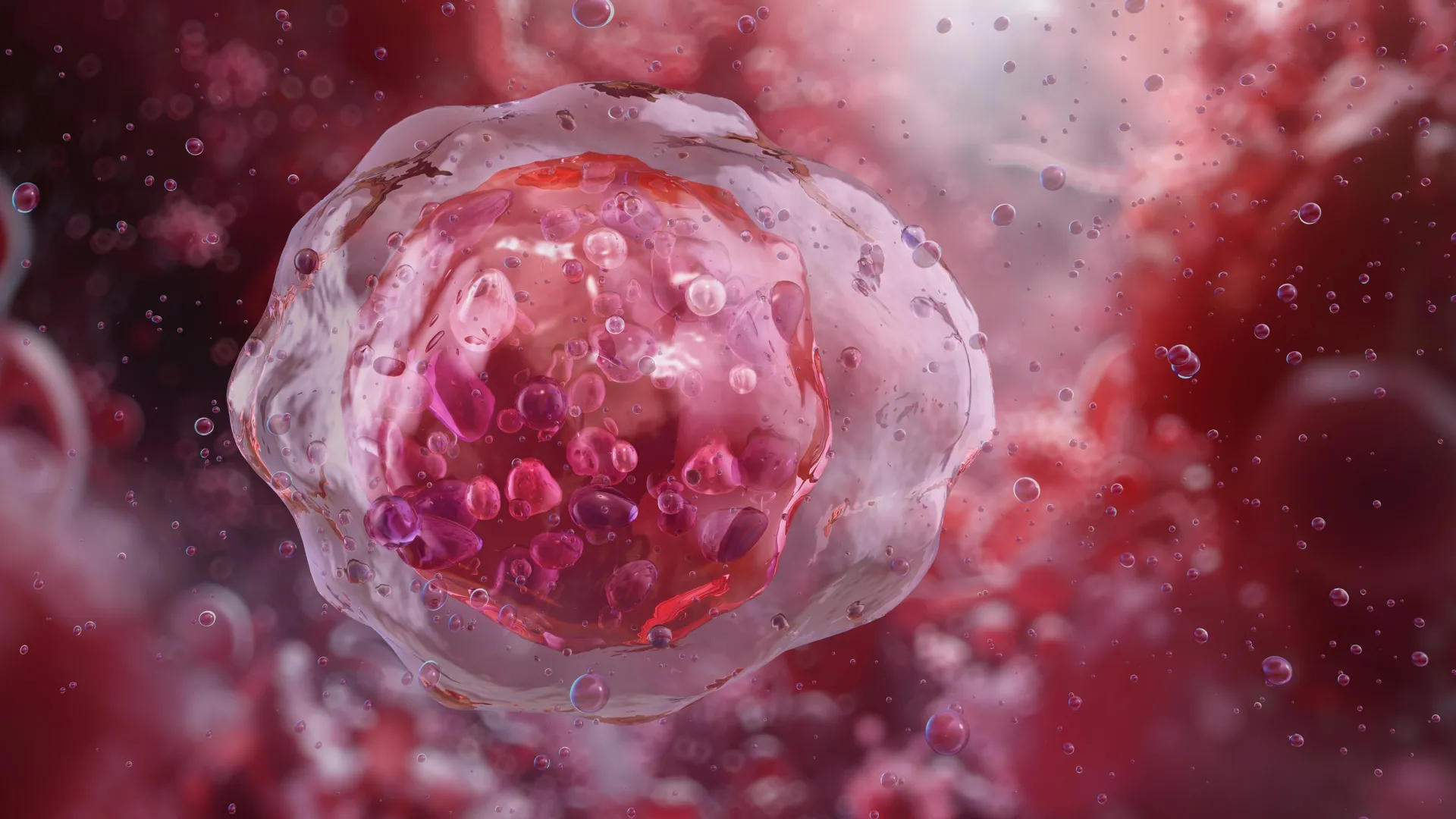
By screening volumes of lung tissue no larger than a standard golf ball, the researchers successfully isolated human stem cells that bore an extraordinary resemblance to the classic, well-documented HSCs traditionally harvested from bone marrow. Quantitative cellular profiling revealed that these lung-dwelling HSCs were present at frequencies comparable to those found in the marrow itself. Subsequent in vitro analyses demonstrated that these pulmonary stem cells were not biological outliers or transient travelers; when cultured in petri dishes alongside bone marrow HSCs, the lung-derived cells thrived and actively produced robust colonies of blood cells, establishing their functional competence beyond doubt.
Anatomy of a Pulmonary Factory: Morphology and Microenvironment
A central challenge for the UCSF team was confirming that these stem cells were permanent, resident fixtures of the pulmonary microenvironment rather than stray cells merely circulating through the pulmonary capillary beds after escaping from the bone marrow. To address this critical question, Dr. Catharina Conrad, a postdoctoral scholar in Looney’s laboratory and the study’s first author, conducted meticulous spatial mapping of human lung tissue samples.
The morphological analysis revealed that these human HSCs were strategically nestled within the interstitial spaces located precisely between the intricate networks of pulmonary blood vessels. This structural arrangement bore a striking anatomical and functional parallel to the specialized niches found within bone marrow.
"They really seem to live there and aren’t just passing through," Dr. Conrad noted, highlighting that the local microenvironment of the lung provides the necessary signaling cues, extracellular matrix components, and biochemical support to sustain a viable stem cell population.
Furthermore, the research team made a startling retrospective discovery when analyzing the standard outputs of routine clinical bone marrow transplants. Typically, these life-saving procedures begin with a peripheral blood draw from a donor, followed by the isolation and screening of stem cells based on specific surface markers. When the UCSF researchers analyzed these clinical isolation batches, they uncovered a startling reality: nearly 20 percent of the stem cells currently harvested and utilized in standard "bone marrow transplants" actually carry the precise biological signatures of lung-derived HSCs. This retrospective insight indicates that modern medicine has unknowingly been harvesting pulmonary stem cells for decades, viewing them purely through the lens of bone marrow contamination.
Official Responses and Institutional Support
The implications of this discovery have resonated powerfully throughout the broader biomedical research community. The study was substantially funded and supported by the National Heart, Lung, and Blood Institute (NHLBI), a prominent division of the National Institutes of Health (NIH). This high-level federal backing underscores the immense translational value and credibility of the UCSF findings.
"For decades, bone marrow transplants have been a lynchpin in the treatment of cancers like leukemia," stated Dr. Mark Looney, professor of medicine and laboratory medicine at UCSF and the senior author of the published study. "The lung HSCs could prove to be a second and significant reservoir of these precious stem cells."
Medical professionals and oncologists specializing in hematologic malignancies have expressed cautious optimism regarding the clinical potential of the discovery. Bone marrow transplantation—formally known as hematopoietic stem cell transplantation (HSCT)—remains a cornerstone therapy for patients suffering from severe anemias, immune deficiencies, and aggressive hematologic cancers such as acute myeloid leukemia, acute lymphoblastic leukemia, and lymphoma. However, finding fully compatible donors remains a daunting logistical hurdle, and the physical toll of harvesting marrow from donors can be significant.
While independent experts emphasize that clinical applications remain years away, the identification of a secondary, accessible reservoir of stem cells opens up tantalizing possibilities for optimizing transplant protocols, improving cellular yields, and potentially developing autologous or allogeneic therapies that harness the unique properties of pulmonary HSCs.
Broader Impacts, Therapeutic Implications, and Future Horizons
The revelation that the human lung manufactures blood cells prompts profound evolutionary and physiological questions. Why would an organ optimized primarily for the mechanical extraction of oxygen and the expulsion of carbon dioxide shoulder the metabolic burden of hematopoiesis?
Dr. Looney and his colleagues hypothesize that the unique anatomical positioning of the lungs makes them an ideal staging ground for rapid, on-demand cellular responses. Because the entire cardiac output of the body flows continuously through the pulmonary circulation, the lungs are uniquely situated to monitor systemic physiological stress. Consequently, researchers theorize that lung-based HSCs function as an emergency reserve system—a specialized biological depot that can be rapidly mobilized whenever the body experiences acute trauma, severe hemorrhage, systemic infection, or sudden hypoxemia requiring a swift surge in platelets, red blood cells, or immune defenses.
In functional experiments where human lung HSCs were transplanted into HSC-deficient immunodeficient mice, the cells successfully homed to the bone marrow niches and restored systemic hematopoiesis. This confirms a bidirectional, highly dynamic cellular traffic between the skeletal and pulmonary systems, suggesting that the human body employs a decentralized approach to blood production far more sophisticated than previously imagined.
Despite these exhilarating breakthroughs, numerous critical questions remain on the horizon for translational researchers. Investigators must now determine whether pulmonary HSCs possess distinct therapeutic advantages over their bone marrow counterparts in specific clinical scenarios. For example, the UCSF team observed that while both types of stem cells thrived in culture, lung HSC colonies demonstrated a pronounced propensity to generate higher volumes of red blood cells and megakaryocytes, whereas bone marrow colonies leaned more heavily toward immune cell production. Understanding the epigenetic and molecular drivers of these functional biases could allow physicians to tailor stem cell therapies precisely to the clinical needs of individual patients—deploying lung-derived cells for conditions characterized by severe platelet deficiencies or anemias, and marrow-derived cells for immune reconstitution.
As the scientific community digests the findings published in Blood, textbook publishers and medical educators are faced with the rare task of rewriting fundamental physiological principles. The lungs, once understood purely as the delicate bellows of human respiration, are now recognized as co-architects of our circulatory system. For patients awaiting life-saving transplants and for researchers charting the frontiers of stem cell biology, this discovery illuminates a new pathway of hope, proving that the human body still holds miraculous secrets waiting to be uncovered.