The modern landscape of oncology and molecular imaging is undergoing a profound transformation, driven largely by the clinical promise of radiopharmaceuticals. Yet, despite their immense therapeutic potential in targeting malignant cells while sparing healthy tissue, the journey from early laboratory discovery to human clinical trials is fraught with complex scientific, logistical, and regulatory challenges. To mitigate these friction points, Perceptive Discovery and Nucleus RadioPharma have officially announced a non-exclusive strategic partnership designed to seamlessly bridge the gap between initial target validation and clinical-scale manufacturing.
Under the terms of the newly minted agreement, the two specialised organisations will actively direct qualified customer opportunities to one another across the entire development pipeline. Rather than operating in isolated silos, which has historically caused costly delays and technical disconnects in the radiopharmaceutical sector, this collaboration aims to establish a unified ecosystem. A dedicated joint governance structure will oversee the alliance, ensuring fluid communication and strategic alignment. Crucially, both companies will maintain their independent operations, thereby preserving client autonomy and freedom of choice. As demand evolves, the leadership teams plan to continuously evaluate operational performance with the view of expanding the scope of their collaborative efforts.
Addressing Industry Bottlenecks and Transition Friction
The core impetus behind this partnership is the mitigation of systemic obstacles that routinely hinder radiopharmaceutical development programs. Historically, developers have faced severe operational friction when transitioning assets from preclinical imaging phases into Good Manufacturing Practice (GMP) compliant processes. This transition often suffers from a lack of scientific continuity, disparate data standards, and logistical bottlenecks regarding the supply of specialized medical isotopes.
By aligning their respective strengths, Perceptive Discovery and Nucleus RadioPharma seek to shrink development timelines, reduce financial expenditures, and eliminate the administrative friction that plagues novel drug programs. For Perceptive Discovery, the alliance secures a direct, highly aligned pathway toward clinical-scale manufacturing. The company’s advanced capabilities in imaging-derived dosimetry and precise biodistribution metrics play an instrumental role in guiding radioligand candidate selection and structuring robust first-in-human clinical trial planning. Through structured coordination with Nucleus RadioPharma, critical data gathered during the preclinical phase will seamlessly inform downstream manufacturing parameters.
Perspectives from Executive Leadership
Industry stakeholders have lauded the agreement as a vital step toward maturing the radiopharmaceutical supply chain. Stephen Hahn, Chief Executive Officer of Nucleus RadioPharma, emphasized the philosophical and operational alignment of the two entities, framing the partnership as a patient-centric milestone.
"Discovery to Dose is more than a handoff between companies," said Hahn. "It is an integrated pathway designed to move promising radiopharmaceuticals from early science to patients faster, with manufacturability and scale considered from the beginning. By connecting Perceptive Discovery’s preclinical imaging leadership with our clinical and commercial manufacturing capabilities, we are giving our shared customers a clearer, faster route from target to clinic—and ultimately helping important new therapies reach patients sooner."
While official statements from Perceptive Discovery leadership elaborate further on the scientific continuity of the partnership, industry analysts note that the integration of preclinical imaging insights directly into GMP manufacturing design addresses a long-standing vulnerability in nuclear medicine development. By designing processes with ultimate commercial scale in mind from day one, developers can avoid costly redesigns and regulatory setbacks later in the clinical pipeline.
Core Competencies of the Partnering Organisations
To fully understand the potential impact of this strategic alliance, it is necessary to examine the distinct yet complementary capabilities that each organisation brings to the table.
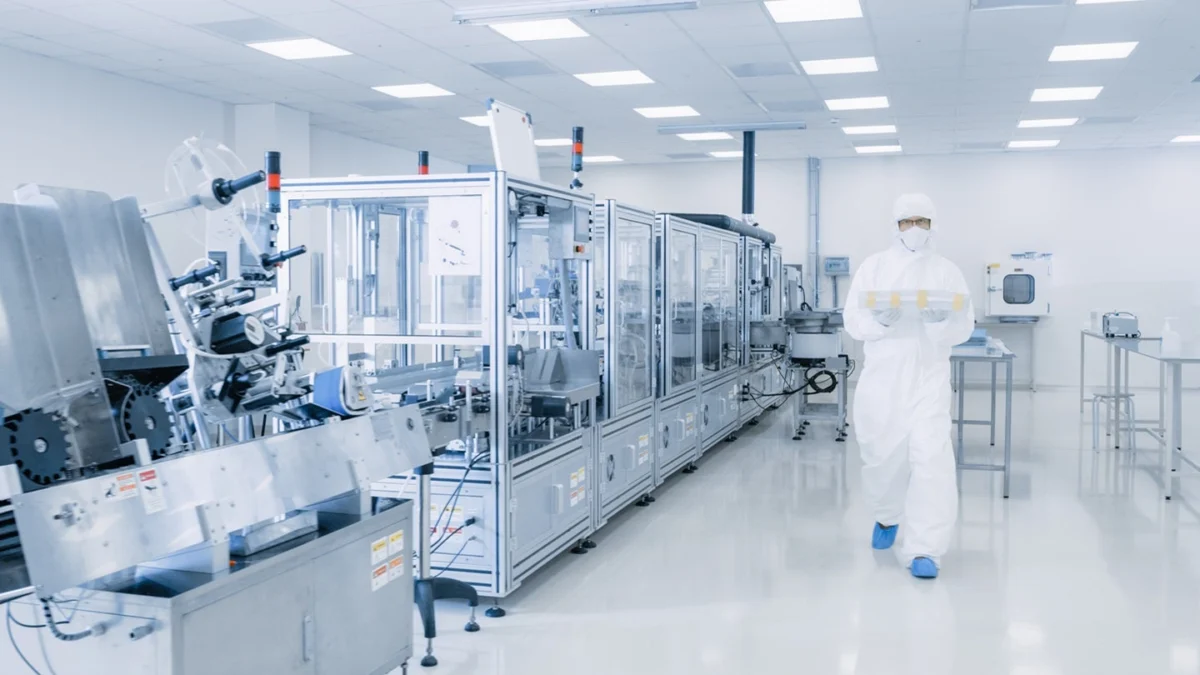
Nucleus RadioPharma operates primarily as a specialized contract development and manufacturing organisation (CDMO) focused squarely on targeted radiotherapies. The commercialisation of radiopharmaceuticals requires intricate infrastructure, short half-life management, and stringent regulatory compliance. Nucleus boasts deep technical expertise in GMP radiolabelling, complex process development, advanced formulation and analytical method development, as well as comprehensive regulatory and quality documentation support. Furthermore, the company manages clinical and commercial drug product supply supported by a robust, specialised isotope supply chain capable of meeting the rigorous demands of modern clinical trials.

On the other hand, Perceptive Discovery functions as a premier preclinical and translational research organisation. The company provides vital foundational backing for sponsors investigating oncology, central nervous system (CNS) therapies, and novel radiopharmaceuticals. Its service portfolio includes sophisticated preclinical modelling, advanced radiochemistry, high-resolution biodistribution studies, molecular imaging, quantitative analysis, precise dosimetry, and rigorous in vitro and in vivo studies. These capabilities enable drug developers to resolve early-stage development hurdles and make informed decisions when selecting viable clinical candidates.
The Broader Radiopharmaceutical Market Context
The formation of this partnership occurs against a backdrop of unprecedented growth and capital investment within the global radiopharmaceutical sector. Over the past decade, targeted radionuclide therapy has transitioned from an experimental oncology niche to a cornerstone of modern precision medicine. Landmark approvals of targeted therapies have validated the therapeutic thesis that radioactive isotopes can be precisely delivered to cancer cell surface antigens while minimising systemic toxicity.
However, this rapid market expansion has exposed severe structural limitations in global manufacturing capacity. Unlike traditional small-molecule drugs or large-molecule biologics, radiopharmaceuticals are characterised by exceptionally short radioactive half-lives—often measured in hours rather than months. This temporal constraint means that supply chains must be hyper-localised or exceptionally well-coordinated, and manufacturing facilities must adhere to unyielding operational schedules.
Furthermore, the preclinical selection of candidates requires sophisticated imaging biomarkers to predict therapeutic efficacy and safety profiles accurately. When preclinical imaging data is generated in an environment disconnected from the realities of GMP manufacturing, clinical developers frequently encounter formulation hurdles, stability issues, or yield discrepancies when scaling up for human trials. The Perceptive Discovery and Nucleus RadioPharma partnership directly confronts this systemic vulnerability by creating an operational bridge between the laboratory bench and the clinical production suite.
Implications for Drug Developers and Clinical Trials
For biotechnology firms, pharmaceutical companies, and academic institutions developing radiopharmaceuticals, the alliance offers a streamlined, de-risked pathway through the development lifecycle. Managing multiple vendors across the preclinical and clinical phases has historically introduced administrative overhead, communication gaps, and potential compliance risks.
By establishing a coordinated pipeline wherein qualified customer opportunities are smoothly referred between Perceptive Discovery and Nucleus RadioPharma, sponsors can maintain a cohesive scientific narrative. Preclinical dosimetry and imaging metrics flow logically into GMP process development, ensuring that the physical and chemical characteristics of the radioligand are optimised for human administration from the outset.
In addition to accelerating timelines, this integrated approach is projected to yield significant cost efficiencies. Drug developers can avoid the capital expenditures and operational delays associated with transferring tech packs between disparate, uncoordinated third-party service providers. Instead, the joint governance structure ensures accountability and continuous performance evaluation, keeping development programs on schedule and within budget constraints.
Future Outlook and Scalability
As the strategic partnership takes effect, leadership from both organisations will closely monitor operational milestones and client feedback. While the initial agreement is structured on a non-exclusive basis to preserve customer flexibility, the long-term vision involves broadening the remit of the collaboration in response to market demand.
Industry observers anticipate that as regulatory frameworks for targeted radiotherapies continue to evolve, strategic alliances of this nature will become the industry standard. By uniting translational imaging expertise with commercial-grade manufacturing infrastructure, Perceptive Discovery and Nucleus RadioPharma have established a collaborative blueprint that addresses the complex realities of modern nuclear medicine. Ultimately, the success of this partnership will be measured not only by operational efficiencies, but by its ability to accelerate the delivery of life-saving radiopharmaceuticals to patients in need.