Life science tools and diagnostics provider Bio-Techne Corporation has officially opened a state-of-the-art, purpose-built manufacturing facility in Bristol, United Kingdom, dedicated to the production of good manufacturing practice (GMP) grade small molecules. Spanning 10,000 square feet, the fully operational site is designed to supply critical raw materials and components to support cell therapy developers globally. This strategic expansion significantly strengthens Bio-Techne’s manufacturing footprint, bridging domestic operations in the US with advanced capabilities in Europe, and arrives at a critical juncture for the regenerative medicine sector as it pushes to overcome longstanding production, standardisation, and commercialisation bottlenecks.
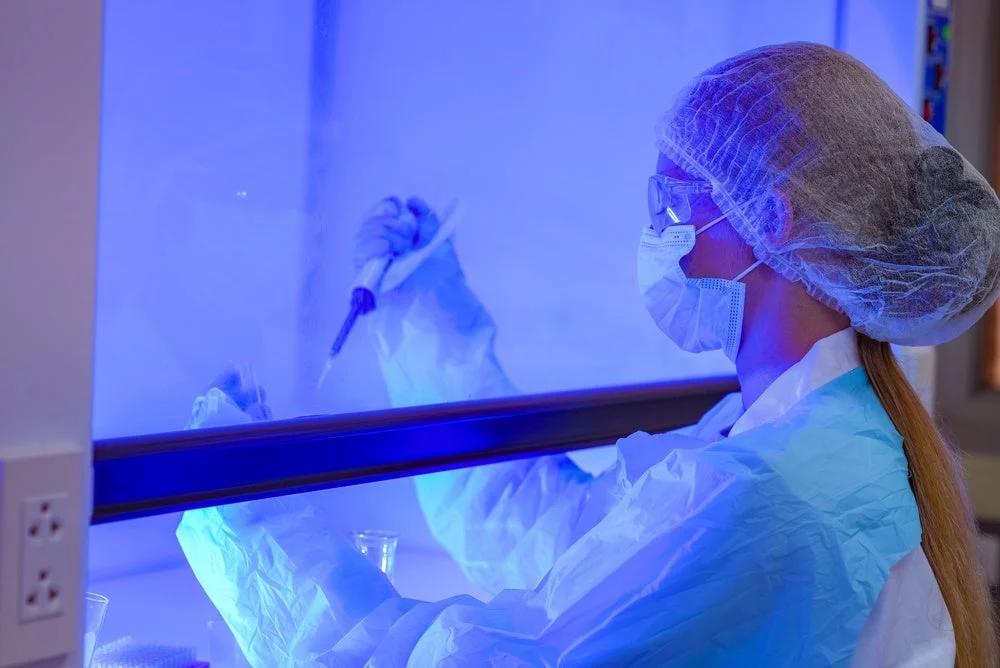
The Bristol facility has been engineered to meet stringent regulatory and quality standards required for human therapeutic applications. Inside the 10,000-square-foot structure, the layout incorporates two International Organization for Standardization-7 (ISO-7) cleanrooms alongside five ISO-8 multifunctional cleanrooms. These controlled environments are specifically optimised for GMP small molecule production, advanced material handling, and rigorous quality assurance processes. By localising and expanding the production of these high-purity inputs, Bio-Techne aims to alleviate supply chain vulnerabilities that have historically constrained the clinical advancement of advanced medicinal products (ATMPs).
Background Context and Industry Challenges
The opening of the Bristol facility addresses a series of systemic challenges within the cell and gene therapy (CGT) landscape. Over the past decade, cell therapies—such as Chimeric Antigen Receptor (CAR) T-cell therapies and stem cell treatments—have transitioned from experimental modalities to commercial blockbusters capable of treating previously refractory blood cancers and genetic disorders. However, the manufacturing of living drugs is inherently complex. Unlike traditional small-molecule drugs or biologics produced from stable cell lines, cell therapies involve patient-derived or donor-derived biological materials that exhibit high biological variability.
Developers frequently struggle with batch-to-batch variability, complex supply chains, and the high cost of goods sold (COGS). Standardising workflows from early-stage discovery to Phase III clinical trials and commercial scale-up remains a formidable hurdle. Regulatory bodies, including the US Food and Drug Administration (FDA) and the European Medicines Agency (EMA), have established increasingly rigorous oversight regarding the purity, identity, and potency of raw materials used in the manufacturing of clinical-grade cell products. Small molecules—such as inhibitors, growth enhancers, and modulators used in cell culture media—must meet absolute purity and traceability criteria to ensure patient safety. Bio-Techne’s new Bristol site is tailored to solve these exact pain points by providing reliable, scalable, and fully compliant inputs that integrate seamlessly into existing bioprocessing pipelines.
Chronology of Expansion and Strategic Growth
Bio-Techne’s journey toward establishing the Bristol hub forms part of a broader, multi-year strategy to scale its life sciences infrastructure. While the company is headquartered in Minneapolis, Minnesota, its global expansion has been deliberate, targeting major biotech hubs across North America and Europe.
In the years leading up to the Bristol launch, Bio-Techne made targeted investments to reinforce its cell culture and diagnostic offerings. A foundational pillar of this strategy was the long-standing collaboration with the Wilson Wolf Corporation, developer of the innovative G-Rex cell culture platform. Through this partnership, Bio-Techne integrated its high-performance reagents, cell media, and proteins with scalable bioreactor technology to streamline workflow solutions for researchers.
Simultaneously, Bio-Techne fortified its physical infrastructure. The company established robust recombinant protein production capabilities in Minneapolis, Minnesota, paired with dedicated GMP manufacturing facilities in St Paul. Recognising the growing concentration of cell and gene therapy developers in the UK and continental Europe, leadership identified Bristol—a prominent biomedical and academic cluster—as the ideal European anchor for GMP small molecule manufacturing. Construction of the purpose-built Bristol site proceeded through rigorous validation phases, culminating in full operational status in late 2026, perfectly timed to meet surging international demand for clinical-grade inputs.
Corporate Leadership and Official Statements
The inauguration of the Bristol facility underscores the company’s long-term vision under the leadership of President and Chief Executive Officer Kim Kelderman. Commenting on the strategic milestone, Kelderman emphasised the maturation of the regenerative medicine market and the imperative for dependable manufacturing partnerships.

As the cell therapy field continues to mature, success increasingly depends on the ability to manufacture therapies consistently and at scale, Kelderman stated. Our investment in Bristol demonstrates Bio-Techne’s commitment to providing customers with the GMP materials, manufacturing expertise, and supply chain reliability needed to accelerate development and ultimately bring transformative therapies to patients worldwide.
Industry analysts have noted that executive backing for regionalised, high-specification manufacturing facilities reflects a wider industry shift. Biopharmaceutical companies are increasingly moving away from single-source, vulnerable supply chains toward resilient, redundant, and geographically diversified manufacturing networks that can withstand geopolitical disruptions and local regulatory changes.
Supporting Data and Corporate Profile
Bio-Techne Corporation operates as a heavyweight provider within the global life sciences tools ecosystem, supporting academic institutions, biopharmaceutical giants, and clinical diagnostic laboratories. The company’s financial health and global reach provide a stable foundation for capital-intensive ventures like the Bristol expansion.
During the 2025 fiscal year, Bio-Techne generated net sales exceeding $1.2bn, reflecting steady demand across its diversified portfolio. The company currently employs more than 3,000 professionals stationed across 34 distinct locations worldwide. Its commercial operations are structured around three primary divisions:
- Bio-Techne Diagnostics: Providing clinical assay controls, diagnostic reagents, and custom testing solutions.
- Bio-Techne Spatial: Delivering cutting-edge spatial biology tools, such as RNA scope and multiplex tissue imaging platforms, which allow researchers to visualise cellular architecture in high definition.
- R&D Systems: Serving as a premier brand for proteins, antibodies, immunoassays, and cell culture products.
Altogether, the company’s catalog exceeds 500,000 products. The addition of the Bristol GMP small molecule facility directly enhances the R&D Systems and bioprocessing portfolios, bridging the gap between basic life science research and commercial-scale therapeutic manufacturing.
Broader Impact and Market Implications
The launch of Bio-Techne’s Bristol facility carries significant implications for the broader biotechnology and healthcare sectors. By providing a reliable source of standardized GMP small molecules, the site helps lower the technical barriers that often delay clinical translation for smaller biotech firms and academic spin-outs.
Standardisation of raw materials is widely acknowledged by health economists and regulatory agencies as a prerequisite for reducing the astronomical costs associated with cell therapies. When developers can rely on pre-validated, compliant small molecules from the outset of clinical development, they reduce the risk of costly process changes during late-stage trials—a common pitfall that has previously forced companies to repeat clinical evaluations due to minor manufacturing shifts.
Furthermore, the geographical placement of the Bristol site strengthens the UK’s life sciences ecosystem, reinforcing the nation’s post-Brexit status as a premier destination for advanced therapy medicinal product (ATMP) development and biomanufacturing investment. As regulatory frameworks evolve to accommodate personalized medicine, facilities equipped with flexible ISO-7 and ISO-8 cleanroom environments will remain uniquely positioned to adapt to emerging protocols.
Conclusion
Bio-Techne’s new manufacturing plant in Bristol represents a calculated and timely response to the evolving needs of the global cell therapy industry. By combining rigorous quality control, scalable ISO-certified cleanroom architecture, and deep technical expertise, the company has established a critical anchor for European and international bioprocessors. As regenerative medicine advances toward broader clinical adoption and commercial standardisation, facilities of this caliber will play an instrumental role in ensuring that transformative therapies can be manufactured safely, consistently, and at a scale capable of meeting global patient demand.