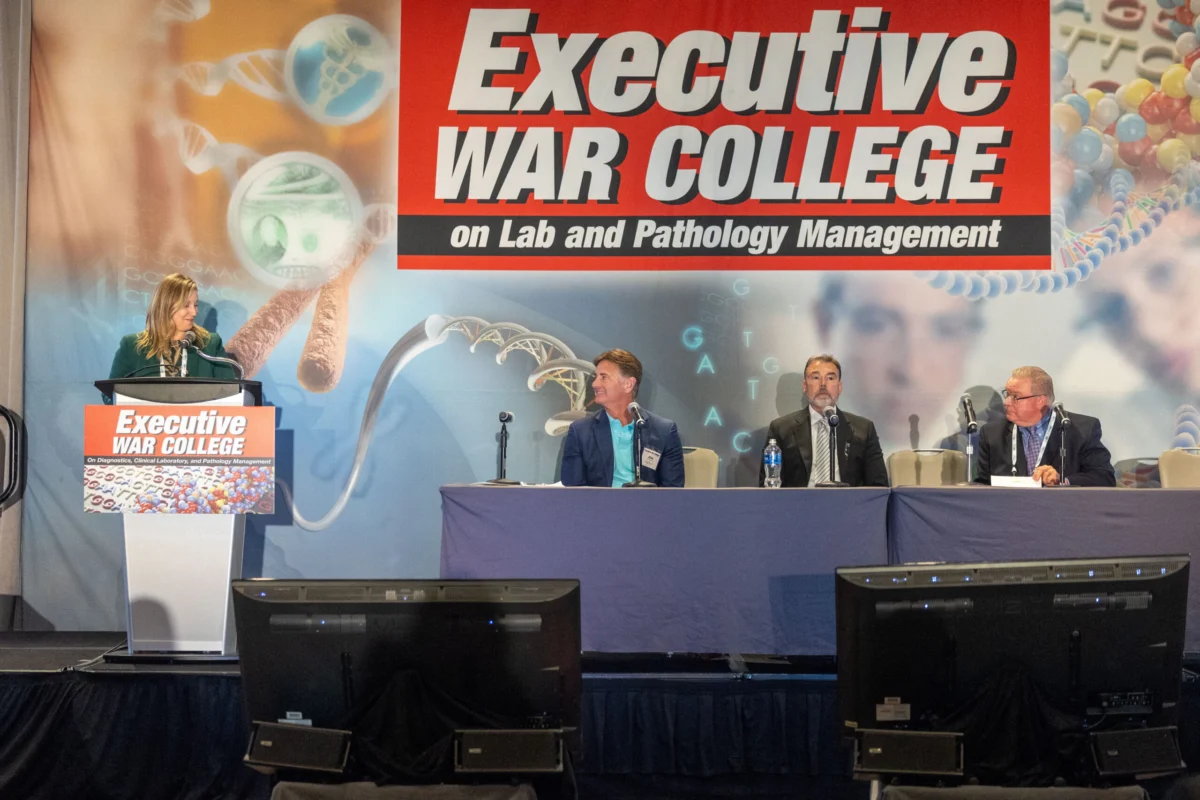
The 31st Annual Executive War College on Diagnostics, Clinical Laboratory, and Pathology Management, slated for April 28–29 in the vibrant city of New Orleans, is poised to be a pivotal gathering for clinical laboratory leaders. This landmark event, renowned for its focus on practical, execution-focused strategies, will delve into the most pressing challenges and transformative opportunities shaping the diagnostics industry in 2026 and beyond. From navigating complex reimbursement landscapes and addressing persistent staffing shortages to ensuring stringent compliance and strategically integrating emerging technologies like digital pathology and artificial intelligence, the college offers a comprehensive curriculum designed to equip attendees with actionable insights and robust operational playbooks.
For over three decades, the Executive War College has served as a critical nexus for the clinical laboratory and pathology sectors, providing a unique platform for executives to exchange knowledge, benchmark best practices, and anticipate future trends. Its enduring legacy is built on a commitment to delivering tangible solutions to real-world problems. This year’s program, meticulously crafted, reflects the dynamic shifts within healthcare, emphasizing financial performance, workforce development, regulatory adherence, and the accelerating pace of technological innovation that is fundamentally reshaping diagnostic workflows and patient care.
Addressing the Quintuple Threat: Reimbursement, Staffing, Compliance, and Technology
Clinical laboratories today operate within an increasingly complex ecosystem, contending with a confluence of pressures that demand astute leadership and strategic foresight. The "quadruple threat" of declining reimbursement, acute staffing shortages, escalating regulatory demands, and rapid technological advancement has evolved into a "quintuple threat" with the burgeoning impact of digital transformation. The Executive War College’s agenda directly confronts these challenges, providing a forum for leaders to collaborate on solutions.
Navigating the Financial Headwinds: Reimbursement Strategies
The financial viability of clinical laboratories remains a paramount concern. Decades of declining reimbursement rates, exacerbated by initiatives like the Protecting Access to Medicare Act (PAMA), have placed immense pressure on lab budgets. Industry data consistently shows that many independent and hospital-based laboratories are operating on increasingly thin margins, necessitating innovative approaches to revenue cycle management and cost optimization. The conference will feature sessions dedicated to optimizing billing practices, negotiating effectively with payers, demonstrating value-based care, and exploring new revenue streams. Experts will dissect the intricacies of current payment models and offer strategies for mitigating financial risks while ensuring continued access to essential diagnostic services. The emphasis will be on developing robust financial performance strategies that protect laboratory sustainability in a challenging economic environment.
The Lingering Crisis: Workforce Development and Retention
Perhaps no challenge looms larger over the clinical laboratory industry than the severe and persistent shortage of qualified personnel. A confluence of factors—an aging workforce, insufficient enrollment in medical laboratory science programs, and burnout—has created a critical deficit across all laboratory roles, from phlebotomists and medical technologists to pathologists. According to recent surveys by organizations like the American Society for Clinical Pathology (ASCP), vacancy rates for medical technologists often exceed 10-15%, with some specialized areas facing even higher shortages. This deficit directly impacts turnaround times, operational efficiency, and ultimately, patient care.
The Executive War College has historically dedicated significant attention to this issue, and 2026 is no exception. Building on insights from previous years, the program will present updated strategies for workforce development, recruitment, and retention. For instance, at the 2025 Executive War College, Jennifer Fralick, Vice President of Anatomic Pathology and Clinical Laboratories at Stanford Health Care, delivered a highly impactful presentation on innovative approaches to combating the lab labor shortage. Her insights, widely reported by The Dark Report, highlighted Stanford’s success in focusing on internal talent development through structured career ladders, comprehensive training programs, and smarter staffing models designed to offload routine tasks from licensed professionals. These strategies not only enhance efficiency and reduce burnout but also cultivate sustainable, long-term workforce pipelines, reducing over-reliance on external hiring. Fralick is returning to this year’s event to further elaborate on advanced operational strategies, specifically focusing on an AI playbook for laboratories, underscoring the role technology can play in augmenting human capital.
Sessions will explore topics such as leveraging automation to enhance productivity, implementing robust mentorship programs, fostering a positive work culture, and exploring alternative staffing models, including the potential for remote work in certain laboratory functions. The goal is to equip leaders with comprehensive toolkits to attract, train, and retain a skilled and engaged workforce.
Upholding Standards: Compliance in a Evolving Regulatory Landscape

The regulatory environment governing clinical laboratories is continuously evolving, demanding meticulous attention to compliance to avoid costly penalties and ensure patient safety. From CLIA (Clinical Laboratory Improvement Amendments) and HIPAA (Health Insurance Portability and Accountability Act) to state-specific regulations and new mandates related to data privacy and cybersecurity, the burden of compliance is substantial. The Executive War College will feature leading healthcare attorneys and compliance experts, including Elizabeth Sullivan of McDonald Hopkins, who will return for two critical sessions at the 2026 conference. Sullivan, a recognized authority in healthcare law, will guide attendees through the latest regulatory updates, best practices for risk mitigation, and strategies for fostering a culture of compliance within their organizations. The implications of non-compliance can range from significant financial penalties to loss of accreditation and irreparable damage to institutional reputation, making these sessions indispensable for laboratory executives.
The Digital Frontier: Inaugural Executive Forum on Digital Pathology and AI
A significant and highly anticipated addition to the 2026 program is the inaugural Executive Forum on Digital Pathology Management. This dedicated session marks a strategic pivot for the Executive War College, acknowledging the transformative impact of digital pathology and artificial intelligence on diagnostic medicine. Digital pathology, which involves acquiring, managing, and interpreting pathology information from digitized glass slides, is rapidly moving from niche application to mainstream adoption. Coupled with advancements in AI, these technologies promise to revolutionize how diagnoses are made, how pathologists work, and how laboratories operate.
The forum is designed as an interactive and collaborative experience, delving deep into the practicalities of implementing digital workflows, integrating AI into diagnostic pipelines, and managing the vast amounts of data generated. Attendees will gain actionable insights into:
- Workflow Optimization: Strategies for transitioning from analog to digital workflows, including scanner selection, image management systems, and LIS integration.
- AI Applications: Exploring AI algorithms for image analysis, disease detection, quantitative measurements, and predictive analytics, highlighting real-world success stories and challenges.
- Data Integration and Interoperability: Addressing the complexities of connecting digital pathology platforms with electronic health records (EHRs), laboratory information systems (LIS), and other hospital IT infrastructure.
- Regulatory and Reimbursement Considerations: Navigating FDA approvals for AI algorithms and digital pathology systems, and understanding the evolving reimbursement landscape for these advanced technologies.
- Pathologist Training and Adoption: Strategies for educating and engaging pathologists in the digital transformation journey.
The integration of AI, in particular, holds immense promise for enhancing diagnostic accuracy, reducing turnaround times, and alleviating some of the workforce pressures. AI-powered tools can assist pathologists in identifying subtle features, automating repetitive tasks, and prioritizing cases, allowing human experts to focus on the most complex interpretations. However, successful implementation requires careful planning, significant investment, and a clear understanding of the technology’s capabilities and limitations. The Executive Forum will provide a crucial platform for leaders to demystify these technologies and formulate robust adoption strategies.
Operational Excellence: Learning from Past Insights and Future Solutions
Beyond the headline themes, operational efficiency remains a cornerstone of laboratory success. The Executive War College consistently highlights the importance of optimizing every phase of the laboratory process. Last year, The Dark Report underscored the insights of Shashirekha Shetty, PhD, Professor in the Department of Pathology at Case Western Reserve University, who presented on the critical importance of addressing pre-analytical errors. Dr. Shetty emphasized that up to 70% of laboratory errors originate in the pre-analytical phase—before a sample even reaches the analytical instruments. These errors, often stemming from incorrect test orders, improper sample collection or handling, and poor communication between clinicians and the lab, represent a major risk to patient care, increase healthcare costs, and undermine laboratory efficiency.
Dr. Shetty’s presentation stressed that laboratories must take full ownership of this critical phase. This involves implementing rigorous standardized workflows, strengthening training programs for phlebotomists and other collection personnel, enhancing collaboration and communication channels with clinicians, and embedding pre-analytic quality measures into the overall quality management system. The 2026 conference will build upon these foundational principles, offering updated solutions, best practices, and technological advancements aimed at minimizing pre-analytical errors and improving overall laboratory quality. Attendees can expect sessions on advanced sample tracking, automated order entry systems, and data analytics to identify and address common error sources.
The Enduring Value of the Executive War College
With nearly 80 sessions and around 150 distinguished speakers, the 31st Annual Executive War College is meticulously designed to provide a rich and immersive learning experience. The program is not merely theoretical; it is deeply rooted in practical application, offering real-world case studies, interactive discussions, and actionable playbooks. Laboratory executives, directors, and managers will depart with clear, strategic roadmaps to navigate the intricate challenges of financial pressures, regulatory scrutiny, and rapid technological change.
The conference fosters an environment of peer-to-peer learning and networking, allowing attendees to connect with industry leaders, solution providers, and colleagues facing similar challenges. This collaborative spirit is a hallmark of the Executive War College, facilitating the exchange of innovative ideas and the formation of valuable professional relationships.
As the clinical laboratory industry stands at a pivotal juncture, marked by both unprecedented challenges and transformative opportunities, the Executive War College continues to serve as an indispensable resource. It empowers leaders to not only adapt to change but to actively shape the future of diagnostics, ensuring the continued delivery of high-quality, efficient, and innovative patient care. The upcoming event in New Orleans is set to reinforce its legacy as the premier gathering for strategic laboratory management.