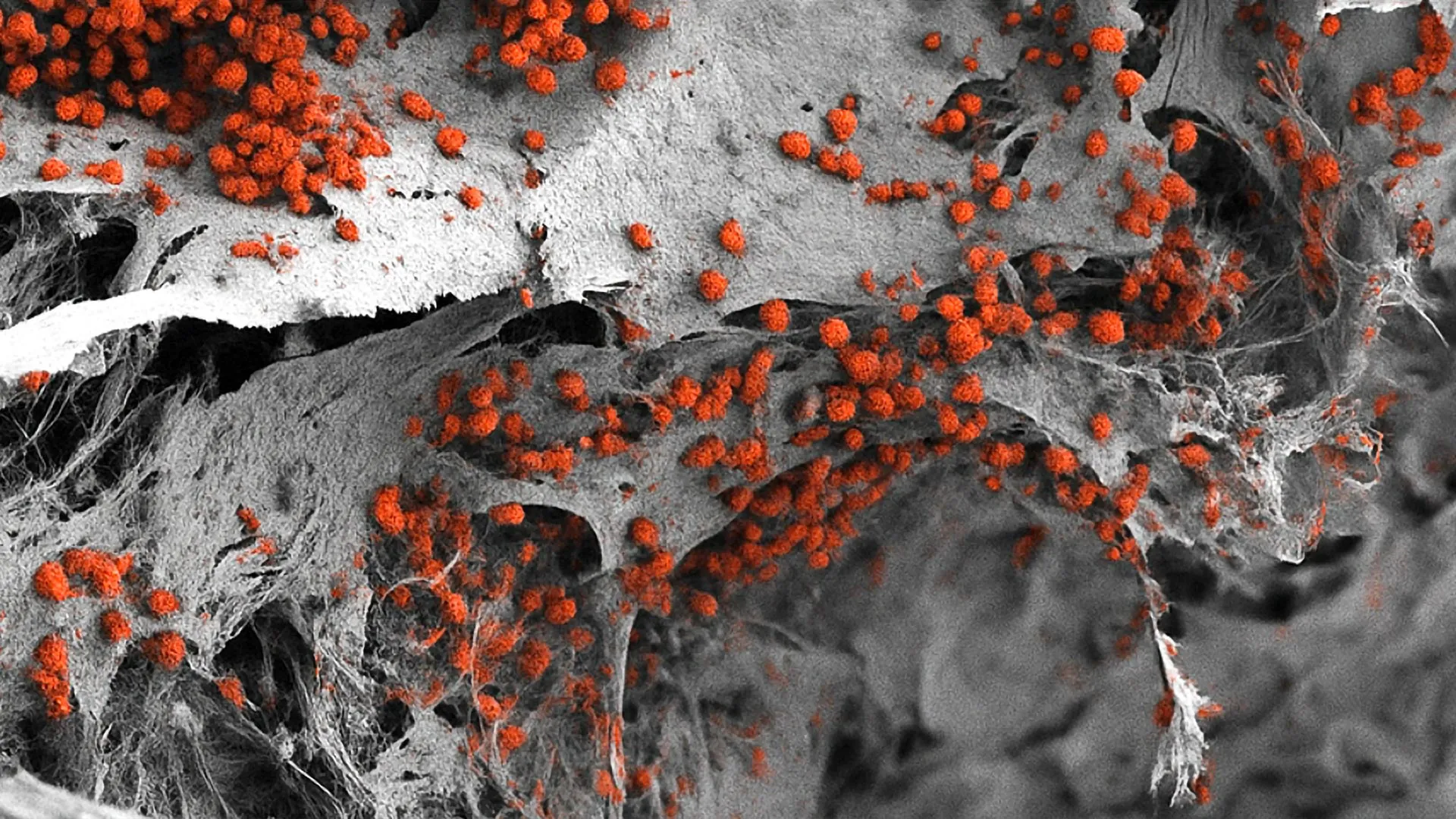
In a landmark development for hematology and regenerative medicine, scientists at the Indiana University School of Medicine have successfully implemented a high-resolution imaging protocol that allows for the unprecedented visualization of mouse bone marrow. This breakthrough, facilitated by the application of multiplex imaging technology, overcomes decades-old physical barriers that have hindered the study of the primary site of blood cell production. By enabling the simultaneous detection of a record-breaking number of cellular markers within intact tissue, the research team has provided a new lens through which the scientific community can observe the complex interactions within the bone marrow microenvironment. This advancement is poised to accelerate the development of targeted therapies for a wide array of conditions, ranging from leukemia and other hematologic malignancies to autoimmune disorders and musculoskeletal diseases.
Overcoming the Physical Barriers of the Hematopoietic Niche
For decades, the bone marrow has remained one of the most challenging tissues to image in its native state. Described by researchers as a "black box" due to its unique anatomical composition, the bone marrow is a soft, gelatinous tissue encased within a rigid, mineralized bone matrix. This juxtaposition of textures creates significant hurdles for traditional histological techniques. Standard methods often require the decalcification of the bone—a process that can degrade sensitive cellular markers—or the complete extraction of the marrow, which destroys the spatial architecture that defines how different cell types interact.
Dr. Sonali Karnik, an assistant research professor of orthopedic surgery at the IU School of Medicine and co-lead author of the study, emphasized the dual nature of this difficulty. "Bone marrow is difficult to study because it is gelatinous and encased in hard bone," Dr. Karnik explained. She further noted that because the marrow serves as the foundational site for blood and immune cell formation, as well as the home for vital hematopoietic stem cells, understanding its spatial organization is critical for numerous research applications.
Until now, the scientific community has largely relied on two primary tools for tissue analysis: flow cytometry and standard fluorescence imaging. While effective in their own right, both have significant limitations when applied to the study of complex biological systems. Flow cytometry requires the tissue to be "dissociated," essentially putting the bone marrow into a cellular blender to count and quantify individual populations. While this provides accurate data on cell frequency, it entirely eliminates the "spatial context"—the knowledge of where a cell was located and which other cells it was touching. Conversely, standard fluorescent imaging preserves the structure but is generally limited to detecting only three or four cellular markers at a time, providing a very narrow view of the tissue’s overall complexity.
The Technical Breakthrough: Phenocycler 2.0 and Spatial Proteomics
The research team at Indiana University, working through the IU Cooperative Center of Excellence in Hematology (CCEH), turned to a sophisticated multiplex imaging tool known as Phenocycler 2.0 (formerly referred to as CODEX). This technology represents the cutting edge of "spatial proteomics," a field dedicated to mapping the location of proteins within the three-dimensional structure of a tissue.
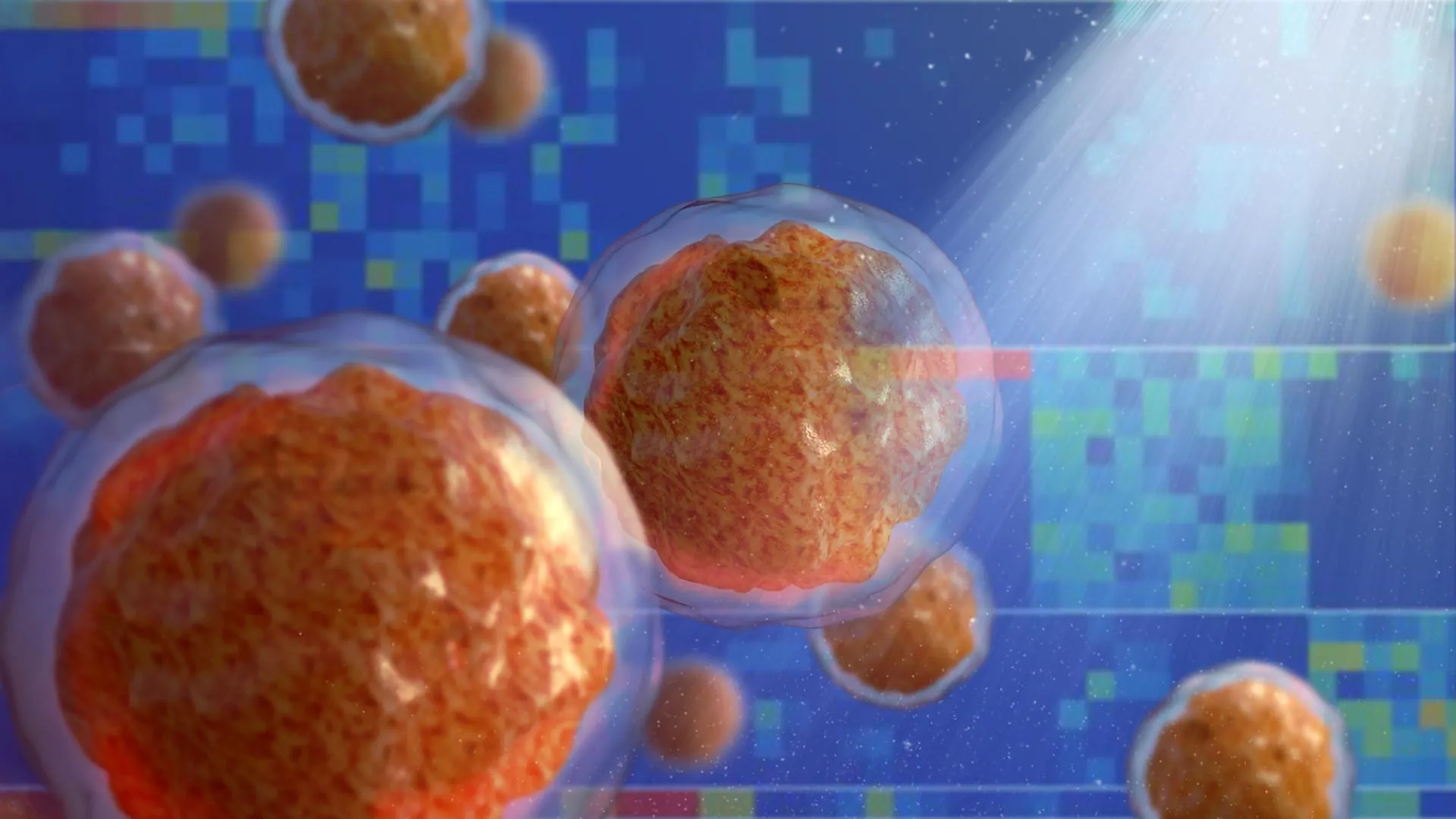
By adapting the Phenocycler 2.0 for use on mouse bone marrow—a first for the scientific community—the IU researchers were able to visualize 25 different cellular markers simultaneously. This was achieved without disrupting the intact tissue, allowing the researchers to observe the bone marrow in its natural, undisturbed state. The findings, which were recently published in the prestigious journal Leukemia, demonstrate a leap in resolution and data density that was previously thought to be impossible for this specific tissue type.
The methodology involves using DNA-barcoded antibodies that bind to specific proteins on the surface or within the cells. These barcodes are then read sequentially by the imaging system, allowing for the high-plex detection of dozens of markers. This creates a comprehensive, color-coded map of the marrow, identifying everything from immature stem cells to mature immune cells, and showing exactly how they are positioned relative to the blood vessels and the surrounding bone.
Chronology of Development and Institutional Collaboration
The development of this imaging protocol was a multi-year effort that required the integration of expertise from several departments within the IU School of Medicine. The project was spearheaded by the IU Cooperative Center of Excellence in Hematology, one of a select few NIH-funded centers in the United States dedicated to advancing blood-related research.
The timeline of the project began with the acquisition of the Phenocycler technology, which had previously been utilized with success in "softer" organs such as the spleen, kidney, and liver. However, the application to bone marrow required a significant period of optimization. The team had to refine the processes of bone fixation, sectioning, and antibody staining to ensure that the delicate marrow stayed attached to the slide while the hard bone remained intact.
Following the successful optimization of the physical preparation, the team spent months validating a 25-marker panel. This panel was specifically designed to identify the various stages of hematopoiesis (blood cell formation) and the different lineages of the immune system. The successful culmination of this work not only resulted in the Leukemia publication but also led the IU Innovation and Commercialization Office to file a provisional patent for the specific methodology, signaling its potential for widespread commercial and clinical use.
Supporting Data: A Comparison of Imaging Capabilities
The significance of the 25-marker panel cannot be overstated when compared to traditional benchmarks. In standard laboratory settings, a "high-end" fluorescent microscope might manage five colors, which would allow a researcher to see, for example, a stem cell, a T-cell, and a blood vessel. With the IU team’s 25-marker approach, the granularity of the data increases exponentially.
Data generated during the study showed that the researchers could simultaneously identify:
- Hematopoietic Stem Cells (HSCs): The "mother cells" of all blood.
- Progenitor Cells: Intermediate cells that are committed to becoming specific types of blood.
- Immune Cell Subsets: Including B-cells, T-cells, macrophages, and neutrophils at various stages of maturity.
- Structural Components: Markers for the vasculature (blood vessels) and the endosteal niche (the area near the bone surface).
This high-dimensional data allows for "neighborhood analysis," a computational approach where researchers can determine if certain cells are more likely to cluster together during disease states. For instance, in a leukemia model, this technique could show exactly how cancer cells "crowd out" healthy stem cells from their protective niches, providing physical evidence of disease progression that flow cytometry would miss.
Implications for Disease Research and Drug Development
The ability to use mouse models with this level of precision is a major boon for the pharmaceutical industry and clinical researchers. Mouse models are the gold standard for early-stage human disease research because their biological systems closely mimic human physiology.
Dr. Reuben Kapur, a co-senior author of the study and director of the IU School of Medicine’s Herman B Wells Center for Pediatric Research, highlighted the broad utility of the technique. "Because mouse models are widely used to study human diseases, this technique offers a promising new method for investigating a range of conditions like autoimmune diseases, leukemia and other disorders involving bone marrow," Kapur stated.
In the context of leukemia, the imaging technique could be used to monitor how a new drug reaches the bone marrow and whether it effectively clears cancer cells from specific "sanctuary sites" where they might be hiding from traditional chemotherapy. In autoimmune research, it could reveal how rogue immune cells are produced and organized within the marrow before they enter the bloodstream to attack the body’s own tissues.
Furthermore, the research has profound implications for musculoskeletal disorders. Since bone and marrow are inextricably linked, the technique provides a way to study how bone loss (osteoporosis) or bone healing affects the production of blood cells, a relationship that is increasingly recognized as vital in geriatric medicine.
Future Directions: Expanding the Marker Panel
The current 25-marker panel is only the beginning for the IU research team. According to the study, the team is already working to expand the panel to include even more features. The next phase of the research aims to incorporate markers for:
- Nerves: To study the role of the nervous system in regulating blood production.
- Muscle fibers: To understand the interaction between the musculoskeletal system and the marrow.
- Signaling Molecules: To see the "messages" being sent between cells in real-time.
By adding these layers, the researchers hope to create a "digital twin" of the bone marrow environment, allowing for complex simulations of disease and treatment.
Conclusion and Collaborative Efforts
The success of this project was a result of a massive collaborative effort. In addition to Dr. Karnik and Dr. Kapur, the study included contributions from a diverse group of researchers including Connor Gulbronson, Paige C. Jordan, Rahul Kanumuri, Baskar Ramdas, Ramesh Kumar, Melissa L. Hartman, Izza Khurram, Drew M. Brown, Karen E. Pollok, Pratibha Singh, and Melissa A. Kacena.
The research was supported by the National Institutes of Health (NIH), reflecting the federal government’s interest in advancing spatial biology to improve human health outcomes. As the IU School of Medicine moves forward with its provisional patent and further refinements of the Phenocycler 2.0 protocol, the global scientific community gains a powerful new tool. The "black box" of the bone marrow has been opened, promising a future where the most complex blood and bone diseases are no longer hidden behind a wall of mineralized tissue, but are instead visible in high-definition detail, leading the way toward more effective and personalized medical interventions.