The biopharmaceutical and biotechnology sectors have recently experienced an extraordinary period of accelerated activity, marked by a rapid succession of product launches, high-profile partnership announcements, substantial grant awards, and groundbreaking scientific publications. This surge underscores a vibrant ecosystem where innovation is not only tolerated but actively sought and heavily funded, pushing the boundaries of what is medically possible. Among the myriad developments, several key initiatives stand out, exemplifying the diverse frontiers of this scientific expansion: an advanced AI platform revolutionizing biological discovery, a strategic alliance aimed at bolstering nascent biotech enterprises in South Korea, a significant US$2.2 million grant from the Gates Foundation dedicated to pioneering long-term implantable therapeutic systems, and the emergence of a novel genome-engineering strategy spearheaded by Full Circles Therapeutics. These developments collectively paint a picture of an industry poised for transformative change, addressing global health challenges with unprecedented tools and collaborative spirit.
The Resurgence in Biotech & Pharma Innovation: A Broader Context
The recent "inundation" of activity in biotech and pharma is not an isolated phenomenon but rather the culmination of several converging trends. Following the accelerated scientific advancements spurred by the COVID-19 pandemic, there has been a sustained global emphasis on health security, preparedness, and novel therapeutic development. This has translated into robust investment, both from venture capital and public funding bodies, recognizing the critical role of life sciences in societal well-being and economic growth. According to recent reports from industry analytics firms like McKinsey and PwC, global venture capital funding for biotech startups reached an estimated $70 billion in 2023, reflecting continued investor confidence despite broader economic headwinds. Furthermore, advancements in foundational technologies such as CRISPR gene editing, synthetic biology, advanced imaging, and, critically, artificial intelligence, have dramatically lowered the barriers to complex biological research and drug development, allowing for faster iterations and more precise interventions. Regulatory pathways, particularly in areas of unmet medical need and rare diseases, have also shown increased flexibility, further incentivizing innovation. This environment fosters a fertile ground for breakthroughs, moving discoveries from lab bench to patient bedside with unprecedented speed.
AI’s Ascendance in Biological Discovery: Accelerating the Pipeline
At the forefront of this innovation wave is the burgeoning application of artificial intelligence and machine learning in biological research. One prominent example is the recent spotlight on "SyntheAI Bio," a pioneering platform developed by DeepCell Dynamics (Cambridge, MA, USA). DeepCell Dynamics’ AI platform has garnered significant attention for its remarkable ability to optimize biological discovery, specifically in the identification of novel drug targets and the de novo design of therapeutic molecules. Utilizing a proprietary blend of generative AI, deep learning algorithms, and high-throughput data analysis, SyntheAI Bio can sift through vast genomic, proteomic, and phenotypic datasets far more efficiently than traditional methods. The platform has demonstrated a capacity to reduce the initial lead identification phase of drug discovery by an estimated 40-50%, translating years of work into months. For instance, in a recent preclinical study, SyntheAI Bio successfully identified five novel protein-protein interaction inhibitors for a challenging oncology target, two of which showed promising in vitro efficacy, all within a six-month timeframe. This efficiency not only accelerates the discovery pipeline but also significantly reduces the associated costs and risks.
Dr. Anya Sharma, CEO of DeepCell Dynamics, commented on the platform’s impact: "SyntheAI Bio is not just an incremental improvement; it represents a paradigm shift in how we approach biological discovery. By leveraging advanced AI, we can explore chemical and biological spaces that were previously inaccessible or too vast for human teams alone. Our platform is designed to augment human creativity, allowing scientists to focus on experimental validation and clinical translation, rather than the laborious initial screening process. We believe this will unlock a new era of precision medicines and significantly improve patient outcomes across a spectrum of diseases." The implications are profound, suggesting a future where drug discovery is more predictable, faster, and ultimately, more successful.
Fostering Early-Stage Biotech in South Korea: A Strategic Partnership
Another significant development is the formation of a robust partnership aimed at supporting early-stage biotech companies in South Korea. This initiative, formally announced in late Q3, brings together the Korea Biopharmaceutical Association (KBPA) and "Global BioVentures (GBV)," a leading international venture capital firm specializing in life sciences. The partnership, officially dubbed the "Korea Bio-Accelerator Program," commits an initial fund of US$50 million over the next three years, along with extensive mentorship and infrastructural support. The program’s core objective is to identify, nurture, and accelerate the growth of promising Korean biotech startups, providing them with critical early-stage capital, strategic guidance, access to global networks, and assistance with navigating complex regulatory landscapes both domestically and internationally.
South Korea has rapidly emerged as a global hub for biotechnology, fueled by significant government investment in R&D, a highly skilled scientific workforce, and a strong industrial base anchored by conglomerates like Samsung Biologics and Celltrion. The country’s commitment to becoming a global leader in biosimilars and novel drug development has created a fertile environment for innovation. However, early-stage companies often face challenges in securing adequate funding and gaining international exposure. Mr. Lee Dong-hyun, Chairman of the KBPA, stated, "This partnership with Global BioVentures is a strategic milestone for the Korean biotech ecosystem. It addresses a critical gap, providing our innovative startups with the resources and global expertise they need to scale effectively and compete on the international stage. We envision this program fostering the next generation of Korean biotech unicorns." Concurrently, Ms. Eleanor Vance, Managing Partner at GBV, added, "Our collaboration with KBPA is a testament to the immense potential we see in South Korea’s burgeoning biotech sector. We believe that by providing targeted support and leveraging our global network, we can help these promising companies translate their scientific breakthroughs into impactful therapies for patients worldwide." This alliance is expected to significantly enhance Korea’s position in the global biotech market, fostering job creation, intellectual property development, and ultimately, delivering novel medical solutions.
Gates Foundation’s Vision: Long-Term Implantable Therapies for Global Health
A transformative US$2.2 million grant has been awarded by the Bill & Melinda Gates Foundation to "TheraCell Innovations," a spin-off company from the Stanford University School of Medicine, to develop groundbreaking implantable cell factory platforms. This initiative represents a significant leap forward in long-term drug delivery, aiming to provide therapeutic antibodies over extended periods of two years or longer. The grant targets the development of encapsulated, genetically engineered human cells designed to continuously produce and secrete specific therapeutic antibodies in vivo. These "cell factories" are housed within biocompatible, immunoprotective membranes, allowing them to function autonomously within the body without triggering an immune response or requiring frequent refills.
The primary focus of this research, aligned with the Gates Foundation’s mission, is to address chronic infectious diseases and other conditions prevalent in low- and middle-income countries, where adherence to daily oral medication regimens can be challenging and access to frequent injections limited. For example, sustained antibody delivery could revolutionize HIV prevention (e.g., via passive immunization), malaria prophylaxis, or even long-term management of certain autoimmune disorders or non-communicable diseases. The ability to deliver therapeutic antibodies for two years or more would significantly improve patient compliance, reduce the burden on healthcare systems, and ensure consistent therapeutic levels, leading to better clinical outcomes.
Dr. Lena Hansen, CEO of TheraCell Innovations, expressed her gratitude and vision: "This incredibly generous grant from the Gates Foundation is a game-changer for our platform. It enables us to accelerate the development of our implantable cell factory technology, which holds the promise of transforming how we deliver essential medicines. Imagine a single implant providing sustained protection against HIV for years, or managing a chronic condition without daily pills. This technology could dramatically improve quality of life and health equity for millions globally." Dr. Mark Collins, Head of Innovative Technologies at the Gates Foundation, echoed this sentiment: "Addressing health disparities often requires novel approaches to drug delivery. TheraCell Innovations’ cell factory platform aligns perfectly with our strategic goals of developing durable, accessible, and scalable solutions that can have a profound impact in resource-limited settings. We are excited by the potential of this technology to overcome significant adherence and logistical challenges in global health." The ethical considerations surrounding such long-term implants, including retrievability and potential for adverse effects, are being rigorously addressed during the development phase, ensuring patient safety remains paramount. This grant is a testament to the Foundation’s ongoing commitment to investing in high-risk, high-reward innovations that could fundamentally reshape global health interventions.
Full Circles Therapeutics and the C4DNA™ Revolution: A New Genome-Engineering Strategy
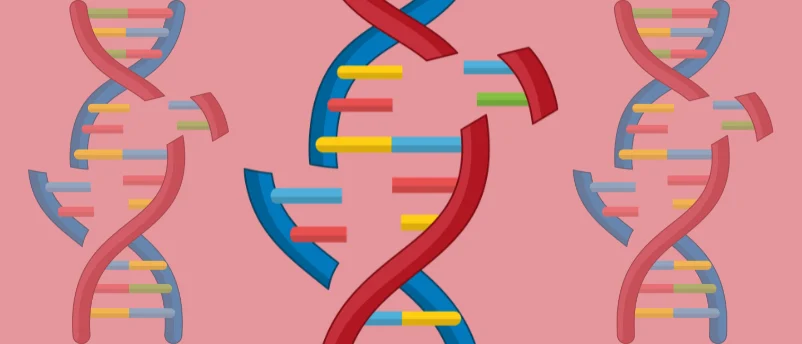
In the realm of genome engineering, Full Circles Therapeutics (Cambridge, MA, USA) has recently announced that its proprietary circular single-stranded DNA (cssDNA), branded as C4DNA™, has been recognized as a key enabling component for a novel and highly efficient genome-engineering strategy. This technology represents a significant advancement over traditional gene delivery methods, particularly viral vectors, which often face challenges related to immunogenicity, manufacturing complexity, and integration risks. C4DNA™ molecules are uniquely designed, combining the stability and high payload capacity of circular DNA with the non-integrating, transient expression profile of single-stranded DNA. This innovative structure allows for highly efficient and precise delivery of genetic payloads without the risk of random genomic integration, making it ideal for applications requiring temporary gene expression or precise, targeted edits.
The "new genome-engineering strategy" enabled by C4DNA™ centers on its exceptional ability to deliver genetic information (e.g., guide RNAs and donor templates for CRISPR-Cas systems, or therapeutic genes) into a wide variety of cell types, both ex vivo and in vivo, with superior efficiency and reduced toxicity. Unlike traditional plasmid DNA, C4DNA™ is resistant to exonuclease degradation, leading to extended persistence within the cell and prolonged gene expression, yet it avoids the permanent genomic integration associated with viral vectors, which can raise safety concerns. This makes C4DNA™ particularly attractive for therapeutic applications such as in vivo gene editing for genetic disorders, development of advanced cell therapies (e.g., CAR-T cells), and the creation of highly potent mRNA vaccines, where a robust and transient expression is desired.
Dr. Julian Vance, Chief Scientific Officer at Full Circles Therapeutics, elaborated on the technology’s potential: "C4DNA™ is more than just a delivery vehicle; it’s a foundational technology that unlocks new possibilities in genome engineering. Its unique circular, single-stranded nature allows for superior stability, reduced immunogenicity compared to viral vectors, and highly efficient cellular uptake, all while ensuring a non-integrating profile. This means we can achieve precise gene edits or deliver therapeutic genes with unprecedented safety and efficacy, opening doors for therapies that were previously considered too challenging or risky. We are particularly excited about its potential in developing next-generation in vivo gene therapies for a wide range of debilitating diseases." The platform has already shown promising results in preclinical models, demonstrating high transfection efficiency in hard-to-transfect primary cells and sustained expression of therapeutic proteins for several weeks, without detectable off-target effects or immune responses. The ability of C4DNA™ to circumvent many of the limitations of existing gene delivery systems positions Full Circles Therapeutics at the vanguard of the next generation of genetic medicines, promising safer and more effective treatments.
A New Era of Biopharmaceutical Innovation: Challenges and Opportunities
The collective thrust of these innovations signals a new and dynamic era in biopharmaceutical development. The convergence of advanced computational power, sophisticated biological engineering, strategic global partnerships, and targeted philanthropic investment is creating an ecosystem where scientific breakthroughs are rapidly translated into tangible health solutions. While the prospects are incredibly promising, challenges remain. These include navigating complex regulatory landscapes for novel therapies, ensuring equitable access to advanced treatments, addressing the high costs associated with developing and manufacturing these cutting-edge interventions, and continuously monitoring the ethical implications of powerful technologies like AI and genome editing. However, the current momentum, driven by a global commitment to health and scientific progress, suggests that the biotech and pharma industries are well-equipped to tackle these challenges. The ongoing commitment to innovation, collaboration, and patient-centric research promises to redefine medicine and improve human health on an unprecedented scale in the years to come.