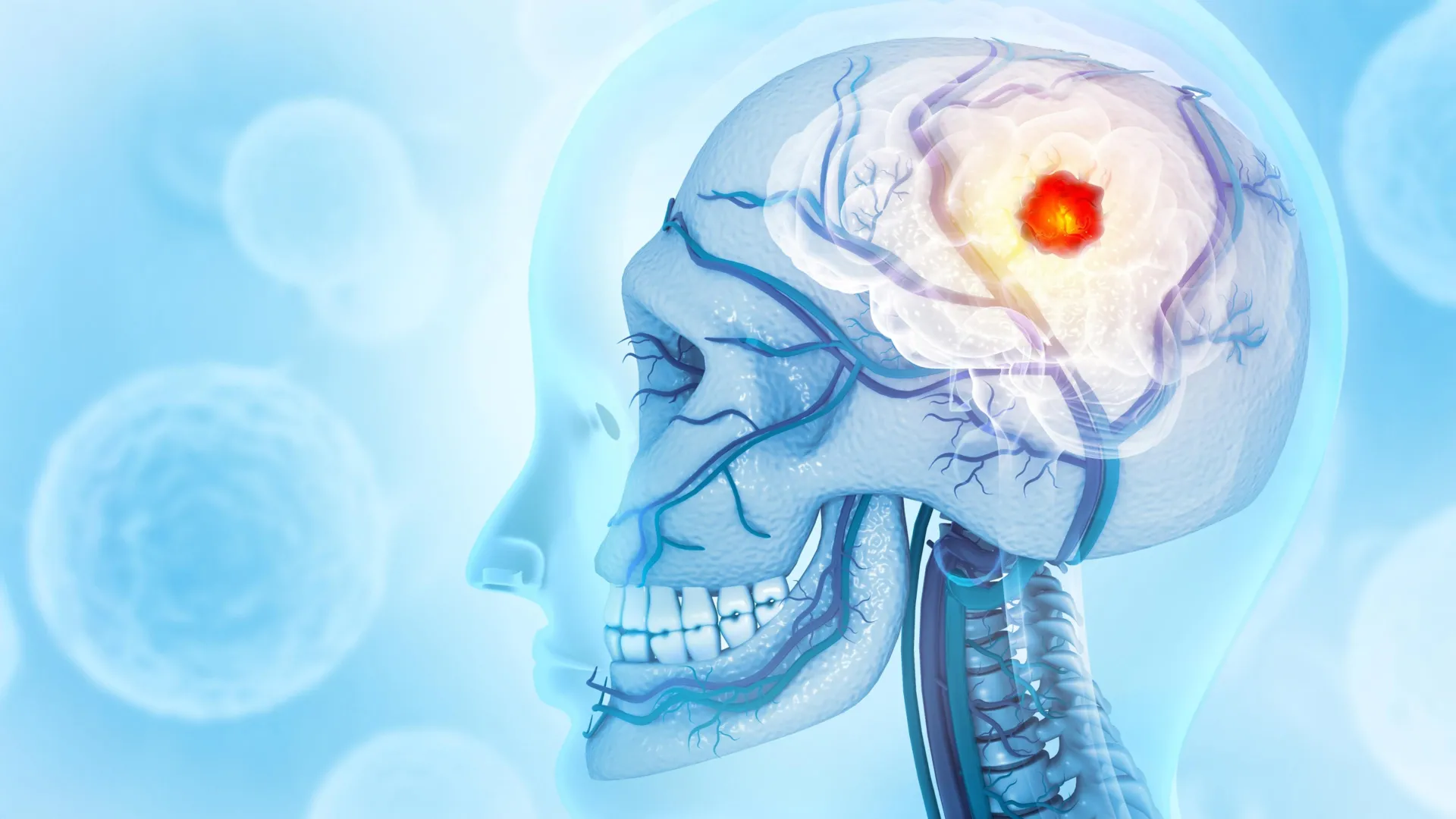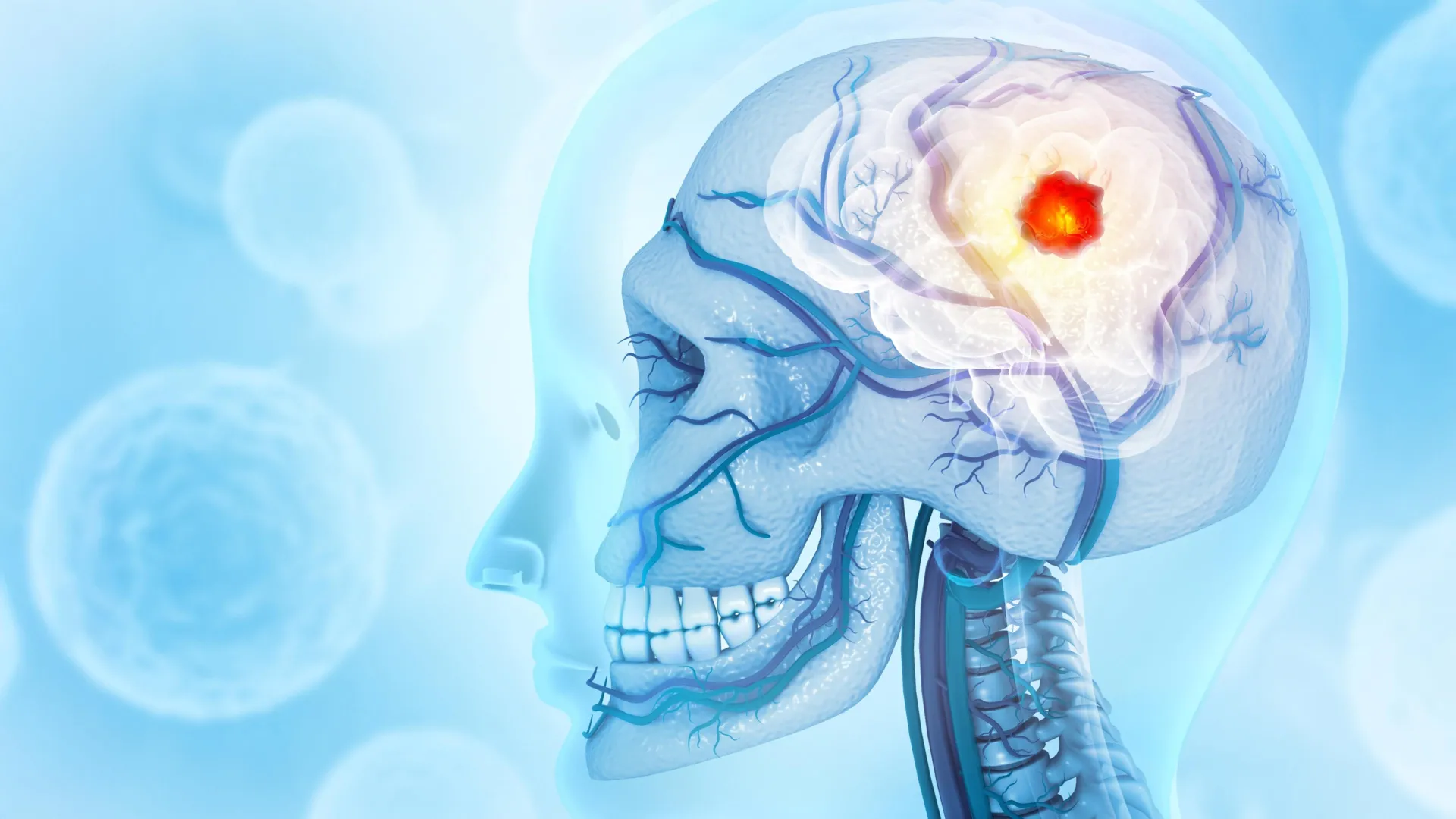
The findings from a landmark study conducted by researchers at the Montefiore Einstein Comprehensive Cancer Center (MECCC) and the Albert Einstein College of Medicine have fundamentally shifted the scientific understanding of glioblastoma, the most aggressive and lethal form of primary brain cancer. For decades, glioblastoma multiforme (GBM) has been treated primarily as a localized neurological threat, confined within the blood-brain barrier. However, the new research, published on October 3 in the prestigious journal Nature Neuroscience, reveals that the tumor’s influence extends far beyond the soft tissue of the brain. The study demonstrates that glioblastoma actively erodes the skull, reconfigures the immune environment within the bone marrow of the cranium, and effectively hijacks the body’s systemic defenses to fuel its own progression.
This discovery provides a potential explanation for why glioblastoma has remained so stubbornly resistant to conventional therapies. By identifying a direct communication pathway between the tumor and the skull’s marrow, the research team has opened a new frontier in neuro-oncology. The implications are significant: not only does the cancer physically alter the bone, but it also creates a feedback loop of inflammation that renders current immunotherapies ineffective. Furthermore, the study sounds a cautionary note regarding common medications for bone loss, which may inadvertently accelerate the disease’s lethality.
A Paradigm Shift in Neuro-Oncology
Glioblastoma is characterized by its rapid growth and invasive nature. According to data from the National Cancer Institute (NCI), approximately 15,000 individuals in the United States are diagnosed with this malignancy annually. Despite advancements in surgical techniques and precision medicine, the prognosis for glioblastoma remains grim. The standard of care—a combination of maximal surgical resection, temozolomide-based chemotherapy, and ionizing radiation—offers a median survival time of only 15 months. The five-year survival rate remains below 10%, a statistic that has seen little improvement in nearly twenty years.
"Our discovery that this notoriously hard-to-treat brain cancer interacts with the body’s immune system may help explain why current therapies—all of them dealing with glioblastoma as a local disease—have failed," stated Jinan Behnan, Ph.D., the paper’s corresponding author and assistant professor at Einstein. Dr. Behnan, who also serves in the Leo M. Davidoff Department of Neurological Surgery and the department of microbiology & immunology, emphasized that the research points toward the necessity of a systemic approach to treatment rather than focusing solely on the intracranial mass.
The Discovery of the Skull-Brain Interface
The research was prompted by a growing body of evidence in the field of "neuro-immunology" regarding the anatomical relationship between the brain and the skull. Traditionally, the skull was viewed as a static, protective shield. However, recent anatomical studies have identified microscopic, vascularized channels that penetrate the skull, connecting the dura mater (the brain’s outermost membrane) directly to the calvarial (skull) bone marrow. These channels facilitate a two-way exchange of immune cells and molecular signals.
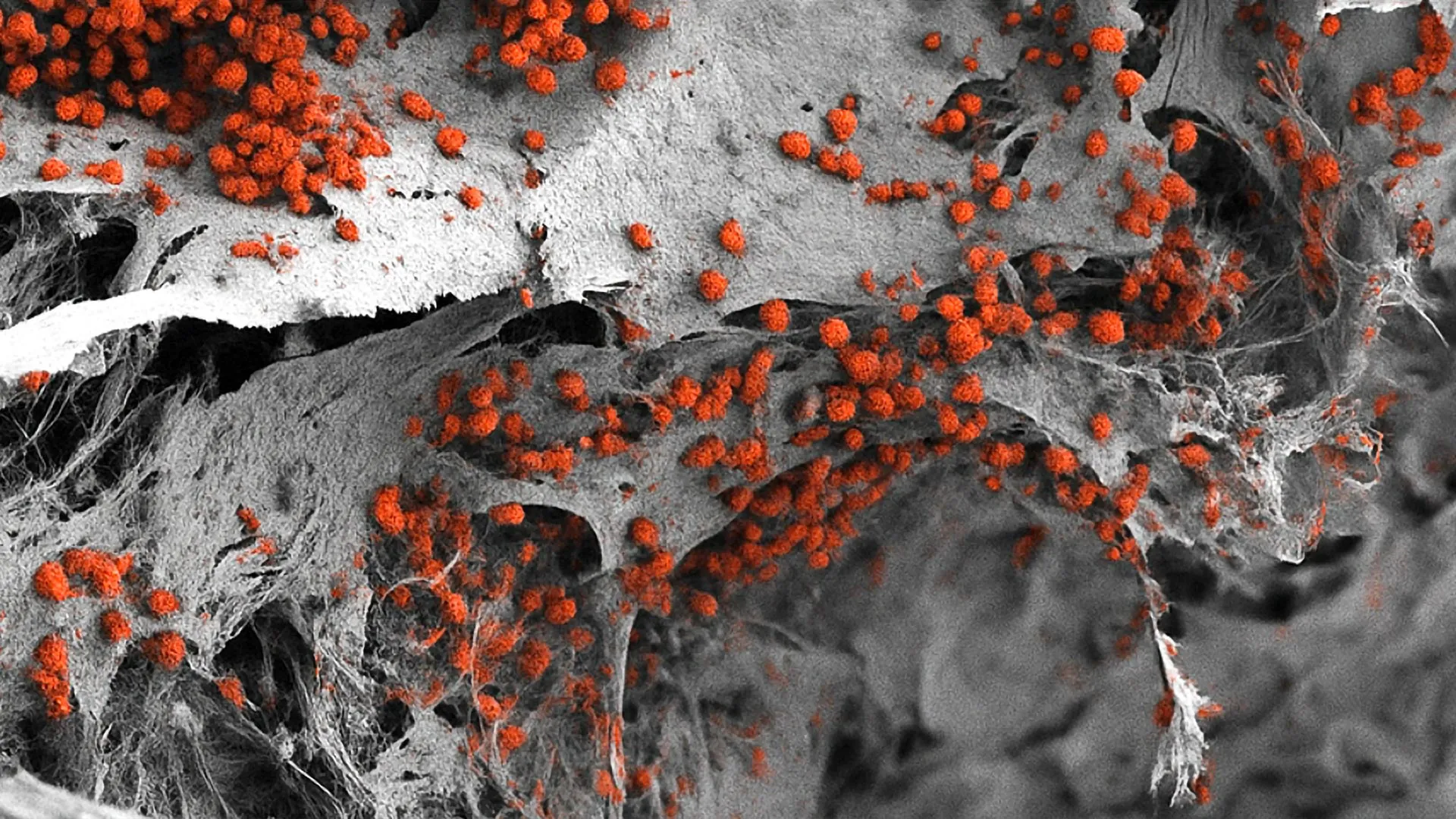
Dr. Behnan’s team utilized advanced high-resolution imaging to investigate how glioblastoma might exploit these channels. Using murine models (mice) programmed to develop two distinct types of glioblastoma, the researchers observed a startling physical transformation. The presence of the tumor triggered significant erosion of the skull bone. This degradation was most pronounced along the cranial sutures—the fibrous joints where the different bones of the skull fuse together.
Importantly, the researchers established that this bone loss was a specific signature of aggressive brain tumors. When comparing the glioblastoma models to mice that had suffered strokes, traumatic brain injuries, or cancers originating in other parts of the body, the researchers found no such skull erosion. This suggests that glioblastoma secretes specific signaling molecules that target the bone-remodeling process. To confirm these findings in humans, the team analyzed CT scans of patients diagnosed with glioblastoma. The clinical data mirrored the laboratory results, showing a marked reduction in skull thickness in regions adjacent to the tumor sites.
Hijacking the Skull’s Immune Factory
The erosion of the skull does more than just weaken the bone; it physically expands the channels between the brain and the marrow. The study posits that as these "tunnels" grow in diameter and number, they serve as a highway for molecular crosstalk. The tumor sends signals into the skull marrow, effectively "reprogramming" the production of immune cells.
Through the use of single-cell RNA sequencing—a technology that allows scientists to examine the genetic expression of individual cells—the team mapped the immune landscape of the skull marrow. They discovered a profound "tilt toward inflammation." In the presence of glioblastoma, the marrow’s production of pro-inflammatory myeloid cells, particularly neutrophils, nearly doubled. Simultaneously, the marrow saw a near-total depletion of B cells, which are responsible for producing antibodies and regulating the immune response.
This shift creates a "pro-tumor" environment. The inflammatory cells produced in the skull marrow travel through the enlarged channels directly into the brain, where they protect the tumor from the body’s natural defenses and facilitate its spread. "The skull-to-brain channels allow an influx of these numerous pro-inflammatory cells from the skull marrow to the tumor, rendering the glioblastoma increasingly aggressive and, all too often, untreatable," explained study co-author E. Richard Stanley, Ph.D., a professor of developmental and molecular biology at Einstein.
Systemic Disruption: Skull vs. Femur
One of the most striking findings of the study was the divergent reaction of different bone marrow reservoirs within the same organism. While the marrow in the skull became a factory for pro-inflammatory cells, the marrow in the femur (thigh bone) reacted in the opposite manner. In the femur, glioblastoma appeared to suppress the genes necessary for producing various immune cells.
This localized versus systemic response highlights the complexity of glioblastoma. The tumor appears to exert a "local-systemic" influence, specifically recruiting the nearest available marrow resources in the skull to aid its growth while potentially dampening the broader systemic immune response in distant bones. This dual-action strategy allows the cancer to fortify its position within the cranium while avoiding detection or attack from the wider immune system.
The Risk of Conventional Bone Treatments
Given the observed bone erosion, the researchers investigated whether anti-osteoporosis medications—which are designed to prevent bone loss—could mitigate the damage or slow the tumor. They tested two FDA-approved drugs: zoledronic acid (a bisphosphonate) and denosumab (a monoclonal antibody).
The results were unexpected and serve as a critical warning for clinical practice. While both drugs successfully halted the erosion of the skull bone, they did not help the mice survive longer. In fact, zoledronic acid was found to accelerate tumor progression in one of the glioblastoma models. Even more concerning was the interaction with immunotherapy. When the researchers combined these bone-density drugs with anti-PD-L1 therapy—a type of treatment designed to help T cells attack tumors—the bone drugs blocked the beneficial effects of the immunotherapy.
This finding suggests that the process of bone remodeling and the immune signals associated with it are intricately linked to how the body responds to cancer. By blocking bone resorption, these drugs may inadvertently stabilize the very inflammatory environment that glioblastoma thrives in, or prevent the "good" immune cells from entering the fight.
Implications for Future Therapy and Clinical Trials
The study, titled "Brain Tumors Induce Widespread disruption of Calvarial Bone and Alteration of Skull Marrow Immune Landscape," has far-reaching implications for the future of glioblastoma treatment. The research suggests that the "Standard of Care" may need to be expanded to include therapies that target the skull marrow directly.
Dr. Stanley noted that a new strategy would involve restoring the normal balance of immune cells in the skull marrow. "One strategy would be suppressing the production of pro-inflammatory neutrophils and monocytes while at the same time restoring the production of T and B cells," he said. This would essentially involve "flipping the switch" back to a defensive state, rather than the "hijacked" inflammatory state induced by the tumor.
Furthermore, the study necessitates a re-evaluation of how clinical trials for glioblastoma are designed. If the disease is truly systemic, then monitoring the tumor mass via MRI may not be sufficient. Physicians may need to monitor the health of the skull bone and the composition of the marrow to truly understand if a treatment is working.
Conclusion and Collaborative Efforts
The research was a massive collaborative effort involving experts from various disciplines and institutions. Alongside the lead authors from MECCC and Einstein, the study included contributors from Osaka University in Japan, Karolinska Hospital in Sweden, Duke University Medical Center, the University of California, San Francisco, and the German Rheumatism Research Center in Berlin.
By proving that the skull is an active participant in the progression of brain cancer, this international team has provided a roadmap for the next generation of glioblastoma research. The focus now shifts to identifying the specific molecular signals the tumor uses to communicate with the marrow. If scientists can intercept these signals, they may be able to cut off the tumor’s supply of inflammatory reinforcements, finally making this "terminator" of a cancer vulnerable to the body’s own immune system and emerging medical therapies.