The Hebrew University of Jerusalem has unveiled a pioneering molecular diagnostic system, spearheaded by researchers at its Koret School of Veterinary Medicine, that promises to transform the global fight against leishmaniasis, a complex parasitic disease. This innovative High-Resolution Melting (HRM) PCR-based technique offers an unprecedented ability to simultaneously identify sand fly vectors, detect Leishmania parasites, and pinpoint the blood meal sources of infected insects from a single specimen, dramatically enhancing surveillance capabilities for this neglected tropical disease.
Understanding the Global Burden of Leishmaniasis
Leishmaniasis stands as a significant global health challenge, affecting millions worldwide. It is caused by protozoan parasites of the genus Leishmania, transmitted to humans and animals through the bite of infected female phlebotomine sand flies. The disease manifests in various forms, ranging from debilitating skin lesions (cutaneous leishmaniasis, CL) to severe and potentially fatal internal organ damage (visceral leishmaniasis, VL), also known as kala-azar. A third, less common form, mucocutaneous leishmaniasis, causes destructive lesions of the nose, mouth, and throat.
According to the World Health Organization (WHO), leishmaniasis is endemic in approximately 90 countries across tropical and subtropical regions, as well as southern Europe, with an estimated 700,000 to 1 million new cases and 20,000 to 30,000 deaths reported annually. Visceral leishmaniasis, the most severe form, accounts for the vast majority of deaths, particularly in regions like India, Brazil, Sudan, Ethiopia, and Kenya. Cutaneous leishmaniasis, while rarely fatal, causes disfiguring skin sores that can lead to lifelong scars and severe social stigma, especially in countries like Afghanistan, Algeria, Brazil, Colombia, Iran, Iraq, Pakistan, Peru, Saudi Arabia, and Syria. The disease disproportionately affects impoverished communities, often thriving in areas with poor sanitation, malnutrition, and limited access to healthcare, further solidifying its status as a neglected tropical disease (NTD).
The intricate transmission cycle of Leishmania parasites involves numerous species of sand flies acting as vectors and a wide array of wild and domestic animals serving as reservoirs. These reservoirs include dogs, rodents, hyraxes, and even domestic livestock, making control efforts particularly challenging. Traditional methods for tracking the disease involve labor-intensive and time-consuming techniques such as morphological identification of sand flies, microscopy for parasite detection, and serological tests for animal reservoirs. These methods often lack the precision, speed, and comprehensive data necessary for effective, real-time epidemiological surveillance.
The Breakthrough: High-Resolution Melting PCR
The new study, led by Professor Gad Baneth from the Koret School of Veterinary Medicine at the Robert H. Smith Faculty of Agriculture, Food and Environment, Hebrew University of Jerusalem, introduces a molecular approach published in PLOS Neglected Tropical Diseases that addresses these long-standing challenges. The core of the innovation lies in its High-Resolution Melting (HRM) PCR-based technique.
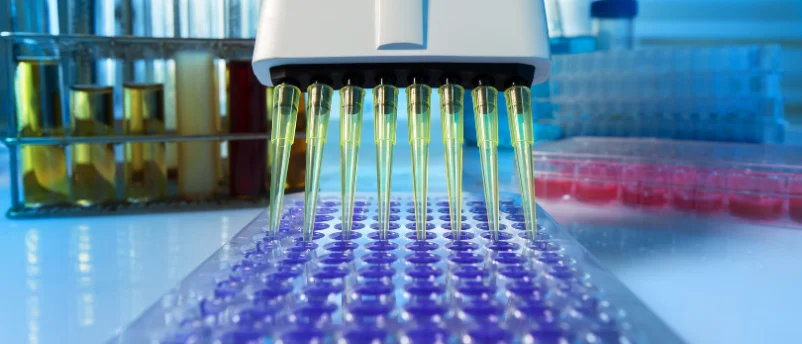
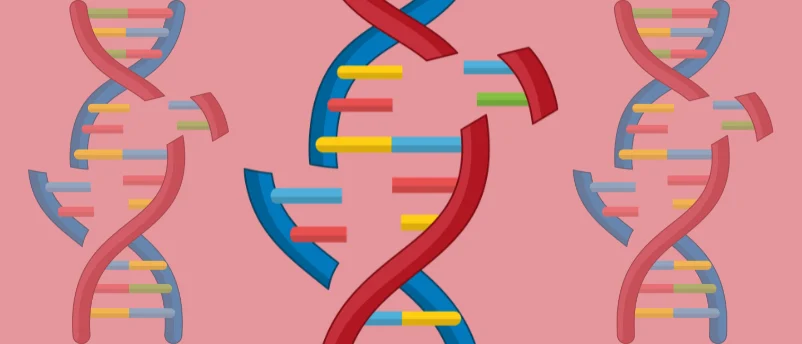
HRM PCR is a post-PCR analysis method that detects small differences in DNA sequences by monitoring the melting behavior of DNA fragments. As double-stranded DNA is heated, it "melts" or denatures into single strands at a specific temperature, releasing a fluorescent dye that binds to it. Subtle variations in DNA sequence (single nucleotide polymorphisms or SNPs) affect the stability of the DNA helix, causing it to melt at slightly different temperatures. By creating characteristic "melting curves," researchers can accurately differentiate between different DNA sequences, even those that are highly similar.
What makes this particular application revolutionary is its ability to extract three critical pieces of information from a single, tiny sand fly specimen:
- Sand Fly Species Identification: Accurately identifies the specific sand fly species, which is crucial because only certain species are competent vectors for Leishmania. This allows for targeted vector control efforts.
- Detection of Leishmania Parasites: Confirms the presence and identifies the species of Leishmania parasites within the sand fly, indicating its infectious status. This provides direct evidence of active transmission.
- Blood Meal Source Determination: Pinpoints the animal from which the sand fly recently fed. This is vital for identifying the animal reservoirs that sustain the parasite’s life cycle and understanding zoonotic transmission pathways.
"By uniting veterinary and public health surveillance, we can now trace the parasite’s journey from animal to insect to human with unprecedented precision," explained Professor Baneth. "This method transforms how we monitor zoonotic diseases in the field, offering a rapid, cost-effective, and highly accurate diagnostic system that replaces time-consuming traditional methods." The near-complete accuracy of this innovative molecular approach represents a significant leap forward in diagnostic capability.
Unveiling Leishmaniasis Ecology in Israel
To validate the HRM system, the research team conducted an extensive study across Israel, a country with significant leishmaniasis endemicity. They analyzed nearly 2,000 sand flies collected from various ecological zones. This comprehensive field research yielded critical insights into the local epidemiology of the disease:
- Vector Diversity: The study identified 12 distinct sand fly species, highlighting the complex entomological landscape involved in disease transmission.
- Parasite Species: Four different species of Leishmania parasites were detected: L. major, L. tropica, L. infantum, and L. donovani. Each of these species can cause different clinical forms of leishmaniasis and are associated with distinct epidemiological patterns. For instance, L. major typically causes cutaneous leishmaniasis and is often associated with rodent reservoirs in arid regions, while L. infantum is a major cause of visceral leishmaniasis, often linked to canine reservoirs.
- Geographical Distribution: The research revealed distinct ecological zones for different Leishmania species. L. major and L. donovani vectors were found to dominate the arid southern regions of Israel, aligning with known patterns of zoonotic cutaneous leishmaniasis. In contrast, L. tropica and L. infantum were more prevalent in the central and northern parts of the country, indicating different transmission cycles and reservoir hosts in these areas.
- Reservoir Identification: The HRM system successfully identified 25 different blood meal sources, ranging from common domestic animals like cats and cows to wild species such as rock hyraxes and hares. This finding underscores the critical role of a diverse range of animals in sustaining the parasite’s life cycle. Notably, domestic cats, hyraxes, hares, and cows accounted for over half of all identified blood meals, emphasizing their importance as potential reservoirs or amplificatory hosts in the local transmission dynamics. The high success rate of 96.7% in identifying blood meal sources marks a vital advance for "One Health" studies, bridging veterinary and human epidemiology.
A particularly intriguing finding was the detection of sand fly species outside their historically recognized habitats. This observation suggests potential environmental or climatic shifts that may be expanding the geographic range of these vectors, consequently broadening the potential transmission zones for leishmaniasis. Such shifts are a growing concern globally, as climate change can alter vector distributions and disease epidemiology.
Implications for "One Health" and Disease Control
The development and validation of this HRM technology represent a monumental step forward for the "One Health" approach to public health. "One Health" recognizes that the health of humans, animals, and the environment are inextricably linked. Zoonotic diseases like leishmaniasis exemplify this interconnectedness, as the pathogen cycles between animal reservoirs and human populations via insect vectors. Effective control requires an integrated strategy that considers all these components.
For veterinarians, this technology provides an unparalleled diagnostic window into infection ecology. By rapidly identifying animal hosts that serve as silent reservoirs, veterinarians can play a more proactive role in outbreak prediction and prevention. Targeted surveillance of specific animal populations can help map high-risk areas and inform veterinary public health interventions, such as vaccination campaigns for dogs (a major reservoir for L. infantum) or control measures for rodent populations.
For public health experts, the ability to rapidly and precisely identify infected vectors and reservoir hosts enables earlier intervention and the implementation of highly targeted control strategies. This could include focused vector control efforts (e.g., insecticide spraying in specific areas, use of insecticide-treated bed nets), public awareness campaigns, and improved case management for human patients. Understanding the specific Leishmania species and its associated vector and reservoir in a given area allows for tailoring interventions that are most effective for that particular epidemiological context.
Professor Baneth emphasized the practical utility: "Rapid and precise identification of infected vectors and reservoir hosts allows us to anticipate emerging foci and protect both animal and human populations." This predictive capability is crucial for resource-limited settings where widespread, untargeted interventions are often unsustainable.
Global Adaptability and Future Prospects
While the study was conducted in Israel, its methodology and findings hold profound global implications. This pioneering molecular toolkit is not only enhancing Israel’s surveillance of vector-borne diseases but also offers a model that is readily adaptable to other endemic regions worldwide. Countries grappling with high burdens of leishmaniasis, particularly those in South Asia, Latin America, and parts of Africa, could significantly benefit from implementing this rapid, cost-effective, and highly accurate surveillance system.
The ease of use and reduced cost compared to traditional multi-step methods make it particularly attractive for deployment in resource-constrained environments. Training local scientists and technicians in endemic areas to utilize this HRM system could empower national public health programs to establish robust, real-time surveillance networks. Such networks would be invaluable for:
- Risk Mapping: Creating dynamic maps of disease risk based on the presence of infected vectors and reservoirs.
- Early Warning Systems: Detecting changes in transmission patterns or the emergence of new foci, allowing for swift public health responses.
- Evaluating Control Programs: Monitoring the effectiveness of interventions by tracking changes in vector infection rates and reservoir prevalence.
- Climate Change Monitoring: Providing a tool to observe and respond to the shifting geographical distribution of sand flies and Leishmania species due to climate change.
Moreover, the principles behind this HRM PCR-based approach could potentially be adapted for surveillance of other complex vector-borne and zoonotic diseases, further broadening its impact on global health security. The integration of molecular diagnostics with field ecology, as demonstrated by this Hebrew University study, marks a significant paradigm shift in the fight against neglected tropical diseases that inherently cross the animal-human divide. It underscores the power of scientific innovation to provide practical solutions to some of humanity’s most persistent health challenges. The ongoing research and wider adoption of such advanced diagnostic tools promise a future where diseases like leishmaniasis can be tracked, understood, and ultimately controlled with unprecedented efficacy.