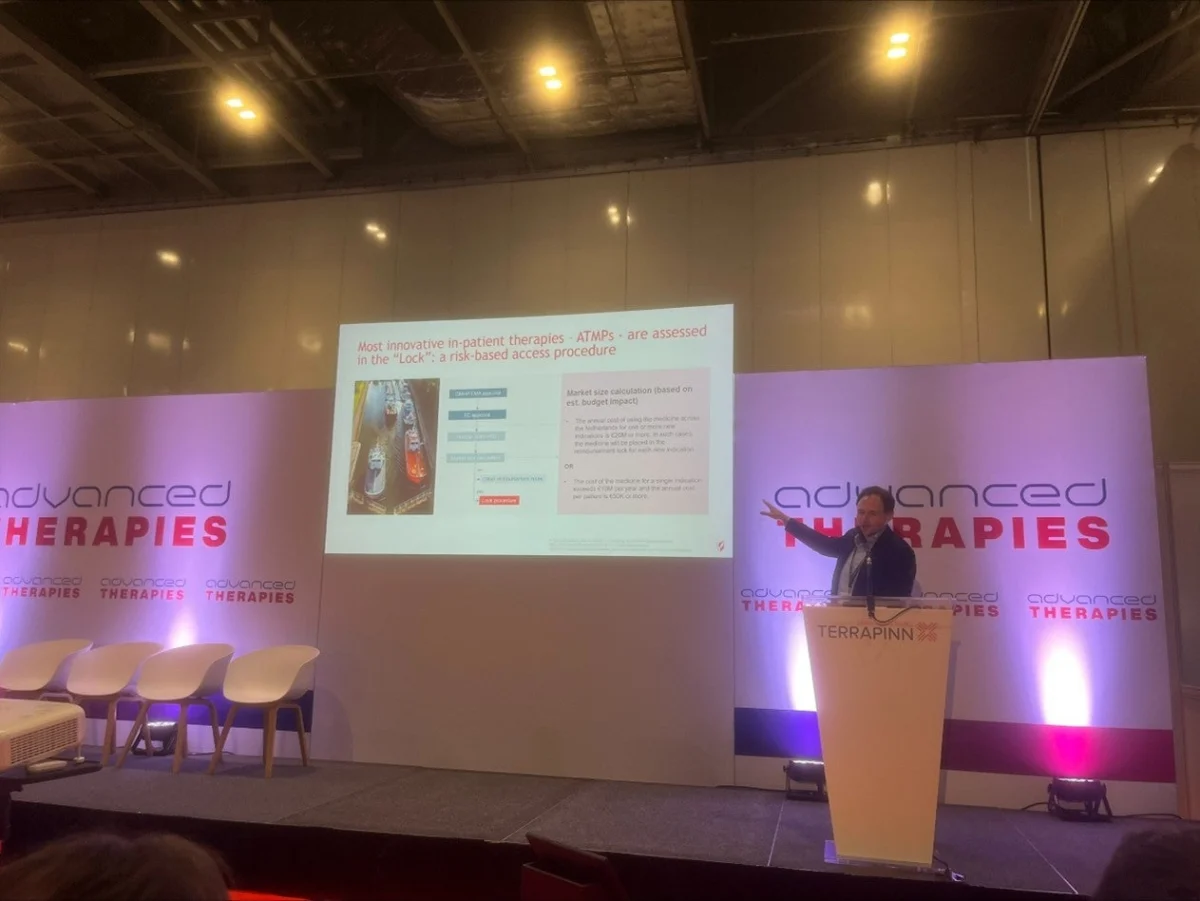
The Netherlands faces significant challenges in ensuring timely patient access to life-changing advanced therapy medicinal products (ATMPs), a situation exacerbated by what a leading pharmaceutical executive describes as insufficient investment in innovation and a system that unnecessarily delays crucial treatments. Peter Fassler, Director of Market Access at Gilead Sciences, voiced these concerns at the recent Advanced Therapies Congress in London, highlighting that the country’s low pharmaceutical expenditure as a percentage of its Gross Domestic Product (GDP) reflects a broader issue of prioritization.
The Urgency for Accelerated Access to ATMPs
Speaking at the conference, held on March 17-18, Fassler emphasized the critical need to "bend the curve on patient access and innovation," advocating for an "open dialogue" among all stakeholders involved in the healthcare ecosystem. His remarks underscore a growing concern within the biopharmaceutical industry: while scientific breakthroughs in areas like cell and gene therapies are rapidly advancing, the mechanisms for bringing these treatments to patients are often lagging, particularly in specific European markets.
Fassler drew a stark comparison between the Netherlands and other European nations, including the United Kingdom. He pointed to the UK government’s recent pledge to increase the National Institute for Health and Care Excellence (NICE) cost-effectiveness threshold for NHS funding of new drugs as an example of proactive policy-making aimed at facilitating access. In contrast, Fassler stated that the Netherlands appears to be "lagging behind" in terms of both governmental willingness and the recognition of an existing access problem.
The "Reimbursement Lock" and its Impact on Patient Timelines
A significant bottleneck identified by Fassler is the Netherlands’ "reimbursement lock" system. Under this framework, high-cost medicines, particularly ATMPs, are placed in a holding pattern while a comprehensive value assessment is conducted by the health technology assessment (HTA) body, followed by intricate price negotiations. This process, while intended to ensure fiscal responsibility, inadvertently creates substantial delays for patients who could potentially benefit from these innovative treatments.
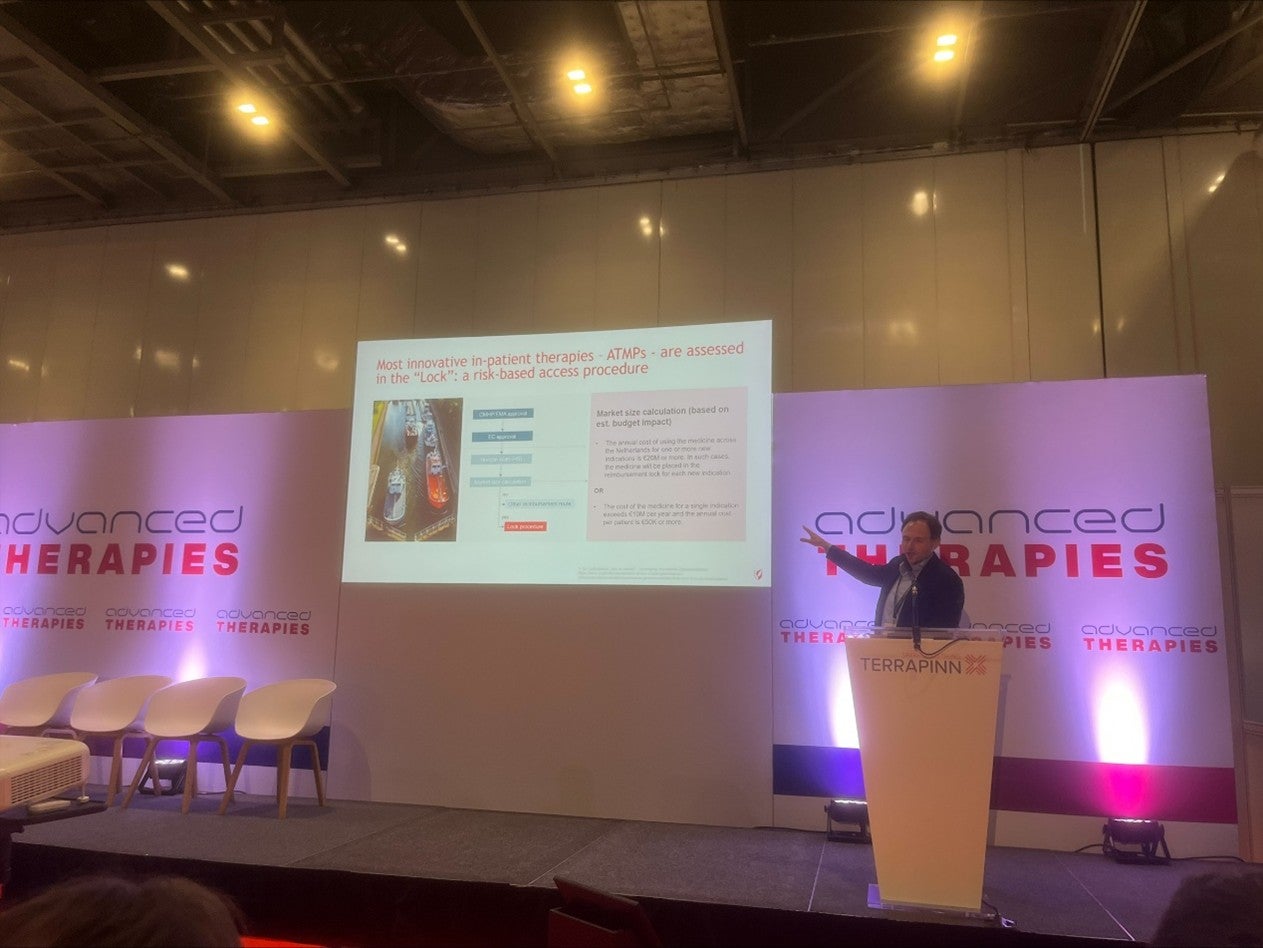
According to Fassler’s analysis, the majority of ATMPs are subjected to this reimbursement lock through a risk-based access procedure. The consequence is a protracted timeline, with an average delay of nearly two years before a drug becomes available to patients. This extended period can have profound implications for individuals with rare or aggressive diseases, for whom time is a critical factor.
Further underscoring the scale of the issue, Fassler revealed that the Netherlands exhibits the lowest expenditure on pharmaceuticals as a percentage of GDP among all Organisation for Economic Co-operation and Development (OECD) member states. This statistic suggests a systemic underinvestment in pharmaceutical innovation and its subsequent adoption, impacting not only ATMPs but potentially a broader range of therapeutic areas.
Pharmacoeconomic Challenges and Data Insights
A forthcoming analysis, examining ATMPs placed in the reimbursement lock between 2015 and 2024, is expected to shed further light on the underlying pharmacoeconomic challenges. Fassler indicated that these challenges are frequently intertwined with pharmacotherapeutic considerations, such as the reliance on single-arm clinical trial designs for investigational therapies. Such trial designs, while sometimes necessary for rare diseases, can present complexities for traditional health technology assessments.
The data also revealed a sobering statistic: only 47% of the indications for cell and gene therapy (CGT) products approved by the European Medicines Agency (EMA) were accessible to patients in the Netherlands. This figure places the Netherlands among the lowest in the European Union for CGT access, alongside countries like Belgium, Norway, and Ireland. This low accessibility rate raises serious questions about the equitable distribution of cutting-edge medical advancements across the continent.
Broader Implications for Oncology and Drug Launches
The challenges faced by the Netherlands in accessing ATMPs are not isolated. A previous study by the National Library of Medicine indicated that market access for oncology drugs also lags behind in the Netherlands when compared to countries such as Belgium and France. GlobalData’s Price Intelligence (POLI) team has also highlighted that strict eligibility criteria for reimbursement in the Netherlands have contributed to a potential lag in patient access to new cancer drugs. This can, in turn, influence the country’s position in the global drug launch order, potentially placing it lower on the list for the introduction of new oncology treatments.
A Call for a More Sustainable Market Access System
In light of these findings, Fassler issued a compelling call for a multi-faceted approach to reform the market access system. He urged for a greater proportion of GDP to be allocated to pharmaceutical innovation, emphasizing that this investment is crucial for driving future medical breakthroughs. Furthermore, he reiterated the urgent need for faster access to treatments, recognizing that delays can translate into lost opportunities for patient recovery and improved quality of life.
Central to Fassler’s vision is a greater emphasis on "patient-centricity." By placing the patient’s needs and well-being at the forefront of policy and decision-making, a more sustainable and effective market access system can be cultivated. He acknowledged the delicate balance that must be struck between ensuring product accessibility and maintaining the affordability of healthcare systems, a challenge faced by governments worldwide.
Global Context and Geopolitical Influences
Fassler also noted that the Netherlands is not alone in grappling with these complex issues. Many European markets are experiencing similar challenges due to the pervasive rise in healthcare costs across the continent. This has led to increased scrutiny of drug spending as governments seek to control expenditures.
Moreover, Fassler alluded to the broader geopolitical dynamics, particularly in the United States, which are increasingly influencing the global conversation around access and innovation. The interconnectedness of global health policy and economic factors means that challenges faced in one region can have ripple effects elsewhere, underscoring the need for international collaboration and shared learning.
The insights provided by Peter Fassler at the Advanced Therapies Congress serve as a critical wake-up call for policymakers and healthcare stakeholders in the Netherlands and beyond. Addressing the systemic barriers to innovation and accelerating patient access to ATMPs is not merely an economic consideration but a profound ethical imperative, ensuring that the fruits of scientific progress are available to those who need them most, in a timely and equitable manner. The path forward requires a concerted effort to foster a more agile, patient-focused, and sustainably funded healthcare ecosystem.