The highly pathogenic Marburg virus, a formidable global health threat renowned for its severe hemorrhagic fever and an average fatality rate of 73%, is significantly more efficient at infiltrating human cells than its notorious cousin, Ebola. This critical insight comes from groundbreaking research conducted by scientists at the University of Minnesota (MN, USA), who have meticulously identified the unique characteristics of the Marburg virus’s entry protein. Their findings not only explain this unparalleled efficiency – revealing it to be up to 300 times greater than Ebola’s – but also pinpoint specific structural features that represent a crucial vulnerability, paving the way for the development of targeted antiviral strategies. This discovery offers a beacon of hope in the ongoing battle against one of the world’s deadliest pathogens, providing a much-needed roadmap for therapeutic intervention.
The Marburg Virus: A Persistent Global Health Threat
The Marburg virus is a member of the Filoviridae family, a group of viruses known for causing severe and often fatal hemorrhagic fevers in humans and non-human primates. First identified in 1967 during simultaneous outbreaks in Marburg and Frankfurt, Germany, and Belgrade, Yugoslavia, the virus was traced back to laboratory workers exposed to African green monkeys (Cercopithecus aethiops) imported from Uganda. Since then, Marburg virus disease (MVD) has sporadically emerged, primarily in several African nations, including Angola, the Democratic Republic of Congo, Kenya, Uganda, South Africa, Ghana, and, most recently, Equatorial Guinea and Tanzania in 2023. These outbreaks underscore the persistent and unpredictable nature of the threat posed by this zoonotic pathogen.
MVD typically manifests with a sudden onset of high fever, severe headache, and malaise. As the disease progresses, patients often develop gastrointestinal symptoms such as vomiting and diarrhea, a maculopapular rash, and severe hemorrhagic manifestations, including bleeding from multiple orifices, which contribute significantly to its high mortality rate. The average case fatality rate for MVD is approximately 73%, though it has ranged from 23% to 90% in various outbreaks, making it comparable to, and often exceeding, the lethality of Ebola virus disease, which typically has an average fatality rate of around 50%. There are currently no approved vaccines or specific antiviral treatments for Marburg virus, with patient care limited to supportive therapies aimed at managing symptoms and maintaining vital organ function. This lack of specific countermeasures amplifies the urgency and significance of research focused on understanding and combating the virus. The natural reservoir for Marburg virus is believed to be the Egyptian fruit bat (Rousettus aegyptiacus), with spillover events to humans often linked to contact with infected bats or their guano in caves and mines. Human-to-human transmission then occurs through direct contact with the blood, secretions, organs, or other bodily fluids of infected people, and with surfaces and materials (e.g., bedding, clothing) contaminated with these fluids.
Unraveling Marburg’s Cellular Invasion Superiority
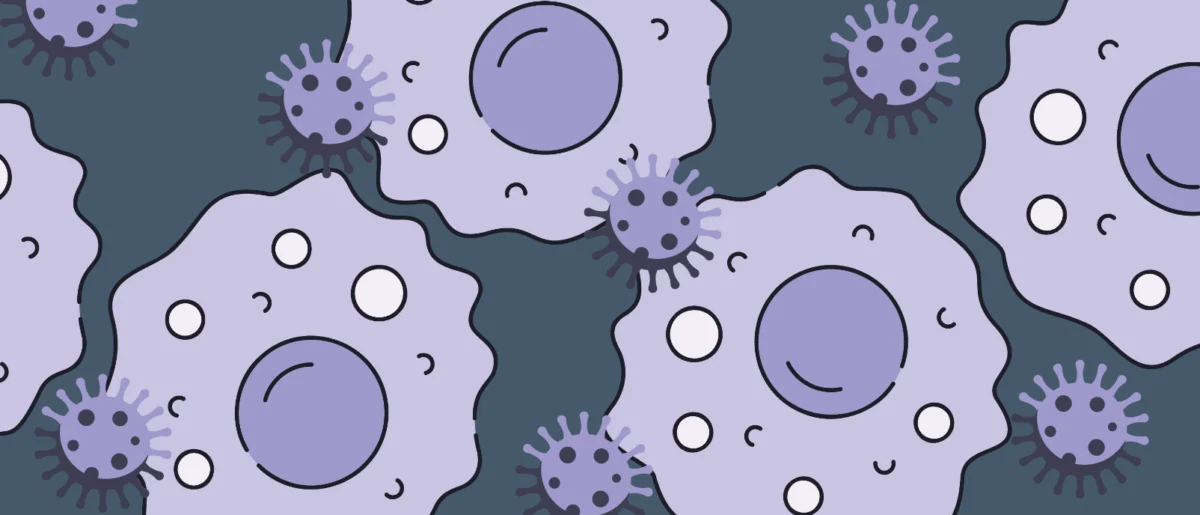
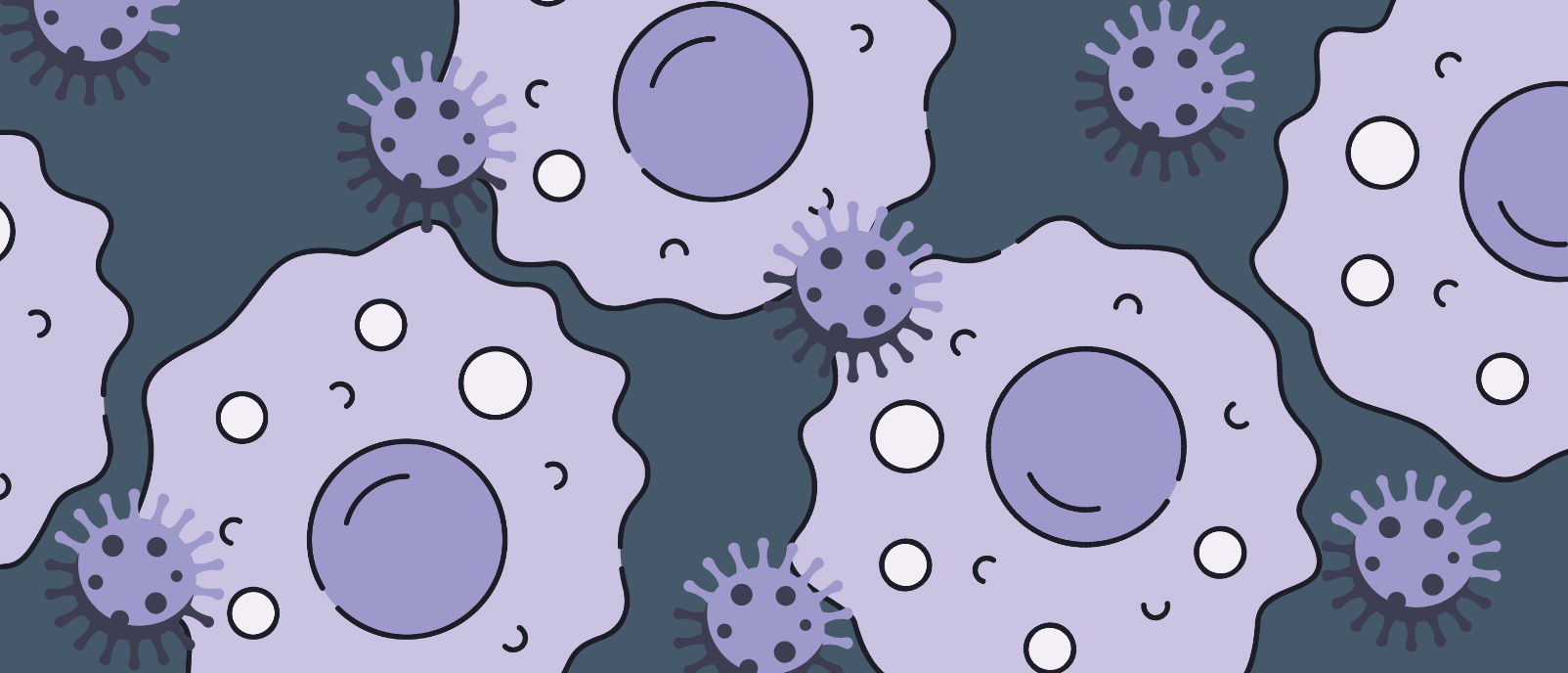
The core of the University of Minnesota’s breakthrough lies in understanding the mechanism by which the Marburg virus so effectively breaches the defenses of human cells. Researchers, led by senior author Fang Li, a professor of pharmacology at the University of Minnesota Medical School, focused on the virus’s entry protein, known as glycoprotein (GP). This protein adorns the surface of the virus and is the primary tool it uses to bind to and enter host cells.
To conduct a fair and rigorous comparison between Marburg and Ebola, the research team developed a tightly controlled experimental system. This innovative approach allowed them to directly compare the efficiencies of the entry proteins from both viruses under identical conditions. The results were stark: Marburg’s entry protein proved capable of driving viral entry into human cells up to an astonishing 300 times more efficiently than Ebola’s. This dramatic difference in infectivity sheds light on why Marburg virus disease often presents with such rapid progression and high lethality.
Further investigations revealed the molecular intricacies behind this superior efficiency. Both Marburg and Ebola viruses utilize the same human receptor to initiate cell entry. However, the Minnesota team discovered that Marburg’s entry protein interacts with this shared receptor in a fundamentally distinct manner. It binds with a higher affinity, essentially forming a stronger and more tenacious grip on the host cell. Moreover, the Marburg entry protein undergoes specific and critical conformational changes – shifts in its three-dimensional shape – that are uniquely optimized to facilitate the subsequent steps of viral entry. These shape changes are crucial for mediating the fusion of the viral membrane with the host cell membrane, a process that allows the viral genetic material to be injected into the cell, thus initiating infection. By understanding these subtle yet profound differences in binding orientation, affinity, and conformational dynamics, scientists can now pinpoint the exact molecular interactions that confer Marburg its exceptional infectivity.
A Framework for Comparison and Therapeutic Roadmap
Professor Fang Li underscored the broader implications of their methodological advancements. "Our study establishes a framework for fairly comparing how efficiently different viruses enter cells, which was not possible before," Li explained. This novel comparative system is a significant scientific contribution in itself, providing a robust platform for future virological research, particularly for understanding highly pathogenic viruses where direct comparison has been challenging.
Beyond the methodology, the research provides a direct link between the structural features of viral entry proteins and the overall infectivity of the virus. "It also links structural features of viral entry proteins to viral infectivity, providing a roadmap for therapeutic interventions," Li added. This connection is vital because it transforms abstract structural biology into actionable targets for drug development. Marburg virus has long been perceived as a "symbol of highly lethal viruses," and Li emphasized that "Our study helps explain why it is so lethal and identifies a vulnerability that can be exploited by antivirals." This statement highlights the dual impact of the research: not only does it deepen our understanding of Marburg’s virulence, but it also lights the path toward specific, mechanism-based treatments.
Discovering a Nanobody: A Promising Antiviral Lead
One of the most exciting and tangible outcomes of this research is the discovery of a novel therapeutic candidate: a tiny antibody known as a nanobody. Nanobodies are unique antibody fragments, typically derived from camelids, which are much smaller and more stable than conventional antibodies. Their diminutive size allows them to access cryptic epitopes – hidden binding sites on proteins – that are often inaccessible to larger antibodies.
The discovered nanobody possesses a remarkable ability: it can slip past a protective "cap" on Marburg’s entry protein. This cap typically shields critical binding regions, making them difficult targets for the immune system or conventional therapeutics. Once past this defense, the nanobody binds directly to the entry protein, effectively blocking its attachment to the human cell receptor. In laboratory tests, this specific nanobody demonstrated its potency by successfully preventing the Marburg virus from entering cells. This proof-of-concept is a significant milestone, suggesting that this nanobody, or optimized versions of it, could be developed into an effective antiviral drug. Such a therapeutic could potentially neutralize the virus before it can establish infection, offering a critical tool for both treatment and post-exposure prophylaxis during outbreaks.
Methodological Rigor: Ensuring Safety and Accuracy
Studying highly lethal pathogens like the Marburg virus poses significant safety challenges, requiring stringent biosafety protocols. To ensure the safety of their research while accurately modeling the viral entry process, the University of Minnesota team utilized pseudoviruses. These are engineered viral particles that contain the entry protein of Marburg (or Ebola) on their surface but lack the genetic material necessary for replication. Essentially, they mimic the entry process of the live virus but cannot cause infection or reproduce within cells. This innovative biochemical tool allows researchers to dissect the complex mechanisms of viral entry in a controlled and safe environment, without the inherent risks associated with handling live, virulent Marburg virus. The use of pseudoviruses is a standard and widely accepted practice in virology, enabling critical research into dangerous pathogens that would otherwise be impractical or too hazardous to study in many laboratory settings. This methodological choice underscores the scientific rigor and commitment to safety that characterized the Minnesota team’s work.
Broader Implications for Global Health Security
The findings from the University of Minnesota have profound implications for global health security, extending beyond the immediate prospect of a Marburg antiviral.
Firstly, for Public Health Preparedness and Response, understanding the precise mechanisms of Marburg’s high infectivity can inform risk assessments during outbreaks. Public health agencies like the World Health Organization (WHO) and national Centers for Disease Control and Prevention (CDC) can leverage this knowledge to refine containment strategies, develop more accurate diagnostic tools, and better predict the trajectory of outbreaks. Public health experts underscore that "This discovery marks a crucial step in our fight against Marburg. Understanding the virus’s Achilles’ heel is vital for developing effective countermeasures and protecting vulnerable populations."
Secondly, in Drug Development, the identification of specific structural vulnerabilities and the discovery of a blocking nanobody open entirely new avenues for therapeutic design. The current reliance on supportive care for MVD is a major challenge during outbreaks. A targeted antiviral, especially one that blocks the initial entry step, could drastically improve patient outcomes and reduce mortality rates. Virologists and pharmaceutical developers suggest, "The UoM team’s work provides an invaluable structural and mechanistic blueprint. The identification of a specific nanobody offers a promising lead compound for preclinical development, accelerating the path towards a much-needed therapeutic." This research could inspire the development of other small molecules or biologics that interfere with the identified binding sites or conformational changes, potentially leading to a robust pipeline of anti-Marburg drugs.
Thirdly, the research contributes significantly to our Fundamental Understanding of Filovirus Biology. By comparing Marburg to Ebola, the study offers insights into the evolutionary divergence and shared vulnerabilities within the Filoviridae family. This comparative framework could accelerate research into other emerging or re-emerging filoviruses, allowing scientists to anticipate and counter future threats more effectively.
Finally, this work exemplifies the importance of Translational Research – moving basic scientific discoveries from the laboratory bench to clinical applications. The systematic approach to identifying vulnerabilities and then testing a potential therapeutic agent (the nanobody) in a controlled setting is a model for addressing other challenging infectious diseases.
Expert Perspectives and Future Directions
The scientific community has widely recognized the significance of this discovery. Experts in infectious disease and structural biology acknowledge the meticulous nature of the work. "This is a truly elegant piece of research that not only solves a long-standing puzzle regarding Marburg’s exceptional virulence but also hands us a tangible tool in the form of a nanobody," commented a leading virologist not involved in the study, who requested anonymity due to ongoing collaborations. "The ability of this nanobody to bypass the protective cap is particularly exciting, as many viruses employ such shields to evade immune responses and drug interventions."
The path forward involves several critical steps. The immediate next phase will likely focus on preclinical development of the nanobody. This includes further in vitro characterization, testing its efficacy in animal models (e.g., non-human primates) to assess its therapeutic potential and safety profile in vivo. Researchers will also need to optimize the nanobody for pharmaceutical applications, ensuring its stability, half-life in the body, and manufacturability at scale. Additionally, structural elucidation of the Marburg GP in complex with the nanobody and the human receptor could provide atomic-level details, guiding further rational drug design.
Beyond the nanobody, the identified vulnerabilities could inspire the screening and development of other small-molecule inhibitors that target the specific binding interfaces or conformational shifts critical for Marburg’s entry. The long-term vision includes developing a robust arsenal of antivirals that could be deployed rapidly during outbreaks, potentially in combination therapies, to enhance efficacy and prevent the emergence of drug resistance. This research also indirectly supports vaccine development efforts, as a deeper understanding of the entry protein’s structure and function is crucial for designing immunogens that elicit potent neutralizing antibody responses.
A Chronology of Marburg Outbreaks
Understanding the history of Marburg outbreaks highlights the recurring nature of this threat and the continuous need for scientific advancements:
- 1967: First recognized outbreaks in Marburg and Frankfurt, Germany, and Belgrade, Yugoslavia, linked to laboratory workers exposed to African green monkeys.
- 1975: Single case in South Africa, an Australian tourist who traveled through Rhodesia (now Zimbabwe).
- 1980: Two cases in Kenya, one fatal, with limited secondary transmission.
- 1987: One fatal case in Kenya.
- 1998–2000: Major outbreak in Durba, Democratic Republic of Congo, linked to gold miners. This was one of the largest outbreaks, with over 150 cases and a high fatality rate.
- 2005: Angola experienced the deadliest Marburg outbreak to date, with 252 cases and a staggering 90% fatality rate, primarily affecting Uíge Province.
- 2007: Two cases in Uganda, linked to a cave with Rousettus bats.
- 2012: Four cases in Uganda, associated with a gold mine.
- 2014: Single case in Uganda, a healthcare worker.
- 2017: Three cases in Uganda, all linked to a family and a traditional healer.
- 2021: First case reported in West Africa, in Guinea, which was quickly contained.
- 2023: Outbreaks declared in Equatorial Guinea and Tanzania, marking significant new geographic spread and renewed urgency for control measures.
These repeated outbreaks underscore the critical importance of research such as that from the University of Minnesota, providing the fundamental knowledge and tools necessary to protect global populations from this relentless and deadly pathogen. The scientific community remains vigilant, leveraging every new discovery to fortify defenses against emerging and established viral threats.