


The pharmaceutical landscape of the 21st century has been fundamentally altered by the advent of glucagon-like peptide-1 (GLP-1) receptor agonists. Medications such as Ozempic, Wegovy, and Mounjaro have transitioned from niche treatments for type 2 diabetes to global phenomena in the field of weight management. Recent data indicates that approximately one in eight adults in the United States has utilized a GLP-1 medication, with 25% of these users specifically targeting significant weight reduction. However, the medical community has grown increasingly concerned over a critical side effect: the non-discriminatory nature of rapid weight loss. Clinical observations reveal that patients on these regimens often lose substantial amounts of lean muscle mass, sometimes accounting for up to 40% of their total weight loss. This phenomenon, often referred to as "sarcopenic obesity" in the making, poses a long-term risk to metabolic health and physical mobility.
In a landmark study published in the Proceedings of the National Academy of Sciences (PNAS) on January 22, 2025, researchers at the Salk Institute have identified a biological "master switch" that may solve this clinical dilemma. The team, led by Professor Ronald Evans, discovered that a protein known as BCL6 (B-cell lymphoma 6) is the primary regulator of muscle mass maintenance. By understanding and potentially manipulating this protein, scientists believe they can decouple fat loss from muscle wasting, ensuring that the benefits of GLP-1 therapies are not undermined by the loss of critical functional tissue.
The Muscle Preservation Crisis in Modern Medicine
Muscle tissue is far more than a vehicle for movement; it is the body’s largest metabolic organ, responsible for glucose disposal, heat production, and the maintenance of a healthy basal metabolic rate. When individuals lose muscle mass rapidly—whether through intensive dieting, the use of GLP-1 drugs, or the natural progression of aging—their overall health trajectory can decline. Lower muscle mass is linked to increased insulin resistance, a higher risk of falls and fractures, and a decreased quality of life.
The Salk Institute’s research addresses a gap in current obesity treatment. While GLP-1 drugs are highly effective at suppressing appetite by mimicking natural hormones that slow digestion, they do not inherently protect muscle. When the body enters a caloric deficit, it often breaks down muscle protein to compensate for perceived energy shortages. "Muscle is the most abundant tissue in the human body, so its maintenance is critical to our health and quality of life," noted Ronald Evans, professor and director of the Gene Expression Laboratory at Salk. Evans emphasized that the discovery provides a blueprint for therapeutic interventions that could benefit not only those on weight-loss drugs but also elderly populations suffering from age-related sarcopenia and patients battling systemic wasting diseases.
Decoding the BCL6 Biological Pathway
To understand how BCL6 protects muscle, the Salk team investigated the complex endocrine signaling that occurs during periods of fasting and growth. The process begins in the stomach, which secretes the "hunger hormone" ghrelin when empty. Ghrelin signals the brain to release growth hormone (GH), which then travels through the bloodstream to various tissues.
In muscle cells, growth hormone typically triggers the production of insulin-like growth factor 1 (IGF1), a potent driver of muscle growth and repair. However, the researchers discovered that this pathway is not a direct line; it is regulated by a delicate balance of "accelerator" and "brake" proteins.
- The Brake (SOCS2): A protein called Suppressor of Cytokine Signaling 2 (SOCS2) acts as a natural inhibitor of IGF1. If SOCS2 levels are too high, the muscle cannot respond to growth hormone, leading to atrophy.
- The Regulator (BCL6): The Salk team identified BCL6 as the protein that controls SOCS2. Under normal conditions, BCL6 keeps SOCS2 levels in check, allowing for the steady production of IGF1 and the maintenance of muscle mass.
- The Fasting Effect: During fasting—which GLP-1 drugs essentially mimic by reducing food intake—growth hormone levels actually rise, but paradoxically, BCL6 levels in the muscle drop. This drop in BCL6 releases the "brake" (SOCS2), which in turn suppresses IGF1, leading to muscle loss.
Through a series of experiments, the researchers demonstrated that by artificially increasing BCL6 levels, they could suppress SOCS2 even during caloric restriction, thereby maintaining IGF1 production and preserving muscle strength and volume.
Experimental Evidence and Quantitative Data
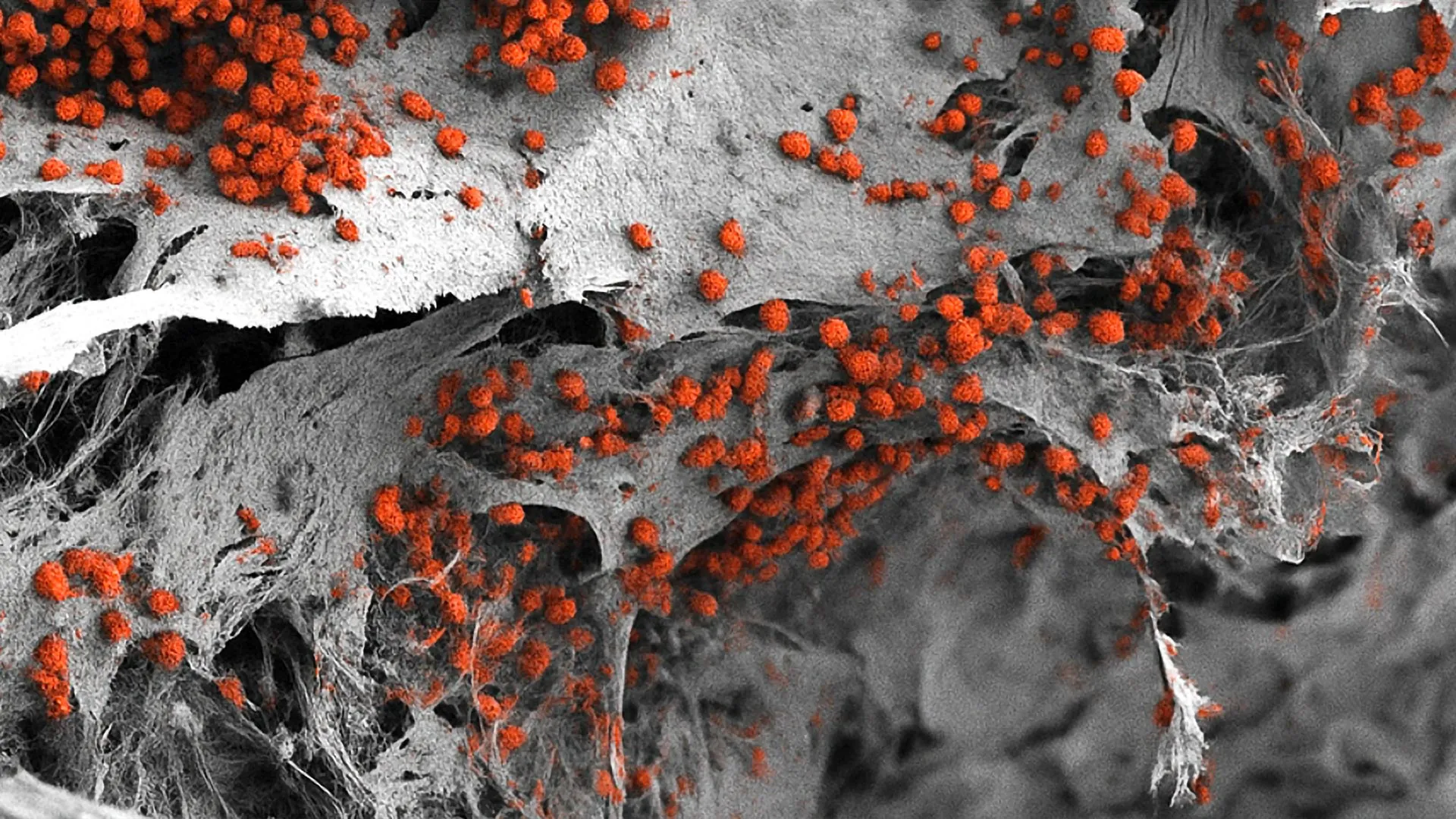
The Salk researchers utilized a combination of human tissue database analysis and murine models to confirm their hypothesis. Initially, the team scoured national databases of human tissue samples and found that BCL6 was unusually abundant in skeletal muscle, suggesting a vital evolutionary role.
In the laboratory, the team compared "knockout" mice (those lacking functional BCL6) with healthy control mice. The results were stark:
- Mass Reduction: Mice without BCL6 exhibited a 40% reduction in total muscle mass compared to the control group.
- Functional Decline: The remaining muscle in the BCL6-deficient mice was found to be structurally compromised and significantly weaker in grip-strength tests.
- Reversibility: Most importantly, when the researchers used gene therapy to increase BCL6 expression in the muscles of the deficient mice, the muscle loss was successfully reversed. The animals regained both mass and functional strength, proving that BCL6 is a reversible lever for muscle health.
Furthermore, when the team analyzed mice that had fasted overnight, they observed a natural decline in BCL6 levels, confirming that the body’s response to a lack of nutrients is to downregulate this protective protein, likely as an ancient survival mechanism to conserve energy by shedding metabolically expensive muscle tissue.
Broader Implications: From Ozempic to Oncology
The potential applications for a BCL6-boosting therapy extend far beyond the current weight-loss trend. The medical community is looking toward "combination therapies" where a GLP-1 drug is paired with a muscle-preserving agent. This would allow patients to achieve a healthy Body Mass Index (BMI) while retaining the strength necessary for an active lifestyle.
Beyond obesity, the study highlights three critical areas of impact:
- Age-Related Sarcopenia: As humans age, they naturally lose muscle mass and strength. This discovery could lead to treatments that help the elderly maintain independence and reduce the healthcare costs associated with falls.
- Cancer Cachexia: Many cancer patients suffer from a wasting syndrome called cachexia, where the body rapidly breaks down muscle and fat. BCL6-based interventions could potentially slow this process, improving patient endurance during chemotherapy.
- Systemic Illness and Sepsis: Patients in intensive care or those suffering from chronic infections often experience rapid muscle breakdown. Regulating the BCL6-SOCS2-IGF1 axis could provide a new avenue for recovery in clinical settings.
Chronology of Discovery and Future Research
The journey to this discovery began with the Salk team’s long-standing interest in how the body coordinates nutrition with tissue maintenance. Over the last several years, the Gene Expression Laboratory has focused on the molecular markers of fasting.
- Phase 1 (Database Screening): Researchers identified BCL6 as a high-priority candidate in muscle tissue through genomic screening.
- Phase 2 (Knockout Studies): The team spent significant time observing the physiological effects of BCL6 deficiency in mice, establishing the 40% loss metric.
- Phase 3 (Mechanism Mapping): Through 2023 and 2024, the team mapped the specific interaction between BCL6, SOCS2, and IGF1.
- Phase 4 (Publication): The findings were finalized and released to the public in early 2025.
Moving forward, the Salk Institute plans to investigate the relationship between BCL6 and circadian rhythms. Hunter Wang, a postdoctoral researcher and the study’s first author, noted that BCL6 levels appear to fluctuate naturally throughout the day. Understanding these cycles could lead to "chronotherapies," where muscle-boosting treatments are administered at specific times to maximize efficacy.
Expert Analysis and Market Context
The timing of this research is pivotal. The global market for weight-loss drugs is projected to reach $100 billion by 2030. However, the long-term sustainability of these drugs depends on patient safety and the quality of weight lost. Pharmaceutical giants are already in a race to develop "next-generation" GLP-1s that include myostatin inhibitors or other muscle-sparing compounds.
The Salk Institute’s discovery of the BCL6 pathway provides a new, potentially more precise target for these drug developers. Unlike broad-spectrum growth factors, BCL6 works specifically as a regulator of the IGF1 brake, potentially offering a more nuanced way to maintain muscle without the side effects of systemic growth hormone therapy, which can include joint pain and an increased risk of certain cancers.
"We are excited to reveal BCL6’s important role in maintaining muscle mass," Wang stated. "These were very surprising and special findings that open the door for a lot of new discoveries and potential therapeutic innovations."
As the research moves toward human clinical trials, the medical community remains cautiously optimistic. While a BCL6-boosting injectable is not yet on the market, the identification of this pathway marks a significant step toward a future where weight loss no longer requires a compromise in physical strength. For the millions of Americans currently navigating the complexities of metabolic health, the Salk Institute’s work offers a glimpse into a more balanced approach to longevity and wellness.
















Leave a Reply