For more than a century, medical textbooks and physiological curricula have taught that the bone marrow is the primary, if not exclusive, site of blood production in adult humans. This biological dogma suggests that the bone marrow serves as the central factory for the roughly 200 billion new red blood cells required by the human body every day to maintain systemic oxygenation. However, a groundbreaking study led by researchers at the University of California, San Francisco (UCSF) has fundamentally challenged this long-held paradigm. According to findings published in the journal Blood, the human lung plays a sophisticated and previously unrecognized role in hematopoiesis—the process of blood cell formation.
The research team, led by Mark Looney, MD, a professor of medicine and laboratory medicine at UCSF, has demonstrated that the lungs are not merely organs of gas exchange but are also home to a significant population of hematopoietic stem cells (HSCs). These cells are capable of producing a variety of blood components, including red blood cells and megakaryocytes, the latter of which are responsible for producing the platelets necessary for blood clotting. This discovery, supported by the National Heart, Lung, and Blood Institute (NHLBI) of the National Institutes of Health (NIH), suggests that the lungs may serve as a critical secondary reservoir for life-saving stem cells, offering new avenues for treating blood-related cancers and improving the efficacy of stem cell transplants.
A New Understanding of Hematopoietic Stem Cells
Hematopoietic stem cells are the foundational units of the blood system. They possess the unique ability to self-renew and differentiate into all types of blood cells, including those of the myeloid and lymphoid lineages. Until now, the clinical focus on these cells has been almost entirely centered on the bone marrow, where they reside in specialized niches. The UCSF study reveals that the lung environment provides a similar niche, hosting HSCs that are not just transiently passing through the pulmonary circulation but are resident fixtures of the organ’s architecture.
The implications of this finding are vast. For decades, bone marrow transplants have served as a cornerstone in the treatment of hematologic malignancies such as leukemia and lymphoma. These procedures involve depleting a patient’s diseased marrow and replacing it with healthy HSCs. Dr. Looney suggests that the identification of a significant pool of HSCs in the lungs could provide a "second and significant reservoir" of these precious cells, potentially increasing the supply of donor material and offering more tailored therapeutic options.
Chronology of Discovery: From Mice to Men
The journey to this discovery began in 2017, when Dr. Looney’s team conducted a series of experiments using two-photon intravital imaging in mice. This advanced imaging technology allowed the researchers to observe the movement of individual cells within the living lung tissue of a mouse. To their surprise, they found that the mouse lung was responsible for producing approximately 50% of the animal’s total platelet count. Furthermore, they identified a population of progenitor cells in the mouse lung that could migrate back to the bone marrow to restore blood production when the marrow was damaged.
While the 2017 study was revolutionary, the scientific community remained cautious about whether these findings could be extrapolated to human physiology. To bridge this gap, the UCSF team initiated a multi-year study to investigate human tissue. They obtained donated samples of human lung tissue, bone marrow, and peripheral blood to conduct a comparative analysis.
The researchers focused on a specific volume of lung tissue, roughly the size of a golf ball, to screen for the presence of HSCs. Using flow cytometry and genetic sequencing, they identified cells in the human lung that bore the exact molecular signatures of bone marrow-derived HSCs. Remarkably, the concentration of these stem cells in the lung tissue was found to be comparable to the concentrations typically found in the bone marrow, suggesting that the lung’s role in blood production is not a minor or vestigial function, but a core physiological process.
Comparative Analysis: Lung vs. Bone Marrow HSCs
To determine if the lung-resident HSCs were functional, the researchers conducted "gold-standard" stem cell experiments. They isolated HSCs from both the lung and the bone marrow and placed them in specialized culture media designed to stimulate cell growth and differentiation.
The results revealed a fascinating functional divergence between the two populations. While both sets of stem cells were highly productive, the lung HSCs showed a marked preference for producing red blood cells and megakaryocytes. In contrast, the HSCs derived from the bone marrow were more inclined to produce immune cells, such as leukocytes.
"Both types of HSCs thrived in our experiment," noted Dr. Catharina Conrad, a postdoctoral scholar in Looney’s lab and the study’s first author. "But the lung HSC colonies were particularly adept at producing the components required for oxygen transport and clotting. This suggests a functional specialization that may be tied to the lung’s unique environment."
To further prove the viability of these cells, the team transplanted human lung HSCs into mice that were deficient in their own blood-forming cells. The human lung HSCs successfully engrafted into the mice’s bone marrow and began producing a full spectrum of blood cells, effectively restoring the animals’ hematopoietic systems. This cross-organ synergy confirms that the lung and bone marrow exist in a state of constant communication, capable of supplementing each other’s cellular output in times of physiological stress.
The Lung as a Specialized Niche
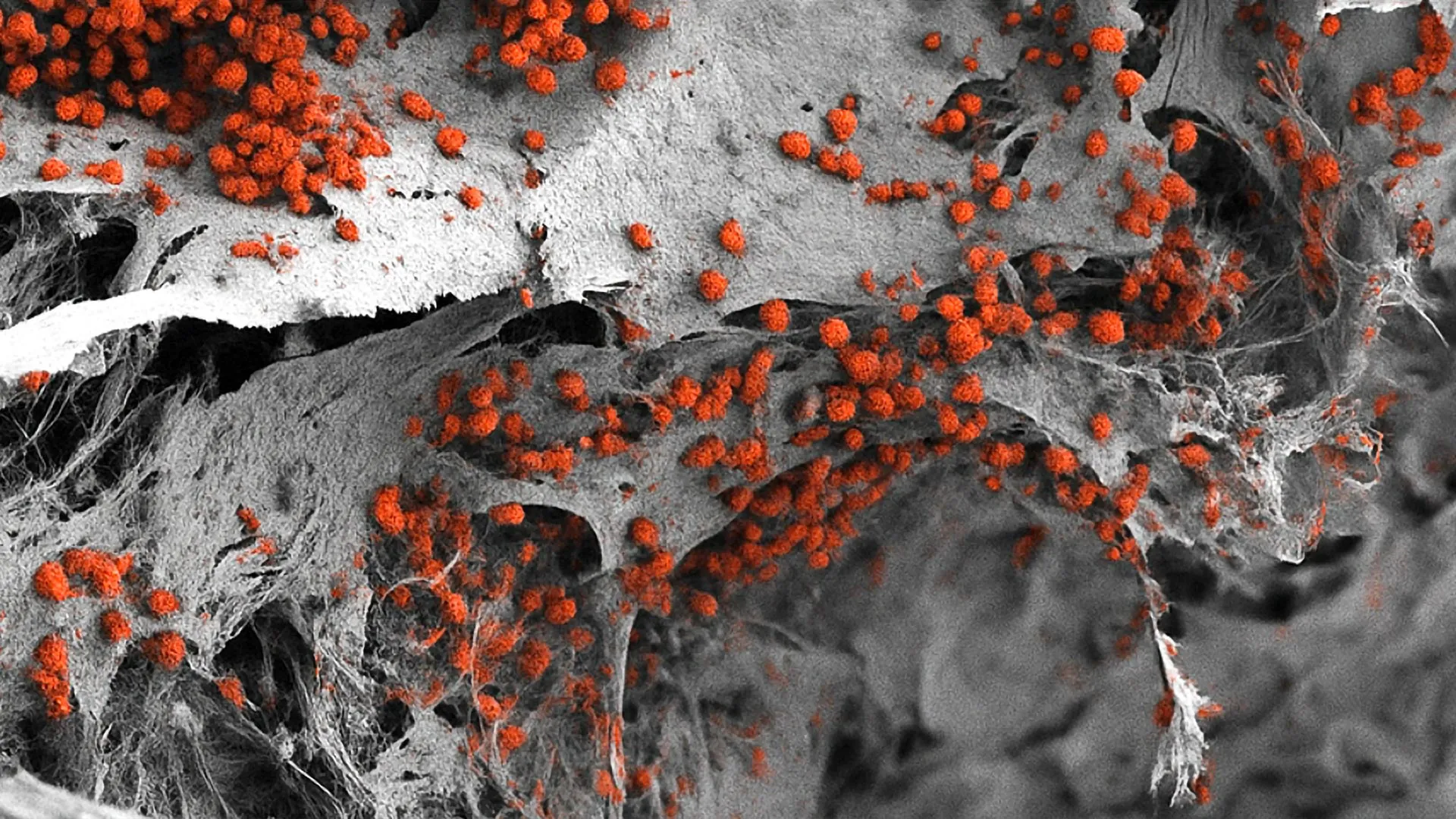
One of the most critical questions facing the researchers was whether these HSCs truly lived in the lung or were simply "stuck" there while circulating through the blood. To answer this, Dr. Conrad and her colleagues performed high-resolution imaging of human lung tissue. They discovered the HSCs nestled in the interstitial spaces between blood vessels, arranged in a configuration that closely mirrors the "niche" structures found in the bone marrow.
This structural evidence strongly supports the theory that the lung is a deliberate site of residence for these cells. "They really seem to live there and aren’t just passing through," Conrad stated. This finding opens up new questions about the "lung-specific" signals that maintain these stem cells and how the pulmonary environment—characterized by high oxygen levels and mechanical stress—influences their behavior.
Implications for Hematopoietic Stem Cell Transplantation
The clinical relevance of this study was highlighted by an analysis of routine bone marrow transplants. Currently, many "bone marrow" transplants are actually performed using stem cells collected from the donor’s peripheral blood after a process called mobilization. When the UCSF team analyzed the molecular signatures of cells used in these standard transplants, they found that nearly 20% of the stem cells carried the specific signature of lung-resident HSCs.
This suggests that the medical community has unknowingly been utilizing lung-derived stem cells for years. By recognizing the distinct characteristics of these cells, clinicians may be able to refine transplant procedures. For instance, if a patient specifically needs improved red blood cell production or better platelet recovery, lung-derived HSCs might be a superior choice compared to traditional bone marrow-derived cells.
Broader Physiological Impact and Future Research
The discovery that the lung acts as a blood-forming organ raises fundamental questions about evolutionary biology. Why would the body evolve to produce blood in the lungs? Dr. Looney and his team hypothesize that the lungs serve as an "emergency reservoir." Because the lungs are the primary site where blood is oxygenated, having a local supply of red blood cell precursors and platelet-producing cells allows for a rapid response to hypoxia (low oxygen) or hemorrhage (blood loss).
This "emergency reservoir" theory suggests that during times of systemic trauma or severe infection, the lungs can ramp up blood production independently of the bone marrow. This could be particularly important in conditions like acute respiratory distress syndrome (ARDS) or severe pneumonia, where the lung environment is under extreme stress.
Moving forward, the UCSF team plans to investigate how lung HSCs change in response to disease. There is significant interest in determining whether lung diseases, such as fibrosis or chronic obstructive pulmonary disease (COPD), impair the lung’s ability to produce blood. Conversely, researchers want to know if certain blood disorders actually originate from malfunctions in the lung’s hematopoietic niche rather than the bone marrow.
Conclusion
The identification of the human lung as a site of hematopoiesis marks a significant milestone in our understanding of human anatomy and physiology. By proving that the lung is a reliable and potent source of hematopoietic stem cells, the UCSF researchers have not only updated the medical textbooks but have also provided a new foundation for the future of regenerative medicine.
As Dr. Looney concluded, "The lungs are critical to blood circulation, so it’s tantalizing to see the lung HSCs as an emergency reservoir for red blood cell and platelet production. Now that we know they exist, it opens up a lot of new opportunities for hematopoietic stem cell transplantation, a therapy that is essential for many patients in need."
This research serves as a reminder that even in an era of advanced genomic and proteomic mapping, the human body still holds profound secrets. The shift from viewing the lung as a simple bellows for air to a complex factory for life-sustaining blood cells represents a new frontier in both basic science and clinical application, promising a future where the treatment of blood diseases is more diverse and effective than ever before.