An international team of scientists has uncovered a surprising molecular strategy used by a rare group of land plants. The finding could one day help researchers redesign important crops such as wheat and rice so they convert sunlight into food far more efficiently. This groundbreaking discovery, published in the prestigious journal Science, offers a promising new avenue for enhancing agricultural productivity and addressing global food security challenges.
Unlocking Photosynthesis’s Bottleneck: The Rubisco Challenge
At the heart of this scientific breakthrough lies Rubisco, an enzyme indispensable for life on Earth. Responsible for capturing carbon dioxide from the atmosphere, Rubisco is the crucial first step in photosynthesis, the process by which plants convert light energy into chemical energy in the form of sugars. Without Rubisco, the vast majority of the food we consume would not exist.
However, Rubisco is notoriously inefficient. It is a slow-acting enzyme, and critically, it frequently mistakes oxygen for carbon dioxide. This misidentification leads to a wasteful process called photorespiration, which consumes energy and significantly reduces the amount of carbon that can be fixed into plant biomass. Scientists have long recognized this inefficiency as a major bottleneck in crop yields. Estimates suggest that Rubisco’s suboptimal performance limits plant growth by as much as 30-50% in many crops.
"Rubisco is arguably the most important enzyme on the planet because it’s the entry point for nearly all carbon in the food we eat," explained Dr. Fay-Wei Li, an Associate Professor at the Boyce Thompson Institute (BTI) and a co-leader of the research. "But it’s slow and easily distracted by oxygen, which wastes energy and limits how efficiently plants can grow."
For decades, researchers have sought ways to engineer more efficient versions of Rubisco or to improve the cellular environment in which it operates. One tantalizing model for improvement comes from the aquatic world. Many types of algae have evolved specialized cellular compartments called pyrenoids. Within these pyrenoids, Rubisco is highly concentrated, and the cellular machinery is optimized to deliver a high concentration of carbon dioxide directly to the enzyme. This effectively shields Rubisco from oxygen and dramatically enhances its efficiency.
The challenge has always been to translate these sophisticated algal systems into land plants, particularly the staple crops that form the foundation of global diets. The genetic and molecular complexity of transferring entire organelle structures or intricate biochemical pathways has proven to be a formidable obstacle, largely thwarting previous attempts to engineer artificial carbon-concentrating mechanisms in terrestrial plants.
Hornworts: An Unexpected Evolutionary Solution
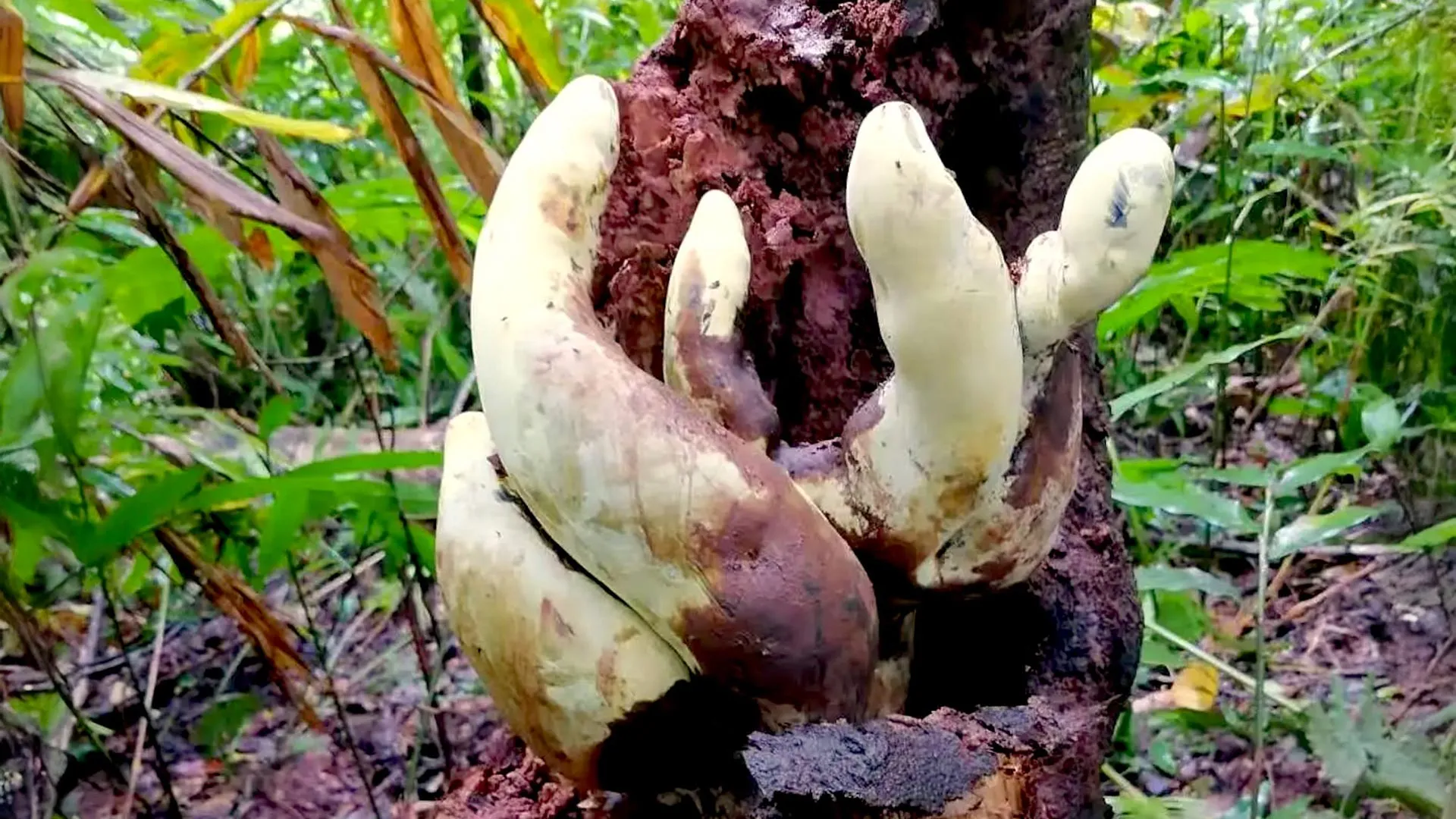
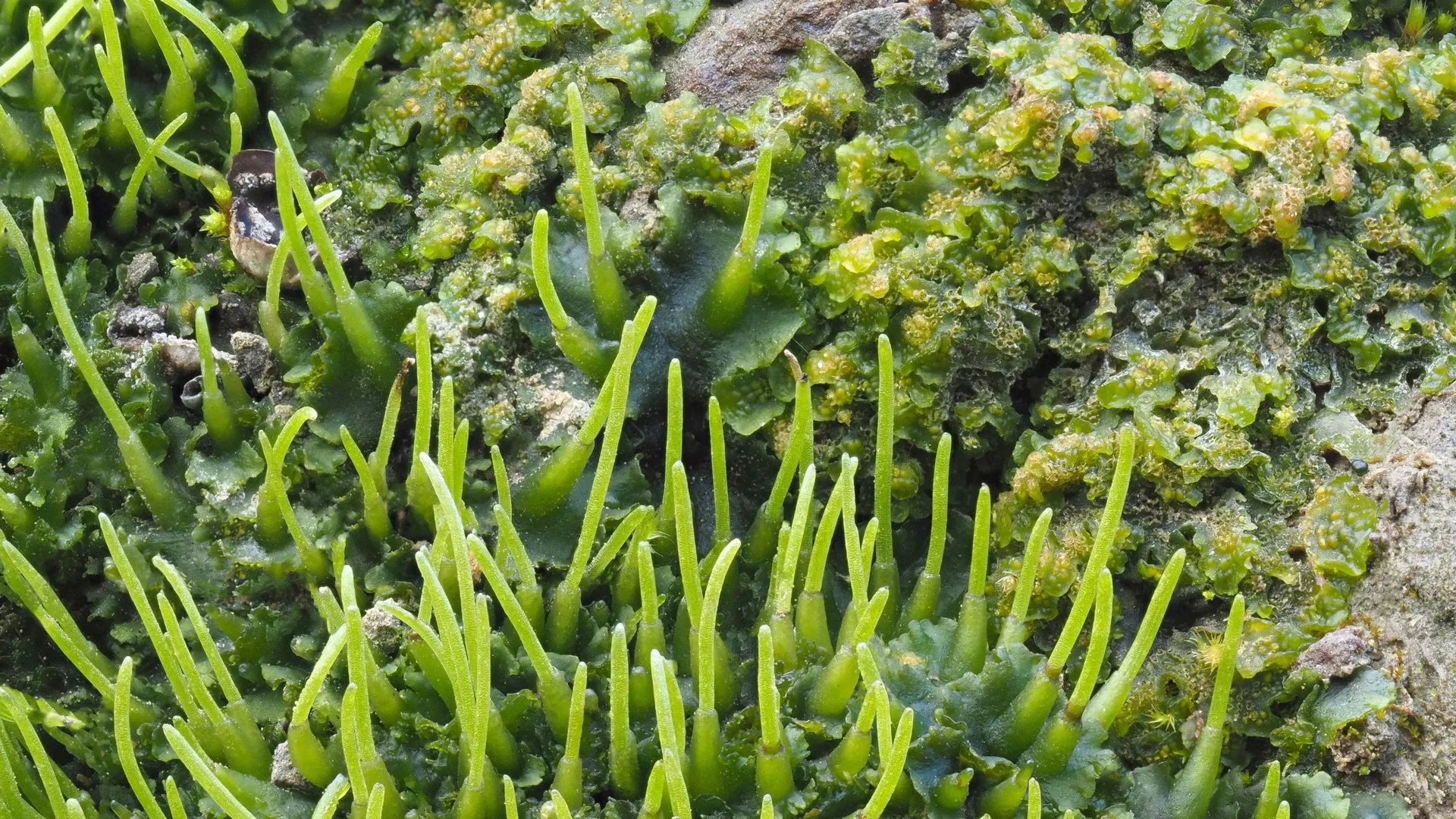
The breakthrough came from an unlikely source: hornworts. These small, non-vascular plants, often overlooked in botanical studies, represent a lineage that diverged early in the evolution of land plants. While not crops themselves, their evolutionary proximity to many important agricultural species made them an attractive subject for investigation. Crucially, hornworts were known to possess carbon-concentrating structures that bear a superficial resemblance to algal pyrenoids.
The international research team, a collaboration between the Boyce Thompson Institute (BTI), Cornell University, and the University of Edinburgh, hypothesized that hornworts might offer a more accessible pathway for introducing enhanced photosynthetic capabilities into crop plants. Their expectation was that hornworts would employ a mechanism similar to algae, likely involving specific proteins that act as scaffolds to bring Rubisco molecules together.
However, the findings revealed a radically different and far more elegant strategy. Instead of relying on external scaffolding proteins, hornworts have ingeniously evolved a modification within Rubisco itself.
"We assumed hornworts would use something similar to what algae use — a separate protein that gathers Rubisco together," said Tanner Robison, a graduate student working with Dr. Li and a co-first author of the paper. "Instead, we discovered they’ve modified Rubisco itself to do the job."
The RbcS-STAR Module: Molecular Velcro for Rubisco
The key to this novel mechanism lies in a specific component of Rubisco, known as the small subunit (RbcS). Rubisco is a complex enzyme composed of both large and small protein subunits. In hornworts, a particular version of the small subunit has evolved an additional peptide sequence, which the researchers have dubbed the "STAR" region (Signaling, Targeting, and Assembly Region).
This STAR region acts as a form of molecular Velcro. When present, it causes the RbcS proteins, and consequently the entire Rubisco enzyme complex, to self-assemble into dense, clustered structures. This clustering effectively concentrates Rubisco within specific cellular domains, mimicking the functional outcome of algal pyrenoids but achieved through an intrinsic modification of the enzyme.
The implications of this discovery are profound. The STAR region appears to be a highly adaptable and transferable module. To test this hypothesis, the researchers conducted a series of experiments designed to assess the STAR region’s functionality in different plant systems.
Demonstrating Transferability: From Hornworts to Model Plants
The first phase of validation involved introducing the RbcS-STAR component into a hornwort species that does not naturally form these concentrated Rubisco structures. The results were striking: the engineered hornworts began to exhibit Rubisco clustering, with the enzyme congregating into distinct structures, similar to those observed in their naturally evolved relatives.
Encouraged by this success, the team then moved to a more widely studied plant: Arabidopsis thaliana. This small flowering plant is a workhorse in plant biology research due to its well-understood genetics and rapid life cycle. Introducing the RbcS-STAR component into Arabidopsis chloroplasts, the cellular organelles where photosynthesis occurs, led to the same phenomenon: Rubisco proteins aggregated into dense compartments within these organelles.
Perhaps the most compelling evidence for the STAR region’s independent function came from experiments where only the STAR tail itself was fused to the native Arabidopsis Rubisco. Even in isolation, this tail was sufficient to trigger the self-assembly and clustering of the plant’s own Rubisco.
"We even tried attaching just the STAR tail to Arabidopsis’s native Rubisco, and it triggered the same clustering effect," stated Professor Alistair McCormick of the University of Edinburgh, another co-leader of the research. "That tells us STAR is truly the driving force. It’s a modular tool that can work across different plant systems." This finding underscores the universality of the STAR region’s function and its potential as a readily applicable genetic tool.
Implications for Global Agriculture: A Pathway to Super-Crops
The discovery of the RbcS-STAR mechanism opens up a realistic and potentially transformative pathway toward engineering more photosynthetically efficient crops. The ability to induce Rubisco clustering by simply introducing this single, modular genetic element could revolutionize crop improvement strategies.
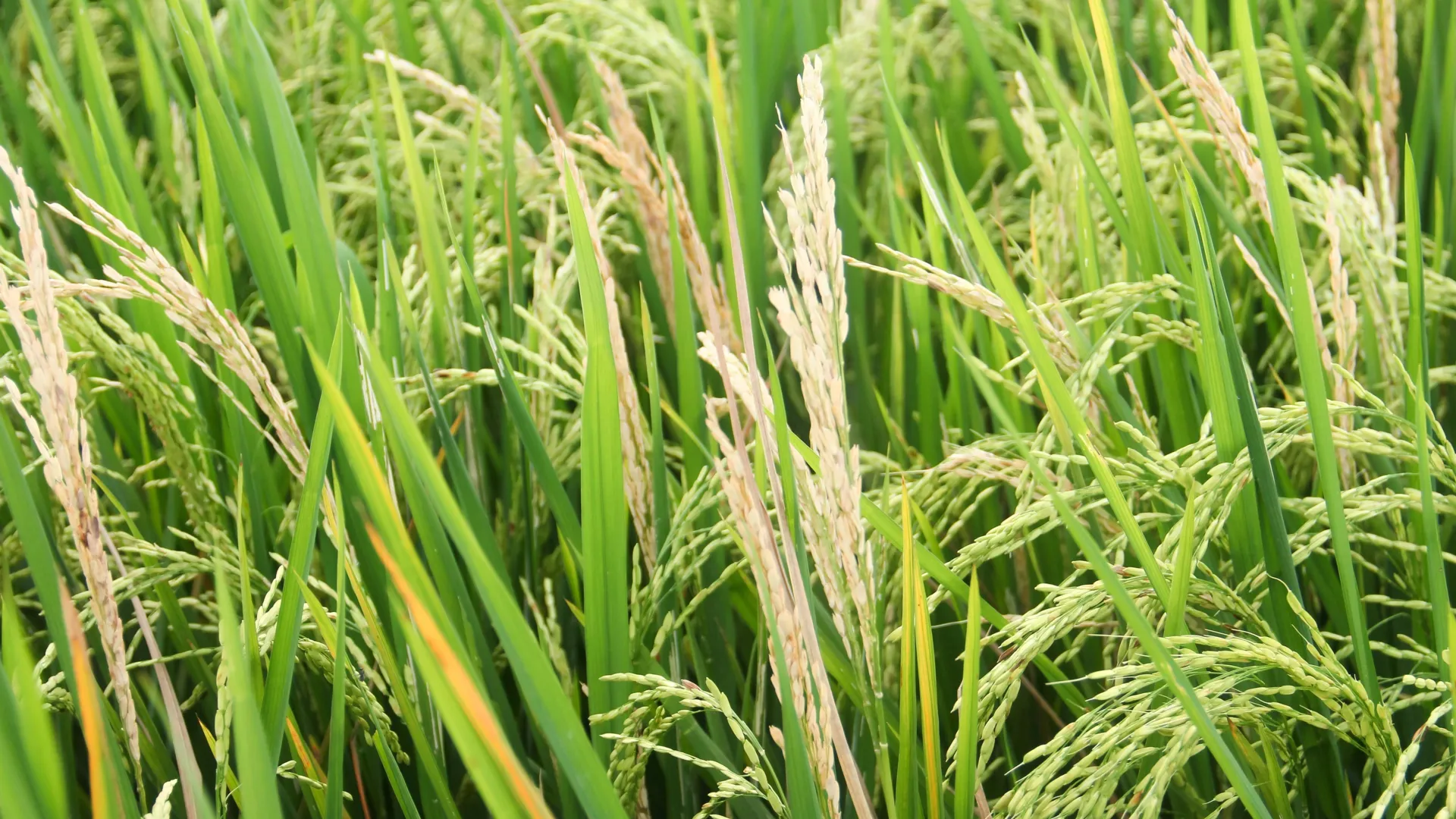
Imagine staple crops like wheat, rice, maize, and soybeans, which currently struggle with Rubisco’s inherent limitations, being equipped with this internal "Velcro." By concentrating Rubisco, plants could potentially capture more carbon dioxide and reduce wasteful photorespiration, leading to increased biomass production and higher yields.
The economic and societal benefits of such an advancement could be immense. Increased crop yields translate directly to greater food availability, potentially mitigating food shortages and reducing price volatility. This is particularly critical in the face of a rapidly growing global population, projected to reach nearly 10 billion by 2050, and the escalating challenges posed by climate change, which can disrupt agricultural systems.
Furthermore, more efficient photosynthesis could also lead to more sustainable farming practices. Crops that grow faster and produce more biomass may require less land, water, and fertilizer per unit of food produced. This could reduce the environmental footprint of agriculture, including deforestation, water depletion, and greenhouse gas emissions.
Future Directions and Remaining Hurdles
While the discovery of the RbcS-STAR mechanism represents a monumental leap forward, the researchers are quick to emphasize that this is not an immediate solution for food security. The STAR region addresses one critical aspect of Rubisco inefficiency – concentration. However, for optimal performance, plants also need an efficient system for delivering carbon dioxide to the enzyme.
"We have built a Rubisco house, but it won’t be an efficient house unless we update the HVAC," explained Dr. Laura Gunn, an Assistant Professor at Cornell University and a co-leader of the research, drawing an analogy to building infrastructure. The team is actively pursuing research to understand and engineer the carbon dioxide delivery systems in conjunction with Rubisco clustering. This may involve further genetic modifications to enhance the function of other cellular components involved in carbon transport.
The path from this fundamental discovery to commercially viable crops will likely involve several stages of rigorous research and development. This includes extensive field trials to assess the performance of engineered crops under diverse environmental conditions, regulatory approvals, and addressing potential unintended consequences. The timeline for bringing such genetically engineered crops to market can often span a decade or more.
A Testament to Nature’s Ingenuity
This research serves as a powerful reminder of the invaluable lessons that can be learned from studying the natural world. Nature, through billions of years of evolution, has already devised elegant and effective solutions to complex biological challenges.
"This research shows that nature has already tested solutions we can learn from," Dr. Li stated. "Our job is to understand those solutions well enough to apply them where they’re needed most — in the crops that feed the world."
The study’s publication in Science highlights the significance of this work. The research involved substantial contributions from four early-career scientists: Tanner A. Robison, Yuwei Mao, Zhen Guo Oh, and Warren S.L. Ang, who shared equal authorship. The corresponding authors – Laura H. Gunn, Alistair J. McCormick, and Fay-Wei Li – have spearheaded this collaborative effort, bringing together diverse expertise from leading research institutions.
This discovery is more than just a scientific curiosity; it represents a tangible step toward a future where agriculture is more productive, more resilient, and more sustainable, ensuring that humanity can meet its growing nutritional needs in harmony with the planet. The "molecular velcro" found in hornworts may well be the key to unlocking the next green revolution.