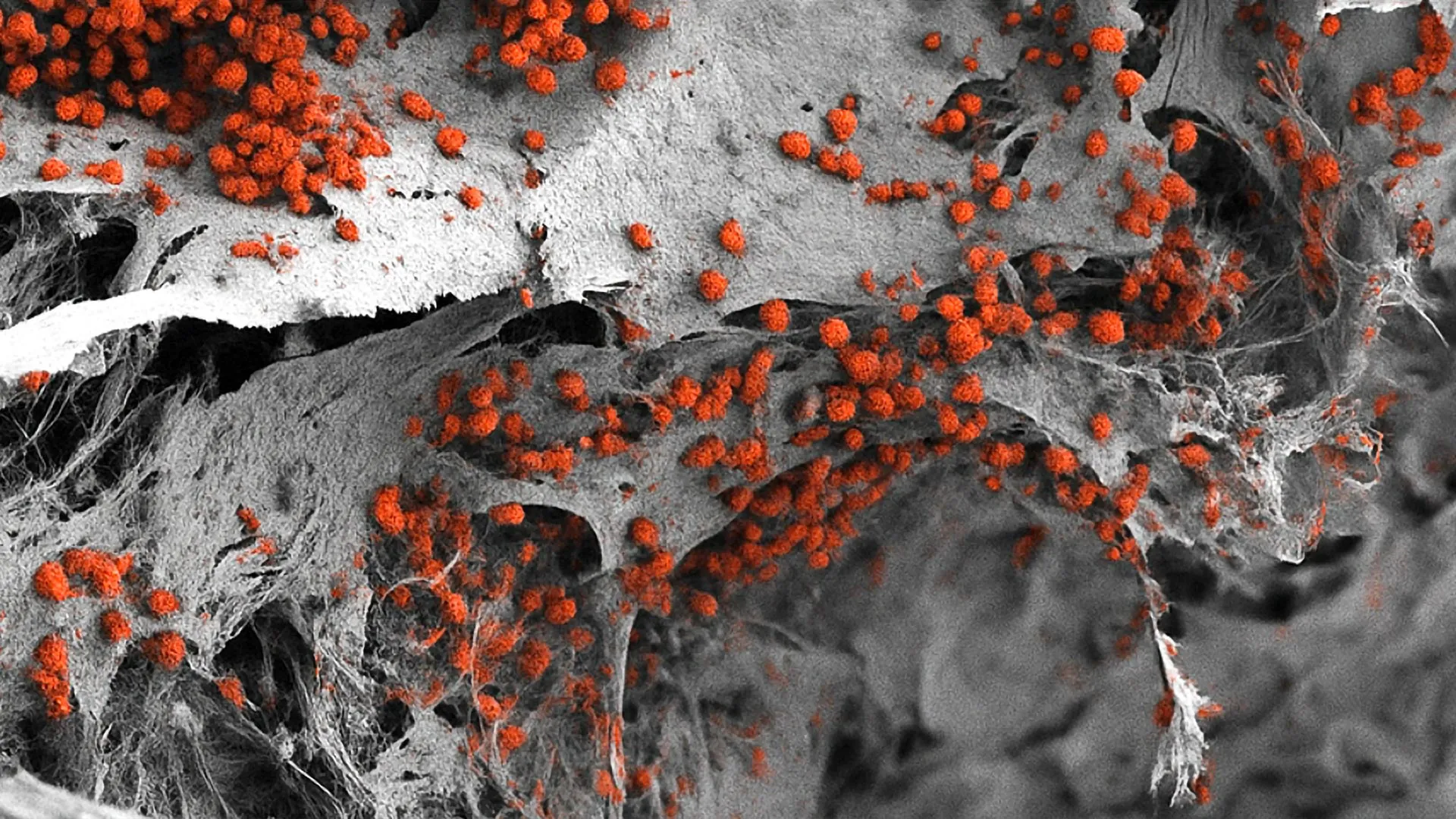
The landscape of regenerative medicine and orthopedics has been significantly advanced by the identification of Family with Sequence Similarity 102 Member A (Fam102a) as a critical protein in the maintenance of skeletal integrity. In a study published on January 2, 2025, in the journal Nature Communications, a research team led by Professor Tomoki Nakashima at the Institute of Science Tokyo (Science Tokyo) revealed that Fam102a serves as a master regulator of bone remodeling. This discovery is particularly notable because the protein influences both the formation of new bone and the resorption of old bone, a dual functionality that has long been a "holy grail" for researchers seeking to treat degenerative bone diseases like osteoporosis. By elucidating the role of Fam102a in the nuclear trafficking of essential transcription factors, the study provides a blueprint for next-generation therapeutic interventions that could stabilize bone density and prevent life-altering fractures in aging populations.
The Biological Equilibrium of Bone Remodeling
To understand the magnitude of the Fam102a discovery, one must first consider the dynamic nature of the human skeleton. Contrary to the perception of bone as a static, inorganic structure, it is a highly active living tissue that undergoes constant renewal. This process, known as bone remodeling, relies on a delicate "coupling" mechanism between two primary cell types: osteoblasts and osteoclasts. Osteoblasts are responsible for bone formation, synthesizing the dense collagen matrix and mineralizing it with calcium and phosphate. Conversely, osteoclasts are specialized cells that dissolve or "resorb" old, damaged, or unneeded bone tissue.
Under healthy conditions, the activities of these two cell types are perfectly balanced, ensuring that the total bone mass remains stable while the quality of the tissue is maintained. However, as the body ages or encounters certain hormonal shifts—such as the drop in estrogen during menopause—this balance is frequently disrupted. When bone resorption by osteoclasts outpaces bone formation by osteoblasts, the result is a systemic decrease in bone mineral density. This condition, osteoporosis, renders bones porous and brittle, leading to an estimated 8.9 million fractures annually worldwide. The discovery of Fam102a provides a new focal point for understanding how this cellular communication is governed at the molecular level.
A Chronology of Discovery: From Genetic Mapping to Molecular Interaction
The journey toward identifying Fam102a began with a comprehensive effort by Professor Nakashima’s team to map the genetic drivers of skeletal health. The research followed a rigorous multi-year timeline of experimentation, moving from broad genetic screening to specific biochemical validation.
The initial phase involved the analysis of gene expression patterns in mice that possessed specific DNA sequence variations. By observing cells that were deficient in known regulatory proteins, the researchers utilized advanced transcriptomic profiling to identify genes that were abnormally expressed. Through this large-scale data analysis, the Fam102a gene emerged as a central candidate. While previous literature had sporadically mentioned the Fam102 family, its specific role in the skeletal system remained largely enigmatic until this investigation.
Following the identification of the gene, the research moved into the laboratory-grown cell phase. Scientists manipulated the expression of Fam102a in both osteoblast and osteoclast precursor cells. They observed that when Fam102a was suppressed, the cells failed to mature or "differentiate" into their functional forms. This was the first definitive evidence that the protein was a "dual-regulator," a rare find in bone biology where most factors tend to influence only one side of the remodeling equation.
By 2024, the team transitioned to in vivo studies, developing a line of Fam102a-deficient mice. These mice served as a living model for the study’s hypotheses. The results were stark: the mice lacking the protein exhibited a phenotype almost identical to human osteoporosis, characterized by significantly reduced bone volume and a weakened microarchitecture of the trabecular bone.
Deciphering the Molecular Mechanism: The Kpna2 and Runx2 Connection
The most significant contribution of the study lies in its detailed explanation of how Fam102a exerts its influence. The research team focused on the "nuclear trafficking" of transcription factors—the process by which proteins move from the cell’s cytoplasm into the nucleus to turn specific genes on or off.
Using a co-immunoprecipitation assay—a technique used to detect physical interactions between proteins—the researchers discovered that Fam102a binds directly to Karyopherin Subunit Alpha 2 (Kpna2). Kpna2 acts as a cellular "shuttle," transporting cargo through the nuclear pore complex. In the context of bone formation, the team found that Fam102a is essential for the Kpna2-mediated transport of Runt-related transcription factor 2 (Runx2).
Runx2 is widely considered the "master switch" for bone formation; without its presence in the nucleus, osteoblasts cannot initiate the expression of Osterix, another protein vital for bone mineralization. The study demonstrated that in the absence of Fam102a, Runx2 remains "trapped" in the cytoplasm, unable to reach the DNA. This effectively halts the production of new bone. Furthermore, the researchers identified the Fam102a-Rbpjl axis, where the transcription factor Rbpjl (recombination signal binding protein for immunoglobulin κ J region-like) was found to be the most significantly downregulated factor in Fam102a-deficient cells, further cementing the protein’s role in the complex genetic hierarchy of bone development.
Supporting Data and Statistical Significance
The empirical evidence provided in the Nature Communications report is extensive. In the Fam102a knockout mouse models, Micro-Computed Tomography (Micro-CT) scans revealed a decrease in bone mineral density (BMD) of approximately 30% to 40% compared to wild-type counterparts. The structural analysis showed fewer and thinner trabeculae (the "struts" inside the bone), which directly correlates with increased fracture risk.
In the cellular assays, the researchers measured the activity of Alkaline Phosphatase (ALP), a marker of osteoblast activity. Cells lacking Fam102a showed a nearly 60% reduction in ALP activity. Conversely, when the researchers overexpressed Fam102a in these cells, they were able to rescue the phenotype, restoring the cells’ ability to mineralize. These quantitative metrics provide a robust foundation for the study’s conclusions, suggesting that Fam102a is not merely a bystander but a requirement for healthy bone metabolism.
Professional Perspectives and Clinical Implications
The dental and orthopedic communities have reacted to the findings with cautious optimism. While the study was conducted primarily in murine models and laboratory settings, the fundamental biological pathways identified are highly conserved across mammalian species, including humans.
"The identification of a factor that regulates both sides of the bone remodeling process is a major step forward," notes an independent analysis of the research implications. Currently, most osteoporosis treatments are "anti-resorptive" (stopping bone loss) or "anabolic" (building bone). A therapy that targets a master regulator like Fam102a could potentially offer a more holistic approach, synchronizing the remodeling cycle rather than just suppressing one part of it.
Professor Nakashima emphasized that the discovery of the interaction with Kpna2 is a particularly promising target for drug development. Small molecules designed to stabilize the Fam102a-Kpna2 complex or mimic the action of Fam102a could lead to the creation of "smart" drugs that specifically promote the nuclear entry of bone-forming factors.
Broader Impact on Global Health and Aging
The societal implications of this research are profound. As the global population ages, the prevalence of bone-related disabilities is expected to rise sharply. In many developed nations, the "silver tsunami" of aging citizens has led to a surge in hip fractures, which are associated with high mortality rates and permanent loss of independence.
By identifying Fam102a, Science Tokyo researchers have opened a new door for preventative medicine. If diagnostic tools can be developed to measure Fam102a activity or expression levels in humans, it may become possible to identify individuals at high risk for osteoporosis decades before their first fracture occurs. Furthermore, the research contributes to the broader field of mechanobiology, as bone remodeling is also influenced by physical stress and gravity—areas where Fam102a might also play a secondary, as-yet-undiscovered role.
Conclusion and Future Directions
The study led by Professor Nakashima represents a milestone in molecular biology. By successfully identifying Fam102a as a dual-action protein and mapping its dependency on the Kpna2 transport system, the team has solved a piece of the complex puzzle that is human skeletal maintenance.
The next phase of research will likely involve human clinical cohorts to determine if genetic polymorphisms in the FAM102A gene correlate with bone density variations in the general population. Additionally, pharmaceutical researchers will be looking to see if Fam102a can be modulated via pharmacological means without affecting other cellular processes.
As Nakashima concluded in his summary, the focus now shifts from discovery to application. "Our study sheds light on the critical molecular interactions involved in the bone remodeling process and can aid the development of innovative osteoporosis therapies." With this foundation, the medical community is one step closer to a future where "fragile bones" are a treatable, or perhaps even preventable, relic of the past.