Next-generation sequencing (NGS) has fundamentally reshaped the landscape of genomics, providing scientists with an unprecedented capacity to rapidly and cost-effectively analyze vast quantities of genetic material. This transformative technology, capable of sequencing millions of DNA fragments concurrently, has dramatically enhanced the speed, scalability, and throughput of genomic analysis. Its advent has not only deepened our understanding of intricate genetic variations and complex gene expression patterns but has also propelled a new era of biological research and medical innovation, moving beyond the limitations of predecessor technologies to unlock previously unattainable insights into life’s molecular blueprints. The widespread adoption of NGS platforms across research, clinical, and industrial sectors marks a pivotal moment in biological sciences, fostering advancements that range from personalized medicine and disease diagnostics to agricultural biotechnology and environmental monitoring. This resource delves into the revolutionary impact of NGS, examining its technological underpinnings, diverse applications, and the essential role of streamlined workflows in maximizing its potential.
The Dawn of High-Throughput Genomics: A Historical Perspective
Before the advent of NGS, the gold standard for DNA sequencing was Sanger sequencing, developed in 1977 by Frederick Sanger and his colleagues. While foundational, Sanger sequencing was a laborious, expensive, and low-throughput method, capable of reading only hundreds of base pairs per reaction. Sequencing an entire human genome using Sanger technology, as demonstrated by the Human Genome Project (HGP) completed in 2003, took over a decade and cost approximately $3 billion. This monumental effort, while revolutionary, highlighted the urgent need for more efficient and scalable sequencing technologies to move genomics from a research curiosity to a widely applicable tool.
The conceptual groundwork for high-throughput sequencing began to materialize in the late 1990s and early 2000s. Researchers began exploring methods to parallelize the sequencing process, moving away from individual fragment analysis to simultaneous sequencing of millions of fragments. This period saw the emergence of several innovative approaches, including pyrosequencing, sequencing by synthesis, and ligation-based sequencing, each aiming to overcome the inherent limitations of Sanger technology.
A Chronology of Breakthroughs in NGS
The timeline of NGS development is marked by rapid innovation and commercialization, dramatically accelerating the pace of genomic discovery:
- 2005: 454 Life Sciences launches the first commercially available NGS platform, the GS20, based on pyrosequencing. This marked a significant leap in throughput, capable of sequencing millions of bases in a single run, though with relatively short read lengths.
- 2006: Illumina (then Solexa) introduces its sequencing-by-synthesis technology, which quickly became a dominant force due to its high accuracy and even higher throughput, eventually leading to the HiSeq and MiSeq platforms.
- 2007: Applied Biosystems (later Life Technologies, now part of Thermo Fisher Scientific) enters the market with its SOLiD system, utilizing ligation-based sequencing.
- 2010: Pacific Biosciences (PacBio) introduces Single Molecule Real-Time (SMRT) sequencing, offering significantly longer read lengths by observing DNA polymerase activity in real-time. This provided crucial capabilities for resolving complex genomic regions.
- 2011: Ion Torrent (part of Life Technologies) launches its Personal Genome Machine (PGM), a semiconductor-based sequencer that detects pH changes during DNA synthesis, offering a faster and more compact sequencing solution.
- 2014: Oxford Nanopore Technologies launches its MinION device, a portable, real-time sequencing platform that uses nanopore technology to directly read DNA or RNA molecules by measuring changes in electrical current as they pass through protein pores. This marked a shift towards highly accessible and on-demand sequencing.
- Present Day: Continued advancements focus on increasing throughput, reducing costs further, improving accuracy, enabling single-cell and spatial transcriptomics, and developing ultra-long read sequencing for comprehensive genome assembly.
This rapid evolution has transformed NGS from a niche research tool into a ubiquitous technology, driving progress across diverse scientific disciplines.
Diverse Methodologies Driving Genomic Insight
The term "Next-Generation Sequencing" encompasses a variety of technologies, each with distinct advantages and disadvantages tailored for specific applications. Understanding these differences is crucial for selecting the optimal approach for a given research question.
Illumina Sequencing (Sequencing by Synthesis): This remains the most widely used NGS platform due to its high throughput, accuracy, and relatively low cost per base. It involves fragmenting DNA, ligating adapters, amplifying fragments into clonal clusters on a flow cell, and then sequentially adding fluorescently labeled reversible terminators. Each base incorporation is detected by a camera, and the terminator is then cleaved, allowing the next base to be added.
- Advantages: Extremely high throughput (trillions of bases per run), high accuracy, broad range of applications (whole genome, exome, RNA-seq, ChIP-seq).
- Disadvantages: Relatively short read lengths (typically 50-300 bp), difficulty in resolving highly repetitive regions or structural variants.
Pacific Biosciences (PacBio) SMRT Sequencing: PacBio’s technology focuses on long-read sequencing, often producing reads tens of thousands of base pairs long. It works by observing DNA polymerase activity in real-time as it synthesizes a new DNA strand on a circular template, with fluorescently labeled nucleotides.
- Advantages: Ultra-long read lengths, high accuracy (especially when using circular consensus sequencing, CCS), ability to resolve complex genomic regions, structural variants, and epigenetic modifications.
- Disadvantages: Historically higher cost per base and lower throughput compared to short-read platforms, though this is improving.
Oxford Nanopore Technologies (Nanopore Sequencing): This innovative platform directly sequences DNA or RNA molecules by passing them through a protein nanopore embedded in a membrane. As the molecule traverses the pore, it causes characteristic disruptions in the ionic current, which are detected and translated into a DNA or RNA sequence.
- Advantages: Real-time sequencing, portability (MinION), ultra-long reads (up to millions of base pairs), direct RNA sequencing, ability to detect epigenetic modifications directly.
- Disadvantages: Historically higher error rates (though continually improving), still developing robust data analysis pipelines for extremely long reads.
Ion Torrent Sequencing: Based on semiconductor technology, Ion Torrent sequencers detect hydrogen ions released during DNA polymerization. When a nucleotide is incorporated, a hydrogen ion is released, causing a pH change that is detected by a semiconductor sensor.

- Advantages: Fast sequencing speed, relatively low instrument cost, simplified workflow.
- Disadvantages: Shorter read lengths, limited scalability compared to Illumina, susceptible to homopolymer errors (difficulty accurately calling long stretches of the same base).
Each method offers a unique set of capabilities, making informed selection critical for optimizing experimental design and achieving desired outcomes in genomic research.
Supporting Data: The Unprecedented Drop in Sequencing Costs
Perhaps the most compelling evidence of NGS’s revolutionary impact is the dramatic reduction in the cost of sequencing a human genome. The Human Genome Project, completed in 2003, cost an estimated $2.7 billion. By 2007, the cost had fallen to approximately $1 million. The introduction and refinement of NGS technologies caused an exponential decline, far surpassing Moore’s Law. By 2014, the "thousand dollar genome" became a reality, and by 2020, the cost dropped even further, with some estimates putting it below $600 for raw sequencing data, and projections continue towards even lower figures. This unprecedented cost reduction has democratized access to genomic information, making large-scale population studies, routine clinical applications, and widespread research feasible.
Coupled with cost reduction, throughput has skyrocketed. Early NGS platforms could generate gigabases of data per run; modern high-throughput sequencers can produce terabases (trillions of bases) in a single run, equating to hundreds of human genomes. This allows researchers to sequence thousands of samples in parallel, enabling statistical power previously unimaginable for identifying subtle genetic variations linked to complex diseases or traits.
Broadening Impact and Implications Across Disciplines
The implications of NGS extend far beyond basic research, permeating numerous fields with transformative potential:
- Precision Medicine and Clinical Diagnostics: NGS is at the forefront of personalized healthcare. It enables comprehensive genetic profiling for cancer patients, guiding treatment decisions based on tumor mutations (e.g., identifying targets for specific therapies like EGFR inhibitors). In rare disease diagnostics, whole exome or whole genome sequencing can identify causative mutations in patients who have endured years of undiagnosed conditions, offering hope for targeted interventions. Non-invasive prenatal testing (NIPT), which analyzes cell-free fetal DNA from maternal blood, has revolutionized prenatal screening for chromosomal abnormalities like Down syndrome, offering a safer and more accurate alternative to traditional invasive methods. Pharmacogenomics, the study of how genes affect a person’s response to drugs, uses NGS to predict drug efficacy and adverse reactions, optimizing prescriptions.
- Drug Discovery and Development: Pharmaceutical companies leverage NGS to identify novel drug targets, understand disease mechanisms, and predict patient response to experimental therapies. By analyzing gene expression changes in response to drug candidates, researchers can refine drug development pipelines and reduce costly failures.
- Infectious Disease Surveillance and Epidemiology: NGS has become an indispensable tool for tracking pathogens. During outbreaks, rapid sequencing of viral (e.g., SARS-CoV-2, Ebola, Zika) or bacterial (e.g., antibiotic-resistant strains) genomes allows public health officials to monitor pathogen evolution, identify transmission chains, and inform vaccine and therapeutic development. This was critically demonstrated during the COVID-19 pandemic, where global sequencing efforts mapped the emergence and spread of new variants in near real-time.
- Agriculture and Food Security: In agriculture, NGS assists in breeding crops with enhanced yield, disease resistance, and nutritional value. By sequencing plant and animal genomes, scientists can identify beneficial traits and accelerate selective breeding programs. It also aids in detecting foodborne pathogens and authenticating food products.
- Environmental Science and Biodiversity: Metagenomics, the sequencing of DNA from entire environmental samples (soil, water, gut microbiomes), allows researchers to characterize microbial communities without culturing individual species. This provides insights into ecosystem function, bioremediation potential, and the impact of environmental changes on biodiversity.
- Ethical, Legal, and Social Implications (ELSI): The widespread availability of genomic information raises significant ethical questions. Issues such as data privacy, potential for genetic discrimination (though often protected by legislation like GINA in the US), informed consent for genomic data sharing, and the implications of predictive genetic testing require careful consideration and robust policy frameworks. Public education and ongoing dialogue are essential to navigate these complex societal challenges.
The Critical Role of Workflow Streamlining and Automation
While NGS technologies have dramatically improved throughput and reduced costs, the process from sample to data remains complex and labor-intensive. An NGS workflow typically involves multiple stages: sample preparation (DNA/RNA extraction, quality control), library preparation (fragmentation, adapter ligation, amplification), sequencing on an instrument, and finally, bioinformatics analysis. Each step requires precision, consistency, and often, specialized equipment.
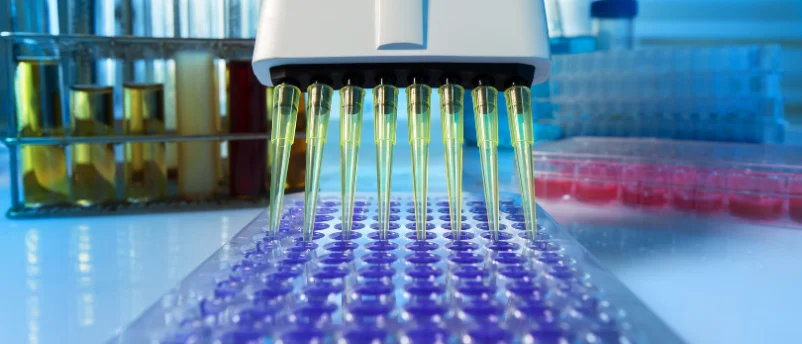
Manual processes in these workflows are prone to human error, variability, and can become bottlenecks, especially in high-throughput settings. This is where automation and advanced laboratory solutions become indispensable. Companies like INTEGRA Biosciences play a crucial role in addressing these challenges by providing tools that streamline NGS workflows. Their solutions, which include precise liquid handling systems, electronic pipettes, and automated plate washers, are designed to:
- Enhance Reproducibility: Automated liquid handling minimizes variability introduced by manual pipetting, ensuring consistent results across samples and experiments.
- Increase Throughput: Robotic systems can process hundreds of samples simultaneously, drastically reducing hands-on time and accelerating turnaround times.
- Reduce Human Error: Automation eliminates the risk of pipetting mistakes, cross-contamination, and other errors common in manual workflows.
- Improve Data Quality: Consistent sample and library preparation directly translates to higher quality sequencing data, leading to more reliable and interpretable results.
- Optimize Reagent Usage: Precise liquid handling can reduce reagent waste, contributing to cost efficiency.
Lab managers and researchers are continually seeking innovative solutions to optimize their NGS processes. The ability to integrate reliable, high-performance laboratory equipment into existing workflows is paramount for maximizing the efficiency and scientific output of NGS experiments. Testimonials and application notes from users highlight how such solutions enable researchers to focus more on data interpretation and scientific discovery rather than repetitive manual tasks, thereby accelerating the pace of genomic research.
Official Responses and Future Outlook
The scientific community and industry stakeholders universally acknowledge the transformative power of NGS. Leading genomic consortia, governmental funding bodies, and biotechnology companies continue to invest heavily in advancing NGS capabilities. Initiatives like the "All of Us" Research Program in the United States, aiming to collect health data from one million people including whole genome sequencing, underscore the commitment to leveraging NGS for population-scale health insights.
Industry leaders frequently emphasize the ongoing drive for even lower costs, higher accuracy, and greater accessibility. Dr. Francis Collins, former Director of the National Institutes of Health, has often spoken about the profound impact of genomics on medicine, stating that "genomics is moving from the lab to the clinic at an ever-increasing pace, offering unprecedented opportunities for diagnosis, treatment, and prevention of disease." Researchers at institutions like the Broad Institute and Sanger Institute consistently publish advancements, pushing the boundaries of what NGS can achieve, from single-cell analysis to spatial genomics, which maps gene expression within tissues.
The future of NGS promises further integration with artificial intelligence and machine learning for data analysis, enabling more sophisticated interpretation of vast genomic datasets. Miniaturization and point-of-care sequencing will continue to expand, bringing genomic analysis closer to the patient or field researcher. As the technology matures, addressing the ethical and social implications will remain a critical ongoing dialogue, ensuring that the benefits of genomic insights are realized responsibly and equitably across society.
In conclusion, Next-Generation Sequencing represents a monumental leap in our ability to understand the fundamental code of life. Its journey from an ambitious scientific endeavor to a routine laboratory tool has been characterized by breathtaking technological innovation and a profound impact across nearly every facet of biology and medicine. Supported by robust laboratory infrastructure and continuous workflow optimization, NGS will undoubtedly continue to unravel the complexities of genomes, driving discoveries that reshape our understanding of health, disease, and the very fabric of life itself. This ongoing revolution is poised to deliver increasingly precise and impactful solutions for the grand challenges facing humanity.