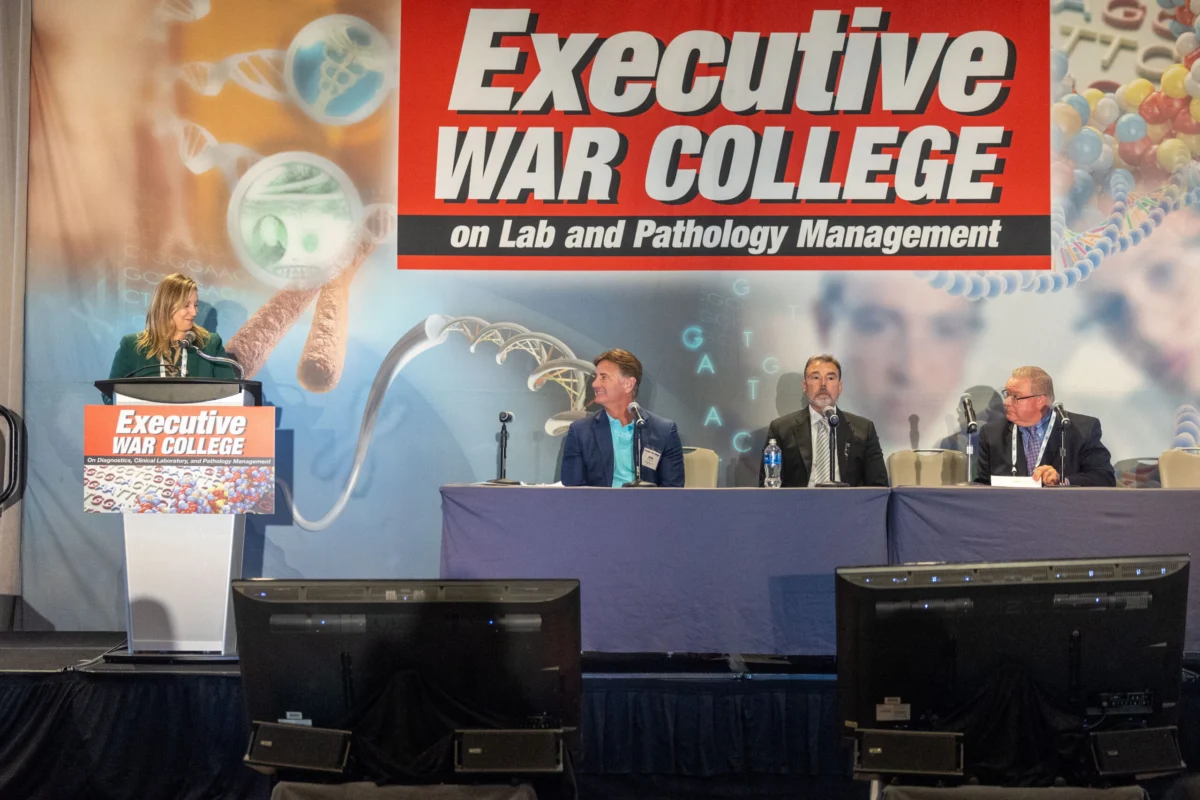
The 31st Annual Executive War College on Diagnostics, Clinical Laboratory, and Pathology Management is poised to convene clinical laboratory and pathology leaders in New Orleans from April 28 to 29, offering a crucial platform for addressing the most profound challenges and transformative opportunities shaping the diagnostic industry. This year’s iteration, building on a three-decade legacy of practical insights, places a significant emphasis on equipping attendees with execution-focused strategies designed to navigate the complex interplay of financial performance, workforce development, regulatory compliance, and the accelerating integration of cutting-edge technologies. The event’s commitment to delivering actionable intelligence underscores its enduring relevance in a healthcare landscape undergoing rapid evolution.
A Legacy of Leadership and Adaptation: The Executive War College Through the Years
For over three decades, the Executive War College has served as a cornerstone event for laboratory and pathology management, consistently adapting its curriculum to reflect the dynamic shifts within the diagnostics industry. Established with the vision of providing a strategic forum beyond purely scientific conferences, the War College has historically focused on the operational, financial, and leadership aspects critical to running successful and sustainable laboratory enterprises. Its longevity speaks to the persistent need for executive-level guidance in an sector characterized by technological innovation, stringent regulatory oversight, and persistent economic pressures.
From its early days, which often focused on the implications of managed care and the rise of commercial laboratory networks, the Executive War College has evolved to tackle successive waves of industry transformation. In the late 1990s and early 2000s, discussions centered on the advent of molecular diagnostics and the complexities of genetic testing. More recently, the focus has broadened to include the challenges of precision medicine, the imperative of data integration, and the critical need for robust cybersecurity. The 31st Annual event is a testament to this continuous adaptation, prominently featuring themes that directly address the most pressing contemporary issues, notably the pervasive workforce crisis and the revolutionary potential of digital pathology and artificial intelligence. This chronological evolution highlights the War College’s role not just as a conference, but as a barometer and guide for the future direction of clinical diagnostics.
Navigating the Digital Frontier: The Inaugural Executive Forum on Digital Pathology Management
A pivotal new addition to the 2026 program is the inaugural Executive Forum on Digital Pathology Management. This dedicated session signifies a profound recognition of digital pathology’s transformative potential and its increasingly critical role in modern diagnostics. The forum is designed to be an immersive and collaborative experience, delving into the intricacies of digital workflows, the strategic implementation of artificial intelligence (AI), and the seamless integration of data across various platforms.
Digital pathology, which involves the digitization of glass slides for viewing, analysis, and management on a computer screen, is rapidly moving from niche application to mainstream adoption. Industry reports indicate that the global digital pathology market is projected to reach approximately $1.5 billion by 2028, growing at a compound annual growth rate (CAGR) of over 12%. This growth is driven by several factors, including the increasing demand for faster and more accurate diagnoses, the rise of telehealth and remote pathology services, and the inherent advantages of digital platforms in facilitating collaboration and consultation among specialists worldwide.
The forum will highlight real-world implementation strategies, offering attendees practical insights into overcoming the inherent challenges of adopting these new technologies. Key discussion points will include navigating the substantial upfront investment in hardware and software, ensuring interoperability with existing laboratory information systems (LIS) and electronic health records (EHR), managing vast amounts of digital data, and addressing the training needs of pathologists and laboratory staff. Furthermore, the integration of AI-powered algorithms for image analysis, quantitative measurements, and even preliminary diagnostic assistance represents a paradigm shift. These AI tools promise to enhance diagnostic accuracy, reduce turnaround times, and alleviate some of the workload burden on pathologists, thereby improving patient care outcomes. The Executive Forum aims to provide attendees with an actionable roadmap, demonstrating how to leverage these innovations to optimize laboratory operations, improve diagnostic efficiency, and ultimately, elevate patient care.
Addressing the Persistent Workforce Crisis: Strategies for Sustainable Staffing
The perennial challenge of workforce development continues to dominate discussions within the laboratory industry, and the 2026 Executive War College will again dedicate substantial attention to this critical issue. The shortage of qualified medical laboratory professionals—including medical technologists, histotechnologists, and cytotechnologists—has reached alarming levels across the United States and globally. Data from professional organizations such as the American Society for Clinical Pathology (ASCP) consistently highlight vacancy rates exceeding 7% for medical technologists and even higher for specialized roles, with a significant portion of the existing workforce nearing retirement age. This demographic shift, coupled with an insufficient pipeline of new graduates and increasing demand for diagnostic testing, creates immense pressure on laboratories.
The 2025 Executive War College provided numerous innovative approaches to staffing, many of which remain highly relevant. For instance, The Dark Report extensively covered a presentation by Jennifer Fralick, Vice President of Anatomic Pathology and Clinical Laboratories at Stanford Health Care. Fralick underscored how leading clinical laboratories are proactively addressing severe staffing shortages by focusing on robust internal talent development. Her presentation detailed the implementation of structured career ladders, comprehensive training programs, and smarter staffing models designed to shift routine tasks away from highly licensed professionals to support staff or automation. These strategies are not merely stop-gap measures; they aim to improve overall efficiency, mitigate professional burnout, and, crucially, build sustainable, long-term workforce pipelines that reduce reliance on costly external hiring and agency staff. The continued relevance of these strategies is emphasized by Fralick’s return to this year’s event, where she will delve into an AI playbook specifically tailored for laboratories, demonstrating how technology can further augment human capital.

Attendees at the 2026 conference can anticipate updated solutions and advanced strategies for recruiting, retaining, and developing a skilled laboratory workforce. Discussions will likely include innovative educational partnerships, mentorship programs, strategies for promoting diversity and inclusion, and leveraging automation and digital tools to enhance productivity and job satisfaction, thereby making laboratory careers more attractive and sustainable.
Optimizing Financial Performance in a Challenging Reimbursement Landscape
Financial pressures remain a formidable challenge for clinical laboratories, making robust financial performance and astute reimbursement strategies paramount. The diagnostic industry operates within a complex reimbursement environment, characterized by fluctuating payer policies, increasing scrutiny from regulatory bodies, and persistent downward pressure on rates. The Protecting Access to Medicare Act (PAMA), for example, has significantly impacted Medicare reimbursement for many common laboratory tests, forcing labs to find efficiencies and diversify revenue streams.
The Executive War College agenda consistently features sessions dedicated to navigating these financial complexities. Attendees will gain insights into optimizing revenue cycle management, implementing effective cost-containment strategies, understanding the intricacies of laboratory billing and coding, and demonstrating the value of laboratory services to payers and integrated healthcare systems. The focus is on practical, execution-oriented approaches that allow laboratory executives to maintain financial stability while continuing to invest in necessary technology and staff. This includes strategies for negotiating payer contracts, identifying new service lines, and leveraging data analytics to pinpoint areas of financial leakage and opportunity. The goal is to provide leaders with the tools to not only survive but thrive in a landscape where every dollar counts.
Ensuring Compliance and Quality: Mitigating Risk in the Regulatory Maze
Compliance and quality assurance are non-negotiable pillars of laboratory operations, and the Executive War College dedicates significant attention to guiding leaders through the intricate web of regulatory requirements. Laboratories must adhere to a vast array of federal, state, and local regulations, including those from CLIA (Clinical Laboratory Improvement Amendments), CAP (College of American Pathologists), FDA (Food and Drug Administration), and HIPAA (Health Insurance Portability and Accountability Act). The financial and reputational penalties for non-compliance can be severe, underscoring the critical need for robust quality management systems and an ongoing commitment to regulatory vigilance.
Healthcare attorney Elizabeth Sullivan of McDonald Hopkins, a recurring and highly valued speaker, will return to the 2026 conference for two sessions, offering expert guidance on legal and compliance matters. Her contributions are vital for helping attendees understand the latest regulatory changes, navigate complex legal challenges, and implement best practices to minimize risk.
A particularly critical area of focus, highlighted by last year’s presentation from Shashirekha Shetty, PhD, Professor in the Department of Pathology at Case Western University, is the prevention of pre-analytical errors. Dr. Shetty’s research and insights reveal that up to 70% of all laboratory errors occur during the pre-analytical phase. These errors, which can range from incorrect test orders and improper sample collection or handling to inadequate patient preparation and poor communication between clinicians and the laboratory, pose a major risk to patient care and significantly undermine lab efficiency and credibility. Dr. Shetty emphasized that laboratories must assert full ownership of this phase by implementing stringent standardized workflows, strengthening training programs for both lab staff and clinical partners, and embedding pre-analytic quality checks into their overall quality management systems. This proactive approach is essential for reducing diagnostic errors, improving patient safety, and enhancing the overall reliability of laboratory results. The 2026 program will undoubtedly build upon these insights, offering updated strategies for comprehensive quality management and regulatory readiness.
The Broader Impact: Shaping the Future of Diagnostic Medicine
The Executive War College’s comprehensive agenda, with its nearly 80 sessions and around 150 distinguished speakers, is meticulously designed to equip attendees with practical tools, real-world case studies, and operational playbooks. The convergence of these critical themes — from the strategic adoption of digital pathology and AI to innovative solutions for workforce shortages, astute financial management, and unwavering compliance — underscores the event’s profound impact on the broader healthcare ecosystem.
For patient care, the implications are significant. Enhanced diagnostic accuracy through AI, faster turnaround times facilitated by digital workflows, and reduced errors stemming from improved pre-analytical processes all contribute to more timely and effective medical interventions. For the healthcare system at large, the operational efficiencies gained from smarter staffing models and optimized financial strategies can lead to substantial cost savings and better resource allocation, ultimately strengthening the resilience and sustainability of diagnostic services. For laboratory professionals, the emphasis on talent development and the integration of new technologies mean opportunities for upskilling, career advancement, and adapting to evolving roles, ensuring the profession remains dynamic and attractive.
The Executive War College continues to serve as an indispensable forum for laboratory executives, providing not just information, but actionable roadmaps to navigate the intricate pressures of financial constraints, escalating regulatory scrutiny, and the relentless pace of technological change. As the industry stands on the cusp of further transformation, the insights and connections forged at this annual event are more critical than ever, propelling diagnostic medicine forward and ensuring its pivotal role in delivering high-quality patient care.