In a groundbreaking study, researchers have achieved a significant milestone in synthetic biology, demonstrating for the first time that functional nervous systems can spontaneously form within self-organized living cellular robots. These novel entities, dubbed "neurobots," exhibit complex movement patterns and distinct gene expression profiles, marking a transformative step in the field of bio-robotics. This pioneering research, led by teams at the Wyss Institute for Biologically Inspired Engineering at Harvard University, Tufts University, and the University of Vermont, promises profound implications for regenerative medicine, evolutionary biology, and the development of entirely new forms of biological machines with programmable functions.
The Genesis of Bio-Robotics: A Foundation Laid by Xenobots
The journey toward neurobots began with the development of "biobots," tiny, self-powered living robots meticulously constructed from frog embryonic cells. These initial variants, famously known as Xenobots, were first unveiled by the laboratories of Wyss Institute Associate Faculty member and Tufts University Professor Michael Levin, in collaboration with researchers at the University of Vermont. Unlike traditional robots made of metal or plastic, Xenobots are entirely biological, capable of autonomous movement through aqueous environments. Their unique composition and inherent biological properties have made them a fascinating subject of study, pushing the boundaries of what is considered a "robot."
Since their inception, the research team has continually expanded the understanding of biobots’ remarkable capabilities. Early discoveries highlighted their inherent motility, driven by microscopic cilia on their surfaces. Subsequent studies revealed even more astonishing properties, including kinematic self-replication—the ability to assemble copies of themselves from loose cells—and responsiveness to external stimuli such as sound. These advancements underscored the incredible plasticity of biological cells and their capacity to reorganize into novel functional structures when removed from their usual developmental context.
The vision for bio-robotics quickly expanded beyond frog cells. The successful construction of "Anthrobots" from human cells demonstrated the potential for patient-specific biological robots. Critically, Anthrobots have shown the ability to heal neural wounds in vitro, offering a tantalizing glimpse into future therapeutic applications. The overarching goal is to harness these cellular robots, made from a patient’s own cells to avoid immune rejection, for a myriad of tasks within the human body. This includes repairing damaged spinal cord or retinal nerves, clearing arterial plaques, precisely delivering pro-regenerative drugs to specific sites, and performing other intricate biomedical interventions. The potential for personalized, in-body biological repair mechanisms represents a significant paradigm shift in medicine.
Professor Levin emphasized the deeper, more fundamental scientific questions that these novel biological entities address. "Such novel beings, exhibiting both new morphology and behavior, despite their wild-type unmodified genome, can reveal important aspects of multicellular plasticity, of relevance to evolutionary biology, bioengineering and regenerative medicine," Levin explained. "They uniquely enable us to investigate questions like ‘What is the origin of anatomical and physiological properties in living forms that have no history of selection for those traits?’ and ‘What determines the range of possible forms, functions and lifestyles that a given genome can facilitate?’" These inquiries delve into the very essence of life’s adaptability and the latent potential within genetic blueprints.
The Missing Link: A Nervous System for Enhanced Autonomy
Despite their impressive array of capabilities and the profound insights they offered into biological organization, biobots, including Xenobots and Anthrobots, had one crucial feature missing: a dedicated nervous system. In complex organisms, nervous systems are the command and control centers, enabling sophisticated behaviors, sensory perception, and coordinated actions. The absence of such a system inherently limited the complexity of behaviors biobots could exhibit, confining them largely to basic, pre-programmed or self-organized movements driven by their ciliary structures. A nervous system, it was hypothesized, could unlock entirely new behavioral phenotypes and significantly enhance their functional repertoire, moving them closer to truly autonomous biological machines.
The Birth of Neurobots: Integrating Neural Precursors
Now, Levin’s team has made a monumental leap, successfully creating the first "neurobots." This groundbreaking achievement involved integrating neuronal precursor cells into the developing biobots, effectively endowing them with a nascent nervous system. The study, published in Advanced Science, details how these novel types of nervous systems self-organize within the neurobots, with neuronal processes extending between neurons and toward non-neuronal cells lining the bots’ surfaces.
The integration was achieved using a sophisticated micro-surgical technique. The neuronal processes were observed to connect with various target cells that are critical for the biobots’ existing functions. These include multiciliated cells (MCCs), which are responsible for the biobots’ motility through rhythmic beating; mucus-secreting goblet cells, which facilitate ciliary beating among other functions; ionocytes, which regulate ion balance; and small secretory cells that produce MCC-stimulating molecules. The spontaneous formation of these neural networks within a completely novel biological context is a testament to the inherent organizational capabilities of living cells.
Haleh Fotowat, the first author of the study and a Senior Scientist at the Wyss Institute, spearheaded the development of neurobots alongside Levin. She commented on the transformative impact of this integration: "Importantly, integration of a nervous system reshapes neurobot shape (morphology) and function. Relative to biobots, neurobots are more elongated, exhibit distinct MCC expression patterns, display increased activity, more complex spontaneous behaviors and undergo substantial changes in global gene expression." These observations indicate that the nervous system is not merely an addition but an integral component that profoundly influences the neurobots’ overall biology and capabilities.
Levin further elaborated on the fundamental questions addressed by this work: "This all plays into very fundamental questions that we asked with Haleh at the beginning, namely can a nervous system develop at all in a completely novel context that is not the product of millions of years of natural selection and, if yes, how does it relate to and function within this synthetic biological environment, or even change and augment its responses and behaviors." Finding answers to these intricate questions carries immense implications, not just for fundamental neuroscience, but also for the advanced bioengineering of organs and tissues, and the creation of entirely novel biological entities with precisely programmable functions.
The Neurobot Construction Protocol: A Step-by-Step Insight
To construct these unprecedented neurobots, the research team meticulously developed an experimental procedure that involved implanting neuronal precursor cells into biobots during the crucial initial minutes of their formation. The foundational material for biobots comes from undifferentiated skin tissue excised from embryos of the frog species Xenopus laevis. This particular amphibian has been a cornerstone of developmental and cell biology research for decades, facilitating countless fundamental discoveries due to its robust and well-understood embryonic development.
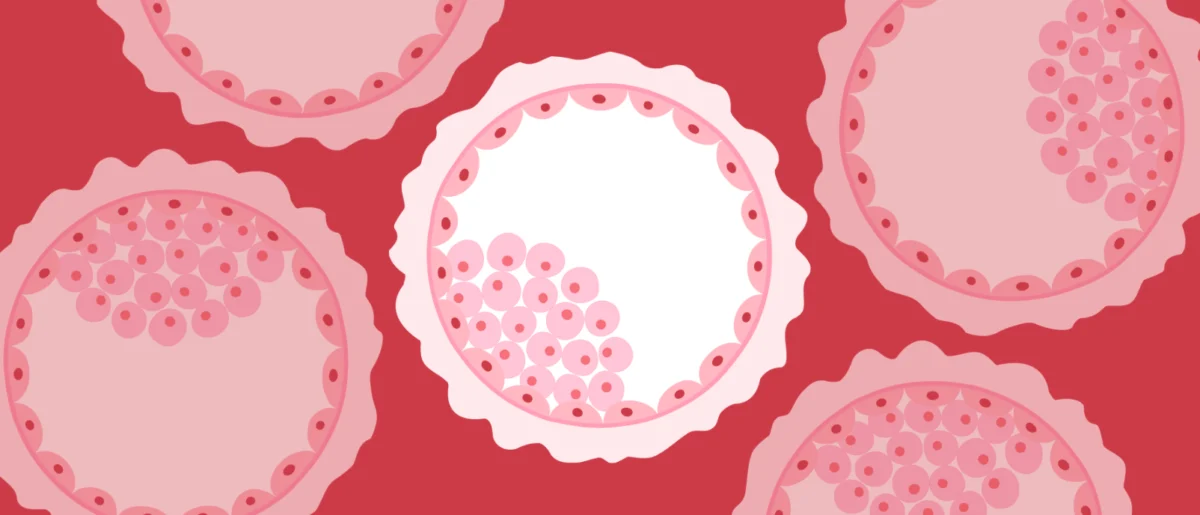
The construction process begins with the excised Xenopus tissue, which naturally undergoes a remarkable 30-minute healing period. During this brief window, the tissue morphs from a bowl-like structure into a spherical form. This rapid self-organization provides a critical opportunity for intervention. Researchers utilized this precise transition phase to introduce undifferentiated neuronal precursor cells into the interior of the healing biobots. These precursor cells were carefully derived from a separate set of donor Xenopus embryos, ensuring a supply of cells with the inherent capacity to develop into various neuronal types.
Following the micro-surgical implant procedure, the biobot-typical spherical structures continued to form, and within approximately one day, the implanted cells were completely healed within the host tissue. A day later, multiciliated cells (MCCs) began to emerge and differentiate at the surface of these newly formed neurobots. It was shortly after this point that the newly minted neurobots began to exhibit their characteristic "dance" and movement, signaling the onset of their unique behaviors powered by their internal organization.
Fotowat confirmed the success of the neural integration, stating, "The implanted neuronal precursor cells differentiated into mature neurons with defined cell bodies and axonal and dendritic projections. They connected to one another and extended processes to cells at the surface of the neurobot." She underscored the extraordinary nature of this development: "This all happened spontaneously in a completely novel biological context that we created, one that was different from the way the nervous system normally develop in frogs." This spontaneous, context-independent neural development is a profound observation, challenging conventional understanding of how complex biological systems organize.
Neural Empowerment: Unpacking Enhanced Motility and Behavior
The observation of neuronal development within neurobots immediately spurred a series of crucial questions, particularly concerning their most distinguishing feature: the ability to move freely. Researchers were keen to ascertain whether the newly integrated nervous system had an impact on the neurobots’ motility, either by directly or indirectly stimulating higher ciliary beating frequencies of the MCCs.
Indeed, the findings were striking. Neurobots exhibited a more elongated shape compared to their non-neuronal biobot counterparts. More significantly, they tended to move more actively, displaying an increased overall level of activity. Perhaps most intriguing was the observation of more complex spontaneous movement patterns. These patterns differed considerably from one neurobot to another, yet individual neurobots often exhibited repeated motifs of motion, suggesting a level of internal coordination and behavioral consistency previously unseen in biobots. This complexity points towards a rudimentary form of decision-making or directed behavior, a hallmark of nervous system function.
Investigating Neural Influence: Drug Response and Complex Behaviors
To further investigate how neural activity might influence these spontaneous movement patterns, the researchers designed an experiment using a pharmacological agent. They treated both neurobots and non-neuronal biobot controls with pentylenetetrazole, a drug known to trigger seizures in animals. Pentylenetetrazole achieves this by inhibiting GABAA (Gamma-aminobutyric acid-type A) receptors, which are crucial for dampening neuronal activity. By blocking these inhibitory receptors, the drug effectively shifts neuronal activity into overdrive.
The results of this experiment yielded unexpected insights. To the researchers’ surprise, pentylenetetrazole treatment made the non-neuronal biobots less motile. This finding suggested that the drug could impact the non-neuronal outer body cells in biobots, which are structurally identical to those making up the body of neurobots, leading to a decrease in their propulsive function.
In contrast, neurobots displayed a more nuanced and complex response. Depending on the individual neurobot, the drug treatment could either increase or decrease their movement complexity. Fotowat elaborated on this intriguing outcome: "This finding suggested that at least in some neurobots, removing inhibition can lead to increased activity, which should have overwritten the decreased activity observed in biobots, as neurobots are biobots plus neurons." This differential response indicates a sophisticated interplay between the newly formed nervous system and the existing non-neuronal cells. The nervous system in neurobots appears to exert a modulatory effect, potentially overriding or modifying the direct impact of the drug on the surface cells. Fotowat emphasized the need for future research: "Dissecting how this happens, what the identities of the neurons are and how neuronal activity affects target cell types on the neurobot surface, will be part of an exciting much deeper future investigation." This line of inquiry will be critical to fully understanding the control mechanisms at play.
Genetic Footprints: Unexpected Visual System Development
As an entry point into these complex questions and others, the team undertook a comprehensive analysis of the gene expression programs of neurobots, comparing them with those of biobots and additional non-neuronal control bots (shams) made with undifferentiated implanted cells. These comparisons provided a molecular snapshot of the changes induced by the presence of a nervous system.
As anticipated, the analysis revealed that the expression of many genes was significantly upregulated in neurobots compared to both biobots and shams. Predictably, a substantial number of these upregulated genes were those known to be important for the development and function of the nervous system. This confirmed that the implanted precursor cells were indeed differentiating into functional neuronal tissues and activating the associated genetic pathways.
However, a much more surprising and profound discovery emerged from this genetic profiling. Among the upregulated genes, a large and significant group encoded key components of the molecular machinery required for developing the visual system in the eyes of Xenopus frogs, and for enabling the perception and processing of visual stimuli. This was an entirely unexpected finding, given that neurobots were not designed to develop eyes or sensory organs.
Levin noted the immense implications of this observation: "Although we have to validate these observations on the level of proteins, and map them across individual cells, they could mean that some kind of visual system may be developing in neurobots." If this hypothesis is confirmed at the protein level and across individual cells, the possibilities are vast. "If so, they could display visually-evoked behaviors such as light-controlled motility, which could be a powerful way to guide their behavior for useful applications, and learn about the evolutionary origin of behavioral competencies," Levin added. The ability to control neurobot behavior with light would be a monumental step towards truly programmable biological machines. Assessing the presence of light- and other sensory-evoked behaviors in neurobots is identified as an important next step, promising to unlock even more sophisticated interactions with their environment.
A New Frontier in Biomedical Research
The creation of neurobots represents a scientific achievement that challenges established paradigms and opens up unprecedented avenues for research and application. Donald Ingber, Founding Director of the Wyss Institute, aptly summarized the significance of these developments. "Biobots, and now neurobots, are the kind of advances that defy scientific thinking and all previously existing paradigms," Ingber remarked. "They present a new frontier in biomedical research with potential for gaining insights into fundamental biology and developing solutions to problems in medicine that can’t even be fathomed yet."
Ingber, who is also the Judah Folkman Professor of Vascular Biology at Harvard Medical School and Boston Children’s Hospital, and the Hansjörg Wyss Professor of Biologically Inspired Engineering at Harvard John A. Paulson School of Engineering and Applied Sciences, highlights the multifaceted impact of this research. Beyond the immediate applications in regenerative medicine and drug delivery, neurobots offer a unique platform to explore fundamental questions about developmental biology, self-organization, and the origins of complex behaviors in living systems. The ability to engineer and study basic nervous system formation outside of its natural context provides unparalleled opportunities for discovery.
This research underscores the Wyss Institute’s mission to bridge the gap between biological discovery and engineering innovation, fostering breakthroughs that could redefine our approach to health, technology, and our understanding of life itself. The journey from simple cellular aggregates to autonomous biological robots with self-organizing nervous systems is a testament to the power of synthetic biology and the boundless potential of life’s inherent plasticity. As scientists continue to unravel the mysteries of neurobot function and explore their emergent capabilities, the promise of patient-specific, intelligent biological machines capable of performing intricate tasks within the human body moves ever closer to reality. The integration of a nervous system into bio-robotics is not merely an incremental step but a foundational leap towards a future where living robots could revolutionize medicine and our comprehension of biological intelligence.