New archaeological research has unearthed a remarkable truth: the unassuming droppings of seabirds, known as guano, played a pivotal role in transforming ancient Peruvian agriculture and may have been instrumental in elevating the Chincha Kingdom to become one of the most prosperous and influential societies preceding the Inca Empire. This potent, nutrient-rich resource, meticulously harvested and applied, unlocked unprecedented agricultural yields, fundamentally reshaping the economic, social, and political landscape of the Andean coast.
Dr. Jacob Bongers, lead author of the groundbreaking study and a digital archaeologist at the University of Sydney, in conjunction with his role as a Visiting Research Fellow at the Australian Museum Research Institute, stated that the findings underscore the profound and often overlooked impact of bird droppings on the trajectory of Andean civilizations. "Seabird guano may seem trivial, yet our study suggests this potent resource could have significantly contributed to sociopolitical and economic change in the Peruvian Andes," Dr. Bongers explained. "Guano dramatically boosted the production of maize (corn), and this agricultural surplus crucially helped fuel the Chincha Kingdom’s economy, driving their trade, wealth, population growth and regional influence, and shaped their strategic alliance with the Inca Empire. In ancient Andean cultures, fertilizer was power."
Unveiling Ancient Fertility Through Scientific Analysis
The comprehensive research, recently published in the esteemed scientific journal PLOS One, meticulously examined biochemical markers present in 35 maize samples. These samples were carefully recovered from burial tombs situated within the Chincha Valley, a region that once sustained a formidable coastal society estimated to have a population of approximately 100,000 individuals.
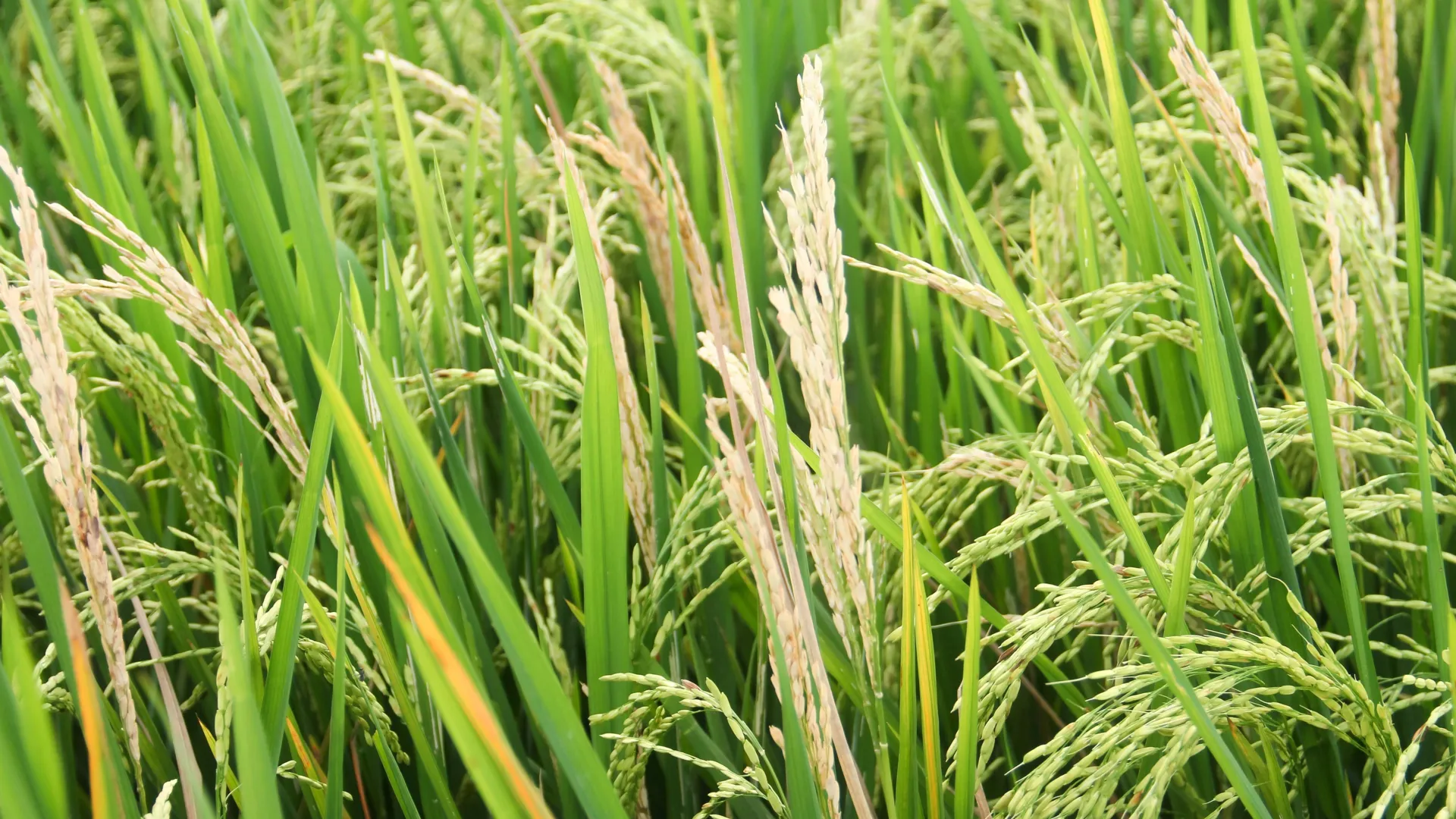
Through rigorous laboratory analysis, the research team identified exceptionally high levels of nitrogen within the maize samples. These nitrogen concentrations far surpassed what the naturally occurring soils in the vicinity could produce, providing a powerful indication that the crops had been fertilized. The abundance of nitrogen strongly implicates seabird guano, a substance renowned for its nitrogen-rich composition, a direct result of seabirds’ marine-based diets.
"The guano was most likely harvested from the nearby Chincha Islands, renowned for their abundant and high-quality guano deposits," Dr. Bongers elaborated. "Colonial-era writings we studied report that communities across coastal Peru and northern Chile sailed to several nearby islands on rafts to collect seabird droppings for fertilization." This historical testimony, combined with the biochemical evidence, paints a vivid picture of an organized and widespread practice of guano collection.
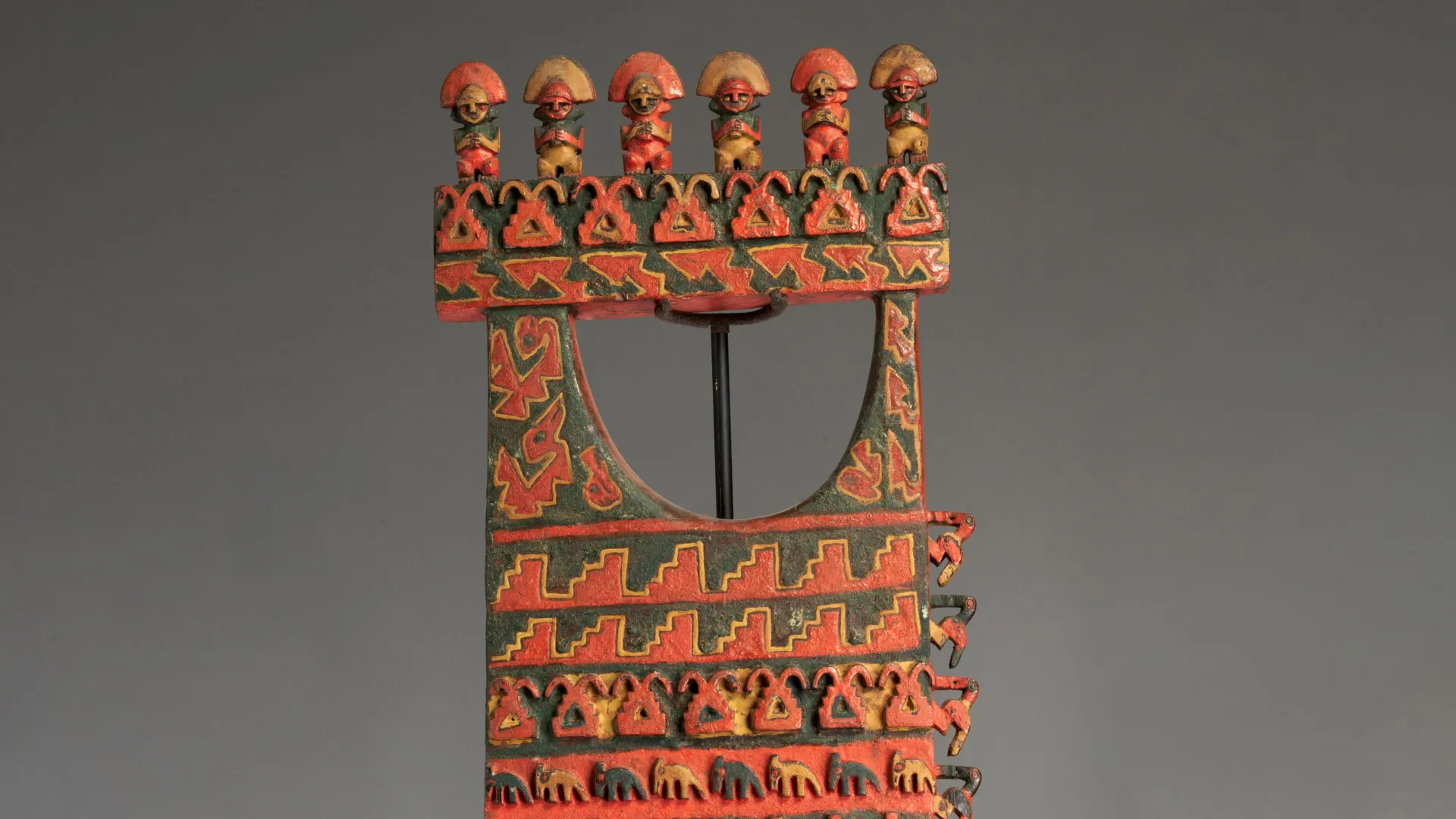
Further bolstering these findings, the research team delved into the realm of archaeological artwork from the region. Depictions of seabirds, their marine prey (fish), and the sprouting maize plant frequently appear in close proximity on various cultural artifacts, including intricate textiles, finely crafted ceramics, pottery, and detailed wall carvings and paintings. These recurring visual motifs offer compelling supplementary evidence of the deep cultural significance attributed to seabirds and their invaluable contribution to maize cultivation within these ancient societies.
"Together, the chemical and material evidence we studied confirms earlier scholarship showing that guano was deliberately collected and used as a fertilizer," Dr. Bongers affirmed. "But it also points to a deeper cultural significance, suggesting people recognized the exceptional power of this fertilizer and actively celebrated, protected and even ritualized the vital relationship between seabirds and agriculture." This suggests that the practice was not merely utilitarian but was imbued with a profound spiritual and cultural reverence, reflecting a sophisticated understanding of ecological interdependence.
Dr. Emily Milton, a postdoctoral fellow at the Smithsonian Institution in Washington, D.C., highlighted the importance of interdisciplinary approaches in deciphering such ancient practices. "The historical records documenting how bird guano was applied to maize fields helped us interpret the chemical data and understand the regional importance of this practice," she commented. "Our work extends the known geographic extent of guano fertilization, echoing recent findings in northern Chile, and suggests soil management began at least around 800 years ago in Peru." This temporal marker places the sophisticated use of guano well within the pre-Inca period, underscoring its foundational role in the development of Andean civilizations.
Cultivating Abundance in Arid Lands
The agricultural landscape of Peru’s coast has historically presented formidable challenges. Situated within one of the driest environments on Earth, even irrigated farmlands are prone to rapid nutrient depletion. In this context, guano, transported from offshore islands, emerged as a powerful and renewable fertilizer, a veritable game-changer that made the cultivation of large quantities of maize feasible in the Chincha Valley.
Maize, a staple crop of paramount importance throughout the Americas, served as the bedrock of sustenance for numerous ancient populations. The ability to cultivate it in abundance generated substantial agricultural surpluses, which in turn supported a diverse array of societal roles, including merchants, farmers, and fisherfolk. This burgeoning prosperity was a key factor in the Chincha’s development into prominent coastal traders, their maritime prowess enabling them to connect distant regions.
"We know the Chincha were extraordinarily wealthy and one of the most powerful coastal societies of their time. But what underpinned that prosperity? Previous research often pointed to spondylus shells, the spiny oyster, as the key driver of merchant wealth," Dr. Bongers noted, referring to a previously favored explanation for their economic success. "Our evidence suggests guano was central to the Chincha Kingdom’s success, with the Chincha’s maritime knowledge and access to the Chincha Islands likely reframing their strategic importance in the region." This assertion shifts the focus from luxury goods to a fundamental agricultural input, revealing a more grounded and sustainable source of their economic might.
Guano, Trade Networks, and the Inca Ascendancy
The formidable Inca Empire, which rose to prominence high in the Andes, established the largest Indigenous empire in the Americas prior to European arrival. Maize held immense cultural and practical significance for the Inca, notably as the primary ingredient for ‘chicha,’ a ceremonial fermented beer. However, cultivating sufficient quantities of maize in the challenging highland environment proved difficult, and crucially, the Inca lacked the sophisticated seafaring technology required to access the rich guano deposits along the coast.
"Guano was a highly sought-after resource the Incas would have wanted access to, playing an important role in the diplomatic arrangements between the Inca and the Chincha communities," Dr. Bongers explained. This strategic imperative likely fueled the eventual integration of the Chincha into the Inca sphere of influence, not as a conquered people, but as a vital economic and resource provider. "It expanded Chincha’s agricultural productivity and mercantile influence, leading to exchanges of resources and power." The Chincha’s control over this essential commodity undoubtedly gave them significant leverage in their interactions with the expanding Inca state.
The Ecological Intelligence Underpinning Chincha Prosperity
The implications of this research extend beyond agricultural practices, prompting a broader reevaluation of how wealth and power were generated and maintained in the ancient Andes. Coauthor Dr. Jo Osborn of Texas A&M University emphasized this point: "The true power of the Chincha wasn’t just access to a resource; it was their mastery of a complex ecological system," she stated. "They possessed the traditional knowledge to see the connection between marine and terrestrial life, and they turned that knowledge into the agricultural surplus that built their kingdom. Their art celebrates this connection, showing us that their power was rooted in ecological wisdom, not just gold or silver." This perspective highlights a sophisticated understanding of environmental dynamics as a cornerstone of their civilization.
This latest study also builds upon Dr. Bongers’ earlier research concerning the "Band of Holes," a significant archaeological site located just south of the Chincha Valley. Dr. Bongers has posited that this site may have served as a vital ancient marketplace, actively managed by the Chincha Kingdom, further underscoring their extensive economic reach and organizational capabilities.
"This research adds another layer to our understanding of how the Chincha, and potentially other coastal communities, used resources, trade and agriculture to expand their influence in the pre-Hispanic era," Dr. Bongers concluded, emphasizing the ongoing revelations emerging from the study of these ancient societies. The discovery of guano’s crucial role paints a richer, more nuanced picture of the ingenuity and ecological acumen that characterized the rise of powerful civilizations in ancient Peru, demonstrating that even the most seemingly humble natural resources can hold the key to historical transformation.
The research was supported by significant funding from various prestigious institutions, including the National Science Foundation Graduate Research Fellowship Program, the Society of Fellows at Boston University, the Ford Foundation Fellowship Program, the National Geographic Young Explorers Grant Program, and the Sigma Xi Grants-in-Aid Research Program. These funders played no role in the study’s design, data collection, analysis, decision to publish, or manuscript preparation, ensuring the scientific integrity and independence of the findings.