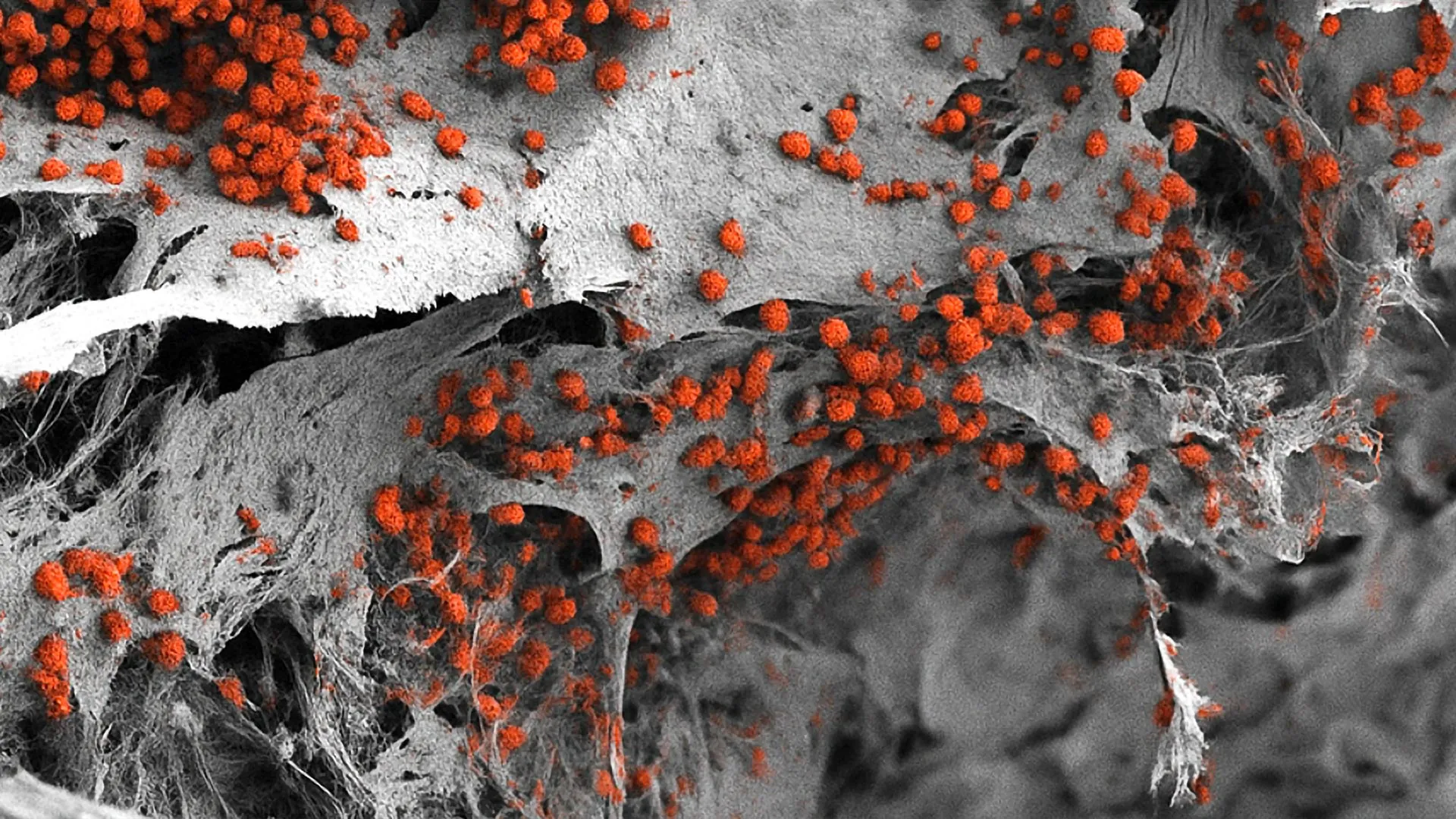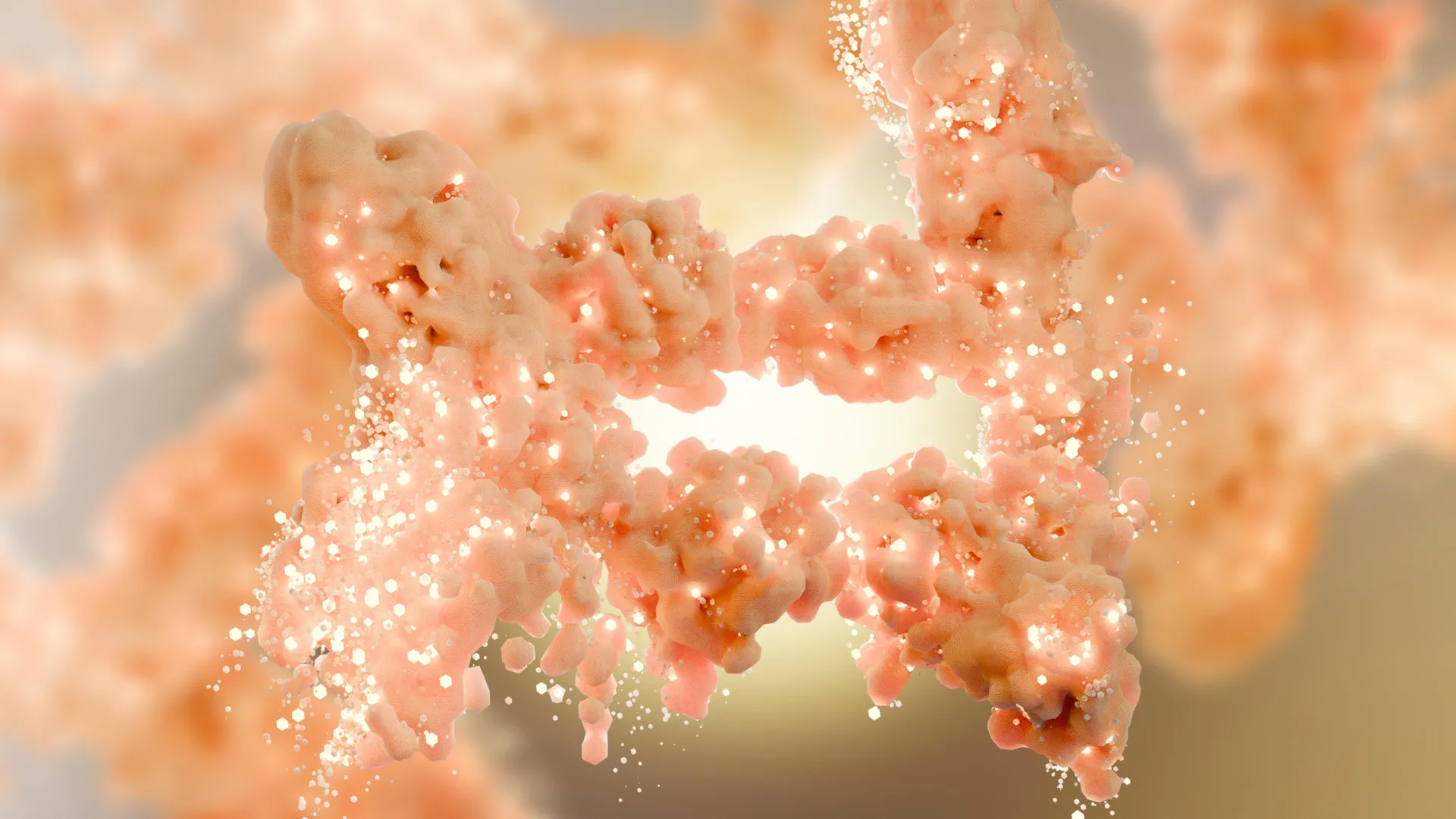
The landscape of regenerative medicine and orthopedics has been significantly altered by a landmark study identifying a singular protein, family with sequence similarity 102 member A (Fam102a), as a master regulator of bone health. Researchers at the Institute of Science Tokyo (Science Tokyo) have unveiled that this protein serves as a critical bridge in the bone remodeling process, simultaneously governing the differentiation of osteoblasts—cells responsible for bone formation—and osteoclasts, which handle bone resorption. Published in the prestigious journal Nature Communications on January 2, 2025, the study provides a comprehensive molecular blueprint of how Fam102a facilitates the nuclear trafficking of essential transcription factors, a discovery that could pave the way for a new generation of targeted therapies for osteoporosis and other degenerative bone diseases.
The Biological Equilibrium of Bone Remodeling
To understand the magnitude of this discovery, one must first consider the dynamic nature of the human skeleton. Contrary to the perception of bone as a static, stone-like substance, it is a highly active living tissue. Throughout a human life, the skeleton undergoes a continuous cycle of renewal known as bone remodeling. This process relies on a delicate "coupling" between two primary cell types: osteoclasts, which dissolve old or damaged bone mineral, and osteoblasts, which lay down new bone matrix.
When this equilibrium is maintained, the skeleton remains strong and resilient. However, as the body ages or encounters certain hormonal shifts, the balance often tips in favor of bone resorption. This imbalance leads to a systemic decrease in bone mass and the deterioration of bone microarchitecture, a condition clinically defined as osteoporosis. According to the International Osteoporosis Foundation, the condition affects more than 200 million people worldwide, resulting in a fracture every three seconds. Despite the prevalence of the disease, current pharmacological interventions—such as bisphosphonates or denosumab—often focus on inhibiting one side of the equation, primarily bone resorption. The discovery of a common factor that regulates both sides of the remodeling cycle represents a significant leap forward in musculoskeletal biology.
Identifying Fam102a: The Genetic Search for a Common Factor
The research initiative, spearheaded by Professor Tomoki Nakashima of the Faculty of Dentistry at Science Tokyo, sought to fill a critical gap in existing scientific literature. While the distinct pathways for osteoclast and osteoblast development have been studied extensively for decades, the industry has long searched for "coupling factors" or shared regulatory proteins that synchronize these two opposing processes.
The team began their investigation by analyzing gene expression patterns in mice with specific DNA sequence alterations. By utilizing advanced transcriptomic profiling, they examined cells lacking key transcription factors—the proteins that act as "master switches" to turn genes on or off. Through this rigorous screening process, the Fam102a gene emerged as a central candidate. The data suggested that Fam102a was not merely a bystander but a fundamental component in the maturation of both bone-building and bone-clearing cells.
The Mechanism of Action: Nuclear Trafficking and Molecular Gatekeeping
The most significant contribution of the Science Tokyo study lies in its elucidation of the "how." The researchers discovered that Fam102a functions as a facilitator for nuclear trafficking—the process by which proteins are transported from the cell’s cytoplasm into its nucleus to influence genetic activity.
Specifically, the team found that the Fam102a protein interacts directly with the runt-related transcription factor 2 (Runx2), which is often cited as the "master regulator" of osteoblast differentiation. For Runx2 to function, it must enter the cell nucleus and trigger the expression of other proteins, such as Osterix, which finalizes the bone-building process.
Through a series of biochemistry-based experiments, including co-immunoprecipitation assays, the researchers identified a vital partner in this process: karyopherin subunit alpha 2 (Kpna2). Kpna2 acts as a molecular transport vehicle, carrying cargo across the nuclear membrane. The study demonstrated that Fam102a binds to Kpna2, essentially acting as a guide or an enhancer that ensures Runx2 reaches its destination within the nucleus. Without this Fam102a-Kpna2 interaction, the "instructions" for building new bone are never delivered to the cell’s command center.
Furthermore, the team identified another critical pathway involving the recombination signal binding protein for immunoglobulin κ J region-like (Rbpjl). In cells lacking Fam102a, Rbpjl was found to be the most significantly downregulated transcription factor. This led to the identification of the Fam102a-Rbpjl axis, a previously unknown signaling pathway that is essential for proper osteoblast maturation.
Experimental Evidence: From Laboratory Cells to Mouse Models
To validate these molecular findings, Professor Nakashima’s team conducted a series of in vivo experiments using genetically modified mice. The results were stark and provided definitive proof of the protein’s importance.
- Phenotypic Observations: Mice engineered to be deficient in Fam102a exhibited a dramatic reduction in bone volume and density. The skeletal structure of these mice closely resembled the clinical presentation of human osteoporosis, characterized by thin trabecular bone and a high risk of spontaneous fractures.
- Cellular Analysis: Histological examinations revealed that in the absence of Fam102a, the differentiation of both osteoclasts and osteoblasts was severely stunted. This confirmed that the protein’s role was systemic across the bone remodeling cycle, rather than being limited to a single cell lineage.
- Data Consistency: The correlation between Fam102a levels and bone health was consistent across various age groups in the mouse models, suggesting that the protein is necessary for both the initial development of the skeleton and its maintenance during adulthood.
Chronology of the Discovery
The journey to the January 2025 publication followed a meticulous timeline of scientific inquiry:
- Phase I (Identification): The initial years focused on high-throughput genetic screening of murine cell lines to identify genes that were co-expressed during both osteoblast and osteoclast differentiation.
- Phase II (Validation): Following the identification of Fam102a, the team spent approximately 18 months developing the knockout mouse models necessary to observe the physiological impact of the gene’s absence.
- Phase III (Mechanism Elucidation): Between 2023 and late 2024, the researchers focused on the biochemical interactions, utilizing advanced imaging and protein-binding assays to map the relationship between Fam102a, Kpna2, and Runx2.
- Phase IV (Peer Review and Publication): The findings underwent rigorous peer review before being officially shared with the global scientific community in early 2025.
Institutional and Professional Reactions
The announcement of these findings has resonated throughout the medical and scientific communities. The Institute of Science Tokyo, a newly formed entity resulting from the merger of the Tokyo Institute of Technology and Tokyo Medical and Dental University, has hailed the study as a prime example of the interdisciplinary synergy the merger was intended to foster.
"By combining deep expertise in dental science with advanced genetic modeling, Professor Nakashima’s team has addressed a fundamental question in bone biology," said a spokesperson for the Institute. "This research underscores our commitment to tackling global health challenges through fundamental molecular discovery."
External experts in the field of endocrinology have noted the therapeutic potential of the Fam102a-Rbpjl axis. Dr. Sarah Jenkins, a skeletal biologist not involved in the study, remarked, "The identification of a dual-action regulator is incredibly rare. Most current drugs are ‘anti-resorptive,’ meaning they stop bone loss but don’t necessarily help build new, high-quality bone. A therapy that targets Fam102a could theoretically do both, offering a more holistic approach to bone regeneration."
Broader Implications and Future Therapeutic Strategies
The implications of this research extend far beyond the laboratory. As the global population ages, the economic and social burden of bone-related injuries is expected to skyrocket. In the United States alone, the annual cost of care for osteoporotic fractures is projected to exceed $25 billion by 2025.
The discovery of Fam102a offers several potential avenues for clinical application:
- Small Molecule Agonists: Pharmaceutical researchers may now look for compounds that can enhance Fam102a activity or stabilize its interaction with Kpna2. Such a drug could potentially "restart" the bone-building process in elderly patients.
- Biomarkers for Early Detection: Levels of Fam102a or its downstream targets like Rbpjl could eventually be used as biomarkers to identify individuals at high risk for osteoporosis before significant bone loss occurs.
- Precision Medicine: Understanding the genetic variations in the Fam102a gene among humans may explain why some individuals are more prone to fractures than others, allowing for more personalized treatment plans.
However, the transition from mouse models to human clinical trials is a long and complex process. Professor Nakashima cautioned that while the results are promising, further studies are needed to ensure that modulating Fam102a does not have adverse effects on other tissues where the protein might be expressed.
"Our study sheds light on the critical molecular interactions involved in the bone remodeling process and can aid the development of innovative osteoporosis therapies," Nakashima concluded. "The next step is to explore how these mechanisms translate to human physiology and to identify the most effective way to harness this pathway for clinical benefit."
As the scientific community digests the data published in Nature Communications, the focus will undoubtedly shift toward the structural biology of Fam102a. Understanding the exact "shape" of the protein’s binding sites will be the key to unlocking its potential as a drug target, marking the beginning of a new chapter in the fight against skeletal degeneration.